
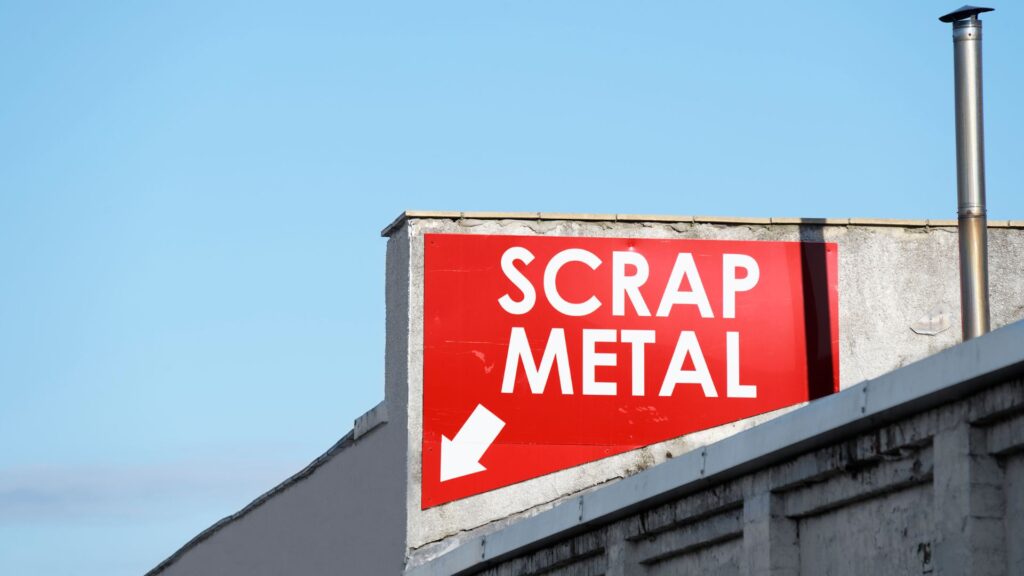
Decommissioned ships are much more than old vessels waiting to be dismantled. They are floating warehouses filled with valuable recyclable metals. Every section of a ship contains materials that can return to useful service after proper recycling. While many people search online for a scrap metal dealer near me, understanding the hidden value inside retired ships explains why marine recycling remains an important global industry.
Large cargo ships, tankers, barges, passenger vessels, and offshore support ships all contain significant quantities of reusable metals. Careful dismantling allows these materials to enter new manufacturing cycles instead of becoming waste. Every recovered metal helps conserve natural resources while supporting industries around the world.
Structural Steel Makes Up the Largest Share
Steel forms the backbone of every large vessel.
The hull, decks, cargo holds, frames, bulkheads, and internal supports are mainly constructed from steel.
Large ships may contain thousands of tons of recoverable structural steel.
Construction companies use recycled steel for buildings, bridges, warehouses, and infrastructure projects.
Manufacturers also rely on recycled steel for machinery and industrial equipment.
Because steel makes up such a large portion of every vessel, buyers inspect it carefully.
Clean structural steel remains in strong demand worldwide.
Many suppliers first contact a scrap metal dealer near me before exploring larger regional or international buyers.
Steel recovery remains the foundation of marine recycling.
Copper Adds Significant Value
Copper appears throughout every modern ship.
Electrical wiring, motors, generators, switchboards, transformers, and communication systems all contain valuable copper.
Cooling systems also include copper components because of excellent heat transfer.
Although copper represents a smaller percentage than steel, it contributes substantial value.
Careful removal protects copper from unnecessary damage.
Separate storage helps preserve material quality.
Clean copper attracts strong buyer interest because manufacturers always need reliable supplies.
Professional sorting supports better recycling efficiency.
Every kilogram of recovered copper strengthens the project’s overall value.
Stainless Steel Resists Harsh Marine Conditions
Ships operate in difficult environments every day.
Saltwater, humidity, and changing temperatures challenge many materials.
For this reason, stainless steel appears throughout important vessel systems.
Engine rooms contain stainless steel pipes, valves, filters, and exhaust components.
Ship kitchens include stainless steel sinks, worktables, cabinets, and cooking equipment.
Accommodation areas often contain handrails and sanitary fixtures made from stainless steel.
These materials resist corrosion while remaining highly recyclable.
Growing industrial demand supports their continued recycling value.
Aluminum, Brass, and Bronze Complete the Collection
Many valuable metals hide beyond steel and copper.
Aluminum appears in ladders, windows, doors, deck structures, and accommodation fittings.
Its lightweight design makes it useful throughout marine construction.
Brass is commonly found in plumbing systems, valves, electrical connectors, and marine hardware.
Bronze often appears in propellers, bearings, bushings, and specialized marine equipment.
Each recovered metal contributes additional value to the recycling project.
Professional separation improves buyer evaluations.
Every recovered component supports efficient recycling.
Machinery Contains Hidden Opportunities
Retired ships contain much more than structural materials.
Engine rooms hold generators, compressors, pumps, turbines, and heat exchangers.
Some equipment remains suitable for refurbishment before recycling.
Navigation systems, cranes, anchors, and winches may also retain value.
Professional inspections identify reusable components before dismantling begins.
Detailed inventories help buyers estimate project value accurately.
Careful recovery protects valuable machinery.
Every reusable item increases potential returns.
Proper Sorting Creates Better Results
Recovering valuable metals is only the beginning.
Sorting them correctly improves buyer confidence.
Keep steel separate from copper, aluminum, stainless steel, brass, and bronze.
Different stainless steel grades should remain separated whenever practical.
Clean materials require less processing after delivery.
Professional organization speeds up inspections.
Many suppliers begin by consulting a scrap metal dealer near me for grading advice before marketing larger shipments.
Good preparation supports stronger negotiations.
Documentation Builds Buyer Confidence
Professional paperwork strengthens every recycling project.
Prepare detailed inventories showing estimated metal quantities.
Take recent photographs throughout the vessel.
Include engine rooms, deck equipment, cargo spaces, and accommodation areas.
Inspection reports improve buyer understanding.
Commercial documents should accurately describe available materials.
Organized records reduce uncertainty during negotiations.
Reliable documentation supports transportation planning.
Professional preparation reflects responsible business management.
Marine Recycling Supports a Sustainable Future
Every recycled ship protects valuable natural resources.
Recovered metals reduce the need for new mining.
Manufacturing recycled metals usually requires less energy than producing new materials.
Lower energy use helps reduce environmental impact.
Responsible ship recycling also keeps valuable materials in productive use.
Many businesses searching for a scrap metal dealer near me discover that marine recycling supports both local economies and global manufacturing.
Sustainability continues strengthening the industry’s future.
Every recovered vessel contributes to a cleaner world.
Decommissioned ships contain an impressive collection of valuable recyclable metals. Steel, copper, stainless steel, aluminum, brass, bronze, and reusable machinery all contribute to a vessel’s recycling value. While many sellers begin by contacting a scrap metal dealer near me, successful marine recycling also depends on careful inspections, professional sorting, organized documentation, and responsible dismantling. By understanding the valuable metals hidden inside retired ships, you can maximize recovery, attract qualified buyers, and support the growing global demand for recycled marine materials.
Recovering High-Demand Materials from Marine Assets
Marine assets contain far more value than many people realize. Retired cargo ships, barges, offshore platforms, tugboats, ferries, and fishing vessels all contain metals that industries need every day. When these assets reach the end of their working lives, careful recycling allows valuable materials to begin a new journey. Many people start by searching for a scrap metal dealer near me, but understanding marine asset recovery helps you see the bigger picture.
Every recovered metal supports manufacturing, construction, transportation, and renewable energy projects. Professional recovery also reduces waste while protecting valuable natural resources. Good preparation ensures buyers receive quality materials ready for recycling.
Structural Steel Leads Every Recovery Project
Steel remains the most important material inside most marine assets.
The hull, decks, frames, cargo holds, and structural supports contain large amounts of recyclable steel.
Large vessels may provide thousands of tons of recoverable metal.
Construction companies use recycled steel for buildings, warehouses, bridges, and infrastructure projects.
Manufacturers also depend on recycled steel for machinery production.
Careful cutting protects material quality during dismantling.
Separate storage keeps steel free from contamination.
Many suppliers first contact a scrap metal dealer near me before exploring larger export opportunities.
Steel recovery forms the foundation of successful marine recycling.
Copper and Aluminum Add Extra Value
Marine vessels contain valuable non-ferrous metals.
Copper appears in electrical wiring, generators, motors, transformers, and communication systems.
Its excellent conductivity makes it valuable across many industries.
Aluminum is commonly found in ladders, doors, windows, railings, deck equipment, and superstructures.
Both metals remain in strong demand because manufacturers recycle them repeatedly.
Careful removal prevents unnecessary damage.
Separate storage protects material quality.
Professional sorting improves buyer confidence.
Recovered non-ferrous metals significantly increase project value.
Stainless Steel Supports Long-Term Performance
Ships operate under difficult conditions every day.
Saltwater and changing weather challenge many construction materials.
Stainless steel resists corrosion while remaining highly recyclable.
Engine rooms contain stainless steel pipes, valves, filters, and exhaust systems.
Marine kitchens include sinks, worktables, cabinets, and food preparation equipment made from stainless steel.
Accommodation areas also contain stainless steel fittings.
Growing industrial demand supports continued recycling opportunities.
Clean stainless steel attracts strong buyer interest.
Proper separation improves recycling efficiency.
Valuable Equipment Deserves Careful Inspection
Marine assets contain more than recyclable metals.
Generators, compressors, pumps, cranes, anchors, and navigation equipment may still have value.
Some machinery can be refurbished before recycling.
Professional inspections identify reusable components.
Detailed inventories help buyers understand available opportunities.
Careful handling protects valuable equipment.
Every reusable item contributes additional income.
Organized inspections reduce unnecessary surprises during negotiations.
Preparation improves buyer confidence.
Proper Sorting Improves Recovery Value
Sorting recovered materials creates stronger buyer interest.
Keep steel separate from copper, aluminum, stainless steel, brass, and bronze.
Different metal grades should remain separated whenever practical.
Remove unnecessary contamination before storage.
Clean materials require less processing after delivery.
Professional organization demonstrates attention to quality.
Accurate labeling simplifies inspections.
Many businesses searching for a scrap metal dealer near me discover that organized shipments often receive stronger offers.
Preparation supports better negotiations.
Documentation Supports Successful Transactions
Professional records strengthen every recycling project.
Prepare detailed inventories showing estimated material quantities.
Take recent photographs throughout the vessel.
Include engine rooms, cargo spaces, accommodation areas, and deck equipment.
Inspection reports improve buyer understanding.
Commercial documents should accurately describe available materials.
Reliable paperwork reduces misunderstandings during negotiations.
Organized records simplify transportation planning.
Professional preparation reflects responsible business management.
Environmental Benefits Extend Beyond Recycling
Recovering marine materials protects valuable natural resources.
Recycled metals reduce the need for additional mining.
Manufacturing recycled metals usually requires less energy than producing new materials.
Lower energy use helps reduce environmental impact.
Responsible recycling also keeps valuable resources in productive use.
Communities benefit from cleaner industrial practices.
Sustainable recycling supports future generations.
Environmental responsibility strengthens the industry’s reputation.
Every recovered vessel contributes to a healthier planet.
Strong Partnerships Create Long-Term Success
Marine recycling depends on teamwork.
Ship owners, recyclers, transport companies, processors, and manufacturers all contribute to successful projects.
Honest communication strengthens every relationship.
Professional preparation encourages repeat business.
Reliable buyers appreciate dependable suppliers.
Many suppliers begin with a scrap metal dealer near me before developing larger regional and international partnerships.
Trust grows through consistent performance.
Long-term cooperation creates greater opportunities than one-time sales.
Strong relationships support lasting business success.
Recovering high-demand materials from marine assets creates value for businesses, industries, and the environment. Steel, copper, aluminum, stainless steel, brass, bronze, and reusable equipment all contribute to successful recycling projects. While many sellers begin by searching for a scrap metal dealer near me, long-term success also depends on careful inspections, professional sorting, accurate documentation, and trusted business relationships. By recovering materials responsibly and preparing them professionally, you can maximize returns while supporting the growing global demand for recycled marine metals.
Connecting Vessel Owners with Global Buyers

Selling a retired vessel is no longer limited to local markets. Today, vessel owners can connect with qualified buyers across the world. Digital technology, professional networks, and international trade have made this process much easier. While many owners begin by searching for a scrap metal dealer near me, global buyers often provide additional opportunities for larger marine recycling projects.
Every retired cargo ship, tanker, barge, tugboat, ferry, or offshore vessel contains valuable recyclable materials. Buyers search worldwide for quality marine assets because they support recycling, manufacturing, and industrial production. Understanding how these connections work helps you reach the right audience and build stronger business relationships.
Digital Platforms Open Global Opportunities
The internet has changed marine recycling forever.
Online marketplaces allow vessel owners to present available assets to international buyers.
Professional listings should include clear descriptions, recent photographs, estimated dimensions, and basic vessel information.
Buyers appreciate complete and accurate details.
Updated listings receive more attention than outdated advertisements.
Respond quickly to buyer questions whenever possible.
Professional communication builds confidence from the first conversation.
Many sellers first contact a scrap metal dealer near me, then expand their search through international online platforms.
Digital tools create worldwide business opportunities.
Accurate Information Builds Buyer Confidence
Honest information always attracts serious buyers.
Describe the vessel exactly as it appears.
Include details about its condition, location, age, and available documentation.
Provide recent photographs from different areas of the vessel.
Show the engine room, deck, cargo spaces, accommodation, and exterior views.
Avoid exaggerating the vessel’s condition.
Professional presentations reduce buyer uncertainty.
Accurate information supports faster negotiations.
Reliable communication strengthens long-term business relationships.
Trust begins with honesty.
Prepare Documentation Before Marketing
Professional paperwork supports successful transactions.
Gather ownership documents before contacting buyers.
Prepare inspection reports whenever available.
Organize maintenance records and equipment inventories.
Commercial documents should accurately describe the vessel.
Digital copies simplify communication with international buyers.
Reliable paperwork reduces unnecessary delays.
Professional preparation demonstrates responsible ownership.
Well-organized records strengthen buyer confidence.
Preparation saves valuable negotiation time.
Understand What Global Buyers Want
Different buyers have different priorities.
Some purchase vessels mainly for steel recovery.
Others focus on reusable machinery and equipment.
Certain buyers seek offshore structures or specialized marine assets.
Learning buyer expectations improves your marketing strategy.
Present your vessel according to its strongest features.
Accurate inventories help buyers estimate project value.
Understanding customer needs creates stronger negotiations.
Knowledge supports better business opportunities.
Professional Inspections Increase Buyer Interest
Many international buyers request inspections before purchasing.
Prepare your vessel before inspection day.
Remove unnecessary waste from accessible areas.
Ensure important equipment remains visible.
Provide safe access whenever possible.
Inspection reports help buyers evaluate recovery opportunities.
Professional inspections reduce misunderstandings later.
Transparency builds confidence during negotiations.
Well-prepared vessels create stronger first impressions.
Preparation always adds value.
Build Long-Term Relationships
One successful transaction often leads to future business.
Stay in contact with buyers after completing the sale.
Inform them when additional marine assets become available.
Ask for feedback after the project finishes.
Satisfied buyers frequently recommend dependable sellers.
Reliable communication strengthens future cooperation.
Many businesses searching for a scrap metal dealer near me later develop valuable international buyer networks.
Long-term relationships provide greater stability than one-time sales.
Trust grows through consistent performance.
Technology Makes International Trade Easier
Modern technology simplifies global communication.
Video meetings allow buyers to inspect vessels remotely.
Cloud storage helps share documents quickly.
Electronic signatures speed up agreements.
Digital photographs improve buyer understanding before travel.
Online messaging supports faster negotiations.
Technology reduces geographical barriers.
Professional digital communication strengthens buyer confidence.
Modern tools make international business more efficient.
Innovation supports continued market growth.
Strong Partnerships Create Better Results
Successful marine recycling depends on cooperation.
Vessel owners, brokers, recyclers, transport companies, and manufacturers all play important roles.
Honest communication keeps projects moving smoothly.
Professional preparation reduces unnecessary delays.
Reliable buyers appreciate dependable sellers.
Mutual respect strengthens business partnerships.
Many successful owners begin with a scrap metal dealer near me before expanding into global recycling markets.
Every positive experience creates future opportunities.
Strong partnerships remain one of the industry’s greatest strengths.
Connecting vessel owners with global buyers creates exciting opportunities in today’s marine recycling industry. Professional marketing, accurate documentation, honest communication, and careful preparation all help attract qualified international buyers. While many sellers begin by searching for a scrap metal dealer near me, expanding into global markets often leads to larger opportunities and long-term partnerships. By presenting your vessel professionally and building trusted relationships, you increase your chances of successful transactions while supporting the growing worldwide demand for recyclable marine assets.
Sustainability in Ship Recycling Practices
Ship recycling is about much more than recovering valuable metals. It also protects natural resources, reduces waste, and supports a cleaner environment. Every retired vessel contains materials that can begin a new life instead of ending in a landfill. While many people start by searching for a scrap metal dealer near me, sustainable ship recycling creates benefits that reach far beyond local communities.
Modern recycling practices focus on recovering valuable materials safely and responsibly. Steel, copper, aluminum, stainless steel, brass, and bronze all return to manufacturing through proper recycling. This process supports industries while reducing pressure on the world’s natural resources.
Recycling Conserves Valuable Natural Resources
Mining new metals requires significant energy and natural resources.
Ship recycling reduces the need for additional mining.
Recovered steel can become new buildings, machinery, and infrastructure.
Recycled copper powers electrical systems in homes and factories.
Aluminum returns to transportation, packaging, and construction projects.
Stainless steel supports food processing and industrial equipment.
Every recovered material reduces unnecessary waste.
Responsible recycling helps protect valuable resources for future generations.
A scrap metal dealer near me often becomes the first step in this larger recycling journey.
Every recycled vessel supports resource conservation.
Lower Energy Use Supports Sustainability
Producing recycled metals usually requires less energy than creating new metals from raw materials.
Lower energy use reduces production costs.
It also helps decrease greenhouse gas emissions.
Manufacturers appreciate recycled materials because they improve production efficiency.
Many industries now include recycled metals in sustainability programs.
Businesses increasingly value environmentally responsible suppliers.
Energy savings benefit both companies and communities.
Responsible recycling supports cleaner industrial growth.
Small improvements create meaningful environmental results.
Every recovered shipment contributes to greater efficiency.
Safe Recycling Protects Workers and Nature
Modern ship recycling emphasizes safety.
Hazardous materials should be removed before dismantling begins.
Fuel residues, waste oils, batteries, insulation, and chemicals require careful handling.
Proper disposal protects nearby land and water.
Workers also benefit from improved safety procedures.
Protective equipment reduces workplace risks.
Organized recycling yards improve operational efficiency.
Professional training supports responsible recycling practices.
Safety protects both people and the environment.
Responsible businesses make safety a daily priority.
Careful Material Recovery Reduces Waste
Every ship contains many reusable materials.
Steel, copper, aluminum, stainless steel, brass, and bronze deserve careful recovery.
Some machinery also remains suitable for refurbishment.
Generators, pumps, cranes, anchors, and navigation equipment may continue serving useful purposes.
Professional inspections identify reusable components before dismantling.
Accurate inventories improve recovery planning.
Careful sorting reduces unnecessary waste.
Organized recycling increases material value.
Every recovered item supports a circular economy.
Local Recycling Supports Global Sustainability
Many sustainability efforts begin locally.
A trusted scrap metal dealer near me helps collect recyclable materials within the community.
Those materials often continue through regional processing facilities before reaching global manufacturers.
Local businesses play an important role in international recycling.
Every collection yard contributes to the worldwide supply chain.
Small recycling efforts combine into significant environmental benefits.
Communities become cleaner through responsible recycling.
Local action supports global sustainability goals.
Every shipment matters.
Technology Improves Sustainable Recycling
Technology continues improving recycling practices.
Modern sorting systems identify metals more accurately.
Portable analyzers recognize valuable alloys quickly.
Digital inventory systems reduce unnecessary waste.
Automation improves recovery efficiency.
Electronic records support better project planning.
Technology also improves workplace safety.
Online communication connects buyers with responsible suppliers.
Innovation strengthens sustainable recycling operations.
Modern tools help recover more valuable materials.
Partnerships Strengthen Environmental Progress
Sustainability depends on cooperation.
Ship owners, recyclers, transport companies, processors, and manufacturers all share responsibility.
Professional communication keeps projects moving efficiently.
Reliable suppliers encourage responsible recycling.
Verified buyers value environmentally conscious partners.
Governments also support sustainable industrial practices.
Communities benefit from cleaner recycling operations.
Strong partnerships create better environmental outcomes.
Working together strengthens the entire recycling industry.
The Future Looks Bright
Environmental awareness continues growing worldwide.
Manufacturers increasingly choose recycled metals over newly mined materials.
Governments continue supporting recycling initiatives.
Consumers also appreciate businesses that protect natural resources.
Investment in cleaner technology continues increasing.
Professional recycling standards improve every year.
Many people searching for a scrap metal dealer near me now consider environmental responsibility alongside pricing.
Sustainability will remain central to future ship recycling.
Every recycled vessel helps build a cleaner tomorrow.
Sustainability in ship recycling practices creates lasting benefits for businesses, communities, and the environment. Responsible recovery of steel, copper, aluminum, stainless steel, brass, bronze, and reusable equipment conserves natural resources while reducing waste and energy use. While many businesses begin by searching for a scrap metal dealer near me, sustainable recycling depends on careful planning, safe operations, modern technology, and strong partnerships. By supporting responsible ship recycling, you contribute to a cleaner environment, stronger industries, and a more sustainable future for generations to come.