
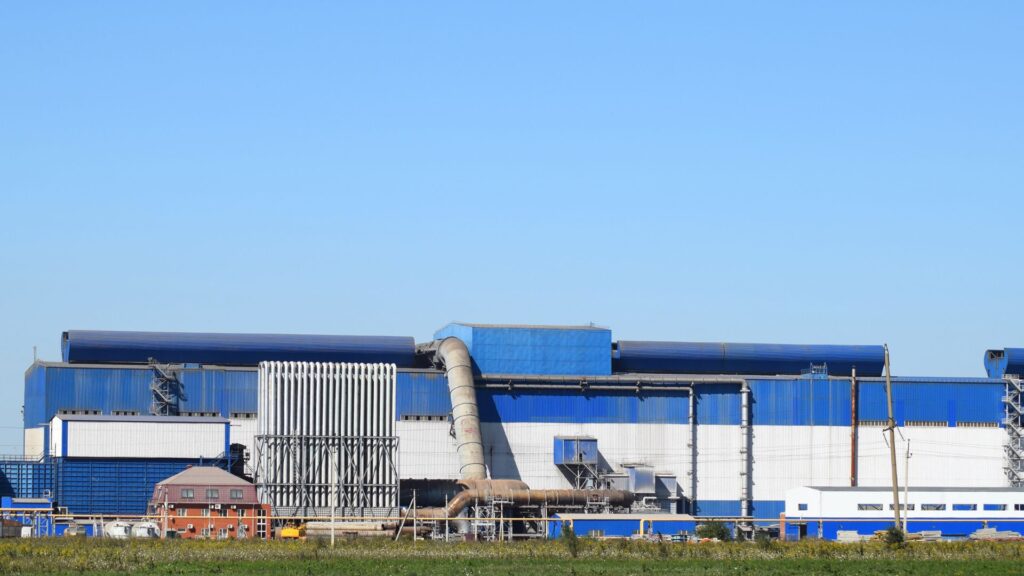
The scrap metal recycling companies in the industry continue growing every year as more businesses and governments embrace sustainable practices. This growth has created many new opportunities, but it has also increased competition. With so many businesses offering similar services, you may wonder what separates an average company from an outstanding one. The answer goes far beyond simply collecting and processing scrap.
The best scrap metal recycling companies build their reputation through trust, professionalism, and long-term relationships. They focus on creating value for customers instead of simply completing transactions. Whether they recycle factory equipment, marine vessels, demolition materials, or industrial machinery, their goal remains the same. They deliver reliable service while helping customers recover the highest possible value from recyclable materials.
If you are looking for a recycling partner, understanding these qualities will help you make a smarter decision. Choosing the right company can save time, reduce stress, and improve the success of your recycling project.
Trust and Transparency Build Strong Relationships
Trust is the foundation of every successful recycling business. Customers want to work with companies that communicate honestly and keep their promises.
Outstanding recycling companies provide clear information about their services, pricing methods, and recycling process. They explain how materials are evaluated and what factors influence their value.
Honest communication also means providing realistic expectations. Reliable companies avoid making promises they cannot keep simply to win new business.
Transparency continues throughout the entire project. Customers receive regular updates, accurate documentation, and prompt answers to important questions.
Many businesses appreciate companies that encourage inspections before agreements are completed. Open communication reduces misunderstandings while building confidence between both parties.
When trust becomes part of every interaction, long-term business relationships naturally develop.
Experience Creates Better Results
Experience is one of the biggest advantages in the recycling industry. Companies that have handled different types of projects understand how to solve problems efficiently.
Experienced teams know how to evaluate factory scrap, marine vessels, demolition materials, industrial equipment, and structural steel. They recognize valuable materials that less experienced companies may overlook.
Knowledge also improves project planning. Skilled professionals understand safe dismantling methods, proper material handling, and efficient recovery techniques.
Years of industry experience often create strong business networks as well. Established companies usually maintain relationships with verified buyers, logistics providers, inspectors, and processing facilities.
These connections help projects move more smoothly while reducing unnecessary delays.
When selecting among different scrap metal recycling companies, experience often becomes one of the strongest indicators of dependable service.
Professional Customer Service Makes the Difference
Excellent customer service separates outstanding recycling companies from ordinary ones.
Professional businesses respond quickly to inquiries and provide helpful information throughout every stage of the project. Customers appreciate timely communication because it keeps projects moving forward.
Friendly staff also create a better overall experience. They answer questions patiently and explain technical details using language that customers understand.
Good companies recognize that every project is unique. Instead of offering identical solutions to everyone, they listen carefully and recommend services that fit individual needs.
Respect for customers extends beyond the initial agreement. Reliable businesses continue providing support even after transactions have been completed.
Positive customer experiences often lead to repeat business and valuable referrals.
Modern Technology Improves Efficiency
Technology has become an important advantage for today’s recycling businesses.
Leading companies use modern equipment to recover more valuable materials while improving workplace safety. Advanced sorting systems separate metals accurately and reduce unnecessary waste.
Digital inventory software allows accurate tracking of recyclable materials throughout every project. Customers receive organized information that supports better decision-making.
Video inspections and cloud-based document sharing also improve communication with local and international clients.
Many companies maintain professional websites where customers can learn about services, available projects, and recycling expertise.
Technology also helps businesses connect with verified buyers around the world. Better communication creates smoother transactions while expanding market opportunities.
Companies that invest in innovation often provide faster, safer, and more efficient recycling services.
Environmental Responsibility Builds Strong Reputations
Environmental responsibility has become one of the defining qualities of successful recycling businesses.
The best companies focus on reducing waste while protecting natural resources. They recover valuable materials instead of allowing them to enter landfills unnecessarily.
Responsible recycling also includes safe handling of hazardous materials during dismantling and processing activities.
Many businesses follow recognized environmental standards that improve workplace safety while protecting surrounding communities.
Energy-efficient equipment, proper waste management, and responsible transportation practices further strengthen environmental performance.
Customers increasingly prefer businesses that demonstrate genuine commitment to sustainability.
Working with environmentally responsible scrap metal recycling companies allows customers to support cleaner manufacturing while achieving their recycling goals.
Strong Global Networks Create Better Opportunities
The recycling industry now operates on a global scale. Outstanding companies understand how international markets create additional opportunities for customers.
Professional recycling businesses maintain relationships with verified buyers in different countries. These networks improve competition while increasing the chances of securing attractive offers.
Experienced companies also understand international shipping, inspection requirements, documentation, and logistics planning.
Professional scrap connectors play an important role by introducing genuine buyers to qualified sellers.
Global connections become especially valuable for large projects involving marine vessels, industrial plants, factory equipment, or demolition materials.
Customers benefit because their recyclable materials reach buyers who understand their true value.
A strong international network often becomes a significant competitive advantage.
Safety and Organization Inspire Confidence
Safety should never be treated as an afterthought in recycling operations.
Outstanding companies develop detailed plans before beginning dismantling or material recovery. Proper inspections identify potential risks while improving project organization.
Employees receive training that helps them work safely around heavy machinery, cutting equipment, and recyclable materials.
Organized worksites improve both safety and efficiency. Clearly separated materials reduce confusion while making inspections easier.
Accurate inventory records also strengthen project management by helping customers understand available materials and estimated recovery values.
Professional organization reflects attention to detail throughout every stage of the recycling process.
Customers naturally feel more confident when projects are managed carefully and responsibly.
Long-Term Partnerships Matter More Than One-Time Sales
The strongest recycling companies focus on building lasting relationships instead of chasing individual transactions.
They understand that satisfied customers often return with future projects involving factories, warehouses, industrial equipment, marine vessels, or demolition sites.
Reliable communication helps maintain these relationships over time. Companies stay in touch with customers by sharing market updates, new opportunities, and helpful industry information.
Honoring commitments remains equally important. Businesses that consistently meet agreed timelines and deliver dependable service earn lasting trust.
Long-term partnerships also create valuable referrals. Happy customers frequently recommend professional recycling companies to colleagues, suppliers, and business partners.
Strong relationships benefit everyone by creating stability, trust, and continued business growth.
Choosing the Right Recycling Company Pays Off
Finding the right recycling partner involves much more than comparing prices. Outstanding companies distinguish themselves through trust, experience, customer service, technology, environmental responsibility, safety, and strong business relationships. These qualities help customers recover greater value while enjoying a smoother recycling experience.
The best scrap metal recycling companies understand that every project deserves careful planning and professional attention. Whether handling factory machinery, industrial plants, demolition materials, or retired marine vessels, they focus on delivering dependable results from beginning to end.
As the recycling industry continues growing, businesses that invest in innovation, transparency, and customer satisfaction will remain leaders in the market. Choosing one of these companies gives you confidence that your recyclable materials will be managed responsibly while reaching buyers who recognize their true value.
When you work with the right recycling partner, you gain more than a service provider. You gain a trusted ally committed to helping your business succeed while supporting a cleaner, more sustainable future for industries around the world.
Evaluating Scrap Quality Before Purchase
Buying scrap metal is much more than comparing prices. A low price may look attractive, but poor-quality scrap can create unexpected costs later. Smart buyers understand that evaluating scrap quality before making a purchase is one of the best ways to protect their investment. Careful inspections help avoid surprises while improving the chances of a successful recycling project.
Whether you are buying factory scrap, marine vessels, demolition materials, or industrial equipment, quality should always come first. Taking time to inspect materials allows you to estimate their true value and identify potential challenges before negotiations are completed. This simple habit can save both time and money.
Experienced scrap metal recycling companies know that successful transactions begin with accurate evaluations. They understand that every load of scrap is different and deserves careful attention before any agreement is signed.
Start with a Visual Inspection
A visual inspection is usually the first step when evaluating scrap quality. Although it may seem simple, this process provides valuable information about the materials you plan to purchase.
Walk around the scrap carefully and observe its overall condition. Look for signs of excessive rust, corrosion, contamination, or structural damage. While some surface rust is normal, severe corrosion may reduce the material’s recycling value.
Notice how the materials are stored. Well-organized scrap often reflects good handling practices and makes inspection much easier. Mixed piles containing different metals may require additional sorting after purchase.
Large industrial equipment should also be inspected from multiple angles. Check structural frames, support beams, machinery housings, and accessible internal components.
Take clear photographs during your inspection. Images help you review important details later and provide useful references during negotiations.
A careful visual inspection often reveals valuable information before technical evaluations begin.
Identify the Different Metal Types
Not all scrap metals have the same value. One of the most important parts of any inspection is identifying the different materials available.
Steel usually represents the largest portion of industrial scrap. However, many projects also contain copper, aluminum, stainless steel, brass, bronze, and other valuable metals.
Electrical systems often include copper wiring, transformers, motors, and generators. Machinery may contain cast iron, stainless steel, and specialized alloys.
Separating these materials during inspection helps estimate overall project value more accurately. Mixed metals require additional processing, which increases recycling costs.
If you are unsure about certain materials, experienced inspectors can assist with identification. Some companies also use handheld testing equipment to confirm metal composition.
Professional evaluations reduce uncertainty while helping buyers prepare realistic offers.
Check for Contamination
Clean scrap is usually more valuable than contaminated material. Buyers should carefully inspect for substances that may complicate recycling.
Oil, grease, paint, chemicals, insulation, rubber, plastic, wood, and concrete can all affect processing costs. Removing these materials often requires additional labor before recycling begins.
Old marine vessels and industrial facilities may contain hazardous substances that require specialized handling. These materials should always be identified before finalizing a purchase.
Inspect storage areas as well. Materials exposed to standing water or excessive dirt may require cleaning before transportation.
Contamination does not always prevent a good purchase, but it should influence your pricing decisions.
Accurate assessments help you understand the true cost of preparing materials for recycling.
Estimate the Quantity Accurately
Knowing how much scrap is available is just as important as understanding its quality.
Estimate the total weight whenever possible. Large projects often include thousands of tons of recyclable materials, so accurate calculations become essential.
Review available inventory records if the seller has prepared them. Compare these documents with your own observations during inspection.
Measure major structural components, machinery, and storage areas when appropriate. These measurements help estimate material volumes more accurately.
Photographs, videos, and drone surveys also assist with quantity estimation for larger industrial sites or marine vessels.
Professional inspectors often combine visual observations with engineering calculations to produce reliable estimates.
Better quantity estimates support stronger negotiations while reducing unexpected surprises after purchase.
Review Documentation Carefully
Good documentation adds confidence to every recycling transaction.
Ownership certificates confirm that the seller has legal authority to sell the materials. Registration records may also provide useful technical information for marine vessels and industrial equipment.
Inspection reports prepared by independent professionals offer valuable insights into material condition and estimated quantities.
Maintenance records sometimes reveal equipment history that affects resale or recycling value.
Environmental documents become especially important when purchasing industrial facilities or marine assets. These reports identify hazardous materials that require special handling.
Review every available document before completing negotiations. Missing paperwork should always be discussed with the seller.
Reliable documentation helps experienced scrap metal recycling companies complete transactions more efficiently while reducing unnecessary risks.
Consider Transportation and Accessibility
Quality extends beyond the scrap itself. Buyers should also evaluate how easily materials can be removed and transported.
Inspect access roads, loading areas, and nearby port facilities if applicable. Limited access may increase transportation costs significantly.
Large machinery sometimes requires specialized lifting equipment before removal. Structural steel may need cutting into smaller sections before shipping.
Marine vessels also present unique logistical challenges depending on their location and condition.
Understanding these factors before purchasing allows you to prepare accurate project budgets.
Transportation planning often influences overall profitability as much as the scrap value itself.
Careful inspections help identify logistical challenges before they become expensive problems.
Work with Experienced Professionals
Large recycling projects often benefit from professional support.
Experienced inspectors understand where valuable materials are commonly located. They recognize signs of hidden damage while identifying opportunities that less experienced buyers might overlook.
Professional surveyors use specialized equipment to measure quantities and evaluate material conditions more accurately.
Environmental consultants also assist with identifying hazardous substances before dismantling begins.
Legal advisors help review ownership documentation and contractual obligations during major transactions.
Working with experienced professionals reduces risk while improving confidence throughout the purchasing process.
Many successful buyers rely on expert guidance because careful preparation usually produces better long-term results.
Quality Evaluations Lead to Better Decisions
Evaluating scrap quality before purchase is one of the smartest investments you can make. A careful inspection helps you understand exactly what you are buying while reducing unexpected costs later.
Visual inspections, metal identification, contamination checks, quantity estimates, document reviews, and transportation planning all contribute to more informed decisions. Every step helps improve your understanding of the project’s true value.
Experienced scrap metal recycling companies recognize that successful purchases depend on preparation rather than guesswork. They take time to inspect materials carefully because they know quality influences every stage of the recycling process.
Whether you are purchasing factory equipment, demolition materials, marine vessels, or industrial scrap, careful evaluation creates stronger negotiations and more profitable outcomes. Instead of focusing only on the purchase price, look at the complete picture. Understanding quality allows you to recognize valuable opportunities while avoiding unnecessary risks.
In the growing recycling industry, knowledge remains one of your greatest advantages. Every careful inspection helps transform uncertainty into confidence, supporting better investments and stronger long-term success in the world of scrap metal recycling.
Building Trust in International Transactions
International scrap trading creates exciting opportunities for buyers and sellers around the world. A factory owner in one country can connect with a recycling company thousands of kilometers away. A retired vessel can find a new purpose through overseas recycling. Large industrial projects can attract buyers from several continents. However, every successful transaction begins with one important ingredient. That ingredient is trust.
Without trust, even the best business opportunity can fall apart. Buyers want confidence that the materials match the description. Sellers want assurance that payments will arrive as agreed. Both parties also want reliable communication throughout the entire process. Building trust may take time, but it creates stronger partnerships and smoother transactions.
Experienced scrap metal recycling companies understand that trust is more valuable than a quick sale. They know that honest business practices lead to repeat customers, stronger reputations, and long-term growth. If you want lasting success in international recycling, building confidence should always be your first priority.
Honest Communication Creates Strong Foundations
Every successful business relationship starts with clear and honest communication. Buyers appreciate suppliers who provide accurate information from the beginning.
Describe your scrap materials exactly as they are. Avoid exaggerating quantities, hiding damaged equipment, or making promises that cannot be fulfilled. Honest descriptions reduce misunderstandings during inspections.
Provide clear photographs from several angles. Include close-up images of important equipment and wide photographs showing the overall project.
Videos also help buyers understand the condition of factory equipment, marine vessels, demolition materials, or industrial scrap. A simple walkthrough often answers many early questions.
Respond to emails and messages promptly. Even if you need additional time to gather information, acknowledge inquiries quickly. Buyers appreciate knowing their messages have been received.
Professional communication demonstrates reliability and creates confidence before negotiations even begin.
Accurate Documentation Builds Confidence
Documentation plays an important role in international recycling projects. Well-prepared records help buyers verify information while reducing unnecessary risks.
Ownership certificates confirm that the seller has legal authority to complete the transaction. Registration documents provide additional details for marine vessels and industrial assets.
Inventory lists help buyers understand available materials before arranging inspections. Accurate quantities also simplify pricing discussions.
Inspection reports prepared by qualified professionals provide independent assessments of material condition. These reports often improve buyer confidence significantly.
Environmental documentation becomes especially valuable when dealing with factories, industrial plants, or marine recycling projects.
Photographs, videos, and technical drawings also support written records by providing visual confirmation.
Experienced scrap metal recycling companies understand that complete documentation creates smoother negotiations and stronger business relationships.
Transparency Reduces Uncertainty
International transactions naturally involve some uncertainty because buyers and sellers often operate in different countries.
Transparency helps reduce this uncertainty. Share information openly throughout every stage of the project.
If certain equipment has already been removed, explain this clearly before inspections begin. If quantities change during dismantling, communicate those updates immediately.
Invite buyers to inspect materials whenever practical. Physical inspections often strengthen confidence before contracts are finalized.
Virtual inspections also work well for early project discussions. Video calls allow buyers to ask questions while viewing important areas in real time.
Transparency demonstrates professionalism and reduces the chance of disagreements later.
When both parties understand exactly what is being offered, negotiations become much more productive.
Professional Inspections Protect Everyone
Independent inspections benefit both buyers and sellers.
Qualified inspectors evaluate material condition, estimate quantities, and identify potential concerns before agreements are completed.
Professional reports provide objective information that supports fair pricing discussions. Buyers appreciate independent verification because it reduces uncertainty.
Sellers also benefit because inspections confirm the quality of their materials. Accurate reports often strengthen buyer confidence and encourage faster decisions.
Marine vessels, industrial facilities, and large demolition projects especially benefit from professional evaluations.
Inspection companies also help verify compliance with safety and environmental requirements where applicable.
Using independent experts creates greater confidence throughout international transactions.
Reliable Payment Methods Matter
Payment arrangements deserve careful attention in every international transaction.
Discuss payment terms early during negotiations. Both parties should clearly understand the agreed schedule before signing contracts.
Many international buyers and sellers use secure banking methods designed for commercial transactions. These approaches provide greater confidence than informal payment arrangements.
Written agreements should describe payment milestones, inspection requirements, delivery expectations, and important responsibilities.
Keeping financial discussions professional helps prevent unnecessary misunderstandings later.
Buyers appreciate suppliers who communicate openly about payment expectations. Sellers also value buyers who honor agreed commitments promptly.
Reliable payment practices strengthen long-term business relationships while encouraging repeat transactions.
Strong Relationships Grow Through Consistency
Trust is not built during a single conversation. It develops through consistent actions over time.
Deliver requested documents when promised. Respond to questions honestly. Honor agreed inspection schedules whenever possible.
If unexpected delays occur, communicate them immediately. Buyers usually appreciate honesty more than silence.
After completing one successful transaction, continue maintaining contact with your business partners. Inform them about future projects or available materials.
Reliable suppliers often become preferred partners because buyers know they can expect dependable service.
Likewise, trustworthy buyers frequently receive priority access to attractive recycling opportunities.
Consistency creates confidence, and confidence creates lasting business relationships.
Technology Makes Trust Easier to Build
Modern technology has made international business much more transparent.
Cloud-based document sharing allows buyers to review certificates, inspection reports, and photographs quickly.
Video conferencing supports face-to-face discussions without international travel. Live walkthroughs provide additional confidence before physical inspections.
Digital inventory systems improve accuracy by tracking available materials throughout the recycling process.
Shipment tracking also allows buyers to monitor deliveries during transportation.
Professional websites provide information about company history, completed projects, and available services. Buyers often review these details before making contact.
Technology does not replace trust, but it certainly makes building trust much easier.
Companies that communicate effectively through digital tools often enjoy stronger international relationships.
Long-Term Trust Creates Bigger Opportunities
Many businesses focus only on completing the next transaction. Successful companies think much further ahead.
Long-term partnerships create greater stability than constantly searching for new customers. Repeat buyers already understand your business practices, making future negotiations much easier.
Professional referrals also become more common when customers trust your company. Satisfied buyers often introduce reliable suppliers to colleagues and business partners.
A strong reputation opens doors to larger projects involving factories, marine vessels, industrial plants, and demolition materials.
Many leading scrap metal recycling companies have built their success over many years by consistently delivering honest service and dependable results.
Reputation becomes one of your greatest business assets because trust spreads through positive experiences.
Trust Is the Foundation of Every Successful Transaction
International recycling depends on much more than competitive pricing. Successful projects require honesty, transparency, professional communication, accurate documentation, and dependable follow-through. These qualities help buyers and sellers work together confidently, even when separated by thousands of kilometers.
Experienced scrap metal recycling companies understand that trust is not something you request. It is something you earn through consistent actions and professional behavior. Every email, inspection, document, and conversation contributes to your reputation.
Whether you are selling factory equipment, retired marine vessels, demolition materials, or industrial scrap, building trust should remain your highest priority. Buyers who believe in your professionalism are more likely to return with future business, recommend your services, and support long-term partnerships.
In the growing global recycling industry, trust remains the strongest bridge between opportunity and success. When honesty guides every transaction, businesses build lasting relationships, valuable reputations, and a future filled with greater possibilities for everyone involved.
Emerging Opportunities in Metal Recovery
Metal recovery is entering an exciting new chapter. Around the world, industries are looking for smarter ways to reuse valuable materials instead of sending them to landfills. As technology improves and environmental awareness grows, recycled metals are becoming more important than ever. What once seemed like ordinary industrial waste now represents valuable business opportunities for companies of every size.
Factories, demolition projects, marine vessels, warehouses, and manufacturing plants all contain recoverable metals waiting for a second life. Steel, copper, aluminum, stainless steel, brass, and other materials continue supporting industries long after their original purpose ends. Every successful recovery project helps reduce waste while supplying manufacturers with dependable raw materials.
For buyers and sellers, this changing market creates exciting possibilities. Businesses that recognize these opportunities today will be better prepared for tomorrow’s recycling industry. Leading scrap metal recycling companies are already investing in better technology, stronger partnerships, and smarter recovery methods to stay ahead of the market.
Growing Industries Need More Recycled Metals
Global demand for recycled metals continues rising because many industries are expanding at the same time.
Construction companies require steel for buildings, bridges, warehouses, and transportation systems. Vehicle manufacturers depend on recycled metals to produce cars, trucks, buses, and heavy equipment.
Renewable energy projects also create significant demand. Wind turbines, solar farms, battery storage facilities, and electrical infrastructure all require large quantities of recyclable materials.
Manufacturing businesses increasingly choose recycled metals because they reduce production costs while supporting sustainability goals.
Many governments now encourage industries to use more recycled materials through environmental regulations and waste reduction programs.
As these industries continue growing, demand for recovered metals is expected to remain strong for many years.
This creates excellent opportunities for businesses involved in industrial recycling and resource recovery.
Marine Recycling Is Expanding Worldwide
Thousands of vessels reach retirement every year, creating valuable opportunities throughout the marine recycling industry.
Cargo ships, barges, fishing vessels, offshore platforms, tankers, and passenger ships all contain large quantities of recyclable metals.
Beyond structural steel, these vessels also include copper wiring, stainless steel equipment, aluminum components, engines, generators, pumps, and valuable machinery.
Careful dismantling allows these resources to return to manufacturing instead of becoming waste.
Many countries continue improving marine recycling standards to encourage safer and more environmentally responsible operations.
Professional scrap connectors also help introduce vessel owners to qualified international buyers seeking marine recycling projects.
As more aging vessels leave active service, marine recycling will continue providing significant opportunities for businesses throughout the global recycling industry.
Technology Is Unlocking Hidden Value
Modern technology is helping recycling companies recover materials that were once difficult to process.
Advanced sorting systems identify different metals with impressive speed and accuracy. Automated equipment separates steel, copper, aluminum, brass, and stainless steel more efficiently than traditional methods.
Artificial intelligence also assists with identifying valuable materials during inspections. Smart software analyzes photographs and digital scans to improve recovery planning.
Robotic dismantling equipment increases worker safety while reducing unnecessary material damage.
Digital inventory systems provide better tracking throughout recycling projects. Buyers receive accurate information about available materials before making purchasing decisions.
Cloud-based communication simplifies cooperation between buyers, sellers, inspectors, and recycling companies located in different countries.
These innovations help leading scrap metal recycling companies recover more value while improving operational efficiency.
Factory Upgrades Create Valuable Resources
Manufacturing facilities regularly replace aging equipment with newer technology.
Every upgrade creates additional recycling opportunities. Old production lines, conveyors, storage systems, machinery, electrical equipment, and structural steel become valuable recovery projects.
Factory renovations also generate recyclable pipes, platforms, support beams, storage tanks, and warehouse shelving.
Rather than viewing these materials as waste, businesses increasingly recognize them as important financial assets.
Some equipment may even attract buyers looking for reusable machinery before recycling begins.
Professional evaluations help identify which items should be resold and which should enter the recycling process.
Factory modernization will continue creating reliable sources of industrial scrap for years ahead.
The Circular Economy Creates New Possibilities
The circular economy is changing how businesses think about materials.
Instead of using products once and throwing them away, companies now focus on keeping valuable resources in continuous use.
Recycled metals fit perfectly into this system because they can often be processed repeatedly without losing important qualities.
Manufacturers increasingly design equipment that is easier to dismantle and recycle at the end of its working life.
Governments support circular economy initiatives through recycling policies and sustainability programs.
Consumers also encourage businesses to adopt environmentally responsible practices by supporting companies committed to reducing waste.
These changing expectations create additional demand for professional metal recovery services.
Businesses that embrace circular economy principles will likely enjoy stronger long-term opportunities.
Global Partnerships Open Bigger Markets
The recycling industry has become increasingly international.
Manufacturers often purchase recyclable metals from suppliers located in different countries. This creates opportunities beyond local recycling markets.
Professional scrap connectors help introduce factory owners, vessel owners, demolition contractors, and industrial businesses to verified international buyers.
Digital platforms simplify communication by allowing buyers to review photographs, inspection reports, and inventories before arranging visits.
Video conferencing also reduces travel requirements during early project discussions.
Reliable documentation builds buyer confidence while supporting smoother negotiations.
International partnerships often create greater competition, helping sellers receive stronger offers for valuable recyclable materials.
Global cooperation will continue strengthening the recycling industry in the years ahead.
Skilled Professionals Will Remain Essential
Technology continues improving recycling operations, but experienced people remain just as important.
Qualified inspectors identify valuable materials during project evaluations. Skilled dismantling teams recover equipment safely while protecting reusable components.
Environmental specialists ensure hazardous materials receive proper handling throughout recycling operations.
Project managers coordinate logistics, documentation, transportation, and communication between multiple parties.
Professional scrap connectors help buyers and sellers build trusted business relationships across international markets.
Experienced scrap metal recycling companies understand that knowledgeable employees remain one of their greatest competitive advantages.
As recovery projects become more advanced, skilled professionals will continue driving industry success.
The Future of Metal Recovery Looks Bright
The future of metal recovery offers exciting possibilities for businesses willing to embrace innovation and sustainable practices. Growing industries, expanding infrastructure, renewable energy projects, factory modernization, and marine recycling all contribute to increasing demand for recyclable materials.
Technology will continue improving recovery rates while making recycling safer and more efficient. Global partnerships will create wider markets, connecting suppliers with buyers who recognize the true value of recovered metals.
Leading scrap metal recycling companies are already preparing for this future by investing in modern equipment, professional expertise, and stronger international relationships. These efforts position them to serve industries that increasingly depend on recycled materials.
Whether you own factory equipment, marine vessels, demolition materials, warehouses, or industrial facilities, valuable opportunities may already be waiting around you. Every recovered beam, machine, cable, or structural component contributes to cleaner manufacturing and stronger resource conservation.
Metal recovery is no longer simply about recycling yesterday’s materials. It is about creating tomorrow’s opportunities. By recognizing hidden value, embracing innovation, and building trusted partnerships, you can become part of an industry that supports economic growth while protecting the environment for future generations.