

If you have ever followed the recycling industry, you probably noticed that aluminum metal prices rarely stay the same for long. One month, prices may climb steadily. A few weeks later, they may slow down or even fall. While these changes can seem unpredictable, they usually follow clear market patterns. Learning how these cycles work helps you make better decisions whether you buy, sell, or recycle aluminum.
Market cycles affect almost every recyclable metal, especially aluminum because it is widely used across many industries. Construction, transportation, packaging, aerospace, and renewable energy all depend on aluminum products. As demand changes, prices respond accordingly.
Understanding these movements gives you an advantage. Instead of reacting to every short-term change, you begin recognizing the bigger picture. This knowledge helps you plan sales more effectively while avoiding unnecessary decisions based on temporary market fluctuations.
If you regularly monitor aluminum metal prices, you will discover that successful sellers often rely on patience, preparation, and market awareness rather than guesswork.
Supply and Demand Drive Every Market Cycle
The relationship between supply and demand remains the biggest influence on aluminum prices.
When manufacturers need large amounts of aluminum, demand increases. Buyers compete for available supplies, which often pushes prices upward.
The opposite also happens. If factories reduce production or construction projects slow down, demand weakens. Buyers purchase smaller quantities, causing prices to soften.
Supply plays an equally important role. Large quantities of recycled aluminum entering the market can temporarily increase availability. If supply grows faster than demand, prices may decline.
Natural disasters, mining disruptions, transportation delays, or production shutdowns sometimes reduce available aluminum. Limited supply often creates stronger competition among buyers.
These constant adjustments explain why aluminum metal prices continue moving throughout the year instead of remaining fixed.
Understanding supply and demand helps you recognize why markets change instead of simply accepting price fluctuations as random events.
Seasonal Changes Influence Aluminum Markets
Many industries experience predictable seasonal activity, and aluminum recycling follows these patterns closely.
Construction projects often increase during warmer months. Builders require aluminum for roofing, windows, doors, structural components, and architectural products.
Vehicle manufacturers may also adjust production schedules during different times of the year. Packaging companies often increase output before busy shopping seasons.
When manufacturing activity rises, aluminum demand usually follows the same direction. Buyers compete more actively for recycled materials.
During slower periods, factories sometimes reduce production while completing maintenance or adjusting inventory levels. Lower manufacturing activity often affects purchasing behavior.
Weather can also influence recycling operations. Heavy rain, snow, or storms may interrupt transportation and collection activities in some regions.
Although seasonal changes vary between countries, recognizing these patterns helps you understand why market conditions rarely remain constant.
Global Industries Shape Local Prices
The aluminum market operates on a global scale.
Manufacturers regularly buy recyclable materials from different countries to support production. Because international trade remains active, local prices often respond to global events.
Infrastructure projects in one region can increase worldwide aluminum demand. Economic growth in another country may encourage additional manufacturing activity.
Renewable energy projects also influence aluminum consumption. Solar panel frames, electrical systems, battery technology, and energy infrastructure require lightweight and durable materials.
The aerospace industry depends heavily on aluminum because of its excellent strength-to-weight ratio. Aircraft production therefore contributes to long-term demand.
International shipping costs, fuel prices, currency exchange rates, and trade policies also influence recycling markets.
These worldwide connections explain why aluminum metal prices sometimes change even when local market conditions appear stable.
Keeping an eye on global trends helps you understand the bigger forces shaping local recycling opportunities.
Recycling Plays a Bigger Role Every Year
Recycled aluminum continues becoming more valuable because manufacturers increasingly prioritize sustainability.
Producing aluminum from recycled materials generally requires much less energy than manufacturing it from raw ore. Lower energy consumption reduces production costs while supporting environmental goals.
Governments encourage recycling through environmental policies and waste reduction programs. Many businesses also include recycled aluminum in their sustainability commitments.
Consumers increasingly support products made with recycled materials. Manufacturers respond by increasing their purchases of recyclable aluminum.
This growing demand strengthens the recycling industry while creating long-term opportunities for suppliers.
As recycling technology improves, recovery rates continue increasing. Better sorting equipment allows recycling companies to process aluminum more efficiently than before.
These developments help support healthy market activity even during changing economic conditions.
Technology Makes Markets More Transparent
Technology has changed the way buyers and sellers follow aluminum markets.
Today, digital platforms provide quick access to market information. Price reports, industry news, and trading updates are available within minutes.
Inventory software allows recycling companies to monitor available materials more accurately. Buyers use digital systems to compare opportunities across different markets.
Video inspections and cloud-based documentation also simplify international transactions.
Artificial intelligence is beginning to improve forecasting by analyzing historical market patterns alongside current industry data.
Although technology cannot eliminate price changes, it helps businesses make better-informed decisions.
The more information you have, the easier it becomes to recognize market opportunities instead of reacting emotionally to short-term movements.
Smart Planning Helps You Benefit from Market Changes
Nobody can predict every price movement perfectly, but good planning improves your chances of success.
Start by monitoring market trends regularly instead of checking prices only when you plan to sell.
Keep your recyclable aluminum clean and organized. Well-prepared materials often attract stronger offers because buyers spend less time processing them.
Maintain simple inventory records so you know exactly how much material is available.
Compare offers from different buyers whenever possible. A little extra research sometimes reveals better opportunities beyond your immediate area.
If market conditions appear temporarily weak, consider whether waiting is practical. Short-term fluctuations do not always reflect long-term demand.
Many experienced recyclers make decisions based on overall market direction rather than daily price changes.
Following aluminum metal prices consistently helps you recognize favorable selling opportunities when they appear.
Market Knowledge Builds Business Confidence
Understanding market cycles does more than improve pricing decisions. It also builds confidence throughout your recycling business.
When you understand why prices rise and fall, negotiations become easier. You can discuss market conditions with buyers using facts instead of assumptions.
Better knowledge also supports long-term planning. Businesses can schedule equipment upgrades, recycling projects, and sales more effectively.
Professional communication improves because both buyers and sellers share a clearer understanding of current market conditions.
Knowledge also reduces unnecessary stress. Temporary price changes become easier to understand when viewed within larger market cycles.
The recycling industry rewards businesses that stay informed and adapt to changing conditions over time.
Understanding the Market Gives You an Advantage
Aluminum markets will always experience periods of growth, adjustment, and recovery. These natural cycles reflect changing demand, available supply, seasonal activity, global trade, and technological developments. Rather than fearing these changes, you can learn to use them as valuable business tools.
Watching aluminum metal prices regularly helps you recognize patterns that support smarter decisions. Instead of reacting to every short-term movement, you gain confidence by focusing on long-term trends and reliable market information.
Whether you recycle factory scrap, marine equipment, industrial machinery, construction materials, or household aluminum, understanding market cycles strengthens your position. Careful planning, organized materials, and strong market awareness often create better opportunities than simply chasing the highest daily price.
The recycling industry will continue evolving as manufacturers seek sustainable materials and global demand grows. Businesses that understand market cycles will be better prepared to identify opportunities, build stronger buyer relationships, and achieve lasting success in the growing aluminum recycling market.
Avoiding Common Mistakes in Scrap Transactions
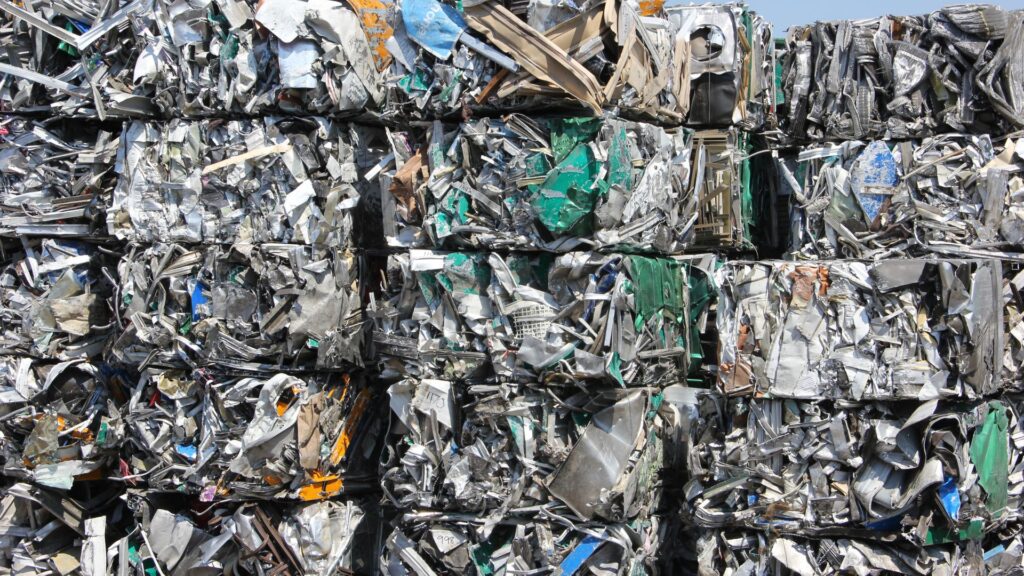
Buying and selling scrap metals can be rewarding when handled carefully. However, even experienced buyers and sellers sometimes make simple mistakes that reduce profits or create unnecessary delays. Many of these problems are avoidable with good planning, honest communication, and careful preparation. Understanding common mistakes helps you protect your investment while building stronger business relationships.
Whether you are dealing with factory scrap, demolition materials, marine vessels, industrial equipment, or household aluminum, every transaction deserves careful attention. Taking shortcuts may seem like a time saver, but small mistakes often become expensive later. A little preparation today can prevent major problems tomorrow.
Following aluminum metal prices is certainly important, but market value alone should never guide your decisions. Successful transactions depend on many factors working together, including quality, documentation, inspections, and trust.
Rushing Into a Deal Too Quickly
One of the biggest mistakes in scrap trading is making decisions too quickly. A low price may look attractive, but rushing often leads to costly surprises.
Take time to inspect the materials carefully before agreeing to any purchase or sale. Look beyond the surface and evaluate the overall condition of the scrap.
If you are buying industrial equipment or marine vessels, inspect important machinery, structural components, and electrical systems whenever possible.
Ask questions about the material’s history, ownership, and storage conditions. Honest sellers should be willing to provide useful information.
Comparing several offers also helps you understand current market conditions. Accepting the first proposal without research may prevent you from finding a better opportunity.
Patience usually leads to stronger decisions and more successful transactions.
Ignoring Material Quality
Price should never be the only consideration during a scrap transaction.
Clean, well-sorted materials usually provide greater value than mixed or contaminated scrap. Buyers appreciate materials that require less additional processing.
Inspect for excessive rust, dirt, plastic, rubber, wood, concrete, or chemical contamination. These materials may increase processing costs after purchase.
Different metals should also be identified correctly. Aluminum, copper, steel, brass, stainless steel, and cast iron all have different recycling values.
Incorrect identification sometimes results in unrealistic pricing expectations.
Good quality materials attract more buyer interest while creating smoother negotiations from beginning to end.
Remember that a slightly higher purchase price for cleaner scrap often produces better long-term returns.
Failing to Verify Documentation
Documentation protects everyone involved in a recycling transaction.
Always verify ownership before purchasing valuable materials. Proper documentation confirms that the seller has legal authority to complete the sale.
Review available inspection reports, inventory lists, and maintenance records whenever possible.
Marine vessels, factory equipment, and industrial facilities often require additional documentation before ownership changes.
Do not hesitate to request missing paperwork if important documents are unavailable.
Accurate records reduce misunderstandings while supporting smoother negotiations.
Professional buyers appreciate organized documentation because it simplifies approval processes and builds confidence.
Careful paperwork may not seem exciting, but it often prevents expensive legal problems later.
Overlooking Transportation Costs
Transportation is sometimes forgotten during early negotiations, yet it can significantly influence overall profitability.
Large industrial equipment often requires specialized lifting machinery before loading begins.
Marine vessels present unique logistical challenges depending on location, condition, and available port facilities.
Remote factory sites may require additional trucking before recyclable materials reach processing facilities.
Fuel prices, shipping schedules, customs procedures, and handling costs all influence final project expenses.
Understanding transportation requirements before completing a transaction helps avoid unexpected costs.
Good planning allows you to evaluate the true value of every recycling opportunity.
Depending Only on Local Buyers
Many sellers automatically contact nearby recycling companies without exploring additional options.
Local buyers certainly offer convenience, but they may not always provide the strongest opportunities.
Professional scrap connectors introduce suppliers to verified buyers across national and international markets.
Larger projects involving factories, marine vessels, or industrial plants often attract buyers from different countries.
Digital communication makes international discussions much easier than before. Photographs, videos, inventory lists, and inspection reports allow buyers to evaluate opportunities remotely.
Expanding your buyer network increases competition while creating additional opportunities.
Following aluminum metal prices also becomes more useful when comparing offers across different markets.
Poor Communication Creates Unnecessary Problems
Clear communication helps prevent many common transaction mistakes.
Provide honest descriptions of your available materials. Avoid exaggerating quantities or hiding damaged sections.
Respond promptly to emails and messages. Buyers appreciate timely communication because it keeps projects moving efficiently.
If delays occur, explain the situation immediately instead of remaining silent.
Video calls often improve understanding during discussions involving large recycling projects.
Professional communication also includes confirming important agreements in writing. Written records reduce confusion while protecting both parties.
Respectful communication builds trust that often leads to repeat business.
Forgetting to Monitor Market Trends
Recycling markets constantly change because supply and demand continue shifting throughout the year.
Some sellers focus only on today’s price without considering larger market movements.
Regularly monitoring industry trends helps you recognize stronger selling opportunities.
Construction activity, manufacturing output, transportation costs, and global trade all influence recycling markets.
Government policies and environmental regulations may also affect demand for recycled aluminum.
Following aluminum metal prices consistently gives you better insight into market direction instead of relying on occasional price checks.
Good market awareness supports smarter planning throughout every stage of the recycling process.
Building Trust Creates Better Transactions
Trust remains one of the most valuable assets in the recycling industry.
Buyers appreciate suppliers who consistently provide accurate information, organized documentation, and reliable communication.
Honoring inspection schedules, responding honestly, and fulfilling agreed commitments strengthen professional relationships over time.
Satisfied buyers often become repeat customers while recommending reliable suppliers to colleagues.
Likewise, trustworthy buyers create confidence for sellers planning future projects.
Long-term business relationships usually produce greater success than constantly searching for new trading partners.
Professional behavior helps your reputation grow with every completed transaction.
Careful Planning Leads to Better Results
The most successful scrap transactions rarely happen by accident. They result from careful preparation, accurate inspections, good communication, and informed decision-making. Avoiding common mistakes allows you to protect your investment while improving the overall success of every recycling project.
Instead of focusing only on the purchase price, consider material quality, transportation, documentation, buyer reliability, and long-term market conditions. These factors work together to determine the true value of every transaction.
Keeping track of aluminum metal prices remains an important part of the process, but it should never replace careful planning. The best opportunities often come from combining market knowledge with professional preparation and strong business relationships.
Whether you recycle factory machinery, construction materials, industrial equipment, marine vessels, or household aluminum, thoughtful planning helps you avoid unnecessary risks. Every successful transaction strengthens your experience, builds your reputation, and creates new opportunities for future growth.
In the recycling industry, mistakes can be costly, but they are often preventable. By staying informed, communicating openly, and preparing carefully, you position yourself for smoother transactions, stronger partnerships, and lasting success in the ever-growing world of aluminum recycling.
Using Digital Platforms to Source Materials
Finding quality scrap materials has become much easier thanks to digital technology. Years ago, buyers depended heavily on local contacts, phone calls, and word-of-mouth recommendations. Today, you can discover valuable recycling opportunities from almost anywhere in the world. Digital platforms have opened new doors for buyers, sellers, and recycling businesses looking to connect more efficiently.
Whether you are searching for factory scrap, marine vessels, industrial machinery, demolition materials, or aluminum products, online tools make the process faster and more organized. Instead of waiting for opportunities to appear, you can actively search for suppliers and build valuable business relationships across different countries.
Digital sourcing also helps you compare opportunities more carefully. You can review photographs, videos, documents, and inventory details before arranging inspections. At the same time, monitoring aluminum metal prices helps you evaluate whether a particular opportunity matches current market conditions.
Online Marketplaces Expand Your Options
One of the biggest advantages of digital platforms is the ability to reach more suppliers.
Online marketplaces connect buyers and sellers from different regions, allowing you to discover opportunities that may never appear in your local market. Instead of depending on a small network of contacts, you gain access to a much larger pool of available materials.
Many suppliers post detailed listings that include photographs, estimated quantities, material descriptions, and contact information. These details help you compare several opportunities before making inquiries.
Some platforms specialize in industrial equipment, while others focus on factory scrap, marine assets, demolition materials, or recyclable metals. Choosing the right platform saves time and improves search results.
You can also create alerts for specific materials. When new listings appear, the platform notifies you automatically. This feature helps you respond quickly to attractive opportunities before competitors do.
Digital marketplaces allow you to search smarter instead of harder.
Build Strong Supplier Relationships Online
Digital platforms are useful for more than finding materials. They also help you build lasting business relationships.
Many suppliers regularly update their online profiles with available inventory, completed projects, and company information. Following these updates keeps you informed about future opportunities.
Professional communication remains just as important online as it is in person. Respond politely, ask clear questions, and provide honest information about your requirements.
Video meetings create stronger connections before arranging physical inspections. Seeing the people behind the business builds confidence on both sides.
You should also maintain regular contact after completing successful transactions. A simple message or update helps strengthen long-term relationships.
Reliable suppliers often notify trusted buyers before advertising new projects publicly.
Building relationships through digital platforms creates opportunities that extend far beyond individual transactions.
Review Listings Carefully Before Contacting Sellers
Not every online listing provides the same level of information. Taking time to review details carefully helps you avoid unnecessary risks.
Start by reading the complete material description. Look for information about quantity, condition, location, ownership, and storage.
Examine photographs closely. High-quality images should show different angles and important details of the available materials.
If videos are available, watch them carefully. They often reveal useful information that photographs alone cannot provide.
Check whether supporting documents are mentioned. Ownership certificates, inspection reports, and inventory records add confidence during early discussions.
If important information is missing, prepare specific questions before contacting the seller.
Good preparation helps you identify serious opportunities while avoiding incomplete or misleading listings.
Use Market Information to Make Better Decisions
Digital platforms often provide more than listings. Many also include market news, industry updates, and pricing information.
Following these resources helps you understand changing market conditions before making purchasing decisions.
Global events, manufacturing activity, construction demand, transportation costs, and recycling trends all influence the value of recyclable metals.
Keeping track of aluminum metal prices helps you compare asking prices with current market conditions. This information supports stronger negotiations and smarter purchasing decisions.
Price trends also help you recognize seasonal opportunities. Sometimes waiting a short time before buying or selling may produce better results.
Well-informed buyers usually make more confident decisions because they understand the factors influencing market movements.
Knowledge becomes one of your strongest competitive advantages.
Verify Suppliers Before Doing Business
Digital convenience should never replace careful verification.
Before committing to any transaction, learn as much as possible about the supplier. Review their business profile, operating history, and available contact information.
Professional websites often provide useful background information about company services and completed projects.
Customer reviews and recommendations may also offer valuable insights into previous business relationships.
Request additional documentation whenever appropriate. Ownership records, inspection reports, and inventory lists help confirm the legitimacy of available materials.
Video calls also provide an opportunity to discuss projects directly while confirming important details.
Taking time to verify suppliers reduces unnecessary risks and builds stronger business confidence.
Digital Tools Simplify Communication
Modern communication tools make international sourcing much easier than ever before.
Email allows buyers and sellers to exchange photographs, technical documents, contracts, and inventory lists within minutes.
Cloud storage provides secure access to larger files that would otherwise be difficult to share.
Video conferencing supports virtual inspections before arranging travel. Buyers can ask questions while viewing materials in real time.
Translation software also improves communication between businesses speaking different languages.
Project management tools help organize inspection schedules, transportation plans, and document approvals.
These digital resources reduce delays while improving communication throughout every stage of the sourcing process.
Good communication often becomes one of the biggest reasons successful partnerships continue growing.
Stay Organized as Your Network Grows
As you begin working with more suppliers, organization becomes increasingly important.
Create simple records for each supplier you contact. Include company details, available materials, previous conversations, and completed transactions.
Store important documents in clearly labeled folders for quick access when needed.
Maintain notes about supplier reliability, communication quality, and material consistency. These observations help guide future purchasing decisions.
You can also organize suppliers by specialty. Some may focus on factory equipment, while others specialize in marine vessels or aluminum scrap.
Good organization saves time while helping you identify trusted partners quickly.
Strong recordkeeping becomes especially valuable as your business expands across multiple markets.
Digital Sourcing Creates Long-Term Opportunities
Digital platforms have transformed the way recyclable materials are bought and sold. Instead of relying only on local contacts, you can now connect with suppliers from different regions and even different continents. This wider network creates more opportunities while improving competition and material availability.
Using digital tools effectively involves more than simply browsing listings. Careful research, professional communication, supplier verification, and organized recordkeeping all contribute to successful sourcing. Combined with regular monitoring of aluminum metal prices, these practices help you make informed purchasing decisions.
Whether you are sourcing factory scrap, industrial machinery, demolition materials, marine equipment, or recyclable aluminum, digital platforms provide valuable advantages. They save time, improve communication, and open access to opportunities that were once difficult to discover.
As the recycling industry continues embracing technology, businesses that use digital platforms wisely will remain well positioned for future success. Every new connection has the potential to become a trusted partnership, helping you secure quality materials while building a stronger and more competitive recycling business.
Long-Term Growth of the Aluminum Scrap Market
The aluminum scrap market has grown steadily over the years, and its future looks even brighter. Around the world, businesses are searching for affordable and sustainable materials to support manufacturing. Recycled aluminum has become one of the most valuable resources because it combines excellent performance with environmental benefits. As industries continue expanding, the demand for aluminum scrap is expected to remain strong.
Many people once viewed aluminum scrap as simple waste. Today, manufacturers see it as an important raw material that helps reduce costs and conserve natural resources. This shift has created exciting opportunities for scrap owners, recycling companies, and international buyers alike.
Whether you collect aluminum from factories, construction sites, marine vessels, or household products, you are part of a growing industry. Keeping an eye on aluminum metal prices helps you understand market conditions while preparing for future opportunities.
Sustainability Is Driving Market Expansion
One of the biggest reasons behind the growth of the aluminum scrap market is sustainability.
Governments, manufacturers, and consumers all want cleaner production methods that reduce environmental impact. Recycling aluminum supports these goals by lowering energy use and conserving natural resources.
Producing aluminum from recycled materials requires much less energy than creating it from raw ore. Lower energy consumption also helps reduce greenhouse gas emissions.
Many companies now include recycled aluminum in their environmental strategies. Customers appreciate businesses that actively reduce waste while supporting responsible manufacturing.
Environmental regulations also encourage greater use of recycled materials across many industries.
As sustainability becomes even more important, recycled aluminum will continue playing a major role in global manufacturing.
This long-term trend supports healthy demand throughout the aluminum recycling industry.
Growing Industries Need More Aluminum
Several industries continue increasing their use of aluminum every year.
Construction companies rely on aluminum for roofing, windows, doors, curtain walls, structural systems, and architectural features.
Vehicle manufacturers use lightweight aluminum to improve fuel efficiency and electric vehicle performance.
The aerospace industry depends on aluminum because of its excellent strength and low weight. Aircraft manufacturers continue requiring large quantities of this versatile metal.
Renewable energy projects also create new demand. Solar panel frames, battery systems, and electrical infrastructure all contain aluminum components.
Packaging companies use aluminum for beverage cans, food containers, and protective packaging because it is lightweight and recyclable.
As these industries expand, demand for recycled aluminum grows alongside them.
Following aluminum metal prices helps you understand how industrial growth influences recycling opportunities.
Recycling Technology Continues Improving
Technology has transformed aluminum recycling over the past several years.
Modern sorting equipment separates aluminum from other recyclable materials with impressive speed and accuracy.
Advanced sensors identify different aluminum grades, reducing contamination and improving material quality.
Automated processing systems increase recovery rates while reducing manual labor.
Digital inventory tools also improve tracking throughout recycling operations. Buyers and sellers receive accurate information about available materials before completing transactions.
Artificial intelligence is beginning to assist with material identification and recovery planning.
These innovations improve efficiency while making recycled aluminum even more attractive to manufacturers.
Better technology supports higher-quality recycled materials that meet demanding industrial standards.
Global Trade Creates More Opportunities
The aluminum scrap market has become increasingly international.
Manufacturers often purchase recyclable aluminum from suppliers located in different countries. International trade helps satisfy growing demand when local supplies become limited.
Digital communication has made these connections much easier than before.
Photographs, videos, inspection reports, and inventory records allow buyers to evaluate materials before traveling.
Professional scrap connectors introduce suppliers to verified international buyers seeking dependable recycling partners.
Improved shipping networks also support smoother transportation between countries.
Global competition often creates additional opportunities for suppliers with high-quality recyclable materials.
Expanding your network beyond local markets helps you reach buyers who recognize the full value of your aluminum scrap.
The Circular Economy Supports Future Growth
The circular economy continues changing how industries manage valuable resources.
Instead of producing, using, and discarding materials, businesses now focus on keeping resources in continuous use.
Aluminum fits perfectly into this approach because it can be recycled repeatedly without losing its important qualities.
Manufacturers increasingly design products with future recycling in mind. Easier dismantling allows more aluminum to return to production after use.
Governments support circular economy initiatives through recycling programs and environmental regulations.
Consumers also encourage companies to adopt sustainable practices by choosing environmentally responsible products.
These combined efforts strengthen long-term demand for recycled aluminum.
Businesses participating in this movement position themselves for continued growth as recycling becomes even more important.
Smart Planning Helps You Benefit
Strong market growth creates opportunities, but preparation remains essential.
Keep your aluminum materials clean and organized before offering them for sale. Buyers usually prefer sorted scrap because it reduces processing costs.
Maintain accurate inventory records describing available quantities and material types.
Take clear photographs and prepare supporting documentation whenever possible. Professional presentations attract greater buyer confidence.
Stay informed about market conditions by monitoring aluminum metal prices regularly.
Compare offers from several buyers instead of accepting the first proposal.
Building relationships with reliable recycling companies and international buyers also improves long-term business opportunities.
Good preparation helps you benefit more effectively from future market growth.
Innovation Will Keep the Market Moving Forward
The aluminum recycling industry continues evolving through constant innovation.
Manufacturers invest in better production methods that increase demand for recycled materials.
Recycling companies improve recovery systems to process larger quantities with greater efficiency.
Digital platforms simplify communication between suppliers and buyers around the world.
Environmental regulations continue encouraging businesses to recycle more materials instead of relying solely on newly mined resources.
Research into advanced aluminum alloys may also create additional recycling opportunities in future industries.
As innovation continues, recycled aluminum will remain an essential resource across manufacturing, construction, transportation, and renewable energy.
Businesses that embrace these changes will likely enjoy stronger long-term success.
The Future Looks Bright for Aluminum Scrap
The aluminum scrap market is well positioned for continued growth. Expanding industries, stronger environmental awareness, modern recycling technology, international trade, and circular economy initiatives all support increasing demand for recycled aluminum.
Manufacturers appreciate recycled aluminum because it delivers excellent performance while reducing production costs and conserving valuable resources. Governments encourage recycling through sustainability programs, while consumers increasingly support environmentally responsible products.
Keeping track of aluminum metal prices helps you understand changing market conditions and identify attractive opportunities. Combined with careful planning and professional relationships, market knowledge becomes a valuable business advantage.
Whether you collect aluminum from industrial facilities, marine vessels, demolition projects, construction sites, or household products, your materials play an important role in the future of manufacturing. Every recycled aluminum component helps reduce waste while supporting cleaner production methods.
The road ahead offers exciting possibilities. Businesses that stay informed, invest in strong partnerships, and embrace innovation will be well prepared for the long-term growth of the aluminum scrap market. As demand continues rising across the world, recycled aluminum will remain one of the most valuable and sustainable materials in the global recycling industry.