

Recycling metal is one of the easiest ways you can protect the environment while creating value from unwanted materials. Every retired ship, old factory machine, damaged storage tank, or unused steel structure contains metals that deserve a second life. Instead of letting these materials rust away, recycling keeps them useful for many years. It also supports industries that need affordable raw materials for manufacturing.
Whether you own a retired marine vessel or manage an industrial facility, understanding recycling basics helps you make better decisions. You do not need to become a recycling expert overnight. Learning a few simple principles will help you recognize opportunities, avoid mistakes, and prepare your materials for successful collection and resale.
Why Metal Recycling Matters
Metal is one of the few materials that can be recycled repeatedly without losing much of its quality. Steel, aluminum, copper, brass, and stainless steel can all return to production after proper processing. This reduces the need for mining new resources and lowers energy consumption across many industries.
When you recycle metal, you also help reduce landfill waste. Large industrial equipment and marine vessels occupy valuable space if they remain unused for years. Recycling transforms these bulky assets into valuable raw materials for construction, manufacturing, transportation, and infrastructure projects.
The recycling process also creates jobs throughout the supply chain. Workers inspect materials, dismantle equipment, transport scrap, process metals, and manufacture new products. Every recycled shipment supports businesses that rely on recycled metals every day.
Understanding Different Types of Scrap Metal
Not every piece of metal has the same value. Learning the difference between metal types helps you understand why prices vary from one shipment to another.
Ferrous metals contain iron. These include structural steel, ship hulls, heavy machinery, pipelines, steel beams, and industrial equipment. They are magnetic and commonly found in marine and factory environments.
Non-ferrous metals do not contain significant amounts of iron. Copper wiring, aluminum panels, brass fittings, bronze components, lead, and stainless steel usually belong to this group. These metals often command higher market prices because they are widely used in electrical systems and specialized manufacturing.
Knowing these categories makes sorting easier before arranging a scrap metal pick up. Proper sorting often improves recycling efficiency and helps buyers evaluate materials more quickly.
Preparing Scrap Before Collection
Good preparation saves time for everyone involved. Before arranging collection, remove unnecessary waste that does not belong with the metal. Plastic, wood, rubber, glass, and hazardous materials should be separated whenever possible.
If you are recycling machinery or marine equipment, identify reusable components before dismantling everything. Some engines, pumps, generators, valves, and navigation equipment may still have resale value beyond their scrap weight.
Keep similar metals together whenever practical. Organized piles allow inspectors to estimate quantities more accurately and simplify loading operations. Buyers also appreciate clear organization because it speeds up the evaluation process.
Safety should always remain your first priority. Large industrial scrap and retired vessels contain heavy components that require proper lifting equipment. Never attempt to move oversized materials without suitable machinery and trained personnel.
The Role of Scrap Metal Pick Up
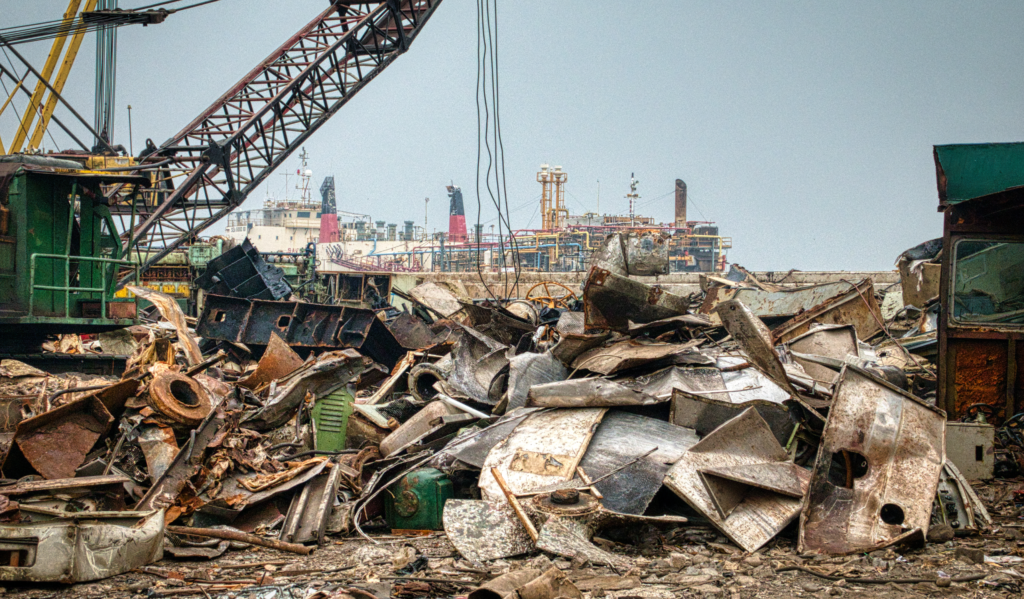
Many people focus only on selling scrap, but transportation is equally important. A professional scrap metal pick up service helps move materials safely from your site to recycling facilities or export locations.
Large projects often involve cranes, forklifts, trucks, barges, or specialized lifting equipment. Planning transportation early prevents unnecessary delays and reduces handling costs.
If your project includes heavy industrial machinery or marine vessels, accurate information makes collection much easier. Measurements, estimated weights, photographs, and equipment lists help buyers prepare suitable transportation before arriving.
Efficient planning also minimizes disruptions to your daily operations. Instead of moving materials several times, organized collection allows everything to leave your site in fewer loading cycles.
Common Mistakes You Can Avoid
Many scrap owners unintentionally reduce the value of their materials through simple mistakes. Fortunately, most problems are easy to prevent.
One common mistake is mixing different metals together. Copper mixed with steel or aluminum may require extra sorting later. Separate materials whenever possible to improve recycling efficiency.
Another mistake is allowing scrap to sit outdoors for many years without protection. While rust does not always destroy value, excessive exposure may damage certain materials and create unnecessary cleaning work.
Some owners also underestimate the importance of documentation. Large industrial projects and marine recycling transactions often require ownership records, inspection reports, or export documents. Preparing these papers early helps transactions move smoothly.
Waiting too long to organize your project can also increase costs. Early planning allows buyers to schedule inspections, estimate transportation needs, and coordinate a timely scrap metal pick up without unnecessary pressure.
Recycling Creates Opportunities
Recycling offers more than environmental benefits. It also creates opportunities for businesses to recover value from assets they no longer use. An old ship, dismantled factory, storage terminal, or processing plant can become a valuable source of recyclable materials.
Global demand for recycled metals continues because manufacturers need reliable supplies of steel, copper, aluminum, and other metals. Instead of viewing old equipment as waste, you can see it as a resource waiting for another purpose.
This growing demand also encourages stronger relationships between scrap owners and qualified buyers. Better communication helps both sides understand material quality, project size, transportation requirements, and expected timelines.
Digital technology has made this process much easier. Today, owners can share photos, inspection reports, inventories, and project details quickly. Buyers can evaluate opportunities faster and prepare suitable offers based on accurate information.
A Strong Start Leads to Better Results
Learning recycling basics gives you confidence before starting any marine or industrial scrap project. You understand how different metals are classified, why preparation matters, and how organized collection improves efficiency.
Every successful recycling project begins with simple planning. Organizing materials, preparing documentation, and scheduling a reliable scrap metal pick up create a smoother experience for everyone involved.
As global recycling continues to grow, informed scrap owners will enjoy better opportunities to recover value from retired assets. A little preparation today can save time, improve safety, and make your next recycling project far more successful. Whether you manage one vessel or an entire industrial facility, understanding the basics is always the first step toward smarter metal recycling.
Recoverable Marine Metals: Hidden Value Inside Retired Vessels
Retired ships are much more than floating steel structures. They contain many valuable metals that can be recovered, recycled, and used again. Whether you own an old cargo ship, fishing vessel, tugboat, tanker, or barge, you may be surprised by how much recyclable material is onboard. Understanding where these metals are located helps you make better decisions before arranging a scrap metal pick up.
Marine recycling supports both the environment and the economy. Instead of allowing vessels to deteriorate, recycling gives valuable materials another purpose. Every recovered metal reduces waste and helps manufacturers produce new products with fewer natural resources. That makes marine recycling a smart choice for both business and sustainability.
Steel Makes Up the Largest Share
Steel is the backbone of almost every marine vessel. It forms the hull, decks, bulkheads, frames, tanks, railings, and many structural supports. Because steel is strong and durable, it remains one of the most valuable materials recovered during ship dismantling.
Large commercial vessels can contain thousands of tons of recyclable steel. Even smaller workboats and fishing vessels hold impressive quantities. Once removed, the steel is cleaned, sorted, and sent to recycling facilities where it becomes raw material for new construction projects.
You can improve recovery by keeping steel separate from other materials whenever possible. Organized storage also makes inspections easier before scheduling a scrap metal pick up. Buyers appreciate well-prepared scrap because it reduces processing time after collection.
Copper Is Worth Looking For
Copper is one of the most valuable metals found on marine vessels. It appears throughout electrical systems because it carries electricity efficiently. You will often find copper inside electrical cables, wiring, switchboards, generators, transformers, and motors.
Older vessels sometimes contain large amounts of copper wiring. These systems may still hold significant recycling value after the ship reaches retirement. Marine engines also contain copper parts that should not be overlooked during dismantling.
Separating copper from mixed scrap often improves its value. Clean copper usually attracts stronger interest because buyers spend less time processing it. Careful dismantling also helps preserve the condition of valuable copper components.
If you manage a large vessel recycling project, identifying copper early can help buyers estimate material quantities more accurately before collection begins.
Aluminum Reduces Weight and Adds Value
Many modern ships use aluminum to reduce weight while maintaining strength. Aluminum commonly appears in superstructures, stairways, doors, windows, ladders, ventilation systems, deck fittings, and accommodation areas.
This lightweight metal resists corrosion very well, making it suitable for harsh marine environments. Aluminum also requires much less energy to recycle than producing new aluminum from raw ore. That makes recycling both environmentally friendly and economically attractive.
Keeping aluminum separate from steel helps improve recycling efficiency. Buyers often prefer clearly sorted loads because they simplify processing after a scrap metal pick up. Good organization also speeds up inspections and loading operations.
Stainless Steel Offers Long-Term Value
Stainless steel plays an important role throughout marine vessels. You can find it in handrails, kitchen equipment, piping systems, pumps, storage tanks, fasteners, and engine room components.
Its resistance to corrosion makes stainless steel ideal for life at sea. Even after many years of service, many stainless components remain in excellent condition. Some parts may even qualify for reuse before recycling becomes necessary.
Sorting stainless steel separately helps maintain its value. Mixing it with ordinary steel creates additional work during recycling. A little extra effort during dismantling often produces better results later.
Proper storage also protects stainless steel from contamination while waiting for collection. Clean materials usually simplify buyer inspections and improve processing efficiency.
Brass and Bronze Hide in Small Spaces
Brass and bronze may not appear in large quantities, but they are often valuable additions to marine recycling projects. These metals are commonly found in valves, propellers, bearings, pumps, bushings, plumbing fixtures, and navigation equipment.
Marine propellers made from bronze are especially valuable because of their durability. Some larger vessels contain heavy bronze propellers weighing several tons. These components deserve careful handling during dismantling.
Brass fittings are also common throughout older vessels. Their corrosion resistance makes them suitable for seawater applications. Identifying these materials before dismantling helps prevent accidental damage or loss.
When preparing for a scrap metal pick up, keeping brass and bronze together makes buyer evaluations faster and more accurate.
Lead Still Appears on Many Older Vessels
Lead is another recoverable material found on older marine vessels. It commonly appears in batteries, ballast systems, cable coverings, and certain protective shielding applications.
Because lead requires careful handling, it should always be removed safely by trained workers. Proper storage prevents environmental contamination while protecting workers during dismantling.
Although environmental regulations continue to evolve, recycled lead remains useful in battery manufacturing and other industrial applications. Responsible recycling helps reduce the need for new mining while keeping hazardous materials under control.
Planning ahead allows lead-containing materials to be identified before transportation begins. This improves safety during loading and simplifies project management.
Small Components Can Deliver Big Returns
Many vessel owners focus only on large steel structures. However, smaller components often contain valuable recyclable metals. Pumps, compressors, generators, anchors, chains, heat exchangers, electric motors, navigation systems, and hydraulic equipment all contribute to the overall recycling value.
Marine engines also contain significant quantities of recyclable metals. Cast iron, aluminum, copper, stainless steel, and brass all appear inside engine assemblies. Careful dismantling allows these materials to be recovered efficiently.
You should avoid rushing through equipment removal. A little extra attention often uncovers valuable components that might otherwise be overlooked. Every recovered item contributes to the total value of your recycling project.
Organized inventories also help buyers understand exactly what is available before arranging transportation.
Good Preparation Leads to Better Recovery
Successful marine recycling begins with good planning. Walking through the vessel before dismantling helps identify valuable materials and organize recovery activities. Photographs, equipment lists, and estimated metal quantities provide useful information during buyer discussions.
Keeping different metals separated improves recycling efficiency from the very beginning. Clean, organized materials simplify inspections and reduce processing after collection. That benefits both sellers and buyers throughout the recycling process.
Scheduling a professional scrap metal pick up becomes much easier when materials are properly prepared. Buyers can estimate transportation needs, loading equipment, and project timelines with greater confidence.
Every retired vessel tells a different story, but nearly all contain valuable metals waiting for a second life. By understanding what can be recovered, you place yourself in a stronger position to maximize value while supporting sustainable recycling. Whether your vessel is large or small, careful preparation today creates better opportunities for successful recycling tomorrow.
Logistics and Transportation: Moving Scrap the Smart Way
Moving marine and industrial scrap is much more than loading metal onto a truck. Good logistics help you save time, reduce costs, improve safety, and avoid unnecessary delays. Whether you are recycling a retired ship, factory equipment, or demolition scrap, planning transportation carefully makes every project run more smoothly. A well-organized scrap metal pick up is often the first step toward a successful recycling process.
Every project is different. Some involve a few tons of industrial scrap, while others include thousands of tons of steel from ships or manufacturing plants. Understanding how transportation works helps you prepare for both small and large recycling jobs.
Start with a Site Assessment
Every successful transport plan begins with a careful inspection of the site. Before moving any metal, you should understand what materials are available and where they are located. This simple step helps everyone prepare the right equipment and avoid surprises later.
Walk through your facility or vessel and record the different types of metals. Estimate their weight, dimensions, and condition. Large steel beams, heavy machinery, engines, and ship sections often require different handling methods than smaller metal components.
Take clear photographs from different angles. Images help buyers understand your project before visiting the site. Good photos also allow transportation companies to determine the equipment they may need during collection.
A detailed assessment makes scheduling a scrap metal pick up much easier because everyone knows what to expect before work begins.
Choosing the Right Transport Method
Not every load travels the same way. The best transportation method depends on the size, weight, and location of your scrap materials.
Smaller industrial scrap often moves by flatbed trucks or covered trailers. These vehicles work well for machinery, steel beams, pipes, and factory equipment. They are flexible and can access many industrial sites with ease.
Large marine projects require heavier equipment. Retired vessels, barges, and oversized ship components may need cranes, heavy-duty trailers, barges, or tugboats before reaching a recycling facility. Some projects even combine several transport methods during one operation.
International recycling projects may also involve container shipping or bulk cargo vessels. Once the scrap reaches a port, it continues its journey to recycling plants in other countries.
Selecting the proper transportation method helps reduce handling costs while improving safety throughout the project.
Preparing Scrap Before Collection
Good preparation saves valuable time on collection day. Organized materials allow loading crews to work faster and reduce delays during transportation.
Separate different metal types whenever practical. Steel, copper, aluminum, stainless steel, brass, and bronze should remain in clearly marked areas. This organization improves inspections and simplifies loading.
Remove unnecessary waste such as wood, plastic, rubber, insulation, and glass before transportation begins. Clean scrap loads are easier to process after arrival and often create a better impression during buyer inspections.
Large equipment should be disconnected safely before removal. Fluids, fuel, oils, and hazardous materials should be handled according to local regulations. This protects both workers and the environment.
Preparing your materials properly also allows a scrap metal pick up team to complete loading with fewer interruptions.
Equipment Makes the Difference
Heavy metal requires specialized equipment. Trying to move oversized scrap without proper machinery creates unnecessary risks.
Forklifts handle medium-sized loads efficiently inside factories and warehouses. Mobile cranes lift large machinery, steel structures, and ship components. Hydraulic excavators equipped with grapples can sort and load bulky scrap quickly.
Some recycling projects require cutting equipment before transportation. Large ship sections or industrial structures may be divided into smaller pieces for easier loading. This approach often reduces transport costs while improving road safety.
Professional operators understand how to balance heavy loads correctly. Proper lifting techniques protect equipment, reduce accidents, and prevent damage to valuable recyclable materials.
Choosing experienced operators also helps keep projects on schedule from beginning to end.
Timing Can Save You Money
Transportation costs often depend on timing. Planning your project early gives you more flexibility when arranging equipment and transportation.
Waiting until the last minute may limit your choices. Trucks, cranes, or barges may already be booked, especially during busy recycling seasons. Early planning helps you avoid unnecessary delays.
Weather also plays an important role. Heavy rain, strong winds, or rough sea conditions may affect loading schedules. Marine recycling projects especially benefit from monitoring weather forecasts before transportation begins.
Good communication with buyers allows everyone to coordinate inspections, loading dates, and shipment schedules. A well-planned scrap metal pick up reduces waiting time and keeps your project moving forward.
Documentation Keeps Everything Moving
Moving scrap is not only about physical transportation. Good paperwork keeps shipments moving without unnecessary interruptions.
Prepare ownership documents before collection begins. Buyers often need proof that the materials belong to the seller. This builds trust and prevents future disputes.
International shipments may require export permits, customs paperwork, inspection certificates, or shipping documents. Having these documents ready avoids delays at ports and border crossings.
Accurate inventories also help everyone involved. Listing equipment, metal types, estimated weights, and quantities improves planning for loading and transportation.
Keeping organized records creates smoother communication between scrap owners, logistics providers, and buyers throughout the recycling process.
Safety Should Always Come First
Safety remains the most important part of every recycling project. Large metal structures can shift unexpectedly if they are not secured properly during loading.
Workers should wear helmets, gloves, steel-toe boots, reflective clothing, and eye protection while handling scrap. Proper safety equipment reduces injuries and creates a more productive work environment.
Loading zones should remain free from unnecessary obstacles. Clear access routes allow trucks and heavy equipment to move safely around the site.
Heavy loads must also be secured carefully before transportation begins. Chains, straps, and locking devices help prevent movement while vehicles are in transit.
A safe loading operation protects workers, equipment, and valuable recyclable materials from avoidable damage.
Strong Communication Builds Better Results
Successful transportation depends on good communication between everyone involved. Scrap owners, buyers, inspectors, transport companies, and loading crews all need accurate information.
Share updates whenever project details change. Inform buyers about revised quantities, access conditions, or schedule adjustments as early as possible. Open communication helps everyone prepare accordingly.
Digital tools have made this process much easier. Photos, videos, drone footage, and inventory lists can be shared within minutes. Buyers can review materials remotely before arranging inspections or transportation.
This faster exchange of information supports better planning and reduces misunderstandings throughout the project.
Every Successful Project Starts with Good Logistics
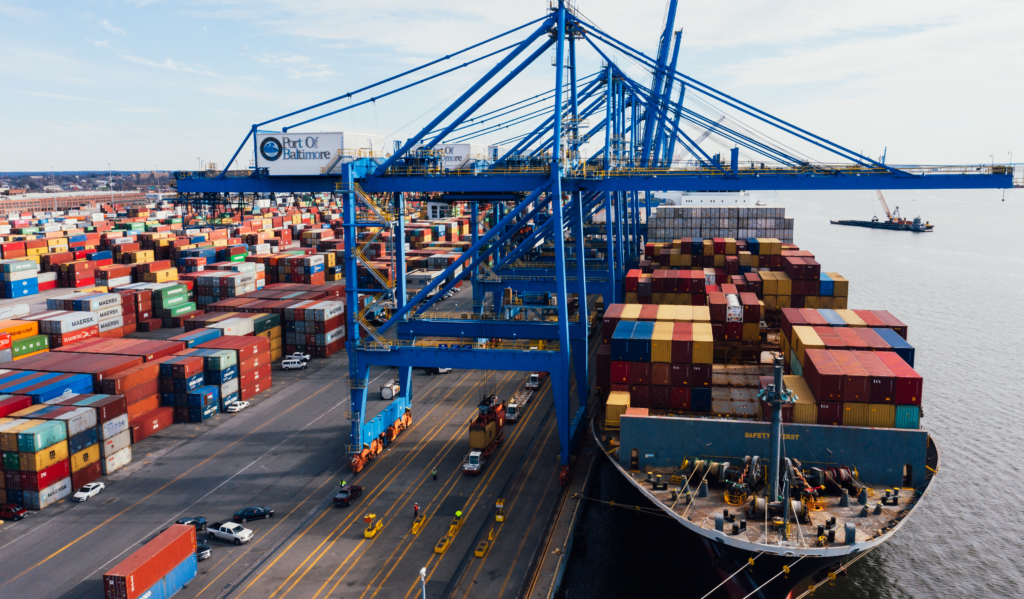
Good logistics turn complicated recycling projects into organized operations. Careful planning, proper equipment, safe loading, and clear communication all contribute to successful results.
Whether you are recycling a retired cargo ship, dismantling an industrial plant, or clearing heavy machinery, transportation deserves careful attention from the beginning. Preparing materials early and arranging a reliable scrap metal pick up helps reduce costs while improving efficiency.
When logistics work well, everyone benefits. Scrap owners enjoy smoother operations, buyers receive better-organized materials, and recycling facilities process shipments more efficiently. By understanding the basics of transportation, you place yourself in a stronger position for every future marine or industrial recycling project.
Buyer and Seller Coordination: The Key to Successful Scrap Deals
A successful scrap project depends on more than valuable metals. Good communication between buyers and sellers keeps everything moving in the right direction. Whether you are recycling a retired marine vessel or clearing industrial equipment, working together makes the process easier for everyone. Clear coordination reduces delays, avoids misunderstandings, and helps your scrap metal pick up happen on schedule.
Many recycling projects involve several people. Owners, buyers, inspectors, transport companies, and loading crews all play important roles. When everyone shares accurate information, the entire project becomes faster, safer, and more efficient.
Start with Clear Project Information
The first conversation often determines how smoothly the project will progress. You should provide accurate details about your scrap from the beginning. This saves time and helps buyers understand exactly what is available.
Start by describing the type of scrap you have. Is it a retired cargo ship, a fishing vessel, factory machinery, storage tanks, structural steel, or demolition materials? Include estimated quantities whenever possible.
Photographs also tell an important story. Clear images from different angles allow buyers to evaluate the condition of the materials before arranging an inspection. Videos can provide even more useful information for large marine or industrial projects.
Sharing honest information builds trust. Buyers appreciate transparency because it helps them prepare equipment, transportation, and pricing more accurately.
Accurate Inventories Improve Every Project
A detailed inventory makes buyer discussions much easier. Instead of guessing, you can present organized information about your available materials.
List the major components included in your project. Mention engines, generators, pumps, electrical systems, steel structures, piping, tanks, and other valuable equipment. If possible, estimate the quantity of each material.
Separating metals into categories also helps. Steel, copper, aluminum, stainless steel, brass, and bronze each have different recycling values. Organized inventories simplify inspections and reduce confusion later.
When buyers receive reliable information early, they can prepare suitable offers and schedule a scrap metal pick up with greater confidence.
Inspections Build Confidence
Most large recycling projects include a physical inspection before final agreements are made. Inspections allow buyers to verify the condition and quantity of the available materials.
You can make inspections easier by providing safe access to the site. Clear walkways, organized scrap piles, and visible equipment help inspectors complete their work efficiently.
Be ready to answer questions during the visit. Buyers may ask about ownership history, equipment condition, previous repairs, or dismantling plans. Honest answers help build stronger business relationships.
Inspections are not only about evaluating metal. They also allow both parties to discuss transportation requirements, loading equipment, and project timelines before work begins.
Communication Prevents Costly Mistakes
Many recycling delays happen because information was missing or misunderstood. Small misunderstandings can create large problems once transportation begins.
Stay in regular contact throughout the project. Inform buyers if quantities change, additional materials become available, or schedules need adjustment. Early communication allows everyone to adapt without unnecessary disruption.
Responding promptly to messages also improves cooperation. Quick replies keep planning moving forward and help avoid unnecessary waiting.
Modern technology makes communication easier than ever. Emails, messaging apps, video calls, and shared documents allow buyers and sellers to stay connected from almost anywhere in the world.
Good communication also makes arranging a scrap metal pick up much more efficient because everyone understands the agreed schedule.
Agree on Responsibilities Early
Every successful project benefits from clearly defined responsibilities. Buyers and sellers should understand who will handle each stage of the process before work begins.
Discuss who will arrange dismantling if required. Decide who provides cranes, forklifts, trucks, barges, or loading equipment. Clarify who manages transportation documents and permits if international shipping is involved.
You should also discuss inspection requirements and payment procedures before collection day. Clear agreements reduce confusion and help prevent unexpected costs.
When everyone understands their responsibilities, the project becomes much easier to manage from start to finish.
Timing Makes a Big Difference
Good timing keeps recycling projects running smoothly. Waiting too long to organize inspections or transportation may create unnecessary delays.
Try to prepare your documents, inventories, and photographs before contacting buyers. This allows discussions to move quickly toward inspections and pricing.
Coordinate loading schedules carefully with transportation providers. Trucks, cranes, and marine equipment often operate on tight schedules. Early planning helps secure suitable equipment when you need it.
Weather can also influence marine recycling projects. Strong winds or heavy rain may affect loading operations. Flexible planning allows everyone to respond to changing conditions without unnecessary stress.
Proper scheduling also ensures your scrap metal pick up takes place safely and efficiently.
Trust Creates Long-Term Partnerships
Many successful recycling businesses work with the same buyers and sellers for years. Strong relationships often begin with one well-managed project.
Honesty plays a major role in building trust. Accurate descriptions, realistic expectations, and transparent communication encourage future cooperation.
Respect also matters. Answer questions politely, share updates regularly, and keep your commitments whenever possible. Small actions often create lasting professional relationships.
Reliable sellers become preferred partners because buyers know what to expect. Likewise, dependable buyers often receive early opportunities when new scrap projects become available.
These long-term partnerships create smoother negotiations and reduce uncertainty for future transactions.
Digital Tools Make Coordination Easier
Technology has transformed the recycling industry. Today, buyers and sellers can exchange information much faster than ever before.
You can share drone images of large industrial sites, videos of retired vessels, equipment inventories, inspection reports, and technical drawings within minutes. This allows buyers to review projects before traveling.
Digital spreadsheets also simplify inventory management. Everyone can review material quantities and equipment lists using the same information.
Location sharing improves transportation planning as well. Drivers and logistics teams can identify site access points before arriving for collection.
These tools support better coordination and help organize every stage of the recycling process.
Everyone Benefits from Better Coordination
Successful recycling depends on teamwork. Scrap owners provide valuable materials, buyers supply market access, and logistics companies move everything safely. When each participant communicates clearly, the entire project becomes more productive.
Good coordination reduces delays, improves safety, simplifies inspections, and creates a better experience for everyone involved. It also helps organize a timely scrap metal pick up, allowing recyclable materials to move efficiently into the next stage of processing.
Whether you manage a single vessel or a large industrial facility, strong buyer and seller coordination will always give your project a better chance of success. Clear communication, careful planning, and mutual trust transform complex recycling projects into smooth, professional operations that benefit both sides while supporting a stronger global recycling industry.