
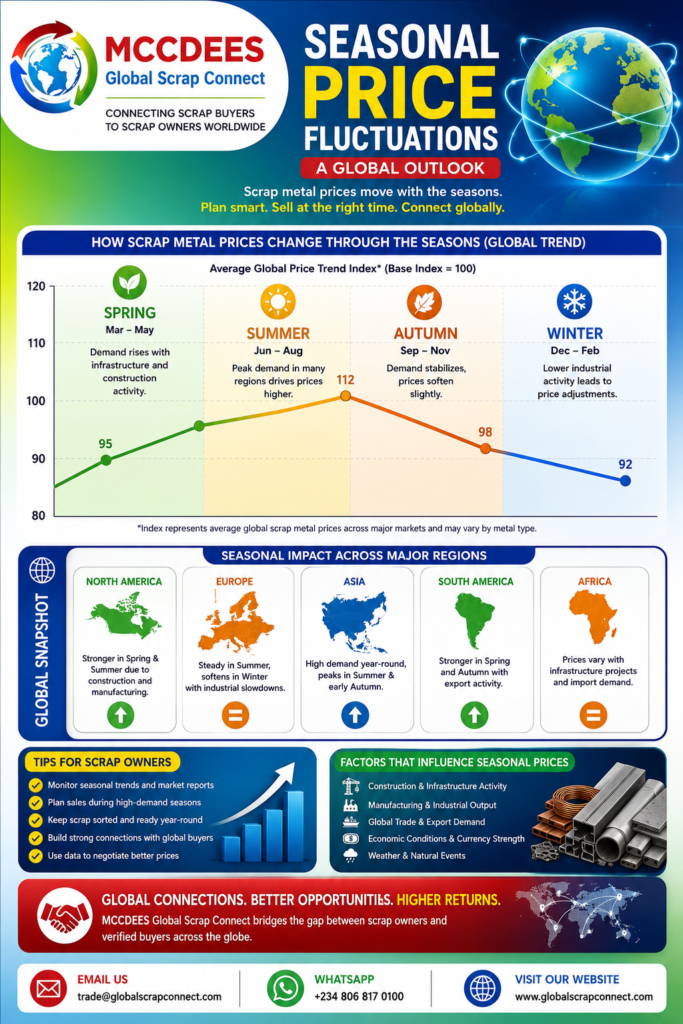
If you have ever searched for prices for scrap metal near me, you may have noticed that prices are not the same everywhere. One city may offer higher prices than another. One country may experience strong demand while another sees slower activity. These differences are completely normal because scrap markets respond to many local and global factors.
Understanding regional scrap markets helps you make better selling and buying decisions. It also gives you a clearer picture of why prices change from place to place. Instead of accepting the first offer you receive, you can compare opportunities and choose the best option for your materials.
Whether you recycle household scrap, construction equipment, factory machinery, or marine vessels, knowing how different markets work can improve your results. A little research today may lead to better opportunities tomorrow.
Local Markets Often Reflect Local Demand
Your local market usually responds to nearby industries.
Cities with active construction projects often need large amounts of recycled steel.
Manufacturing centers may create strong demand for copper and aluminum.
Areas with many recycling facilities often process scrap more quickly.
On the other hand, smaller communities may have fewer buyers competing for available materials.
This can affect local pricing.
When you search for prices for scrap metal near me, remember that nearby demand plays a major role.
Local conditions influence what buyers are willing to pay.
Knowing your area’s major industries helps you understand these price differences.
Industrial Regions Usually Handle Larger Volumes
Industrial regions often process much larger quantities of recyclable materials.
Factories, warehouses, manufacturing plants, and construction companies generate steady supplies of scrap.
Because volumes remain high, buyers usually invest in modern equipment and larger recycling facilities.
Higher competition sometimes creates better opportunities for sellers.
Large projects may also attract buyers from different regions.
Industrial markets often move materials quickly through the recycling chain.
That efficiency helps support consistent business activity.
If your project involves heavy equipment or factory scrap, industrial regions may offer additional selling opportunities.
Coastal Areas Support Marine Recycling
Ports and coastal cities often play an important role in scrap recycling.
Retired ships, barges, offshore equipment, and marine machinery create valuable recycling opportunities.
Steel forms the largest portion of most vessels.
Copper wiring, aluminum structures, brass fittings, and bronze propellers also contribute significant value.
Marine recycling attracts buyers from around the world.
As a result, coastal markets sometimes experience different pricing trends than inland regions.
Understanding local marine activity helps explain these market differences.
It also broadens your view beyond simple prices for scrap metal near me searches.
International Markets Influence Local Prices
Even if you only sell locally, global markets still affect your business.
Steel manufacturers, construction companies, and industrial producers around the world purchase recycled metals.
When international demand increases, local buyers may compete more aggressively for available scrap.
Likewise, slower global manufacturing may reduce buying activity.
Shipping costs, fuel prices, and international trade also influence recycling markets.
These factors often affect prices long before sellers notice local changes.
Following international trends helps you understand why market conditions shift.
Global demand eventually reaches local recycling yards.
Transportation Costs Matter
Distance plays a bigger role than many people expect.
Transporting heavy scrap costs money.
If buyers must move materials long distances, transportation expenses reduce overall profitability.
Recycling facilities located closer to suppliers often enjoy lower transport costs.
Those savings sometimes allow buyers to offer more competitive prices.
Large industrial projects may require specialized transport equipment.
Planning efficient logistics helps reduce unnecessary expenses.
Transportation remains one of the key factors influencing regional market differences.
Competition Creates Better Opportunities
Healthy competition benefits both buyers and sellers.
Regions with many recycling companies often create more pricing options.
Several buyers competing for quality materials may improve offers.
Competition also encourages better customer service.
Companies work harder to provide reliable collection, accurate weighing, and professional communication.
In areas with limited competition, sellers may receive fewer offers.
Comparing multiple buyers always provides valuable insight.
Research helps you make informed decisions before accepting an offer.
Different Metals Perform Differently
Not every metal follows the same market pattern.
Steel often depends on construction and manufacturing activity.
Copper responds strongly to electrical, energy, and technology industries.
Aluminum demand grows through transportation and packaging industries.
Brass, stainless steel, and bronze each follow their own market conditions.
Regional industries influence which metals receive stronger local demand.
Understanding these differences improves your ability to evaluate opportunities.
Looking beyond prices for scrap metal near me gives you a broader understanding of market trends.
Knowledge helps you recognize stronger selling opportunities.
Stay Informed Throughout the Year
Scrap markets change regularly.
Construction seasons, manufacturing activity, infrastructure projects, and economic growth all influence recycling demand.
Following industry news helps you stay informed.
Market reports often explain why prices rise or fall.
Talking with experienced recyclers also provides useful local insight.
Learning about market trends helps you plan future sales more effectively.
Good information supports better decisions throughout the year.
Staying informed reduces surprises when market conditions change.
Build Relationships Across Different Markets
Strong business relationships open new opportunities.
Working with buyers in different regions expands your options.
Professional relationships often provide early information about market changes.
Trusted buyers may also recommend opportunities in neighboring regions.
Reliable communication strengthens long-term partnerships.
Expanding your network increases flexibility during changing market conditions.
Sometimes the best opportunity comes from outside your immediate area.
Building connections creates valuable options for future recycling projects.
Regional Knowledge Helps You Sell Smarter
Comparing regional scrap markets gives you a stronger understanding of the recycling industry. Every location has unique strengths, influenced by local industries, transportation, competition, and global demand. Learning how these factors work together helps you make better decisions whenever you buy or sell recyclable materials.
Whether you recycle construction machinery, factory equipment, marine vessels, demolition materials, or household scrap, taking time to compare markets can improve your results. Looking beyond a simple search for prices for scrap metal near me helps you understand why prices change and where better opportunities may exist.
The next time you prepare a recycling project, spend a little extra time researching regional markets. That small effort can lead to stronger negotiations, better planning, and more rewarding recycling experiences. Knowledge remains one of your most valuable tools, helping you make confident decisions while supporting a smarter and more sustainable recycling industry.
Export Opportunities for Scrap Owners
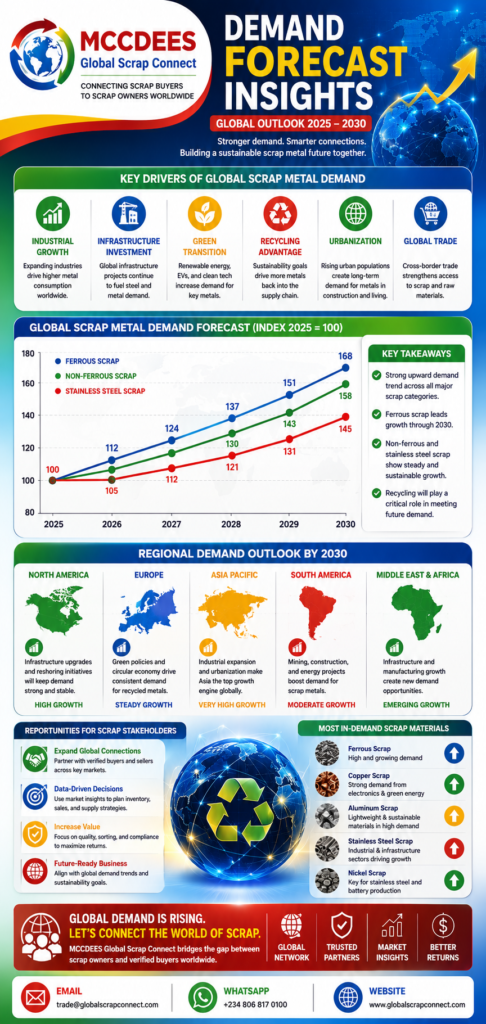
Many scrap owners focus only on local buyers. While selling nearby is often convenient, it is not the only option. Exporting scrap metal can open the door to larger markets, more buyers, and new business opportunities. Around the world, manufacturers and recycling companies rely on imported scrap to support steel production and metal manufacturing.
If you own large quantities of scrap, exploring export opportunities may be worth your time. Construction machinery, factory equipment, marine vessels, industrial plants, and demolition materials often contain valuable metals that attract international interest. With proper planning, you can connect with buyers far beyond your local area.
Searching online for prices for scrap metal near me is a useful starting point, but local prices only tell part of the story. International markets sometimes offer different opportunities depending on demand, transportation costs, and recycling capacity.
Why Global Buyers Need Scrap Metal
Many countries consume more recycled metal than they produce.
Growing industries require steady supplies of steel, copper, aluminum, brass, and stainless steel.
Some nations have limited local scrap availability.
Others choose imported materials because they support expanding manufacturing sectors.
Recycled metal helps reduce production costs while protecting natural resources.
Steel mills, foundries, and manufacturers often purchase scrap from international suppliers.
This creates valuable opportunities for scrap owners with larger inventories.
Understanding global demand helps you see opportunities beyond your local market.
Know What Materials Export Well
Not every type of scrap attracts the same level of international interest.
Steel remains one of the most traded recyclable metals worldwide.
Copper also enjoys strong demand because of its excellent electrical properties.
Aluminum continues growing in popularity thanks to its lightweight design and recycling efficiency.
Brass, stainless steel, bronze, and specialty alloys also interest many overseas buyers.
Marine vessels, industrial machinery, construction equipment, and factory scrap often contain large amounts of these valuable materials.
Knowing what you have helps you identify suitable export markets.
Prepare Scrap Before Offering It Overseas
Preparation improves every export opportunity.
Separate different metal types before buyers inspect your materials.
Remove unnecessary waste such as plastic, rubber, wood, and glass whenever possible.
Organize materials into clearly identified groups.
Take high-quality photographs showing overall condition and important details.
Prepare an inventory listing estimated quantities and metal types.
Well-prepared scrap creates confidence among international buyers.
Good organization also simplifies inspections and loading procedures.
Professional preparation helps your materials stand out in competitive markets.
Understand Export Documentation
International transactions require proper paperwork.
Ownership documents confirm that you have the legal right to sell your materials.
Inspection reports provide useful information about quality and condition.
Shipping documents help goods move through ports efficiently.
Commercial invoices, packing lists, and export declarations may also become necessary.
Requirements vary depending on the destination country.
Keeping documents organized saves valuable time throughout the export process.
Good paperwork builds confidence between buyers and sellers.
Transportation Is Part of the Plan
Moving scrap internationally requires careful planning.
Heavy machinery, marine vessels, factory equipment, and industrial scrap often need specialized transportation.
Some shipments travel in containers.
Others move as bulk cargo depending on quantity and material type.
Choose transport companies experienced in handling recyclable materials.
Good logistics reduce delays while protecting valuable cargo.
Careful loading also minimizes damage during long-distance transportation.
Planning transportation early keeps projects moving smoothly.
Compare Local and International Markets
Many sellers begin by searching for prices for scrap metal near me.
This provides useful information about nearby buying conditions.
However, international demand may create different opportunities.
Sometimes overseas buyers need materials that local markets already have in abundance.
At other times, local buyers may offer stronger prices because transportation costs remain lower.
Comparing both options helps you make informed decisions.
Never assume one market is always better than another.
Good research supports smarter business choices.
Build Relationships with Trusted Buyers
Finding reliable buyers is one of the most important parts of exporting.
Professional buyers communicate clearly and provide transparent purchasing procedures.
They answer questions honestly and explain inspection requirements.
Long-term business relationships often create repeat opportunities.
Reliable buyers also recommend trustworthy logistics companies and inspection services.
Building trust takes time, but the rewards are significant.
Strong partnerships reduce uncertainty while supporting smoother transactions.
Professional relationships remain valuable long after one shipment is complete.
Follow Market Trends
Global recycling markets change throughout the year.
Construction activity, manufacturing growth, shipping demand, and economic conditions all influence recycling prices.
Reading industry reports helps you understand these trends.
Monitoring international demand allows you to recognize favorable selling periods.
Market knowledge also improves negotiation confidence.
Well-informed sellers usually make stronger business decisions.
Learning about global recycling trends broadens your understanding of export opportunities.
Knowledge often becomes your greatest competitive advantage.
Think Beyond One Shipment
Successful exporting is rarely about one transaction.
Every completed shipment creates experience for future opportunities.
Keep records of buyers, transport companies, inspections, and completed sales.
Review what worked well and identify areas for improvement.
Strong organization helps future projects become even more efficient.
Repeat business often develops naturally when buyers receive quality materials and professional service.
Long-term planning creates lasting business growth.
Every successful shipment strengthens your international reputation.
Exporting Opens New Possibilities
Export opportunities allow scrap owners to reach buyers far beyond their local communities. Instead of relying on one market, you gain access to industries around the world that depend on recycled materials. Steel, copper, aluminum, brass, stainless steel, and other metals all play important roles in global manufacturing.
Although searching for prices for scrap metal near me remains useful, expanding your perspective often reveals additional opportunities. Comparing local and international markets helps you understand where your materials may deliver the greatest value.
Whether you recycle marine vessels, construction machinery, factory equipment, demolition materials, or industrial scrap, careful preparation improves every stage of the export process. Accurate documentation, organized materials, reliable transportation, and trusted buyer relationships all contribute to successful international transactions.
The next time you prepare a large recycling project, consider looking beyond your local market. Exporting may introduce you to new buyers, stronger business relationships, and exciting opportunities that support both your business and the global recycling industry. With thoughtful planning and steady communication, your scrap can travel far while creating lasting value around the world.
Future Recycling Industry Trends
The recycling industry continues to grow every year. New technology, changing customer needs, and stronger environmental awareness are shaping the future of metal recycling. What worked ten years ago may look very different in the years ahead. That is exciting news because innovation creates better opportunities for both buyers and sellers.
Whether you recycle construction machinery, factory equipment, marine vessels, household scrap, or industrial materials, understanding future trends helps you stay prepared. You do not need to predict every market change. However, knowing the direction of the industry helps you make smarter decisions over time.
Many people search online for prices for scrap metal near me before selling their materials. While that search remains useful, tomorrow’s recycling industry will depend on much more than local prices. Technology, sustainability, global demand, and better logistics will all play important roles.
Technology Will Continue Improving Recycling
Modern recycling facilities already use impressive equipment.
Powerful magnets separate steel automatically.
Optical scanners identify different materials with remarkable accuracy.
Hydraulic shears process thick steel quickly and safely.
Industrial shredders prepare scrap for efficient recycling.
In the future, even smarter technology will improve these processes.
Artificial intelligence may help identify metals faster.
Automation will reduce manual handling while increasing processing speed.
Better equipment allows recyclers to recover more valuable materials from every load.
Technology continues making recycling safer, cleaner, and more efficient.
Digital Tools Will Make Business Easier
Paper records are gradually giving way to digital systems.
Online inventories help buyers review available materials before visiting a site.
Digital photographs simplify inspections.
Cloud storage keeps important documents safe and easy to access.
Mobile applications already allow sellers to request quotations quickly.
Future digital platforms may connect buyers and sellers even faster.
You could compare offers from several companies within minutes.
Although many people still search for prices for scrap metal near me, digital marketplaces may provide broader pricing information across different regions.
Technology will make recycling more convenient for everyone.
Sustainability Will Become Even More Important
Environmental responsibility continues growing across every industry.
Governments, manufacturers, and consumers increasingly support sustainable business practices.
Recycling helps reduce mining, lowers energy use, and decreases landfill waste.
Future recycling facilities will likely adopt cleaner equipment and lower-emission operations.
Renewable energy may power more recycling plants.
Improved waste management systems will reduce pollution further.
Companies demonstrating strong environmental responsibility may attract more customers.
Sustainability is becoming both a business advantage and an environmental necessity.
Global Trade Will Continue Expanding
Recycled metals travel across international markets every day.
Steel, copper, aluminum, brass, and stainless steel support manufacturers around the world.
Growing industries will continue increasing demand for quality recycled materials.
Improved shipping networks may create additional export opportunities.
International buyers will likely seek stronger partnerships with reliable suppliers.
Global communication also becomes easier every year.
Expanding markets create exciting opportunities for recycling businesses willing to think beyond local boundaries.
International cooperation strengthens the entire recycling industry.
Better Material Sorting Will Increase Value
Future recycling depends heavily on cleaner materials.
Sorting technology continues improving every year.
Advanced scanners already recognize different metal types with impressive precision.
More accurate sorting produces higher-quality recycled materials.
Manufacturers appreciate consistent material quality because it improves production efficiency.
Sellers also benefit from better preparation.
Separating steel, copper, aluminum, brass, and stainless steel before collection remains one of the simplest ways to improve recycling value.
Clean materials will always remain attractive to buyers.
Electric Vehicles Will Create New Opportunities
The growing popularity of electric vehicles brings exciting recycling opportunities.
Electric cars contain valuable metals inside batteries, electrical systems, and lightweight components.
As these vehicles reach retirement, recycling companies will recover increasing amounts of useful materials.
Specialized battery recycling will become even more important.
Copper, aluminum, steel, and other valuable materials will continue supporting future manufacturing.
Preparing for these changes helps recycling businesses remain competitive.
New technologies always create new opportunities for skilled recyclers.
Smart Data Will Improve Decision Making
Good information supports better business decisions.
Future recycling companies will rely more heavily on accurate data.
Digital inventory systems will track materials more efficiently.
Market analysis tools will identify pricing trends more quickly.
Transportation planning software will improve logistics.
Even small recycling businesses can benefit from organized information.
Instead of relying only on prices for scrap metal near me, sellers may compare wider market trends before making decisions.
Better data helps everyone work more efficiently.
Customer Expectations Will Continue Rising
Modern customers expect professional service.
They want clear communication, accurate information, and transparent pricing.
Fast responses and reliable scheduling are becoming standard expectations.
Companies investing in customer service will stand out from competitors.
Digital communication also allows buyers and sellers to stay connected more easily.
Professional relationships become stronger through trust and reliability.
Excellent customer service will remain one of the industry’s greatest competitive advantages.
Satisfied customers often become long-term business partners.
Learning Will Always Be Valuable
The recycling industry never stands still.
New technologies, regulations, and market conditions continue changing every year.
Taking time to learn helps you stay competitive.
Read industry news regularly.
Attend recycling events whenever possible.
Speak with experienced professionals.
Observe how successful companies operate.
Every new skill strengthens your ability to recognize opportunities.
Continuous learning supports both personal development and business growth.
Knowledge remains one of your strongest investments.
The Future Looks Bright for Recycling
The future of the recycling industry is filled with opportunity. Better technology, stronger environmental awareness, improved logistics, and expanding global markets will continue changing how recyclable materials move through the economy. These developments create exciting possibilities for buyers, sellers, and recycling companies alike.
Although many people still begin by searching for prices for scrap metal near me, successful recycling will increasingly depend on preparation, technology, sustainability, and strong business relationships. Staying informed helps you adapt as new trends emerge.
Whether you recycle construction machinery, factory equipment, marine vessels, demolition materials, or household scrap, understanding future industry trends puts you in a stronger position. Every improvement in technology, communication, and environmental responsibility helps valuable metals remain in circulation instead of becoming waste.
The next time you prepare a recycling project, remember that you are participating in an industry with tremendous potential. By embracing innovation, continuing to learn, and following responsible recycling practices, you help build a future where valuable resources are used wisely, businesses grow stronger, and the environment benefits for generations to come.
Connecting Global Supply with Demand
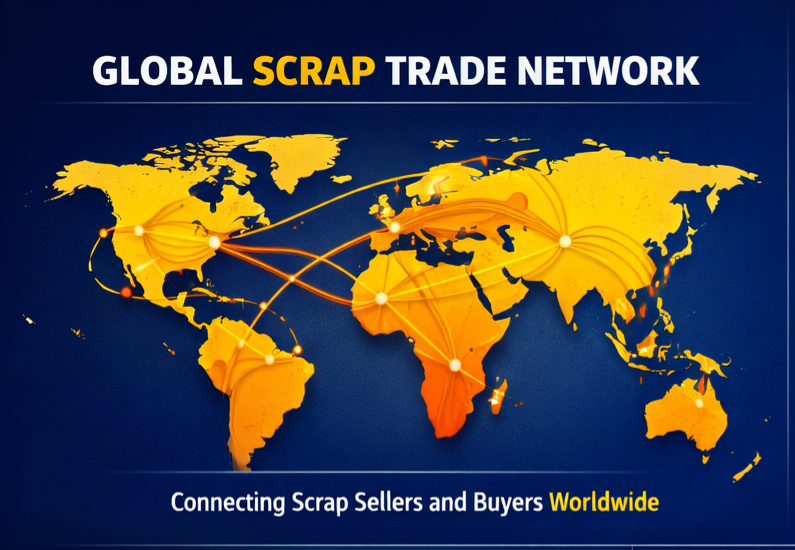
The recycling industry depends on one important goal. Valuable scrap should reach the buyers who need it most. That may sound simple, but connecting global supply with demand takes planning, communication, and trusted partnerships. Every day, scrap moves across cities, countries, and continents to support manufacturing, construction, and industrial production.
Many scrap owners have valuable materials but struggle to find the right buyers. At the same time, manufacturers often search for reliable suppliers who can deliver consistent quantities. Bringing both sides together creates opportunities for everyone involved. Sellers gain access to larger markets, while buyers secure the materials they need.
If you have ever searched online for prices for scrap metal near me, you already know that local prices can vary. Looking beyond your immediate area may reveal additional opportunities where demand is stronger and buyers are willing to pay more for quality materials.
Understanding the Global Scrap Market
The scrap metal industry is truly international.
Steel mills, manufacturers, foundries, and recycling companies operate in countries around the world.
Many industries depend on recycled metals because they reduce production costs and protect natural resources.
Some countries produce more scrap than they can use.
Others require imported materials to support growing industries.
This creates a continuous flow of recyclable metals across international markets.
Every shipment helps connect supply with demand.
Understanding these global connections gives you a broader view of recycling opportunities.
Supply Begins with Scrap Owners
Every recycling project starts with someone who owns recyclable materials.
Construction companies, factories, ship owners, demolition contractors, farms, and manufacturing businesses all generate valuable scrap.
Households also contribute by recycling appliances, vehicles, and household equipment.
Many owners focus only on nearby buyers.
However, larger quantities often attract attention from regional and international markets.
Knowing what materials you have allows buyers to evaluate opportunities more quickly.
Well-prepared inventories make the sourcing process much easier.
Every organized seller strengthens the recycling supply chain.
Demand Comes from Growing Industries
Recycled metals remain essential for modern manufacturing.
Construction companies need steel for buildings and infrastructure.
Electrical manufacturers require copper for wiring and equipment.
Vehicle manufacturers depend on aluminum because it reduces weight.
Factories also use brass, stainless steel, and other recycled metals.
As industries expand, demand for recyclable materials continues growing.
Manufacturers value consistent quality and reliable supply.
Meeting this demand requires strong cooperation between suppliers and buyers.
A dependable recycling network benefits everyone involved.
Good Information Builds Better Connections
Accurate information creates confidence throughout the recycling process.
Buyers want to know exactly what materials are available.
Prepare clear inventories showing metal types, quantities, and general condition.
Take photographs from several angles.
Provide ownership documents whenever necessary.
Well-organized information allows buyers to make faster decisions.
It also reduces unnecessary questions during negotiations.
Professional communication builds trust from the beginning.
Good information supports stronger business relationships.
Logistics Keep Materials Moving
Finding buyers is only part of the process.
Materials must also reach their destination safely.
Transportation planning plays an important role in connecting supply with demand.
Heavy machinery, industrial equipment, marine vessels, and oversized steel structures require specialized transport.
Efficient logistics reduce delays while protecting valuable materials.
Good planning also lowers transportation costs.
Reliable logistics help buyers receive materials on schedule.
Every successful shipment strengthens confidence throughout the recycling chain.
Technology Makes Connections Easier
Modern technology continues transforming the recycling industry.
Online marketplaces introduce buyers and sellers from different countries.
Digital inventories allow buyers to review available materials before inspections.
Video calls simplify early discussions.
Electronic documents speed up international communication.
Technology reduces the distance between suppliers and buyers.
Although many people still search for prices for scrap metal near me, digital platforms now provide access to much wider markets.
Technology continues creating exciting opportunities for global recycling businesses.
Build Long-Term Partnerships
Successful recycling depends on strong business relationships.
Reliable buyers appreciate honest suppliers who provide accurate information.
Professional sellers value buyers who communicate clearly and honor agreements.
Long-term partnerships reduce uncertainty during future projects.
They also create repeat business opportunities.
Strong relationships often lead to referrals and expanded networks.
Trust develops through consistent communication and reliable performance.
Building lasting partnerships benefits everyone throughout the recycling industry.
Quality Always Matters
High-quality materials attract stronger buyer interest.
Separate different metals before collection whenever possible.
Remove unnecessary plastic, rubber, wood, and other contaminants.
Store materials carefully to reduce corrosion.
Well-prepared scrap moves through inspections much faster.
Buyers appreciate organized shipments because processing becomes easier.
Higher-quality materials strengthen supplier reputations.
Consistent quality supports long-term success in competitive recycling markets.
Small improvements during preparation often create valuable advantages.
Stay Informed About Market Changes
Recycling markets continue changing throughout the year.
Manufacturing activity, shipping costs, construction demand, and economic conditions all influence buying behavior.
Following market news helps you recognize new opportunities.
Learning about international demand broadens your understanding beyond local markets.
Comparing information with prices for scrap metal near me helps you evaluate both local and global opportunities.
Well-informed sellers usually make stronger business decisions.
Knowledge supports better planning and more confident negotiations.
Strong Connections Create Better Opportunities
Connecting global supply with demand creates benefits that extend far beyond individual transactions. Scrap owners gain access to more buyers, while manufacturers secure the recycled materials needed for future production. Every successful connection supports cleaner manufacturing, stronger businesses, and more efficient use of valuable resources.
Although many recycling projects begin with a search for prices for scrap metal near me, the biggest opportunities often come from understanding the wider market. Looking beyond your local area helps you discover buyers, industries, and partnerships that may offer greater long-term value.
Whether you recycle construction machinery, factory equipment, marine vessels, demolition materials, or household scrap, building strong global connections helps every project succeed. Careful preparation, reliable communication, quality materials, and efficient logistics all contribute to stronger supply chains.
The future of recycling depends on bringing the right materials to the right buyers at the right time. By understanding how global supply and demand work together, you place yourself in a stronger position to grow your business, improve your recycling results, and contribute to a more sustainable world where valuable metals continue serving industries for generations.