
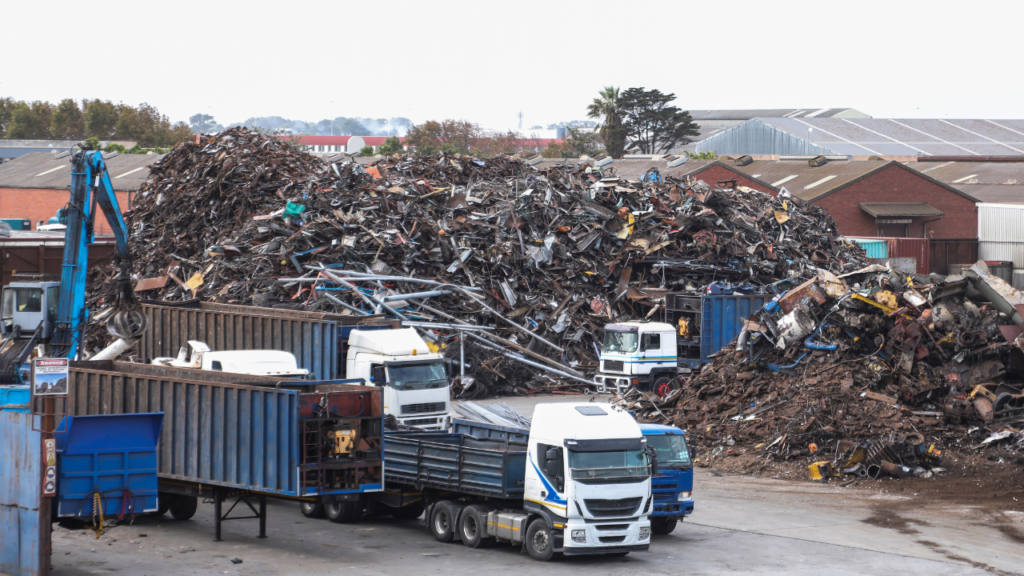
Selling scrap beyond your local market can open exciting business opportunities. Many manufacturers around the world depend on recycled metals to support production. If your materials in scrap metal recycling yard meet quality expectations, they may attract buyers from different countries instead of only nearby recycling companies. Preparing scrap for overseas markets requires careful planning, but the effort is often worthwhile.
International buyers expect organized shipments, accurate information, and consistent material quality. They also want suppliers who understand proper handling, documentation, and transportation. Good preparation creates confidence while reducing delays during inspections and shipping.
Whether you recycle construction machinery, factory equipment, marine vessels, demolition materials, or household scrap, preparing your materials properly improves your chances of success. A professional scrap metal recycling yard can also help sort, inspect, and prepare metals before they begin their international journey.
Start with Careful Material Sorting
Good preparation always begins with proper sorting, in every scrap metal recycling yard
Separate steel, copper, aluminum, brass, stainless steel, bronze, and other recyclable metals before loading.
Do not mix different metal types together.
Clean and organized materials help buyers evaluate your shipment more accurately.
Sorting also reduces processing time after delivery.
Use clearly marked storage areas to prevent accidental mixing.
Magnets can help identify steel quickly.
Visual inspections also make separating non-ferrous metals much easier.
Careful sorting creates a stronger first impression with overseas buyers.
Remove Contamination Before Shipping
International buyers prefer clean materials.
Plastic, rubber, wood, glass, insulation, concrete, and other unwanted materials reduce recycling quality.
Take time to remove unnecessary attachments whenever practical.
Drain fuel, oil, hydraulic fluid, and coolant from machinery before transportation.
Hazardous materials require separate handling according to environmental regulations.
Clean scrap travels more safely and processes more efficiently.
Well-prepared shipments demonstrate professionalism.
A dependable scrap metal recycling yard follows strict procedures to reduce contamination before export.
Clean materials help build buyer confidence.
Inspect Scrap Carefully
Every shipment deserves a detailed inspection.
Walk through your inventory before preparing export documents.
Check for damaged equipment, excessive corrosion, or missing components.
Confirm that different metals remain separated correctly.
Identify reusable equipment before dismantling begins.
Inspect large machinery, marine vessels, factory equipment, and steel structures carefully.
Accurate inspections help buyers understand exactly what they will receive.
Good preparation reduces misunderstandings after the shipment arrives.
Professional inspections strengthen international business relationships.
Prepare Accurate Documentation
Paperwork is just as important as the scrap itself.
Gather ownership documents, inspection reports, inventory lists, and transport records before shipping.
Create a detailed description of your materials.
Include metal types, estimated quantities, photographs, and equipment information whenever possible.
Well-organized documentation speeds up customs procedures and buyer evaluations.
Accurate paperwork also demonstrates professionalism.
International transactions depend heavily on reliable information.
Clear records reduce unnecessary delays throughout the export process.
Package Materials Securely
Safe packaging protects valuable scrap during transportation.
Bundle similar materials together whenever possible.
Secure loose metal pieces before loading containers or trailers.
Prevent shifting during transport by using suitable restraints.
Large steel sections should remain stable throughout the journey.
Protect smaller valuable metals from unnecessary damage.
Organized packaging also simplifies unloading at the destination.
Careful preparation reduces the risk of transportation problems.
Good packaging supports efficient handling at every stage.
Understand International Quality Expectations
Different buyers may request different material specifications.
Some manufacturers prefer cleaner scrap with minimal contamination.
Others require specific metal grades or consistent shipment sizes.
Ask buyers about their expectations before preparing your materials.
Meeting these requirements improves customer satisfaction in any scrap metal recycling yard they visit for inspection.
It also increases the likelihood of repeat business.
Understanding quality standards helps you prepare more competitive shipments.
Professional preparation creates stronger business opportunities.
Plan Transportation Early
International shipping requires careful logistics planning.
Heavy machinery, marine vessels, factory equipment, and oversized steel structures often need specialized transportation.
Choose transport companies experienced in handling recyclable materials.
Confirm loading schedules before collection begins.
Plan efficient routes to ports or export terminals.
Early planning reduces delays and unnecessary costs.
Strong logistics keep shipments moving smoothly.
Careful scheduling also supports reliable delivery dates.
Work with Trusted Partners
Successful exports depend on teamwork.
Choose reliable freight companies, inspectors, customs agents, and recycling specialists.
Experienced partners understand international shipping procedures.
They also help solve unexpected challenges during transportation.
Professional communication keeps everyone informed throughout the project.
A reputable scrap metal recycling yard can become an important partner by helping prepare materials before export.
Strong partnerships create smoother international transactions.
Reliable teamwork builds confidence between buyers and sellers.
Stay Informed About Overseas Markets
International recycling markets change regularly.
Manufacturing demand, shipping costs, currency movements, and economic conditions all influence buyer activity.
Read market reports and industry news whenever possible.
Understanding overseas demand helps you prepare suitable materials.
Good market knowledge also improves negotiation confidence.
Learning about different regions broadens your business opportunities.
Well-informed suppliers often make stronger long-term decisions.
Knowledge remains one of your greatest competitive advantages.
Preparation Opens Global Opportunities
Preparing scrap for overseas markets takes time, but every step creates value especially when buyers patronize standard scrap metal recycling yard. Careful sorting, thorough inspections, clean materials, secure packaging, and accurate documentation all help build buyer confidence. These simple habits reduce delays while supporting smoother international transactions.
Whether you export construction machinery, factory equipment, marine vessels, demolition materials, or processed scrap, good preparation improves every stage of the journey. Buyers appreciate organized shipments because they simplify inspections and reduce processing time after arrival.
Working with a professional scrap metal recycling yard provides valuable support during preparation. Experienced teams help sort materials, reduce contamination, and organize shipments according to international expectations. Their expertise makes exporting more efficient and less stressful.
The next time you prepare scrap for overseas markets, remember that successful exporting begins long before the shipment reaches the port. Every organized inventory, every clean metal bundle, and every accurate document helps your materials travel confidently across borders. Good preparation strengthens your reputation, creates lasting business relationships, and opens the door to exciting opportunities in the global recycling industry.
Export Documents Every Seller Needs
For scrap metal recycling yard, exporting scrap metal is an exciting way to reach buyers around the world. However, sending materials overseas involves much more than loading containers and arranging transportation. Proper documentation is one of the most important parts of every successful shipment. Good paperwork keeps your export moving smoothly while building confidence with buyers, customs officials, and transport companies.
Many first-time exporters worry about complicated documents. The good news is that most paperwork follows a simple purpose. Each document explains what you are shipping, who owns it, where it is going, and how it should be handled. Staying organized makes the entire process much easier.
Whether you export construction machinery, factory equipment, marine vessels, demolition materials, or processed scrap, accurate documentation supports every stage of the journey. A professional scrap metal recycling yard can also help prepare shipment information before your materials leave the country.
Start with Proof of Ownership
Every export begins with proving that the materials belong to you.
Ownership documents help buyers and customs authorities confirm that the scrap has been obtained legally.
Purchase receipts, equipment registration papers, contracts, invoices, and ownership certificates all provide useful evidence.
Keep copies in a safe location before shipping.
Organized ownership records reduce unnecessary questions during inspections.
They also help prevent delays at ports.
Professional buyers appreciate sellers who provide complete documentation from the beginning.
Clear ownership builds confidence throughout the transaction.
Prepare a Detailed Commercial Invoice
A commercial invoice is one of the most important export documents.
It describes the shipment in clear detail.
Include the buyer’s information, seller’s information, shipment date, payment terms, and material descriptions.
List the different types of recyclable metals included in the shipment.
Record estimated quantities whenever possible.
Accurate invoices support customs clearance and payment processing.
Simple descriptions reduce misunderstandings.
Professional invoices also demonstrate that you take your business seriously.
Create a Packing List
A packing list explains how your shipment has been organized.
It helps transport companies and buyers understand what each container or package contains.
Include the number of packages, container numbers, weights, and general descriptions.
Organized packing lists simplify inspections at ports.
They also speed up unloading after arrival.
Good packing records reduce confusion throughout transportation.
Preparing this document carefully supports efficient logistics from beginning to end.
Include Inspection Reports
Inspection reports provide buyers with additional confidence.
Professional inspectors evaluate the quantity, condition, and quality of your materials before shipment.
These reports often include photographs and detailed observations.
Inspection records help confirm that shipments match buyer expectations.
Independent inspections also reduce disagreements after delivery.
Many international buyers appreciate third-party verification before completing payment.
Professional inspections strengthen business relationships while supporting smoother export transactions.
Prepare Transportation Documents
Transportation documents keep your shipment moving.
Freight companies prepare shipping paperwork based on your cargo details.
These documents identify the transport method, destination, and shipping arrangements.
Accurate transportation records help ports process shipments efficiently.
Keep copies of all transport documents together with your export records.
Good organization simplifies communication whenever questions arise.
Reliable paperwork supports smoother logistics throughout the export journey.
Understand Customs Requirements
Every country follows its own customs procedures. It is important scrap metal recycling yards, and buyers know this.
Research the destination country’s requirements before preparing your shipment.
Some markets request additional permits or declarations.
Others require specific product descriptions or classification codes.
Accurate customs documents reduce unnecessary delays.
Working with experienced customs brokers often simplifies the process.
Professional guidance helps ensure your shipment meets all necessary requirements.
Preparation saves valuable time during international transportation.
Maintain Accurate Inventory Records
Your inventory should match your export documents.
Record the types of metals, estimated weights, quantities, and general condition before shipping.
Take photographs showing major items included in the shipment.
Update your inventory whenever changes occur.
Accurate records improve communication with buyers and freight companies.
Professional organization also simplifies insurance claims if problems occur during transportation.
Reliable inventories support efficient export management.
Keep Environmental Compliance Records
Many international buyers appreciate responsible recycling practices.
Maintain records showing hazardous materials were removed safely before export.
Document proper handling of fuel, oil, batteries, chemicals, and other controlled substances.
Environmental records demonstrate responsible business practices.
They also strengthen buyer confidence.
A trusted scrap metal recycling yard often follows environmental procedures that support export readiness.
Responsible recycling benefits both business relationships and the environment.
Store Documents Safely
Good document management continues after shipment leaves the port.
Keep digital and printed copies of every important record.
Store invoices, inspection reports, ownership documents, packing lists, transport records, and customs paperwork together.
Cloud storage provides additional protection against accidental loss.
Organized records allow quick access whenever information is needed.
Professional document storage improves future business planning.
Good organization supports long-term success in international recycling.
Accurate Paperwork Builds Global Confidence
Export documents may seem less exciting than loading valuable scrap, but they play a vital role in every successful shipment. Well-prepared paperwork keeps goods moving smoothly while reducing unnecessary delays. Buyers appreciate organized sellers because accurate documents create confidence before materials even arrive.
Whether you export construction machinery, factory equipment, marine vessels, demolition materials, or processed metals, careful documentation supports every stage of the transaction. Ownership records, invoices, inspection reports, packing lists, and customs documents all work together to protect both buyers and sellers.
Working with a professional scrap metal recycling yard can simplify document preparation because experienced teams understand many of the records required before export. Their knowledge helps reduce mistakes while improving overall efficiency.
The next time you prepare a shipment for overseas buyers, remember that strong paperwork is just as valuable as clean, well-sorted scrap. Every accurate document strengthens your reputation, supports smoother international trade, and creates lasting confidence in your business. Careful preparation today helps build successful export opportunities for many years to come.
Quality Standards International Buyers Expect
Scrap metal recycling yard selling scrap to international buyers creates exciting opportunities, but it should be known that it also comes with higher expectations. Buyers across the world want confidence before they invest their money. They expect clean materials, accurate information, reliable communication, and professional handling. Meeting these standards helps your shipment stand out and increases your chances of building long-term business relationships.
Quality is about much more than appearance. It includes how you sort your metals, prepare your documents, handle transportation, and communicate with buyers. Small improvements throughout the process create a stronger reputation and make future sales much easier.
Whether you recycle construction machinery, factory equipment, marine vessels, demolition materials, or household scrap, understanding international quality standards helps you compete in global markets. A professional scrap metal recycling yard also plays an important role by helping prepare materials before export.
Clean Materials Create Strong First Impressions
International buyers notice cleanliness immediately.
Scrap covered with dirt, plastic, rubber, wood, or other unwanted materials requires additional processing.
That extra work increases costs for buyers.
Take time to remove unnecessary contamination before shipment.
Drain fuel, oil, hydraulic fluid, and coolant from machinery whenever required.
Clean steel, copper, aluminum, brass, and stainless steel are easier to inspect.
Well-prepared materials move through recycling facilities more efficiently.
Simple cleaning also demonstrates professionalism.
Good preparation creates confidence before the shipment even arrives.
Sort Metals Correctly
Proper sorting remains one of the most important quality standards for scrap metal recycling yards
Separate steel from copper, aluminum, brass, stainless steel, bronze, and other recyclable metals.
Avoid mixing valuable materials together.
Clearly organized shipments help buyers estimate recycling value more accurately.
Sorting also speeds up unloading and inspection.
Store each metal type in separate areas before transportation.
Simple organization reduces confusion throughout the recycling process.
A dependable scrap metal recycling yard follows careful sorting procedures that improve material quality before export.
Remove Hazardous Materials Safely
Responsible recycling includes proper handling of hazardous materials.
Old machinery, vehicles, and marine vessels often contain batteries, chemicals, oils, refrigerants, and hydraulic fluids.
These materials should never remain inside equipment during shipment.
Safe removal protects workers and the environment.
It also demonstrates your commitment to responsible recycling.
Many international buyers appreciate suppliers who follow environmentally friendly practices.
Responsible preparation strengthens your professional reputation.
Environmental care has become an important quality expectation worldwide.
Provide Accurate Information
Buyers depend on reliable information before making purchasing decisions.
Prepare clear inventories listing metal types, quantities, and estimated weights.
Take high-quality photographs from different angles.
As scrap metal recycling yard, you must describe the condition of your materials honestly.
Mention any missing parts or visible damage.
Avoid exaggerating quantities or quality.
Accurate information builds trust throughout negotiations.
Professional communication often creates repeat business opportunities.
Honesty remains one of the strongest quality standards in international trade.
Prepare Complete Documentation
Good paperwork supports high-quality transactions.
Ownership records, commercial invoices, packing lists, inspection reports, and transportation documents all help buyers evaluate shipments confidently.
Keep your documents organized and easy to access.
Review everything before shipping.
Correct mistakes immediately if they appear.
Complete documentation reduces customs delays while supporting smoother deliveries.
Professional records show buyers that you value careful preparation.
Strong paperwork reflects strong business practices.
Package Materials Carefully
Packaging affects both safety and quality. Scrap metal recycling yard must note this.
Secure loose materials before transportation begins.
Bundle similar metals together whenever possible.
Protect valuable components from unnecessary damage during transit.
Ensure containers remain properly loaded and balanced.
Well-organized packaging simplifies unloading after arrival.
Safe transportation protects the condition of your materials.
Professional packaging also demonstrates attention to detail.
Every careful step strengthens buyer confidence.
Communicate Clearly Throughout the Process
Communication plays a major role in international business.
Reply to buyer questions promptly.
Share updates whenever shipment schedules change.
Provide inspection reports and photographs before transportation begins.
Confirm important dates clearly.
Professional communication reduces misunderstandings.
Reliable updates help buyers prepare for delivery.
Strong communication creates trust while supporting long-term business relationships.
Simple conversations often prevent expensive problems later.
Meet Delivery Commitments
Reliable delivery matters just as much as material quality.
Prepare shipments early enough to avoid unnecessary delays.
Coordinate closely with transport companies and freight agents.
Scrap metal recycling yard need to Inform buyers immediately if unexpected challenges occur.
Professional planning helps maintain agreed schedules.
Reliable suppliers become valuable long-term partners.
Meeting commitments strengthens your reputation in international markets.
Consistency builds confidence with every successful shipment.
Buyers remember dependable suppliers.
Continue Improving Your Standards
Quality improvement never stops.
Review every completed shipment carefully.
Ask buyers for feedback whenever appropriate.
Identify ways to improve sorting, packaging, communication, and documentation.
Stay informed about international recycling trends.
Learn from experienced exporters.
Invest in better organization whenever possible.
Continuous improvement helps you remain competitive in changing markets.
Small improvements today often create larger opportunities tomorrow.
Quality Opens Global Opportunities
International buyers expect more than recyclable metal. They expect professionalism, honesty, organization, and consistent quality throughout every stage of the transaction. Clean materials, careful sorting, complete documentation, responsible environmental practices, and reliable communication all help build lasting business relationships.
Whether you export construction machinery, factory equipment, marine vessels, demolition materials, or processed metals, following recognized quality standards improves your chances of success. Buyers appreciate suppliers who prepare shipments carefully because it reduces uncertainty and simplifies recycling after arrival.
Working with an experienced scrap metal recycling yard can make achieving these standards much easier. Professional recycling teams understand how to sort materials, reduce contamination, prepare documentation, and support efficient transportation for international markets.
The next time you prepare scrap for export, remember that quality is one of your strongest competitive advantages. Every clean metal bundle, every accurate document, and every honest conversation helps build trust with buyers around the world. By maintaining high standards, you create stronger partnerships, improve your reputation, and open the door to even greater opportunities in the global recycling industry.
Connecting Local Sellers with Global Buyers
Selling scrap no longer means looking only for buyers in your local area. Thanks to better communication, faster transportation, and online business platforms, local sellers can now connect with buyers across the world. This opens exciting opportunities for businesses, factory owners, construction companies, marine operators, and anyone with valuable recyclable materials.
Global buyers are always searching for reliable suppliers who can provide quality scrap consistently. At the same time, many local sellers have valuable materials but struggle to reach international markets. Bringing both sides together creates a win-win situation. Sellers gain access to larger markets, while buyers find dependable sources of recycled metals.
Whether you recycle construction machinery, factory equipment, marine vessels, demolition materials, or industrial scrap, expanding your network beyond your local community can create long-term business growth. A trusted scrap metal recycling yard also helps prepare materials before they enter international supply chains.
Local Sellers Have Valuable Opportunities
Many local businesses own valuable recyclable materials without realizing their global demand.
Factories replace old machinery every year.
Construction companies remove steel during renovation projects.
Ship owners retire aging vessels.
Manufacturing plants upgrade equipment regularly.
All these activities create valuable recyclable metals.
Steel, copper, aluminum, brass, and stainless steel remain important raw materials for industries worldwide.
Instead of limiting yourself to nearby buyers, you can explore opportunities across different countries.
A wider market often creates greater possibilities.
Global Buyers Need Reliable Suppliers
International manufacturers depend heavily on recycled metals.
Many countries import scrap because local supplies cannot meet industrial demand.
Steel mills require large quantities of recyclable steel.
Electrical manufacturers purchase copper for wiring and equipment.
Aluminum supports transportation, packaging, and construction industries.
Reliable suppliers become valuable business partners because buyers appreciate consistent quality and dependable communication.
Building trust creates repeat business.
Professional suppliers often enjoy long-term opportunities beyond individual transactions.
Prepare Materials Before Marketing
Good preparation helps your materials stand out.
Sort different metal types before inviting buyers.
Separate steel, copper, aluminum, brass, stainless steel, and other metals carefully.
Remove unnecessary contamination such as plastic, wood, rubber, and glass.
Store materials in organized areas before inspection.
Take clear photographs showing different angles.
Prepare simple inventories listing quantities and metal types.
Professional presentation creates stronger buyer confidence from the beginning.
A dependable scrap metal recycling yard can also assist with sorting and preparation before export.
Build Trust Through Honest Communication
Successful international business depends on trust.
Describe your materials honestly from the first conversation.
Provide realistic estimates instead of exaggerated claims.
Answer buyer questions promptly.
Share photographs and inspection reports whenever possible.
Notify buyers immediately if project details change.
Honest communication prevents misunderstandings.
Professional conversations strengthen business relationships.
People prefer working with suppliers they can trust.
Good communication often leads to repeat opportunities.
Understand Buyer Expectations
Every buyer has different requirements.
Some focus on steel.
Others specialize in copper, aluminum, stainless steel, or marine scrap.
Ask buyers about their preferred material quality, shipment size, and delivery schedules.
Understanding expectations helps you prepare more suitable offers.
Meeting buyer requirements increases customer satisfaction.
Satisfied buyers often become long-term business partners.
Listening carefully helps build stronger relationships.
Understanding customer needs creates better business outcomes.
Organize Your Documentation
Professional documentation supports successful transactions.
Prepare ownership records, inventories, inspection reports, photographs, invoices, and transport documents before negotiations begin.
Well-organized paperwork demonstrates professionalism.
It also simplifies customs procedures for international shipments.
Accurate documentation reduces unnecessary delays.
Professional records strengthen buyer confidence.
Keeping everything organized makes future transactions easier.
Good paperwork supports long-term business growth.
Use Technology to Expand Your Reach
Modern technology has transformed the recycling industry.
Online marketplaces introduce local sellers to buyers worldwide.
Video calls simplify early discussions.
Cloud storage allows quick document sharing.
Digital photographs improve remote inspections.
Electronic communication speeds up negotiations.
Technology removes many traditional barriers between countries.
Instead of relying only on local contacts, you can present your materials to buyers across different continents.
Technology continues creating exciting opportunities for recycling businesses.
Develop Long-Term Partnerships
One successful sale should become the beginning of a lasting relationship.
Treat every buyer professionally.
Deliver materials as promised.
Respond quickly to questions.
Keep communication friendly and respectful.
Reliable suppliers often receive repeat orders.
Long-term partnerships reduce the need to search for new customers constantly.
Strong business relationships also create valuable referrals.
Consistency builds trust over time.
Professional partnerships help businesses grow steadily.
Learn About Global Markets
International recycling markets continue changing.
Manufacturing demand, shipping costs, economic growth, and environmental policies all influence buying activity.
Read industry news regularly.
Follow market reports whenever possible.
Learn which countries import different types of recyclable metals.
Understanding market trends helps you recognize better opportunities.
Knowledge improves negotiation confidence.
Staying informed allows you to adapt as markets change.
Learning never stops in international business.
Connecting the World Through Recycling
Connecting local sellers with global buyers creates opportunities that benefit everyone involved. Sellers gain access to larger markets, while buyers secure reliable supplies of valuable recyclable metals. These partnerships also support cleaner manufacturing by keeping steel, copper, aluminum, brass, and stainless steel in continuous use.
Whether you recycle construction machinery, factory equipment, marine vessels, demolition materials, or industrial scrap, preparing your materials professionally helps you compete in international markets. Clean scrap, accurate documentation, honest communication, and dependable service all contribute to stronger business relationships.
A professional scrap metal recycling yard plays an important role by helping sellers sort, inspect, and prepare materials before they enter global supply chains. Their experience supports higher quality standards and smoother export processes.
The future of recycling depends on strong connections between local suppliers and international buyers. Every successful partnership helps valuable metals travel where they are needed most, reducing waste while supporting industries around the world. By building trust, staying organized, and embracing new opportunities, you can turn local recycling projects into lasting global business success.