
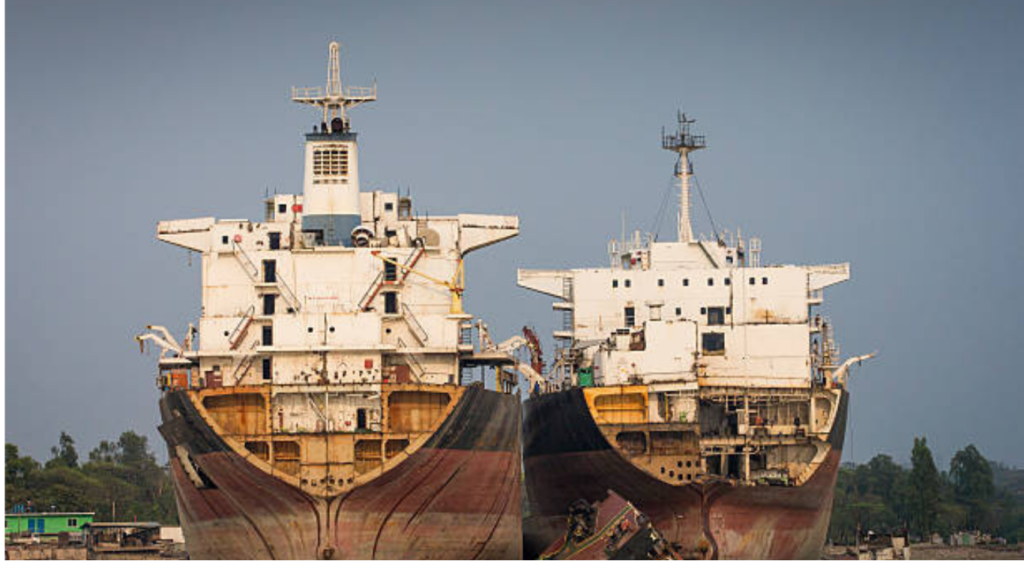
Metal and scrap yard guide for ship owners cannot be overemphasized. Marine scrap holds tremendous value, but every vessel is different. Before a retired ship, barge, tugboat, or offshore platform is recycled, professionals carefully evaluate its condition. This evaluation helps buyers understand the true value of the materials inside while helping sellers receive fair offers. A thorough assessment also supports safer dismantling and more efficient recycling.
Marine vessels contain thousands of valuable components. Steel usually forms the largest portion, but copper, aluminum, brass, stainless steel, and bronze also contribute significant value. Engines, generators, navigation systems, and other reusable equipment may increase the overall worth of the project.
Understanding how marine scrap is evaluated helps you prepare your vessel before inspections begin. It also makes communication with buyers much easier. A professional metal and scrap yard often works with inspectors to assess materials before recycling starts.
The Inspection Begins with the Vessel’s Condition
Every evaluation starts with a careful visual inspection.
Inspectors examine the overall condition of the vessel from bow to stern.
They look for signs of corrosion, structural damage, missing sections, and previous repairs.
The condition of the hull provides valuable information about the remaining metal quality.
They also inspect decks, bulkheads, cargo areas, accommodation spaces, and machinery rooms.
Photographs are usually taken during the inspection.
These images help buyers review the vessel before making purchasing decisions.
A detailed inspection creates confidence for everyone involved.
Steel Makes Up the Largest Share
Steel is usually the most valuable material by volume.
Inspectors estimate how much recoverable steel remains throughout the vessel.
The hull, internal frames, decks, bulkheads, tanks, and support structures all contribute to the total amount.
Large commercial vessels may contain thousands of tons of recyclable steel.
The quality of the steel also matters.
Heavy corrosion or severe damage may reduce recoverable value.
Clean structural steel often attracts stronger buyer interest.
Steel remains the foundation of most marine recycling projects.
Valuable Non-Ferrous Metals Receive Special Attention
Although steel dominates the vessel, non-ferrous metals deserve careful evaluation.
Copper appears throughout electrical wiring, motors, generators, and communication systems.
Aluminum is commonly used for lightweight structures, ladders, railings, and equipment.
Brass valves, bronze propellers, and stainless steel piping also add value.
Inspectors identify these materials separately because they often command higher recycling prices.
Proper separation improves recovery during dismantling.
Careful evaluation ensures valuable metals are not overlooked.
Every recovered metal contributes to the project’s total value.
Reusable Equipment Adds Extra Value
Not every onboard component belongs in the recycling pile.
Many vessels contain equipment that remains useful.
Engines, pumps, generators, anchors, winches, navigation systems, electrical panels, and communication equipment may still operate effectively.
Inspectors examine these items carefully.
Reusable equipment sometimes provides additional value beyond recycled metal.
Buyers often consider both recycling value and resale opportunities.
Recovering reusable components reduces waste while increasing overall project returns.
Hazardous Materials Must Be Identified
Safety remains an important part of every marine evaluation.
Older vessels may contain fuel, lubricants, hydraulic fluids, batteries, refrigerants, asbestos, and chemical residues.
Inspectors identify these materials before dismantling begins.
Proper removal protects workers and the environment.
Hazardous materials should never remain inside the vessel during recycling.
Responsible handling follows environmental regulations and industry standards.
Safe preparation supports cleaner recycling operations throughout the project.
Environmental care remains a priority.
Documentation Supports Accurate Evaluation
Good paperwork helps buyers understand the vessel more clearly.
Ownership records confirm legal possession.
Maintenance histories reveal previous repairs and equipment replacements.
Technical drawings may explain structural layouts.
Inspection reports summarize the vessel’s overall condition.
Photographs provide additional visual evidence.
Organized documentation improves communication between buyers and sellers.
A reliable metal and scrap yard often requests these records before finalizing recycling plans.
Professional paperwork supports smoother negotiations.
Location and Accessibility Matter
Where the vessel is located also influences its evaluation.
Ships docked at accessible ports may cost less to prepare for recycling.
Remote locations often require additional transportation planning.
Inspectors also evaluate surrounding working conditions.
Available cranes, lifting equipment, and transport access influence project complexity.
Easy access reduces loading time and transportation costs.
Logistics become part of the overall evaluation.
Practical planning helps buyers estimate total project expenses.
Market Conditions Influence Value
Marine scrap values change with market demand.
Steel prices rise and fall throughout the year.
Copper, aluminum, brass, and stainless steel also respond to changing industrial demand.
Inspectors consider current market conditions while estimating project value.
International manufacturing activity often influences recycling prices.
Transportation costs and export demand also affect final offers.
Understanding market trends helps sellers interpret buyer quotations more confidently.
Knowledge strengthens negotiations.
Professional Communication Improves the Process
Clear communication helps every evaluation succeed.
Provide buyers with honest information before inspections begin.
Answer questions promptly.
Share photographs, inventories, and documentation whenever possible.
Notify buyers if the vessel’s condition changes.
Professional communication reduces misunderstandings.
Reliable information creates confidence throughout the evaluation process.
Trust grows through openness and consistency.
Strong communication often leads to repeat business opportunities.
Careful Evaluation Leads to Better Recycling
Evaluating marine scrap is about much more than estimating metal weight. It involves understanding the vessel’s condition, identifying valuable materials, recovering reusable equipment, managing hazardous substances, and preparing accurate documentation. Every careful inspection helps buyers make informed decisions while helping sellers receive fair value.
Whether you own a cargo ship, fishing vessel, barge, offshore support vessel, or passenger ship, preparing for a professional evaluation improves every stage of the recycling process. Organized information, clean materials, and honest communication create stronger business relationships.
An experienced metal and scrap yard provides valuable support throughout the evaluation process. Professional teams understand how to inspect vessels, estimate recoverable materials, and prepare projects for safe recycling. Their expertise helps maximize value while protecting workers and the environment.
The next time you prepare a marine vessel for recycling, remember that careful evaluation is the foundation of a successful project. Every steel plate, copper cable, aluminum fitting, and reusable component deserves proper attention. Good preparation helps valuable materials begin a new life while supporting cleaner industries and a more sustainable future.
Recovering High-Value Vessel Metals
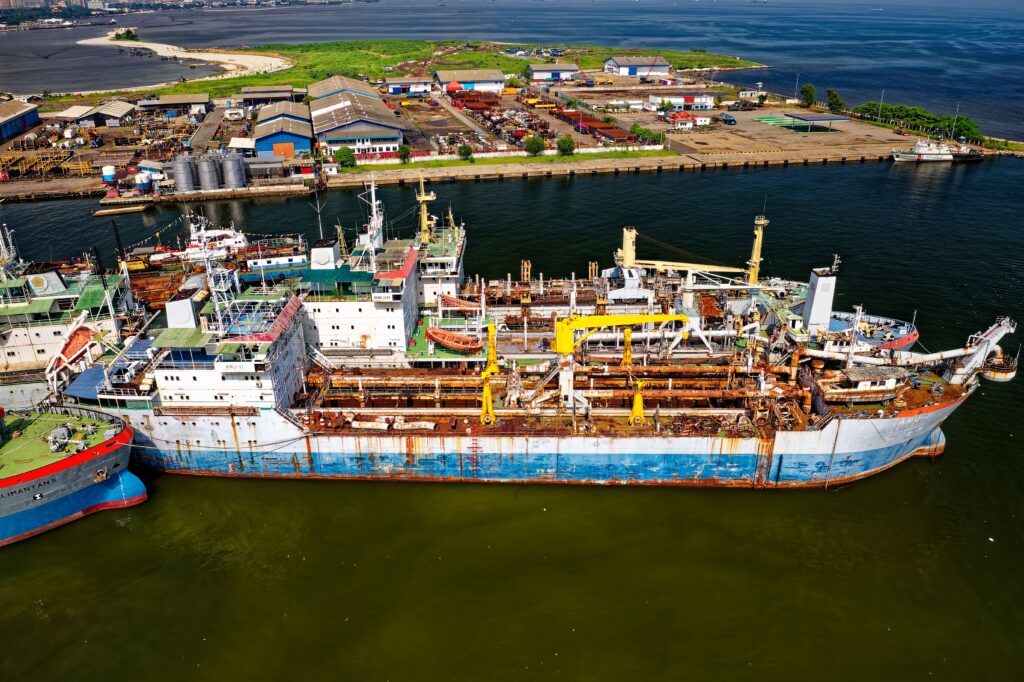
Retired ships may no longer sail across the ocean, but they still hold remarkable value. Hidden inside every vessel are metals that can begin a completely new life through recycling. Instead of becoming waste, these valuable materials return to factories where they become new buildings, vehicles, machinery, and countless everyday products. Recovering these metals is one of the most rewarding parts of marine recycling.
Many people only notice the large steel hull when they see an old ship. However, experienced recycling professionals know that much more lies beneath the surface. Copper, aluminum, brass, bronze, stainless steel, and other valuable metals appear throughout the vessel. Careful recovery helps maximize their value while reducing unnecessary waste.
Whether you own a cargo ship, fishing vessel, tugboat, offshore support vessel, or barge, understanding how valuable metals are recovered helps you prepare for recycling. A professional metal and scrap yard also plays an important role in sorting, processing, and preparing these materials for their next purpose.
Steel Provides the Largest Recycling Opportunity
Steel forms the backbone of almost every commercial vessel.
The hull, decks, bulkheads, cargo holds, tanks, frames, and support structures all contain large amounts of recyclable steel.
Large ships may provide thousands of tons of recoverable material.
Workers carefully cut the steel into manageable sections before transportation.
Magnets help separate steel from non-ferrous metals during processing.
Recycled steel becomes an important raw material for construction, manufacturing, and infrastructure projects.
Recovering steel reduces the need for new mining while saving significant amounts of energy.
Every recycled steel plate supports a cleaner environment.
Copper Delivers Outstanding Value
Copper remains one of the most valuable metals found inside marine vessels.
Electrical wiring extends throughout almost every section of a ship.
Generators, electric motors, switchboards, transformers, navigation systems, and communication equipment all contain recoverable copper.
Skilled workers remove these components carefully before dismantling larger structures.
Clean copper usually attracts strong buyer interest because manufacturers depend on its excellent electrical conductivity.
Separating copper from other materials improves recycling efficiency.
Every recovered cable adds value to the overall project.
Proper handling protects this important resource.
Aluminum Appears Throughout Modern Ships
Aluminum plays an important role in marine construction.
Many vessels use aluminum for ladders, railings, lightweight structures, doors, deck fittings, and superstructures.
Because aluminum weighs much less than steel, it helps improve vessel performance.
Recycling aluminum requires far less energy than producing new aluminum from raw materials.
Workers separate aluminum carefully before processing begins.
Keeping aluminum free from contamination improves recycling quality.
Well-prepared aluminum creates better opportunities throughout the recycling process.
Every recovered section supports sustainable manufacturing.
Brass, Bronze, and Stainless Steel Add Hidden Value
Some of the most valuable materials remain hidden inside the vessel.
Brass commonly appears in valves, fittings, plumbing systems, and marine hardware.
Bronze is often used for propellers, bearings, bushings, and specialized components.
Stainless steel appears in kitchens, piping systems, storage tanks, and processing equipment.
These metals require careful identification during dismantling.
Sorting them separately improves recycling value.
Experienced recycling teams understand where to find these materials.
Small components often contribute meaningful returns.
Careful inspection prevents valuable metals from being overlooked.
Recover Reusable Equipment First
Not everything aboard an old ship belongs in the recycling pile.
Many components continue working long after the vessel retires.
Generators, pumps, engines, compressors, anchors, cranes, and navigation systems often remain suitable for refurbishment.
Removing reusable equipment before dismantling increases overall project value.
Some buyers purchase these components for repairs or replacement parts.
Recovering reusable equipment also reduces unnecessary waste.
Every reused component extends the life of valuable resources.
Responsible recycling begins with careful evaluation.
Safe Dismantling Protects Valuable Metals
Careful dismantling helps preserve metal quality.
Workers remove hazardous materials before cutting begins.
Fuel, oil, hydraulic fluids, batteries, refrigerants, and chemical residues receive special handling.
Large steel sections are cut systematically to avoid unnecessary damage.
Copper wiring is removed before structural cutting starts.
Organized dismantling improves worker safety while protecting recyclable materials.
Planning each step carefully creates better recycling results.
Professional procedures support efficient recovery.
Clean Metals Create Better Recycling Results
Clean materials always perform better during recycling.
Remove plastic, rubber, insulation, wood, and glass before processing valuable metals.
Store recovered materials in organized areas.
Keep steel separate from copper, aluminum, brass, bronze, and stainless steel.
Good organization simplifies inspections and transportation.
A dependable metal and scrap yard appreciates clean, sorted materials because processing becomes much faster.
Prepared scrap creates stronger buyer confidence while supporting higher recycling efficiency.
Technology Improves Metal Recovery
Modern recycling equipment continues improving recovery rates.
Powerful cranes lift heavy vessel sections safely.
Hydraulic shears cut thick steel precisely.
Industrial magnets separate steel automatically.
Specialized tools remove valuable copper wiring without unnecessary damage.
Modern equipment increases efficiency while reducing manual labor.
Technology also improves worker safety.
Advanced recycling methods help recover more valuable materials from every vessel.
Innovation continues strengthening the marine recycling industry.
Every Recovered Metal Supports Sustainability
Recovering valuable vessel metals benefits much more than individual recycling projects.
Steel recycling reduces demand for iron ore and coal.
Copper recycling lowers energy consumption compared to mining new material.
Aluminum recycling saves enormous amounts of electricity.
Recovering brass, bronze, and stainless steel conserves valuable natural resources.
Responsible recycling also reduces landfill waste.
Every recovered metal supports cleaner manufacturing and lower greenhouse gas emissions.
These environmental benefits extend far beyond the shipyard.
Valuable Metals Create Lasting Opportunities
Recovering high-value vessel metals transforms retired ships into valuable resources for future industries. Every carefully recovered steel plate, copper cable, aluminum panel, brass valve, bronze propeller, and stainless steel fitting contributes to a stronger recycling industry and a healthier environment.
Whether you recycle cargo ships, fishing vessels, barges, offshore platforms, or support vessels, careful preparation helps maximize the value of every project. Professional inspections, safe dismantling, organized sorting, and responsible handling all contribute to successful recycling.
An experienced metal and scrap yard provides essential support throughout the recovery process. Skilled teams understand how to identify valuable materials, protect reusable equipment, and prepare metals for efficient recycling. Their expertise helps every project deliver stronger environmental and financial results.
The next time you look at a retired vessel, remember that its greatest value may be hidden beneath the surface. Every recovered metal tells a story of renewal, helping valuable resources return to productive use instead of becoming waste. Through responsible recycling, yesterday’s ship becomes tomorrow’s buildings, vehicles, machinery, and countless products that continue serving people around the world.
Preparing Ships for Recycling
Every ship eventually reaches the end of its working life. After many years of carrying cargo, transporting passengers, or supporting offshore operations, the vessel is ready for a new purpose. That purpose is often recycling. Preparing a ship for recycling is an important process that protects workers, preserves valuable materials, and helps the environment. Good preparation also allows buyers to recover more recyclable metals and reusable equipment.
Preparing a vessel is much more than towing it to a recycling facility. It requires inspections, careful planning, documentation, environmental protection, and safe handling. Every step matters because large ships contain thousands of tons of valuable materials waiting for a second life.
Whether you own a cargo ship, fishing vessel, tugboat, offshore support vessel, or barge, understanding the preparation process helps you make informed decisions. A professional metal and scrap yard can also support the project by helping recover and process valuable recyclable materials.
Begin with a Complete Vessel Inspection
Every successful recycling project starts with a detailed inspection.
Inspectors carefully examine the ship from the bow to the stern.
They evaluate the hull, decks, cargo spaces, engine room, accommodation areas, tanks, and structural supports.
The inspection identifies valuable metals, reusable equipment, and possible safety concerns.
Inspectors also take photographs to document the vessel’s condition.
These records help buyers understand exactly what they are purchasing.
A complete inspection creates confidence for everyone involved.
Good preparation always begins with accurate information.
Organize All Important Documents
Paperwork plays an important role before recycling begins.
Gather ownership records, registration documents, maintenance histories, inspection reports, and technical drawings.
These documents confirm legal ownership and provide useful information about the vessel.
Accurate paperwork simplifies negotiations with buyers.
It also supports customs procedures if the vessel or recovered materials will be exported.
Keeping everything organized saves valuable time throughout the recycling process.
Professional documentation demonstrates reliability and builds trust.
Remove Hazardous Materials Safely
Environmental protection comes before dismantling.
Older ships often contain fuel, engine oil, hydraulic fluid, batteries, refrigerants, asbestos, and chemical residues.
These materials should be removed using approved safety procedures.
Proper handling protects workers and nearby communities.
It also prevents pollution of surrounding land and water.
Hazardous waste should never remain inside the vessel during recycling.
Responsible preparation supports cleaner recycling while meeting environmental standards.
Safety always comes first.
Recover Valuable Equipment Before Cutting Begins
Many ship components remain useful even after the vessel retires.
Generators, pumps, engines, compressors, anchors, cranes, navigation systems, and communication equipment often retain commercial value.
Inspect these items carefully before dismantling starts.
Reusable equipment may be refurbished or sold separately.
Recovering these components reduces waste while increasing project value.
Careful planning helps prevent accidental damage during removal.
Every reusable item contributes to a stronger circular economy.
Separate Different Metal Types
Ships contain much more than steel.
Copper wiring runs throughout electrical systems.
Aluminum appears in lightweight structures, ladders, and fittings.
Brass valves, bronze propellers, and stainless steel piping also deserve careful attention.
Sorting these materials before processing improves recycling efficiency.
Separate storage areas reduce contamination between metal types.
Good organization simplifies inspections and transportation.
A reliable metal and scrap yard values clean, well-sorted materials because they require less processing.
Plan Transportation Carefully
Some vessels require towing before recycling begins.
Others remain at recycling facilities throughout dismantling.
Transportation planning depends on the ship’s size, location, and condition.
Experienced logistics teams evaluate the safest transport method.
Heavy equipment, tugboats, cranes, and specialized trailers may all play important roles.
Careful planning reduces delays while protecting valuable materials.
Good logistics also improve workplace safety throughout the recycling project.
Prepare a Safe Work Area
Safety extends beyond the ship itself.
Prepare the surrounding work area before dismantling begins.
Mark safe walking paths for workers.
Position lifting equipment correctly.
Provide emergency equipment nearby.
Keep unnecessary visitors away from active work zones.
Good housekeeping reduces trip hazards and improves productivity.
Organized work areas also help workers recover valuable materials more efficiently.
A safe workplace benefits everyone involved.
Communicate Clearly with Buyers
Professional communication helps every project succeed.
Provide buyers with accurate descriptions of the vessel.
Share photographs, inspection reports, and equipment inventories before negotiations.
Answer questions honestly and promptly.
Notify buyers immediately if project details change.
Clear communication builds confidence while reducing misunderstandings.
Professional relationships often begin with simple conversations.
Reliable information creates smoother transactions.
Trust grows through honesty and consistency.
Protect Valuable Materials During Preparation
Careful handling protects recyclable metals before dismantling begins.
Avoid unnecessary damage while removing equipment.
Store recovered metals in clean, organized areas.
Keep copper, aluminum, brass, stainless steel, and steel separated.
Protect valuable components from weather whenever possible.
Good storage reduces corrosion before transportation.
Simple precautions help maintain recycling value.
Every recovered material deserves proper handling.
Preparation improves both quality and efficiency.
Good Preparation Leads to Better Recycling
Preparing ships for recycling involves much more than removing old equipment. Every inspection, document, safety check, and sorting activity contributes to a successful recycling project. Careful preparation protects valuable materials, improves worker safety, and helps buyers recover the maximum value from every vessel.
Whether you recycle cargo ships, fishing vessels, offshore platforms, tugboats, or barges, taking time to prepare properly creates better results. Clean materials, organized records, responsible environmental practices, and professional communication all strengthen the recycling process.
An experienced metal and scrap yard provides valuable support by helping recover, sort, and process recyclable materials according to industry standards. Their knowledge helps reduce waste while improving both safety and efficiency.
The next time you prepare a ship for recycling, remember that every careful step matters. Good preparation transforms an aging vessel into a valuable source of recyclable steel, copper, aluminum, brass, and other useful materials. Through responsible planning and careful handling, yesterday’s ship becomes tomorrow’s raw materials, helping build a cleaner environment and a stronger recycling industry for future generations.
Connecting Owners with Global Buyers
Finding the right buyer can completely change the success of your recycling project. Many owners have valuable ships, factory equipment, construction machinery, or industrial scrap ready for sale, but reaching serious international buyers is often the biggest challenge. Fortunately, today’s global marketplace makes it easier than ever to connect with companies searching for quality recyclable materials.
Across the world, manufacturers, recycling companies, steel mills, and industrial processors depend on a steady supply of recycled metals. They are constantly looking for reliable sellers who can provide well-prepared materials and accurate information. When owners connect directly with genuine buyers, everyone benefits. Sellers gain better market access, while buyers secure dependable sources of recyclable materials.
Whether you own a retired marine vessel, demolition materials, industrial machinery, or large quantities of scrap, building international connections creates exciting opportunities. A professional metal and scrap yard can also support the process by helping prepare materials before they reach overseas buyers.
Present Your Materials Professionally
First impressions matter in international business.
Before contacting buyers, organize your materials carefully.
Separate steel, copper, aluminum, brass, stainless steel, and other recyclable metals whenever possible.
Take clear photographs from several angles.
Prepare a simple inventory describing the quantity and condition of your materials.
Include important details about machinery, vessels, or industrial equipment.
Professional presentation creates confidence from the beginning.
Well-organized information encourages buyers to respond more quickly.
Small improvements often make a big difference.
Build Trust Through Honest Communication
Trust remains one of the strongest foundations of successful business.
Describe your materials accurately.
Avoid exaggerating quantities or quality.
Answer buyer questions honestly and promptly.
Share inspection reports, ownership records, and photographs whenever possible.
If unexpected changes occur, inform buyers immediately.
Professional communication reduces misunderstandings.
Reliable information helps buyers make informed decisions.
Honesty encourages repeat business and stronger long-term partnerships.
People prefer working with suppliers they can trust.
Understand What Global Buyers Want
Different buyers have different priorities.
Some companies purchase large quantities of structural steel.
Others specialize in copper, aluminum, brass, or stainless steel.
Marine recycling companies often seek retired ships and offshore equipment.
Industrial buyers may focus on factory machinery and heavy equipment.
Ask buyers about their preferred material specifications.
Understanding their needs helps you prepare more suitable offers.
Meeting buyer expectations increases customer satisfaction.
Listening carefully creates stronger business relationships.
Prepare Accurate Documentation
Good paperwork supports successful international transactions.
Gather ownership documents before beginning negotiations.
Prepare inventory lists showing metal types and estimated quantities.
Include inspection reports whenever available.
Take clear photographs of larger equipment or vessels.
Organized documentation speeds up buyer evaluations.
It also simplifies customs procedures if materials will be exported.
Professional records demonstrate reliability.
Good organization creates confidence throughout the transaction.
Work with Experienced Logistics Partners
Transportation plays an important role in global recycling.
Heavy machinery, marine vessels, steel structures, and industrial equipment often require specialized transport.
Choose logistics companies experienced in handling recyclable materials.
Plan shipping schedules early.
Confirm loading responsibilities before collection begins.
Efficient transportation protects valuable materials during the journey.
Reliable logistics reduce delays and unexpected costs.
Strong planning supports smoother international deliveries.
Build Long-Term Business Relationships
One successful sale should become the beginning of a lasting partnership.
Treat buyers with professionalism and respect.
Deliver materials according to agreed schedules.
Maintain regular communication throughout each project.
Respond promptly to future inquiries.
Reliable suppliers often receive repeat orders.
Long-term relationships reduce the need to search constantly for new buyers.
Strong partnerships create valuable referrals throughout the recycling industry.
Trust grows through consistent service.
Learn About International Market Trends
Global recycling markets continue changing.
Manufacturing activity, shipping demand, construction growth, and environmental policies all influence buyer interest.
Reading market reports helps you recognize new opportunities.
Understanding international demand strengthens your negotiation position.
Following industry news also improves long-term planning.
Knowledge allows you to prepare materials that buyers currently need.
Well-informed sellers often make stronger business decisions.
Learning remains one of your greatest competitive advantages.
Protect Material Quality
Quality influences every international transaction.
Store recyclable materials in clean, organized areas.
Protect valuable metals from unnecessary contamination.
Remove plastic, wood, rubber, glass, and hazardous materials whenever practical.
Separate reusable equipment before dismantling larger structures.
Careful preparation simplifies inspections after delivery.
An experienced metal and scrap yard follows organized processing methods that help preserve material quality before export.
Clean materials strengthen buyer confidence.
Use Technology to Reach More Buyers
Modern technology has transformed international recycling.
Online marketplaces introduce sellers to buyers across different continents.
Digital photographs simplify early inspections.
Video meetings allow direct conversations without travel.
Cloud storage makes document sharing fast and secure.
Technology removes many traditional barriers between countries.
You can present your materials to international buyers with just a few simple steps.
Digital communication creates opportunities that were difficult to imagine only a few years ago.
Global Connections Create Greater Opportunities
Connecting owners with global buyers creates exciting possibilities for the recycling industry. Local sellers gain access to international demand, while overseas buyers secure valuable recyclable materials needed for manufacturing and construction. These partnerships strengthen the global recycling supply chain while supporting more sustainable use of natural resources.
Whether you recycle construction machinery, factory equipment, marine vessels, demolition materials, or industrial scrap, professional preparation helps you compete successfully in international markets. Accurate documentation, clean materials, honest communication, and dependable logistics all contribute to stronger business relationships.
A trusted metal and scrap yard plays an important role by helping owners prepare recyclable materials according to international quality expectations. Their experience supports safer handling, better organization, and smoother export processes.
The future of recycling depends on strong partnerships that connect quality suppliers with serious buyers around the world. Every successful transaction helps valuable metals find a new purpose, reduces unnecessary waste, and supports industries that rely on recycled materials every day. By building trust, maintaining high standards, and embracing global opportunities, you create lasting success that benefits both your business and the environment.