
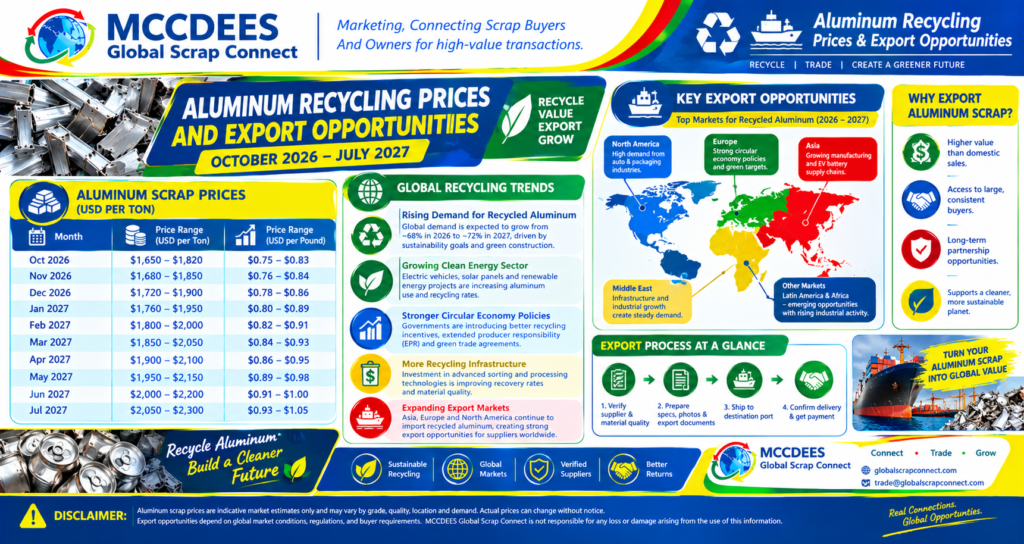
Recycled aluminum has become one of the world’s most important industrial materials. Manufacturers, construction companies, and transportation industries continue searching for dependable aluminum supplies. Because aluminum keeps its quality after recycling, businesses can use it repeatedly without losing performance. While many suppliers monitor aluminum recycling prices, international demand depends on many other important factors.
Countries with growing industries require steady aluminum supplies throughout the year. Recycled aluminum helps manufacturers reduce production costs while supporting environmental goals. As global trade expands, recycled aluminum continues creating new opportunities for suppliers and buyers.
Manufacturing Drives Global Demand
Manufacturing remains one of the largest users of recycled aluminum.
Factories produce household appliances, machinery, electrical equipment, and industrial products using recycled aluminum.
The metal is strong, lightweight, and easy to shape.
Manufacturers appreciate these qualities because they improve production efficiency.
Recycled aluminum also reduces energy costs during manufacturing.
Many companies choose recycled materials to support sustainability goals.
Growing industrial production continues increasing aluminum demand.
Manufacturers actively search for reliable long-term suppliers.
Strong factory activity supports healthy recycling markets.
Transportation Industry Needs More Aluminum
Modern transportation depends heavily on aluminum.
Vehicle manufacturers use aluminum to reduce overall weight.
Lighter vehicles improve fuel efficiency and driving performance.
Electric vehicles also require significant amounts of aluminum.
Airplane manufacturers rely on aluminum because it combines strength with low weight.
Ships use aluminum in superstructures, ladders, doors, and specialized equipment.
Railway systems also include many aluminum components.
Growing transportation industries continue expanding aluminum consumption.
This creates steady opportunities for recycling businesses.
Construction Expands Recycling Opportunities
Construction companies regularly purchase recycled aluminum.
Modern buildings contain aluminum windows, roofing systems, doors, curtain walls, and structural components.
Architects value aluminum because it resists corrosion and requires little maintenance.
Commercial buildings also use decorative aluminum panels.
Infrastructure projects increase demand even further.
Airports, railway stations, bridges, and shopping centers all require aluminum products.
Urban development continues creating new recycling opportunities.
Growing cities support long-term aluminum demand.
Construction remains an important customer for recycled materials.
Renewable Energy Supports Future Growth
Renewable energy continues changing global markets.
Solar panel systems often use aluminum frames.
Wind turbines also require aluminum for selected components.
Battery storage systems include aluminum parts for strength and durability.
Governments continue investing in clean energy infrastructure.
These investments increase international demand for recycled aluminum.
Manufacturers appreciate aluminum because it combines excellent performance with environmental benefits.
Many suppliers follow aluminum recycling prices while monitoring renewable energy growth.
The clean energy sector creates exciting long-term opportunities.
International Trade Connects Markets
Not every country produces enough recycled aluminum.
Some nations generate large supplies through manufacturing and construction.
Others import recycled aluminum to support industrial production.
International trade helps balance supply and demand.
Professional logistics ensure materials reach buyers efficiently.
Reliable documentation simplifies customs procedures.
Digital communication speeds up negotiations across different countries.
Global trade creates opportunities beyond local markets.
International cooperation strengthens the recycling industry.
Quality Matters in Global Markets
International buyers expect consistent quality.
Clean, sorted aluminum attracts greater buyer interest.
Separate beverage cans, sheet aluminum, cast aluminum, and extruded aluminum before shipment.
Remove unnecessary contamination whenever possible.
Store materials in clean and dry locations.
Prepare accurate inventory records before marketing your materials.
Professional documentation strengthens buyer confidence.
Reliable suppliers often receive repeat business.
Quality preparation creates stronger international partnerships.
Technology Expands Global Business
Technology has transformed aluminum trading.
Online marketplaces connect buyers and sellers worldwide.
Digital inventory systems improve stock management.
Video inspections help buyers evaluate materials before traveling.
Electronic document sharing speeds up negotiations.
Modern sorting equipment improves recycling efficiency.
Automation also reduces unnecessary processing costs.
Technology allows suppliers to respond quickly to international demand.
Innovation supports continued industry growth.
Market Knowledge Supports Better Decisions
Understanding global markets helps suppliers succeed.
Construction activity, manufacturing output, transportation growth, and renewable energy projects all influence aluminum demand.
Many businesses monitor aluminum recycling prices to understand changing market conditions.
However, experienced buyers also evaluate quality, quantity, documentation, and supplier reliability.
Price alone never determines the final agreement.
Knowledge improves negotiation confidence.
Continuous learning creates stronger business opportunities.
Preparation remains one of your greatest competitive advantages.
International demand for recycled aluminum continues growing because manufacturers, transportation companies, construction firms, and renewable energy projects all require dependable metal supplies. While many suppliers follow aluminum recycling prices to understand market trends, long-term success depends on quality materials, organized documentation, professional communication, and reliable service. By preparing your aluminum carefully and understanding global buyer expectations, you can build lasting partnerships and benefit from the expanding international market for recycled aluminum.
Export Markets Seeking Aluminum Scrap Supplies
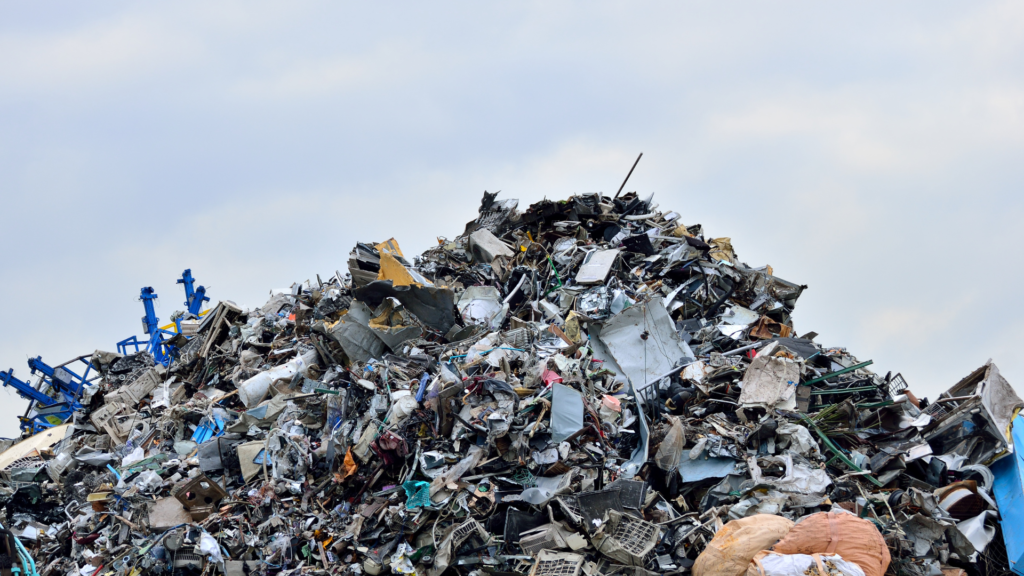
Aluminum scrap has become one of the most traded recyclable materials in the world. Many countries depend on imported aluminum scrap to support manufacturing, construction, and industrial production. Because recycled aluminum saves energy and reduces production costs, international demand continues growing. While many suppliers monitor aluminum recycling prices, successful exporting depends on understanding where buyers are located and what they need.
Export markets are always searching for reliable suppliers who can provide clean, well-sorted aluminum. Businesses that understand buyer expectations often build stronger partnerships and enjoy repeat business. Good preparation opens the door to exciting international opportunities.
Manufacturing Nations Need Steady Supplies
Many industrial countries require large amounts of recycled aluminum.
Factories use aluminum to produce machinery, appliances, electrical products, and industrial equipment.
Manufacturers value recycled aluminum because it performs like newly produced metal.
Using recycled materials also lowers production costs.
Many factories operate throughout the year and require continuous raw material supplies.
Reliable exporters often receive repeat purchase inquiries.
Consistent quality creates confidence among international buyers.
Growing manufacturing activity supports long-term export opportunities.
Steady industrial demand keeps the recycling market active.
Construction Markets Continue Expanding
Construction industries around the world consume large amounts of aluminum.
Modern buildings contain aluminum windows, doors, roofing systems, curtain walls, and structural components.
Large infrastructure projects also require aluminum products.
Bridges, airports, railway stations, hospitals, and commercial buildings depend on reliable material supplies.
Urban development continues creating fresh opportunities for exporters.
Growing populations increase construction activity in many regions.
Construction companies appreciate recycled aluminum because it combines strength with sustainability.
Many exporters monitor aluminum recycling prices while following international construction trends.
Infrastructure growth supports long-term demand.
Transportation Industry Drives Imports
Transportation manufacturers remain important aluminum buyers.
Vehicle producers use aluminum to reduce overall vehicle weight.
Electric vehicles contain even more aluminum than many traditional vehicles.
Aircraft manufacturers continue depending on lightweight aluminum alloys.
Marine industries also require aluminum for vessels and offshore equipment.
Railway systems include aluminum in coaches, platforms, and structural parts.
Growing transportation industries increase international aluminum demand.
Reliable aluminum suppliers become valuable business partners.
Transportation innovation continues supporting recycling growth.
Renewable Energy Creates New Opportunities
Renewable energy projects require increasing amounts of aluminum.
Solar panels commonly use aluminum frames because they resist corrosion.
Wind farms also include aluminum in selected equipment.
Battery storage systems contain aluminum components for strength and durability.
Governments continue investing in renewable energy infrastructure.
Manufacturers need dependable aluminum supplies to complete these projects.
Recycled aluminum supports sustainability while reducing production costs.
Clean energy investments continue expanding export opportunities.
Environmental goals strengthen long-term market demand.
Quality Attracts International Buyers
International buyers expect professional preparation.
Separate beverage cans, cast aluminum, sheet aluminum, and extruded aluminum before shipment.
Remove unnecessary contamination whenever possible.
Store materials in clean, dry locations.
Prepare accurate inventory records showing available quantities.
Recent photographs improve buyer confidence before inspections.
Professional presentations help suppliers stand out.
Reliable quality encourages repeat business.
Preparation often matters as much as competitive pricing.
Documentation Simplifies International Trade
Good documentation supports successful exports.
Prepare commercial invoices, packing lists, inspection reports, and inventory records before shipment.
Ensure all documents match the actual cargo.
Digital copies simplify communication with overseas buyers.
Accurate paperwork reduces delays during customs clearance.
Professional records demonstrate responsible business management.
Well-prepared documentation also improves buyer confidence.
Reliable paperwork supports smoother international transactions.
Organization creates stronger business relationships.
Digital Platforms Expand Global Reach
Technology has transformed aluminum trading.
Online marketplaces connect exporters with buyers across many countries.
Professional listings help buyers compare available materials quickly.
Recent photographs, accurate descriptions, and clear quantities improve buyer interest.
Video inspections also simplify international negotiations.
Digital communication removes many traditional barriers.
Many businesses comparing aluminum recycling prices also evaluate supplier reliability through online platforms.
Technology creates opportunities beyond local markets.
Global visibility supports long-term business growth.
Strong Relationships Create Lasting Success
International buyers value dependable suppliers.
Deliver materials exactly as promised.
Communicate honestly throughout every transaction.
Respond quickly to buyer questions.
Keep customers informed about future inventory availability.
Satisfied buyers often recommend reliable suppliers to colleagues.
Long-term partnerships create greater stability than one-time sales.
Trust becomes one of your greatest competitive advantages.
Professional service supports continued business growth.
Export markets seeking aluminum scrap continue expanding as manufacturing, construction, transportation, and renewable energy industries increase global demand. While many suppliers monitor aluminum recycling prices to understand market trends, successful exporting also depends on quality preparation, organized documentation, reliable communication, and strong buyer relationships. By presenting your aluminum professionally and understanding international market needs, you improve your chances of securing repeat orders and building lasting success in the global aluminum recycling industry.
Creating Reliable Buyer-Seller Partnerships
Strong partnerships are the backbone of the global aluminum recycling industry. A single successful transaction is valuable, but a lasting business relationship creates even greater opportunities. Buyers want dependable suppliers, and sellers appreciate loyal customers who return regularly. While many businesses follow aluminum recycling prices, trust and reliability often have a greater influence on long-term success.
Building a strong partnership does not happen overnight. It grows through honest communication, consistent quality, and mutual respect. When both parties work together, everyone benefits from smoother transactions and greater business confidence.
Honest Communication Builds Lasting Trust
Every successful partnership begins with clear communication.
Reply to buyer messages as quickly as possible.
Provide honest answers to every question.
Describe your aluminum materials exactly as they appear.
Avoid exaggerating quality, quantity, or shipment conditions.
If something changes, inform the buyer immediately.
Open communication prevents misunderstandings.
Professional conversations create confidence from the beginning.
Many buyers value reliable suppliers more than the lowest prices.
Trust grows through honesty and consistency.
Deliver Consistent Quality Every Time
Quality keeps buyers coming back.
Sort aluminum into the correct grades before shipment.
Separate beverage cans, sheet aluminum, cast aluminum, and extruded aluminum whenever possible.
Store materials in clean, dry areas.
Remove unnecessary contamination before inspections.
Organized shipments save buyers time and processing costs.
Professional preparation demonstrates attention to detail.
Reliable quality strengthens buyer confidence.
Consistent performance creates long-term business opportunities.
Every successful shipment improves your reputation.
Prepare Professional Documentation
Accurate paperwork supports successful international trade.
Prepare commercial invoices, packing lists, inventory records, and inspection reports before shipment.
Ensure every document matches the actual materials.
Well-organized paperwork reduces delays during customs procedures.
Digital copies simplify communication across different countries.
Professional documentation reflects responsible business management.
Accurate records reduce unnecessary questions.
Preparation creates smoother negotiations.
Reliable paperwork strengthens buyer confidence.
Understand Buyer Expectations
Every buyer has different business goals.
Some require regular monthly shipments.
Others focus on specific aluminum grades.
Certain manufacturers need strict quality standards.
Take time to understand customer requirements.
Ask questions before preparing your offer.
Listen carefully during negotiations.
Understanding buyer priorities helps you present better solutions.
Good partnerships begin by understanding each other’s needs.
Keep Communication Active
Do not disappear after completing a shipment.
Stay in touch with your buyers.
Notify them when new aluminum becomes available.
Share updates about future supply opportunities.
Ask whether delivered materials met expectations.
Professional follow-up shows commitment to customer satisfaction.
Regular communication keeps your business visible.
Many successful exporters build relationships through simple conversations.
Strong communication creates stronger partnerships.
Use Market Knowledge Wisely
Market knowledge helps both buyers and sellers.
Construction, transportation, manufacturing, and renewable energy all influence aluminum demand.
Many businesses monitor aluminum recycling prices to understand changing market conditions.
Share useful market information when appropriate.
Well-informed discussions demonstrate professionalism.
Understanding industry trends improves planning.
Knowledge helps both parties make better decisions.
Preparation strengthens long-term cooperation.
Learning together creates better partnerships.
Solve Problems Together
Every business experiences challenges occasionally.
Transportation schedules may change.
Weather can affect shipping.
Documentation may require updates.
Address problems quickly and honestly.
Work with buyers to find practical solutions.
Avoid placing blame during difficult situations.
Professional problem-solving strengthens relationships.
Buyers remember suppliers who remain calm under pressure.
Challenges often create stronger partnerships when handled well.
Build a Reputation That Lasts
Your reputation grows with every transaction.
Reliable suppliers attract repeat buyers and valuable referrals.
Professional behavior creates confidence across international markets.
Many buyers recommend trusted suppliers to colleagues.
Strong reputations reduce the need for constant marketing.
While many businesses monitor aluminum recycling prices, experienced buyers also value consistency and integrity.
Every honest transaction strengthens your business image.
Trust becomes your greatest long-term investment.
Reliable buyer-seller partnerships create lasting success in the aluminum recycling industry. Honest communication, consistent quality, professional documentation, market knowledge, and dependable service all help strengthen business relationships. While aluminum recycling prices remain important for understanding market trends, long-term growth depends even more on trust and cooperation. By focusing on strong partnerships instead of one-time sales, you position your business for repeat orders, valuable referrals, and continued success in the expanding global aluminum recycling market.
Technology Transforming Scrap Trading
Technology has completely changed the way scrap businesses operate. Years ago, buyers and sellers depended on phone calls, printed catalogs, and personal visits. Today, digital tools make international trading faster, easier, and more reliable. While many businesses follow aluminum recycling prices, modern technology now plays an equally important role in successful scrap trading.
Whether you recycle aluminum, copper, steel, stainless steel, or marine scrap, technology helps you reach more buyers and manage your business more efficiently. Companies that embrace digital tools often gain a competitive advantage in today’s global recycling market.
Online Marketplaces Connect Global Buyers
Online trading platforms have opened doors for scrap suppliers everywhere.
You can now display your available materials to buyers across many countries.
Professional listings include photographs, material descriptions, quantities, and contact information.
Buyers compare different suppliers before making inquiries.
Well-presented listings receive greater attention.
Update your listings whenever inventory changes.
Fast responses improve buyer confidence.
Many businesses monitoring aluminum recycling prices also search online for dependable suppliers.
Digital marketplaces create opportunities beyond local recycling yards.
Global visibility increases your business potential.
Digital Communication Speeds Up Business
Modern communication tools save valuable time.
Email, messaging apps, and video meetings allow buyers and sellers to communicate instantly.
Video inspections reduce unnecessary travel expenses.
You can answer questions while showing materials in real time.
Digital communication also speeds up negotiations.
Quick responses help buyers make faster decisions.
Professional conversations create stronger business relationships.
Good communication reduces misunderstandings during international transactions.
Technology keeps everyone connected throughout the trading process.
Inventory Software Improves Organization
Managing large scrap inventories becomes much easier with digital systems.
Inventory software records material types, quantities, storage locations, and shipment history.
You always know what materials are available.
Updated records reduce mistakes during negotiations.
Organized inventory improves customer service.
Buyers appreciate suppliers who provide accurate information quickly.
Digital records also simplify reporting and planning.
Better organization supports smoother business operations.
Technology reduces unnecessary paperwork.
Advanced Metal Identification Improves Accuracy
Modern equipment helps identify different metal grades more efficiently.
Portable analyzers recognize aluminum alloys within seconds.
Sorting systems separate materials more accurately than manual methods.
Accurate grading increases buyer confidence.
Professional identification also reduces pricing disputes.
Clean separation improves recycling efficiency.
Technology helps recover more valuable materials.
Better accuracy supports stronger negotiations.
Reliable grading benefits both buyers and sellers.
Online Market Data Supports Better Decisions
Market information is easier to access than ever before.
Businesses can monitor industry news, buyer demand, and recycling trends online.
Many companies regularly check aluminum recycling prices to understand changing market conditions.
Price data helps suppliers prepare competitive offers.
However, successful businesses also study transportation costs, manufacturing demand, and international trade activity.
Good information improves planning.
Knowledge helps businesses respond quickly to market changes.
Technology turns information into a valuable business advantage.
Digital Documentation Simplifies Trade
International trade requires accurate paperwork.
Technology makes document preparation much easier.
Commercial invoices, packing lists, inspection reports, and shipping records can be created electronically.
Digital files are easy to store and share.
Cloud storage protects important business information.
Electronic documents reduce paperwork delays.
Buyers receive information more quickly.
Professional documentation improves confidence throughout the transaction.
Organized digital records support efficient business management.
Automation Improves Recycling Efficiency
Automation continues transforming recycling facilities.
Conveyor systems move materials efficiently through processing areas.
Mechanical sorting equipment separates metals more accurately.
Digital weighing systems improve inventory accuracy.
Automated reporting reduces administrative work.
Workers can focus on higher-value tasks.
Automation also improves workplace safety.
Efficient recycling reduces operating costs.
Technology increases productivity throughout the recycling process.
Innovation supports long-term industry growth.
Technology Strengthens Business Relationships
Technology connects businesses, but people build lasting partnerships.
Use digital tools to communicate honestly and consistently.
Share updated inventory information with buyers.
Provide recent photographs before inspections.
Respond quickly to customer questions.
Professional online service creates trust.
Many buyers return because communication remains simple and reliable.
While businesses monitor aluminum recycling prices, they also value dependable suppliers using modern technology effectively.
Technology helps strengthen relationships that support future business.
Technology is transforming scrap trading through online marketplaces, digital communication, inventory software, advanced metal identification, automation, and electronic documentation. These innovations help suppliers reach more buyers while improving efficiency and accuracy. While many businesses follow aluminum recycling prices to understand market trends, long-term success also depends on embracing technology, maintaining professional communication, and delivering reliable service. By combining digital tools with strong business practices, you position yourself for continued growth in the fast-changing global recycling industry.