
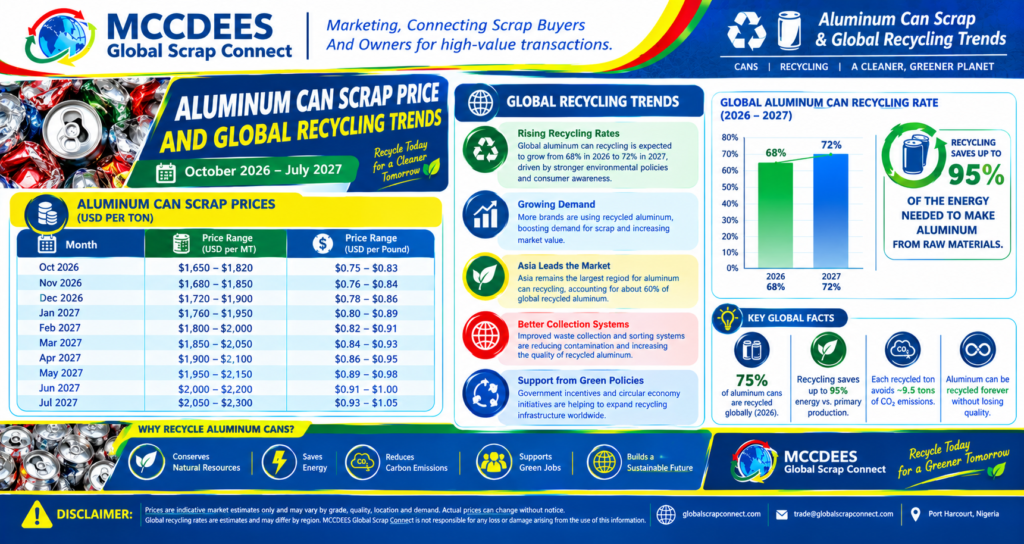
If you have ever sold used beverage cans, you may have noticed that prices are not always the same. One recycling yard may offer more than another, while prices can also change from month to month. These differences are completely normal because several market forces influence recycling values. Although many people focus on the aluminum can scrap price, understanding why prices change helps you make better selling decisions.
Aluminum remains one of the world’s most valuable recyclable materials. It can be recycled repeatedly without losing quality. Because manufacturers continue using recycled aluminum in new products, demand remains strong. However, changing economic conditions affect prices in different markets.
Supply and Demand Shape Market Prices
Supply and demand remain the biggest price drivers.
When manufacturers need more recycled aluminum, demand increases.
Higher demand often supports stronger buying prices.
Large recycling volumes may temporarily increase supply.
Higher supply sometimes places pressure on prices.
Seasonal demand also influences recycling activity.
Manufacturing growth creates additional buying opportunities.
Construction and transportation industries require recycled aluminum.
Many buyers monitor the aluminum can scrap price before purchasing large quantities.
Understanding demand helps you recognize market changes.
Local Markets Influence Buying Prices
Not every recycling market operates the same way.
Some cities have many recycling companies.
Others have only a few buyers.
Competition often influences local pricing.
Areas with more buyers sometimes offer stronger prices.
Transportation costs also affect local offers.
Nearby processing facilities reduce shipping expenses.
Regional demand varies throughout the year.
Local business activity creates different market conditions.
Every location develops its own pricing patterns.
Aluminum Quality Makes a Difference
Clean aluminum usually attracts better offers.
Separate beverage cans from other materials.
Remove unnecessary contamination whenever possible.
Keep aluminum dry during storage.
Avoid mixing aluminum with steel or plastic.
Organized materials reduce processing work.
Professional preparation improves buyer confidence.
Clean shipments move through recycling facilities more efficiently.
Quality remains important regardless of market conditions.
Preparation supports stronger returns.
Global Manufacturing Influences Prices
Recycled aluminum supports industries worldwide.
Manufacturers use aluminum for vehicles, packaging, appliances, and machinery.
Construction companies also require aluminum products.
Renewable energy projects consume aluminum components.
Growing industrial production increases recycling demand.
Economic slowdowns sometimes reduce manufacturing activity.
International trade also affects supply chains.
Global demand influences local recycling markets.
The aluminum can scrap price often reflects worldwide manufacturing conditions.
International markets shape local opportunities.
Transportation Costs Affect Market Value
Moving aluminum requires transportation.
Fuel prices influence shipping expenses.
Long-distance transportation increases operating costs.
Nearby recycling plants reduce logistics expenses.
Efficient transportation improves profitability.
Ports and highways support recycling businesses.
Reliable logistics strengthen supply chains.
Transportation planning affects final buyer offers.
Location influences pricing more than many people expect.
Good logistics create competitive advantages.
Technology Improves Recycling Efficiency
Modern recycling continues evolving.
Advanced sorting systems identify aluminum quickly.
Automation increases processing speed.
Electronic scales improve weighing accuracy.
Digital inventory systems simplify operations.
Portable analyzers recognize different aluminum grades.
Technology reduces unnecessary waste.
Improved efficiency lowers operating costs.
Innovation benefits both buyers and sellers.
Modern recycling supports stronger markets.
Environmental Goals Support Demand
Environmental awareness continues increasing.
Governments encourage recycling through sustainability programs.
Manufacturers prefer recycled aluminum because production requires less energy.
Lower energy use reduces greenhouse gas emissions.
Consumers also support environmentally responsible businesses.
Recycling protects valuable natural resources.
Growing sustainability goals strengthen long-term demand.
Responsible recycling benefits future generations.
Every recycled aluminum can contributes to environmental protection.
Green manufacturing supports future market growth.
Market Knowledge Helps You Sell Smarter
Successful sellers understand market conditions.
Monitor local recycling activity regularly.
Compare offers from different buyers.
Prepare aluminum carefully before selling.
Build relationships with reliable recycling companies.
Learn about manufacturing trends.
Understand transportation influences.
Watch broader market developments.
Many businesses follow the aluminum can scrap price, but preparation and timing also affect results.
Knowledge helps you make confident decisions.
The aluminum can scrap price changes because many factors influence the recycling industry. Supply and demand, local competition, aluminum quality, transportation costs, manufacturing activity, technology, and environmental goals all shape market conditions. While prices naturally rise and fall, careful preparation and good market knowledge help you achieve better results. By understanding these influences, you can make smarter selling decisions and take advantage of opportunities in the growing global aluminum recycling market.
Hidden Aluminum Found in Scrap Marine Vessels
When people think about scrap ships, steel usually steals the spotlight. However, retired marine vessels also contain surprising amounts of valuable aluminum. This lightweight metal appears in many places throughout modern ships and offshore structures. Although many recyclers follow the aluminum can scrap price, marine aluminum often provides additional opportunities that deserve equal attention.
Aluminum remains one of the easiest metals to recycle. It keeps its quality after repeated recycling and supports many industries worldwide. Careful recovery from retired vessels helps manufacturers reduce production costs while protecting valuable natural resources.
Aluminum Appears Throughout Marine Vessels
Modern ships use aluminum for many important components.
Its lightweight design helps improve fuel efficiency.
Shipbuilders install aluminum in ladders, doors, and windows.
Deck railings often contain aluminum sections.
Superstructures also include aluminum panels.
Gangways frequently use lightweight aluminum construction.
Storage compartments may contain aluminum fittings.
Some ventilation systems include aluminum parts.
Smaller marine vessels often contain even greater aluminum proportions.
Every inspection may reveal valuable recovery opportunities.
Lightweight Design Creates Long-Term Value
Marine engineers value aluminum because it reduces vessel weight.
Lighter vessels often consume less fuel.
Lower fuel consumption reduces operating costs.
Aluminum also resists corrosion better than many metals.
This durability extends equipment life.
Long-lasting materials remain valuable after retirement.
Recycling allows aluminum to begin another productive life.
Manufacturers continue demanding recycled aluminum.
Growing industrial use strengthens long-term market opportunities.
Quality aluminum remains highly desirable.
Careful Recovery Protects Material Quality
Proper dismantling preserves aluminum value.
Separate aluminum from steel during recovery.
Avoid mixing aluminum with copper or stainless steel.
Clean materials require less processing later.
Organized storage protects recovered metal.
Professional handling reduces unnecessary damage.
Accurate sorting improves buyer confidence.
Inspection teams should identify aluminum before cutting begins.
Preparation creates smoother recycling operations.
Careful recovery supports stronger returns.
Marine Equipment Contains Hidden Aluminum
Many valuable components contain aluminum.
Navigation equipment often includes lightweight aluminum housings.
Lighting systems may contain aluminum frames.
Storage lockers use aluminum panels.
Life-saving equipment sometimes includes aluminum structures.
Communication systems also feature aluminum components.
Interior fittings may contain hidden aluminum sections.
Maintenance platforms often include lightweight materials.
Professional inspections reveal opportunities many people overlook.
Every recovered component adds value.
Global Demand Supports Recycling
Manufacturers continue increasing aluminum consumption.
Transportation industries require lightweight materials.
Construction companies use aluminum for windows and roofing.
Packaging manufacturers depend on recycled aluminum.
Renewable energy projects also require aluminum components.
International demand supports recycling businesses.
Responsible recovery strengthens global supply chains.
Many buyers compare recycled aluminum with the aluminum can scrap price when evaluating market conditions.
Demand remains strong across many industries.
Future opportunities continue expanding.
Documentation Improves Buyer Confidence
Professional paperwork supports successful recycling projects.
Prepare inventory lists showing estimated aluminum quantities.
Take recent photographs before dismantling begins.
Document major aluminum structures carefully.
Inspection reports improve buyer understanding.
Digital records simplify communication.
Organized documentation reduces unnecessary delays.
Professional preparation reflects responsible business practices.
Reliable records strengthen negotiations.
Preparation improves project efficiency.
Sustainability Increases Aluminum Value
Aluminum recycling protects valuable natural resources.
Producing recycled aluminum requires much less energy.
Lower energy use reduces greenhouse gas emissions.
Responsible recycling supports cleaner manufacturing.
Governments encourage greater recycling participation.
Consumers value environmentally responsible businesses.
Manufacturers increasingly choose recycled materials.
Every recovered aluminum component contributes to sustainability.
Marine recycling protects resources for future generations.
Environmental responsibility supports long-term industry growth.
Market Knowledge Creates Better Opportunities
Understanding market trends improves business decisions.
Monitor local and international recycling activity.
Compare buyer offers carefully.
Maintain strong relationships with reliable recyclers.
Prepare aluminum professionally before marketing.
Stay informed about transportation costs.
Watch manufacturing demand throughout the year.
Many recyclers monitor the aluminum can scrap price, but marine aluminum often follows broader industrial demand.
Knowledge helps maximize every opportunity.
Hidden aluminum inside scrap marine vessels offers valuable opportunities that many people overlook. Ladders, superstructures, windows, railings, navigation equipment, and many other components contain recyclable aluminum that supports manufacturing worldwide. While many businesses monitor the aluminum can scrap price as a useful market guide, successful marine recycling depends equally on careful inspections, professional sorting, organized documentation, and responsible recovery methods. By recognizing the hidden value inside retired vessels, you can maximize returns while supporting sustainable industries and the growing global demand for recycled aluminum.
How Scrap Owners Connect with International Buyers
Selling scrap is no longer limited to your local neighborhood. Today, you can connect with buyers from different countries using digital tools and professional business networks. Whether you collect aluminum, steel, copper, or mixed industrial scrap, international markets offer exciting opportunities. While many sellers monitor the aluminum can scrap price, building strong buyer relationships often creates even greater long-term value.
International buyers look for reliable suppliers who communicate clearly and deliver quality materials. They appreciate honesty, organized documentation, and professional service. When you prepare your business well, you increase your chances of attracting serious buyers from around the world.
Present Your Materials Professionally
First impressions matter in every business.
Prepare your scrap before marketing it.
Separate aluminum from steel, copper, and stainless steel.
Remove unnecessary contamination whenever possible.
Store materials in clean and organized areas.
Take clear photographs from different angles.
Prepare an inventory showing available quantities.
Describe your materials honestly.
Professional presentation increases buyer confidence.
Well-prepared listings attract more serious inquiries.
Build Trust with Honest Communication
Good communication strengthens every business relationship.
Reply to buyer messages promptly.
Provide clear answers to important questions.
Avoid exaggerating your available inventory.
Inform buyers immediately if anything changes.
Professional conversations reduce misunderstandings.
Reliable communication creates confidence.
Honest suppliers often receive repeat business.
Trust develops through consistent service.
Strong communication supports long-term success.
Use Digital Platforms to Reach Buyers
Technology makes international trade much easier.
Professional websites increase business visibility.
Online marketplaces connect suppliers with global customers.
Business directories attract industry professionals.
Email marketing supports direct communication.
Video meetings simplify material inspections.
Social media introduces your company to wider audiences.
Digital tools reduce geographical barriers.
Modern technology creates worldwide business opportunities.
Online networks continue expanding every year.
Prepare Complete Documentation
Professional paperwork improves buyer confidence.
Prepare accurate inventory reports before negotiations.
Create commercial invoices when required.
Include packing lists whenever possible.
Inspection reports improve buyer understanding.
Digital copies simplify international communication.
Reliable records reduce unnecessary customs delays.
Professional documentation reflects responsible business management.
Preparation speeds transaction completion.
Good paperwork supports smoother exports.
Understand Buyer Requirements
Different buyers need different materials.
Some purchase only aluminum.
Others specialize in mixed recyclable metals.
Certain manufacturers require specific material grades.
Ask buyers about their requirements early.
Tailor your offers accordingly.
Understanding customer expectations improves negotiations.
Knowledge strengthens business relationships.
Prepared suppliers create better opportunities.
Learning supports future growth.
Market Knowledge Improves Negotiations
Successful sellers understand market trends.
Monitor manufacturing activity regularly.
Watch transportation costs carefully.
Learn about international recycling demand.
Understand seasonal market changes.
Many businesses follow the aluminum can scrap price before making purchasing decisions.
However, experienced traders also study broader market conditions.
Knowledge improves confidence during negotiations.
Preparation helps maximize business opportunities.
Long-Term Relationships Create Growth
One successful shipment often leads to another.
Stay in contact after completing transactions.
Inform buyers about future inventory.
Ask for customer feedback regularly.
Reliable service encourages repeat business.
Satisfied buyers often recommend dependable suppliers.
Professional follow-up keeps your business memorable.
Long-term partnerships create stability.
Trust becomes one of your strongest business advantages.
Strong relationships support continued success.
Sustainability Attracts Modern Buyers
Environmental responsibility matters more than ever.
Many manufacturers prefer recycled materials.
Recycled aluminum requires less energy during production.
Lower energy use reduces environmental impact.
Governments encourage recycling initiatives.
Consumers support responsible businesses.
Sustainable practices improve company reputation.
Responsible recycling strengthens buyer confidence.
Many buyers value environmental responsibility alongside the aluminum can scrap price.
Green business practices create lasting opportunities.
Connecting with international buyers requires more than simply offering recyclable materials for sale. Professional presentation, honest communication, organized documentation, digital marketing, and trusted relationships all contribute to lasting business success. While many businesses monitor the aluminum can scrap price to understand market conditions, strong partnerships and reliable service often create greater long-term value. By preparing your business professionally and embracing global opportunities, you position yourself for continued growth in the expanding international recycling industry.
Future Trends in Aluminum Recycling
Aluminum recycling has a bright future. Around the world, industries are looking for smarter ways to reduce waste and save natural resources. Recycled aluminum helps manufacturers lower production costs while protecting the environment. Although many businesses follow the aluminum can scrap price, future opportunities depend on much more than daily market changes.
Governments, manufacturers, and consumers all support greater recycling efforts. As technology improves and demand grows, aluminum recycling will become even more important. Businesses that prepare today will enjoy stronger opportunities tomorrow.
Green Manufacturing Will Boost Demand
Environmental responsibility continues shaping global industries.
Manufacturers increasingly prefer recycled aluminum over newly produced materials.
Recycled aluminum requires much less energy during production.
Lower energy use reduces manufacturing costs.
It also lowers greenhouse gas emissions.
Many companies have established sustainability goals.
Governments encourage cleaner production methods.
Customers support environmentally responsible businesses.
Growing environmental awareness strengthens aluminum demand.
The future looks increasingly promising.
Renewable Energy Will Increase Aluminum Use
Renewable energy continues expanding worldwide.
Solar panel systems require aluminum frames.
Wind turbines also contain aluminum components.
Electric vehicles use lightweight aluminum parts.
Battery systems depend on durable materials.
Energy-efficient buildings require aluminum windows and roofing.
Growing clean energy investments support recycling markets.
Manufacturers need dependable recycled aluminum supplies.
The aluminum can scrap price often reflects this growing industrial demand.
Renewable energy creates lasting business opportunities.
Technology Will Improve Recycling
Modern technology keeps transforming recycling operations.
Advanced sorting machines identify aluminum quickly.
Automation increases processing speed.
Portable analyzers recognize different aluminum grades.
Digital inventory systems simplify warehouse management.
Electronic documentation supports international trade.
Artificial intelligence improves material identification.
Technology reduces unnecessary waste.
Innovation creates greater recycling efficiency.
Modern equipment strengthens business competitiveness.
Global Trade Will Continue Growing
Aluminum recycling has become an international business.
Some countries export large quantities of recyclable aluminum.
Others depend on imported recycled materials.
Global trade balances supply and demand.
Modern ports simplify transportation.
Reliable logistics support efficient deliveries.
Digital communication strengthens international partnerships.
Professional documentation reduces customs delays.
Cross-border trade creates exciting opportunities.
International demand continues expanding.
Buyers Will Expect Better Quality
Future buyers will become increasingly selective.
Clean aluminum attracts stronger interest.
Separate aluminum from steel and other metals.
Keep materials dry during storage.
Remove unnecessary contamination before shipment.
Professional preparation improves buyer confidence.
Accurate grading supports fair negotiations.
Reliable documentation strengthens transactions.
Quality creates valuable long-term relationships.
Preparation improves business success.
Circular Economy Will Strengthen Recycling
The circular economy encourages continuous material reuse.
Aluminum can be recycled repeatedly without losing quality.
Manufacturers increasingly design products for recycling.
Governments promote waste reduction programs.
Consumers support responsible recycling efforts.
Natural resources receive greater protection.
Lower energy use benefits everyone.
Responsible recycling strengthens global supply chains.
Every recycled product contributes to sustainability.
The circular economy creates lasting opportunities.
Digital Business Will Connect More Buyers
Technology continues removing business barriers.
Professional websites attract international customers.
Online marketplaces connect suppliers with buyers.
Video meetings simplify material inspections.
Cloud storage protects important business records.
Social media expands professional networks.
Email marketing supports direct communication.
Digital tools increase business visibility.
Modern communication creates worldwide opportunities.
Technology supports continued growth.
Knowledge Creates Competitive Advantages
The recycling industry changes every year.
Successful businesses continue learning.
Monitor manufacturing activity regularly.
Study transportation trends carefully.
Understand buyer expectations.
Learn about environmental regulations.
Many companies watch the aluminum can scrap price, but broader market knowledge creates better decisions.
Preparation strengthens negotiations.
Continuous learning supports business growth.
Knowledge remains one of your greatest assets.
The future of aluminum recycling offers outstanding opportunities for prepared businesses. Green manufacturing, renewable energy, advanced technology, international trade, and the circular economy will continue increasing demand for recycled aluminum. While many businesses monitor the aluminum can scrap price to understand market conditions, long-term success depends on quality, innovation, sustainability, and trusted partnerships. By embracing these future trends, you can strengthen your business, support cleaner industries, and benefit from the continued growth of the global aluminum recycling market.