
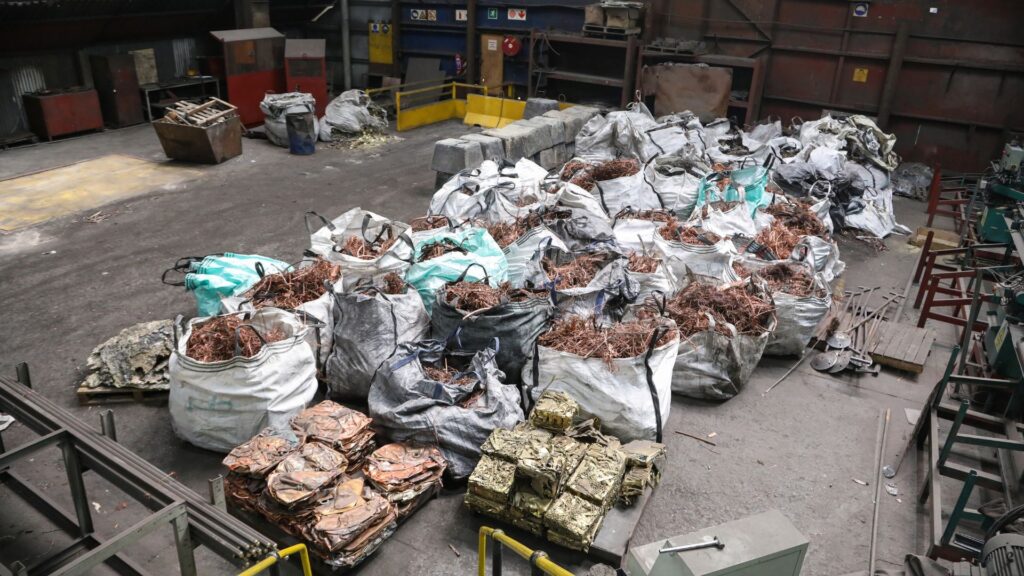
A local scrap metal recycler plays an important role in every community. These businesses help collect, sort, and prepare valuable metals for recycling. Without them, large amounts of reusable materials could end up in landfills instead of returning to productive use. They connect households, factories, contractors, demolition companies, and manufacturers with the wider recycling industry.
Although global recycling often receives more attention, local recyclers form the foundation of the entire supply chain. They gather materials from nearby sources and prepare them for larger buyers, processing plants, and manufacturers. Their work keeps valuable metals moving through the recycling cycle while supporting local economies.
Local Recyclers Keep Valuable Metals in Circulation
Every day, valuable metals are removed from homes, offices, factories, and construction sites.
Old machinery, damaged vehicles, broken appliances, and unused equipment all contain recyclable materials.
A local scrap metal recycler helps recover these valuable resources before they become waste.
Steel, copper, aluminum, brass, stainless steel, and lead can all return to manufacturing.
This reduces the need to extract new raw materials from the earth.
Recycling also helps conserve natural resources for future generations.
Many industries depend on recycled metals to support daily production.
Without local collection, many valuable materials would simply be lost.
Every recycled item creates another opportunity for manufacturing.
Supporting Local Businesses and Communities
Local recyclers contribute more than recycled materials.
They also support local employment and business growth.
Construction companies rely on recyclers to remove metal waste from project sites.
Factories depend on them to collect production offcuts and damaged equipment.
Vehicle repair shops often recycle worn parts instead of sending them to disposal sites.
Small businesses also benefit from responsible metal collection services.
Communities become cleaner when recyclable materials are removed properly.
Well-managed recycling yards improve waste management throughout the region.
Everyone benefits when valuable metals stay within the recycling system.
Preparing Scrap for Larger Buyers
Most recycled metals require preparation before reaching manufacturers.
A local scrap metal recycler sorts materials into different categories.
Steel remains separate from aluminum, copper, brass, and stainless steel.
Different grades within each metal category may also be separated.
Clean sorting improves recycling efficiency.
Proper preparation reduces processing work for larger recycling facilities.
Organized shipments also attract greater buyer confidence.
Accurate weighing and documentation support smoother transactions.
Professional preparation creates value throughout the supply chain.
Building Trust Through Honest Service
Trust is essential in the recycling business.
Customers want fair weighing and honest material grading.
Professional recyclers explain how different metals are classified.
They also answer customer questions openly.
Reliable communication encourages repeat visits.
Good customer service helps build lasting business relationships.
Many suppliers continue working with the same recycler for years.
Consistency creates confidence for both buyers and sellers.
Honest business practices strengthen the entire recycling industry.
Environmental Benefits Reach Everyone
Recycling protects more than business profits.
It also protects the environment.
Recycled metals require less energy than producing metals from newly mined ore.
Lower energy use helps reduce greenhouse gas emissions.
Recycling also decreases landfill waste.
Communities become cleaner when valuable metals receive proper handling.
Responsible recycling reduces unnecessary pollution.
Every shipment contributes to a healthier environment.
A local scrap metal recycler supports both economic and environmental sustainability.
Technology Improves Local Recycling
Modern recyclers increasingly use digital tools.
Electronic scales improve weighing accuracy.
Inventory software helps track incoming and outgoing materials.
Portable metal analyzers identify different alloys quickly.
Digital records simplify customer transactions.
Online communication allows recyclers to connect with larger buyers.
Professional websites also help customers locate nearby services.
Technology improves efficiency without replacing personal service.
Innovation helps local recycling businesses remain competitive.
Local Recyclers Connect to Global Markets
Many people think local recycling ends at the neighborhood yard.
In reality, it often becomes part of an international supply chain.
Local recyclers sell prepared metals to processing facilities and exporters.
Those businesses then supply manufacturers around the world.
A local scrap metal recycler acts as the first link in this larger network.
Without local collection, international recycling would become much more difficult.
Every truckload collected locally may eventually support factories in another country.
Small local efforts contribute to global manufacturing success.
Strong Partnerships Create Better Results
Successful recycling depends on cooperation.
Customers, recyclers, transport companies, processors, and manufacturers all play important roles.
Professional relationships make the entire process more efficient.
Reliable suppliers receive dependable service.
Recyclers appreciate customers who sort materials carefully.
Manufacturers value consistent quality.
Working together benefits everyone involved.
Trust and communication strengthen every stage of the recycling journey.
A local scrap metal recycler is far more than a collection point for unwanted metals. These businesses support communities, protect the environment, prepare valuable materials for manufacturing, and connect local suppliers with national and international markets. By providing honest service, accurate grading, professional preparation, and reliable partnerships, local recyclers help keep the recycling industry moving forward. Whether you are a homeowner, contractor, factory owner, or business operator, working with a trusted local scrap metal recycler is an important step toward building a cleaner, more sustainable, and more productive future.
Preparing Industrial Metals for Better Returns
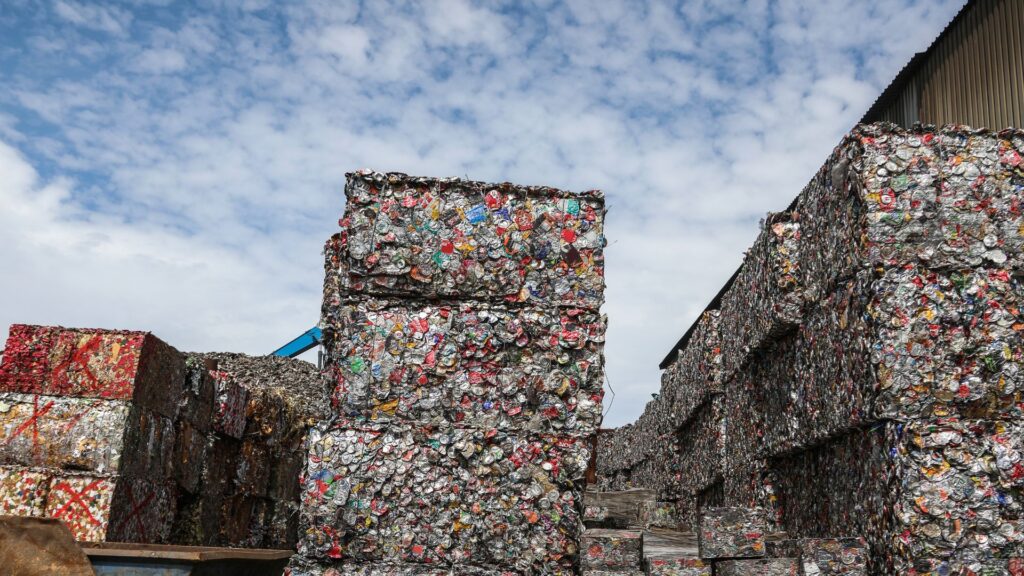
Industrial metals hold significant value when prepared correctly before sale. Factories, warehouses, shipyards, construction companies, and demolition projects often generate large amounts of recyclable metal. However, simply collecting scrap is not enough. Good preparation can increase buyer confidence and improve your returns. While a local scrap metal recycler can help identify valuable materials, your preparation makes the biggest difference.
Whether you handle steel, aluminum, copper, stainless steel, brass, or mixed industrial scrap, careful organization creates better opportunities. Buyers appreciate suppliers who present clean, sorted, and well-documented materials. A little effort today can produce stronger results tomorrow.
Sort Metals Before Selling
Sorting is the most important preparation step.
Keep steel separate from stainless steel, aluminum, copper, brass, and lead.
Avoid mixing different metal types in one pile.
Separate clean materials from contaminated materials whenever possible.
Different grades often receive different buyer attention.
Clearly label storage areas to prevent confusion.
Well-organized materials simplify inspections.
Professional sorting reduces processing work after delivery.
A local scrap metal recycler also appreciates suppliers who organize materials before arrival.
Preparation begins with proper separation.
Remove Unwanted Contamination
Clean metals usually attract stronger buyer interest.
Remove plastic, rubber, wood, insulation, glass, dirt, oil, and unnecessary attachments whenever practical.
Avoid damaging valuable metals during cleaning.
Simple preparation saves buyers valuable processing time.
Clean materials also create better first impressions during inspections.
Photographs become clearer when materials look organized.
Professional presentation supports better negotiations.
Every improvement helps increase buyer confidence.
Clean scrap reflects careful business practices.
Store Materials Correctly
Storage conditions help preserve metal quality.
Keep industrial metals in dry and organized locations.
Protect materials from standing water and chemical contamination.
Separate valuable metals into clearly marked storage sections.
Organized facilities improve workplace safety.
Good storage also simplifies loading operations.
Buyers appreciate suppliers who maintain clean yards.
Professional storage demonstrates responsible management.
Simple organization protects long-term material value.
Every well-kept storage area creates a positive impression.
Create Accurate Inventory Records
Professional documentation builds trust.
Prepare inventory lists showing estimated quantities and metal types.
Record steel, copper, aluminum, brass, stainless steel, and other materials separately.
Take recent photographs before marketing your inventory.
Accurate records reduce unnecessary questions.
Digital files make information easier to share with buyers.
Professional documentation speeds up negotiations.
Reliable records also simplify transportation planning.
Preparation creates smoother business transactions.
Good paperwork supports buyer confidence.
Present Your Materials Professionally
Marketing begins with presentation.
Create honest listings describing your available metals.
Mention estimated quantities, material types, and storage conditions.
Include recent photographs showing the actual materials.
Avoid using outdated images.
Keep listings updated whenever inventory changes.
Professional presentations attract more serious buyers.
A local scrap metal recycler may also recommend improvements before marketing large quantities.
Clear information strengthens your reputation.
Prepare for Buyer Inspections
Many buyers request inspections before purchasing.
Organize your materials before inspection day.
Ensure different metals remain clearly separated.
Have inventory records available for review.
Answer buyer questions honestly and professionally.
Provide inspection reports if available.
Transparency reduces misunderstandings.
Professional preparation speeds up decision-making.
Every inspection becomes an opportunity to demonstrate reliability.
Good preparation leaves a lasting impression.
Understand Buyer Expectations
Different buyers have different priorities.
Steel mills often seek structural steel.
Manufacturers may require copper or aluminum.
Foundries sometimes focus on specific alloy grades.
Learning buyer preferences helps you prepare better offers.
Reliable communication improves negotiations.
Quality often matters as much as quantity.
Understanding customer needs creates stronger partnerships.
Preparation becomes easier when you know buyer expectations.
Knowledge supports better business decisions.
Build Long-Term Relationships
One successful sale should become the beginning of future business.
Stay in contact with your buyers after delivery.
Inform them when new industrial metals become available.
Ask for feedback about shipment quality.
Reliable service encourages repeat business.
Satisfied buyers often recommend dependable suppliers.
A trusted local scrap metal recycler can also become a valuable long-term partner by providing guidance and market insights.
Strong relationships create stability throughout changing markets.
Trust remains one of your greatest business assets.
Preparing industrial metals for better returns requires more than collecting recyclable materials. Careful sorting, proper cleaning, organized storage, accurate documentation, professional presentation, and honest communication all improve buyer confidence. Working with a reliable local scrap metal recycler can also help you identify valuable materials and prepare them correctly. By focusing on quality and organization, you increase your chances of securing better offers while building lasting relationships in the growing industrial recycling market.
Building Trust with Verified Scrap Buyers
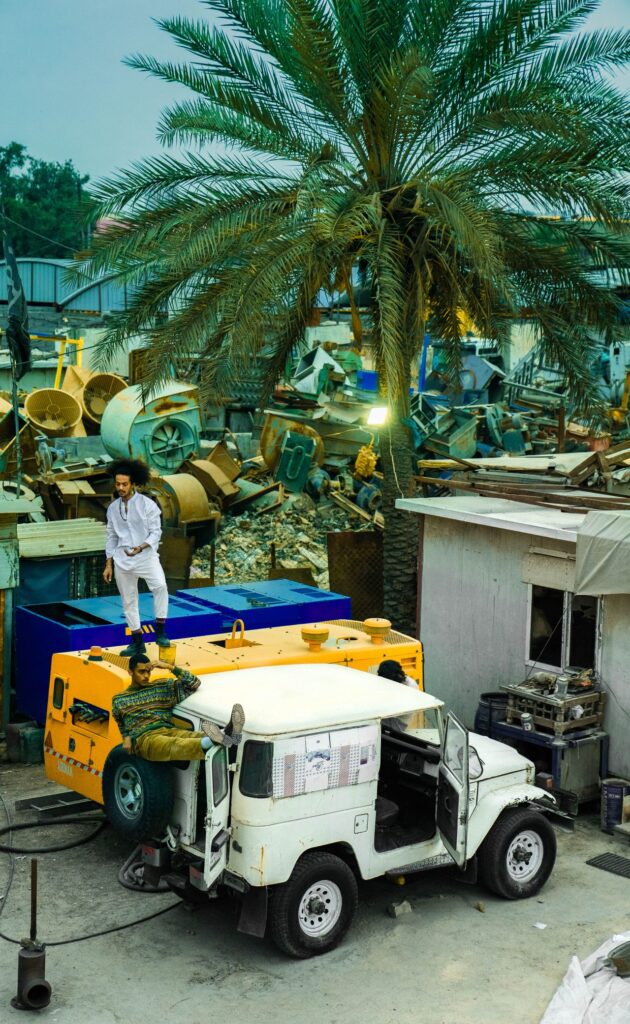
Trust is one of the most valuable assets in the recycling industry. Whether you sell steel, aluminum, copper, stainless steel, or mixed industrial scrap, reliable buyers make every transaction smoother. A verified buyer gives you confidence that your materials will be handled professionally. While many sellers begin with a local scrap metal recycler, building relationships with verified buyers can also open doors to larger regional and international opportunities.
Successful partnerships do not happen by chance. They develop through honest communication, consistent quality, and professional business practices. When buyers trust you, they are more likely to return with future business and recommend your company to others.
Start with Honest Communication
Every successful partnership begins with clear communication.
Reply to buyer questions as soon as possible.
Provide honest information about your available materials.
Never exaggerate quality or quantity.
If your inventory changes, inform the buyer immediately.
Accurate information prevents misunderstandings during negotiations.
Professional communication creates confidence from the first conversation.
Reliable buyers appreciate suppliers who speak openly.
Trust grows through honesty and consistency.
Simple communication often prevents expensive mistakes.
Provide Accurate Material Information
Verified buyers want clear details before making decisions.
Prepare inventory lists showing each metal type separately.
Identify steel, copper, aluminum, brass, and stainless steel correctly.
Estimate quantities as accurately as possible.
Include recent photographs of your materials.
Show storage conditions and loading areas whenever possible.
Professional presentations reduce buyer uncertainty.
A local scrap metal recycler can also help confirm material grades before marketing larger shipments.
Accurate information creates stronger buyer confidence.
Keep Documentation Organized
Professional paperwork supports successful transactions.
Prepare commercial invoices, packing lists, inventory reports, and inspection records before shipment.
Ensure all documents match the actual materials.
Well-organized paperwork demonstrates professionalism.
Digital copies simplify communication with buyers.
Accurate records reduce delays during transportation and customs procedures.
Reliable documentation strengthens business relationships.
Preparation creates smoother negotiations.
Good paperwork reflects responsible business management.
Deliver Consistent Quality
Quality creates repeat business.
Sort your metals before shipment.
Keep steel separate from aluminum, copper, brass, stainless steel, and mixed scrap.
Remove unnecessary contamination whenever practical.
Store materials in clean and dry areas.
Professional preparation saves buyers processing time.
Reliable quality encourages buyers to return.
Consistency builds confidence throughout every transaction.
Strong quality standards improve your business reputation.
Every shipment represents your company.
Be Transparent During Inspections
Many verified buyers request inspections before purchasing.
Welcome inspections with confidence.
Organize your materials before the inspection begins.
Answer every question honestly.
Provide photographs, inventory records, and inspection reports whenever available.
Transparency helps buyers evaluate your materials accurately.
Professional cooperation reduces unnecessary delays.
Open communication builds stronger relationships.
Verified buyers appreciate suppliers who have nothing to hide.
Trust grows through transparency.
Learn What Buyers Need
Every buyer has different requirements.
Some purchase only specific metal grades.
Others require regular monthly shipments.
Certain manufacturers have strict quality standards.
Ask questions before preparing your offer.
Listen carefully to buyer expectations.
Understanding customer priorities improves cooperation.
Better preparation creates stronger negotiations.
Learning buyer preferences helps you build lasting partnerships.
Knowledge supports business success.
Stay Connected After Every Sale
Business should continue after delivery.
Contact buyers to confirm the shipment arrived safely.
Ask whether the materials met expectations.
Request feedback about communication and documentation.
Share updates when new materials become available.
Regular communication keeps your business visible.
Satisfied buyers often recommend dependable suppliers.
A trusted local scrap metal recycler may also introduce you to verified buyers seeking reliable suppliers.
Professional follow-up demonstrates commitment to customer satisfaction.
Build a Reputation That Lasts
Your reputation becomes one of your strongest business advantages.
Verified buyers remember dependable suppliers.
Professional behavior creates valuable referrals.
Reliable service encourages repeat business.
Many buyers prefer trusted suppliers instead of searching for new ones.
Keep your promises whenever possible.
Respond professionally during unexpected situations.
Strong reputations take time to build but deliver lasting rewards.
Trust remains one of the most valuable investments in recycling.
Building trust with verified scrap buyers requires honesty, preparation, and consistent professional service. Accurate material descriptions, organized documentation, quality shipments, and clear communication all strengthen buyer confidence. While many businesses begin working with a local scrap metal recycler, long-term success often comes from developing trusted relationships with verified buyers who value reliability and professionalism. By focusing on trust as much as quality, you position your business for repeat orders, valuable referrals, and lasting growth in the global recycling industry.
Growing Demand for Recycled Metals Worldwide
The demand for recycled metals continues growing across the world. Manufacturers, builders, and industrial companies all need reliable metal supplies. Recycled metals help meet this demand while protecting valuable natural resources. Every local scrap metal recycler plays an important role in keeping this global supply chain moving.
Years ago, many companies relied mostly on newly mined metals. Today, businesses understand the benefits of recycling. Recycled steel, aluminum, copper, brass, and stainless steel perform well in many industries. They also help reduce production costs and environmental impact. This combination makes recycled metals more valuable than ever.
As recycling grows, new business opportunities continue appearing. Small recycling yards, factory owners, demolition companies, and exporters all benefit from stronger international demand. The future looks bright for businesses that prepare quality materials and build trusted partnerships.
Manufacturing Continues Driving Demand
Factories around the world need recycled metals every day.
Steel supports machinery, equipment, and industrial production.
Copper powers electrical systems and manufacturing equipment.
Aluminum appears in appliances, packaging, and transportation products.
Stainless steel serves food processing, healthcare, and chemical industries.
Manufacturers appreciate recycled metals because they lower production costs.
They also help companies meet sustainability goals.
Reliable material supplies keep production lines operating efficiently.
A local scrap metal recycler often provides the first step in this supply chain.
Without local collection, many valuable materials would never reach manufacturers.
Construction Projects Need Recycled Materials
Construction remains one of the largest users of recycled metals.
Buildings require structural steel for strength and durability.
Copper wiring powers homes, offices, and commercial buildings.
Aluminum appears in roofing systems, doors, windows, and curtain walls.
Bridges, airports, rail stations, and warehouses also require recycled metals.
Growing cities continue creating new construction opportunities.
Developing countries invest heavily in modern infrastructure.
These projects increase worldwide demand for recycled materials.
Construction companies appreciate dependable metal suppliers.
Every completed project creates future recycling opportunities as well.
Renewable Energy Expands Recycling Markets
Renewable energy continues transforming global industries.
Solar farms require aluminum frames and copper wiring.
Wind turbines contain steel, copper, and other valuable metals.
Battery storage systems also depend on recyclable materials.
Governments continue investing in cleaner energy solutions.
These investments increase demand for recycled metals.
Manufacturers prefer recycled materials because they support environmental goals.
Sustainability has become a major business priority.
A local scrap metal recycler helps collect materials that support tomorrow’s energy projects.
The clean energy transition creates exciting opportunities for recyclers.
Global Trade Connects Buyers and Sellers
Modern recycling is truly international.
Some countries produce more recyclable metals than they use.
Others require imported materials to support manufacturing.
Global trade connects these markets efficiently.
Professional logistics move recycled metals across continents.
Digital communication allows buyers and sellers to negotiate quickly.
Accurate documentation supports smooth international shipments.
Reliable transportation keeps supply chains moving.
Strong international demand creates opportunities for businesses of every size.
Local recycling efforts now contribute to worldwide manufacturing.
Technology Improves Recycling Efficiency
Technology continues changing the recycling industry.
Modern sorting equipment identifies metal grades more accurately.
Portable analyzers recognize valuable alloys within seconds.
Digital inventory systems improve warehouse organization.
Electronic records simplify customer communication.
Online marketplaces help recyclers reach international buyers.
Automation also improves safety and productivity.
Technology reduces waste while increasing recovery rates.
Innovation helps recycling businesses remain competitive.
Modern tools create better business opportunities.
Sustainability Shapes the Future
Environmental awareness continues growing worldwide.
Businesses want to reduce waste and conserve natural resources.
Recycling helps achieve both goals.
Producing recycled metals usually requires less energy than mining new materials.
Lower energy use also reduces carbon emissions.
Customers increasingly support environmentally responsible companies.
Governments encourage recycling through environmental programs.
Responsible business practices strengthen company reputations.
A local scrap metal recycler supports these efforts by collecting valuable materials within the community.
Every recycled shipment contributes to a cleaner future.
Quality Creates Better Opportunities
Growing demand also increases buyer expectations.
International buyers want clean, sorted, and accurately described materials.
Professional preparation improves buyer confidence.
Separate different metals before storage and shipment.
Prepare accurate inventory records and recent photographs.
Communicate honestly throughout every transaction.
Reliable suppliers often receive repeat business.
Quality remains one of the strongest competitive advantages.
Preparation creates long-term success.
Growing demand for recycled metals worldwide creates exciting opportunities for businesses throughout the recycling industry. Manufacturing, construction, renewable energy, and global trade all depend on reliable supplies of recycled materials. A local scrap metal recycler remains an essential part of this growing network by collecting, sorting, and preparing metals for larger markets. By focusing on quality, sustainability, technology, and professional relationships, you position your business to benefit from the expanding global demand for recycled metals for many years to come.