
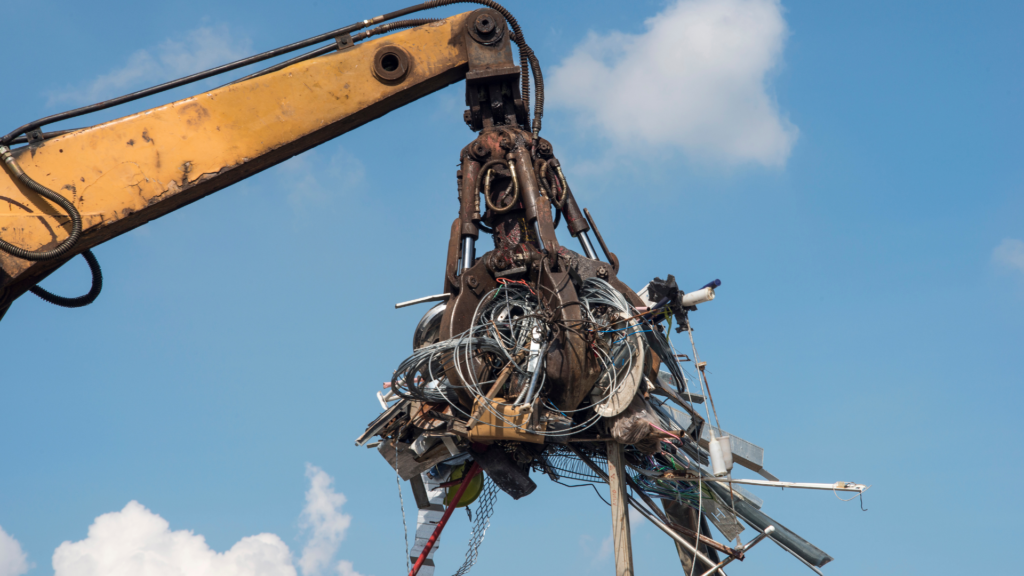
A scrap inventory is much more than a collection of old metal. It represents hidden value waiting to be discovered. Whether your inventory comes from a factory, warehouse, marine vessel, demolition project, or industrial plant, taking time to evaluate it carefully helps you make better business decisions. A detailed evaluation allows you to identify valuable materials, estimate their worth, and prepare your inventory for successful negotiations.
Many sellers make the mistake of looking only at the total weight of their scrap. Experienced buyers know there is much more to consider. Material quality, metal types, reusable equipment, storage conditions, and documentation all influence the final value. A careful evaluation helps you avoid overlooking valuable opportunities while presenting your inventory professionally.
Following local scrap metal prices gives you a useful understanding of market trends. However, combining market knowledge with a thorough inventory evaluation creates even stronger results.
Begin with a Complete Site Inspection
Every inventory evaluation starts with a careful walkthrough.
Take time to inspect the entire site before moving any materials.
Observe how the inventory is arranged and identify different storage areas.
Look for steel, aluminum, copper, brass, stainless steel, cast iron, and other recyclable metals.
Notice machinery, structural components, electrical equipment, and reusable assets.
Pay attention to site access because transportation planning begins during the inspection.
Take notes as you move through the project.
Photographs also help document the original condition of the inventory.
A complete overview creates the foundation for accurate evaluation.
Separate Materials by Type
Sorting materials into categories improves both evaluation and future sales.
Keep structural steel separate from stainless steel and aluminum.
Store copper wiring away from mixed electrical equipment.
Separate brass fittings, cast iron, and other valuable metals into clearly identified groups.
Organized materials allow buyers to inspect your inventory more efficiently.
Proper separation also reduces processing costs after purchase.
Clean storage areas make estimating quantities much easier.
Professional organization demonstrates that the inventory has been managed carefully.
Well-sorted materials usually attract stronger buyer interest than mixed scrap piles.
Estimate Quantities Carefully
Accurate quantity estimates are essential during evaluation.
Weigh materials whenever practical.
If weighing is not possible, estimate quantities using measurements and visual observations.
Count reusable equipment separately from recyclable materials.
Measure large structural sections before transportation planning begins.
Update quantity records whenever materials are moved or removed.
Good estimates improve buyer confidence because they support realistic pricing discussions.
Reliable inventory records also simplify transportation planning.
Professional preparation reduces misunderstandings throughout the sales process.
Evaluate Material Quality
Quality often matters just as much as quantity.
Inspect materials for rust, corrosion, dents, contamination, or structural damage.
Surface rust is common on outdoor equipment and usually creates little concern.
However, severe corrosion may reduce recycling value.
Check whether plastic, wood, rubber, insulation, or concrete remains attached to recyclable metals.
Clean materials generally require less processing after purchase.
Well-maintained machinery may also offer resale opportunities before recycling begins.
Accurate quality assessments help buyers understand exactly what they are purchasing.
Honest evaluations build trust throughout negotiations.
Identify Reusable Equipment
Not every item in your inventory belongs in the recycling pile.
Many machines continue holding value beyond their metal content.
Inspect motors, generators, pumps, compressors, conveyors, cranes, and hydraulic systems carefully.
Some equipment only requires minor repairs before returning to service.
Marine vessels also contain reusable navigation systems, anchors, winches, and cargo handling equipment.
Warehouse operations may include shelving, forklifts, and automated systems worth evaluating.
Recovering reusable equipment before recycling often increases overall project value.
Professional inspections help identify these opportunities.
Review Supporting Documentation
Documentation strengthens every inventory evaluation.
Gather ownership certificates before marketing your materials.
Review maintenance records whenever available.
Inspection reports prepared by independent professionals provide valuable information.
Factories often maintain equipment inventories and purchase records.
Marine projects may include vessel registration documents and technical drawings.
Organized paperwork helps buyers verify important project details quickly.
Professional documentation reduces uncertainty during negotiations.
Reliable records create stronger buyer confidence from the beginning.
Consider Storage and Accessibility
Storage conditions influence inventory value more than many people expect.
Inspect how materials have been stored.
Look for weather damage, contamination, or unnecessary exposure.
Check whether heavy equipment can easily reach loading areas.
Clear access routes reduce future transportation costs.
Large machinery should remain positioned where cranes or forklifts can operate safely.
Organized storage improves safety while making inspections easier.
Professional site layouts create positive impressions during buyer visits.
Good accessibility also speeds up loading once agreements are completed.
Combine Evaluation with Market Knowledge
Market awareness strengthens every inventory assessment.
Following local scrap metal prices helps you estimate current recycling values more accurately.
Different metals experience different market movements throughout the year.
Steel, aluminum, copper, brass, and stainless steel rarely increase or decrease together.
Market knowledge supports realistic pricing discussions.
At the same time, remember that quality, organization, documentation, and transportation also influence final offers.
Preparation always works best alongside current market information.
Well-informed decisions create stronger business opportunities.
Careful Evaluation Creates Better Results
Evaluating scrap inventories is much more than counting piles of metal. It involves understanding material quality, identifying reusable equipment, reviewing documentation, estimating quantities, and preparing the entire project for successful negotiations. Every careful observation helps reveal hidden value while improving buyer confidence.
Monitoring local scrap metal prices provides valuable market insight, but organized evaluations often determine the real success of a recycling project. Buyers appreciate suppliers who present accurate inventories because inspections become faster, pricing discussions become clearer, and transportation planning becomes easier.
Whether your inventory comes from factories, warehouses, marine vessels, demolition projects, or industrial facilities, investing time in careful evaluation creates lasting advantages. Strong preparation reduces uncertainty while supporting smoother transactions from beginning to end.
As the recycling industry continues growing, businesses that evaluate inventories professionally will remain well positioned for long-term success. Every accurate record, organized storage area, clear photograph, and honest assessment strengthens your reputation. Over time, these consistent efforts help build trusted relationships, better negotiations, and more profitable recycling opportunities.
Improving Scrap Presentation
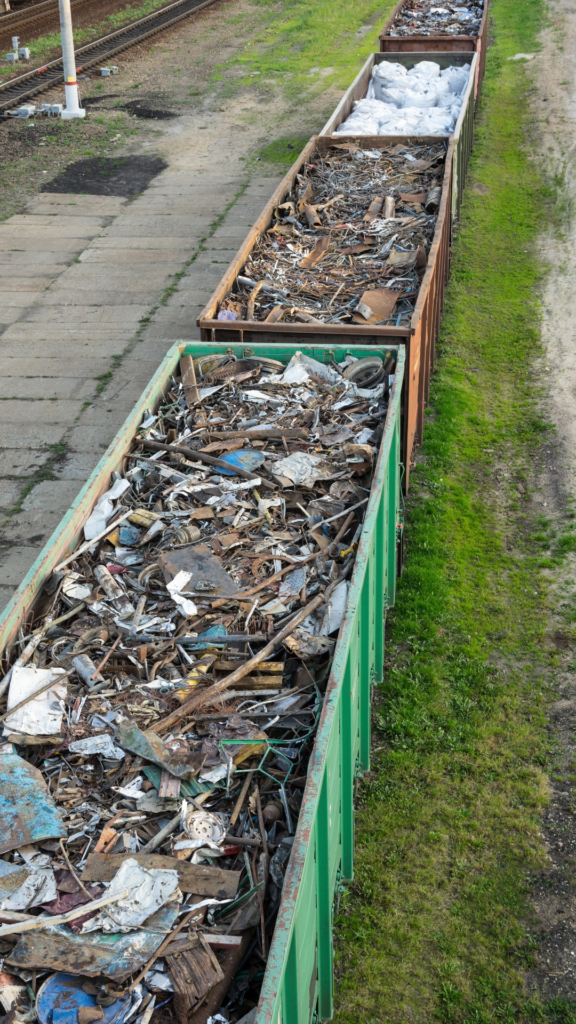
First impressions matter in every business, including the recycling industry. Buyers often form an opinion about your scrap long before they discuss pricing. A clean, organized, and professionally presented inventory immediately creates confidence. It shows that you take your business seriously and that you value the buyer’s time. Good presentation can also make inspections faster and negotiations much smoother.
Many suppliers focus only on collecting materials. However, the way those materials are displayed can influence buyer interest just as much as the quantity itself. An organized site helps buyers identify valuable metals quickly while reducing unnecessary questions. Small improvements in presentation often lead to stronger offers and better long-term relationships.
Keeping track of local scrap metal prices helps you understand current market conditions. Presenting your scrap professionally allows you to make the most of those market opportunities.
Organize Materials by Metal Type
One of the easiest ways to improve presentation is by sorting materials properly.
Separate steel, aluminum, copper, brass, stainless steel, and cast iron into different storage areas.
Avoid creating one large mixed pile because buyers need extra time to inspect mixed materials.
Keep reusable machinery separate from items intended only for recycling.
Label different sections clearly whenever practical.
Organized materials make inspections much faster and more accurate.
Buyers appreciate suppliers who save them time during evaluations.
Well-sorted inventories also reduce handling costs after purchase.
Simple organization creates a much stronger first impression.
Clean Away Unnecessary Waste
Scrap does not need to look brand new, but it should look organized.
Remove unnecessary rubbish before inspections.
Separate wood, plastic, rubber, insulation, cardboard, and concrete from recyclable metals whenever possible.
Clear away loose debris around machinery and structural components.
Clean access routes also improve safety during inspections.
Removing obvious contamination helps buyers estimate material value more accurately.
Well-presented scrap demonstrates professionalism while reducing processing work after purchase.
Even small cleaning efforts create noticeable improvements.
A tidy worksite reflects careful business practices.
Arrange Materials for Easy Viewing
Presentation improves when buyers can inspect materials without difficulty.
Place larger structural steel where it remains visible.
Arrange machinery so important components are easy to examine.
Stack similar materials together instead of spreading them randomly across the site.
Leave enough space for buyers to walk safely between storage areas.
Avoid blocking valuable equipment behind unrelated materials.
Good visibility allows buyers to evaluate projects more efficiently.
Organized layouts also simplify photography during inspections.
Easy access supports faster decision-making and smoother negotiations.
Highlight Valuable Equipment
Not every item should immediately be viewed as scrap.
Some machinery may still have resale value.
Position reusable generators, pumps, compressors, conveyors, motors, and hydraulic systems where buyers can inspect them easily.
Separate these assets from general recyclable materials.
Clean identification plates whenever practical.
Provide basic information about equipment condition and operating history.
Professional presentation encourages buyers to consider both resale and recycling opportunities.
Recovering reusable equipment often increases the total value of your project.
Highlighting valuable assets creates stronger buyer interest.
Prepare Clear Inventory Records
Good presentation extends beyond physical organization.
Prepare a simple inventory list describing available materials.
Include estimated quantities, material types, and storage locations.
Assign identification numbers to larger machinery if necessary.
Keep inventory records available during inspections.
Accurate documentation helps buyers match written information with physical materials.
Professional records demonstrate that your project has been carefully managed.
Organized paperwork reduces confusion while strengthening buyer confidence.
Strong documentation supports every successful presentation.
Take High-Quality Photos and Videos
Many buyers first evaluate projects remotely.
Professional photographs create excellent first impressions before site visits occur.
Take pictures during daylight using clear viewing angles.
Capture both wide images and close-up details.
Show machinery, structural steel, electrical systems, storage areas, and valuable components.
Videos provide additional confidence because buyers can view the project more naturally.
Keep digital files organized for quick sharing.
Good visual presentation often encourages buyers to schedule inspections more quickly.
Professional images support stronger marketing efforts.
Make Inspections Easy
Buyers appreciate suppliers who prepare inspection sites thoughtfully.
Ensure access roads remain clear.
Provide enough space for forklifts, cranes, and inspection vehicles.
Gather ownership documents and inspection reports before buyers arrive.
Answer questions honestly during the inspection.
Allow buyers enough time to examine important materials carefully.
Professional preparation reduces unnecessary delays.
Smooth inspections create positive experiences that encourage future business.
Simple planning demonstrates reliability while strengthening professional relationships.
Well-organized inspections often lead to better negotiations.
Combine Presentation with Market Awareness
Presentation becomes even more valuable when combined with market knowledge.
Following local scrap metal prices helps you understand current demand for different materials.
Well-presented inventories allow you to discuss pricing with greater confidence.
Explain how sorting, cleaning, documentation, and organization improve the overall value of your project.
Buyers often recognize these additional benefits during negotiations.
Preparation alone cannot replace market knowledge, but together they create a powerful advantage.
Professional presentation strengthens every conversation.
Good organization supports stronger financial results over time.
Better Presentation Creates Better Opportunities
Improving scrap presentation is one of the simplest ways to strengthen your recycling business. Organized materials, clean work areas, accurate documentation, clear photographs, and well-planned inspections all help buyers evaluate projects with confidence. Every improvement demonstrates professionalism while making the transaction easier for everyone involved.
Monitoring local scrap metal prices provides useful market insight, but presentation often influences how buyers perceive the true value of your inventory. Clean, organized scrap consistently attracts more attention than mixed or poorly arranged materials because buyers can inspect it more efficiently.
Whether you manage factory equipment, marine vessels, demolition materials, warehouses, or industrial machinery, investing time in presentation creates lasting benefits. Strong first impressions encourage smoother negotiations, faster inspections, and greater buyer confidence throughout the sales process.
As the recycling industry continues becoming more competitive, professional presentation will remain one of your strongest advantages. Every organized storage area, accurate inventory, high-quality photograph, and prepared inspection reflects your commitment to quality. Over time, these small improvements help build trusted relationships, stronger offers, and long-term success in the growing recycling market.
Understanding Buyer Expectations
Every successful scrap metal transaction begins with understanding what buyers truly want. While price is certainly important, it is only one part of the decision-making process. Experienced buyers also evaluate material quality, documentation, communication, logistics, and the professionalism of the supplier. When you understand these expectations, you can prepare your project more effectively and increase your chances of completing a successful sale.
Many suppliers believe that having a large quantity of scrap is enough to attract buyers. In reality, buyers want confidence that the materials match the description, the documentation is complete, and the transaction will proceed smoothly. Meeting these expectations creates trust, encourages repeat business, and helps build long-term partnerships.
Following local scrap metal prices gives you valuable insight into current market conditions. However, understanding buyer expectations allows you to turn that market knowledge into stronger business opportunities.
Buyers Want Accurate Information
One of the first things buyers expect is honest and complete information.
Provide clear descriptions of your available materials before discussions begin.
Explain the type of metals, estimated quantities, storage location, and overall condition.
If your project includes machinery, mention whether equipment is operational or intended only for recycling.
Avoid exaggerated claims about quality or quantity.
Professional buyers usually verify important details during inspections.
Accurate information saves valuable time for everyone involved.
Honest communication creates confidence from the first conversation.
Reliable suppliers often receive repeat inquiries because buyers appreciate consistent transparency.
Good information forms the foundation of every successful transaction.
Clean and Organized Materials Matter
Buyers naturally prefer materials that are easy to inspect and process.
Separate steel, aluminum, copper, brass, stainless steel, and other metals whenever possible.
Remove unnecessary waste such as plastic, wood, rubber, insulation, and concrete before inspections.
Organized materials reduce handling costs after purchase.
Well-arranged storage areas also make inspections faster and safer.
Buyers appreciate suppliers who invest time in preparation.
Professional presentation demonstrates attention to detail.
Even small improvements in organization create positive first impressions.
Clean materials often support smoother negotiations because buyers understand exactly what they are evaluating.
Documentation Builds Buyer Confidence
Good documentation remains one of the strongest signs of professionalism.
Prepare accurate inventory records before contacting buyers.
Gather ownership certificates, inspection reports, maintenance records, and supporting photographs whenever available.
Marine projects may require registration records and technical documentation.
Factories often maintain equipment inventories and purchase histories.
Well-organized paperwork reduces uncertainty during negotiations.
Buyers appreciate suppliers who respond quickly to documentation requests.
Professional records simplify inspections while supporting faster decision-making.
Complete documentation helps build trust throughout every stage of the transaction.
Buyers Appreciate Good Communication
Communication influences every successful business relationship.
Respond to buyer inquiries promptly.
Answer questions clearly and honestly.
If additional information is needed, explain when it will be available.
Keep buyers informed if project schedules or available quantities change.
Professional communication reduces misunderstandings.
Buyers value suppliers who remain reliable throughout the sales process.
Simple updates often prevent unnecessary confusion.
Respectful conversations encourage long-term business relationships instead of one-time transactions.
Strong communication remains one of your greatest competitive advantages.
Quality Always Matters
Quantity attracts attention, but quality often determines the final decision.
Buyers inspect materials carefully before making offers.
Surface rust on steel is usually acceptable, but severe corrosion deserves attention.
Clean metals generally require less additional processing.
Reusable equipment also increases project value when identified properly.
Well-maintained machinery may attract resale interest before recycling begins.
Professional inspections help confirm material condition.
Accurate quality assessments support fair pricing discussions.
Reliable quality encourages repeat business because buyers know what to expect.
Consistency builds confidence over time.
Logistics Influence Buyer Decisions
Transportation planning plays an important role during every recycling project.
Buyers often ask about loading facilities before discussing final pricing.
Explain whether forklifts, cranes, or heavy lifting equipment are available.
Describe site access for trucks and oversized vehicles.
Mention storage conditions and working space.
Well-prepared logistics reduce transportation costs and project delays.
Professional planning makes the buying process much easier.
Buyers appreciate suppliers who think ahead instead of solving problems at the last moment.
Good logistics improve the overall customer experience.
Buyers Value Professional Relationships
Many recycling businesses focus only on completing individual transactions.
Experienced buyers often think differently.
They prefer working with suppliers who consistently communicate professionally and honor agreements.
Building trust creates opportunities beyond the current project.
Reliable suppliers frequently receive early inquiries about future purchases.
Satisfied buyers also recommend dependable businesses to colleagues.
Long-term relationships reduce marketing efforts while increasing business stability.
Professional behavior creates lasting value far beyond a single sale.
Every positive experience strengthens your reputation within the recycling industry.
Combine Buyer Expectations with Market Knowledge
Understanding buyer expectations becomes even more valuable when combined with market awareness.
Following local scrap metal prices helps you discuss current market conditions confidently.
Explain how quality, organization, documentation, and transportation influence your pricing expectations.
Professional buyers appreciate suppliers who understand industry trends.
At the same time, remain flexible because every project has unique characteristics.
Knowledge supports productive conversations rather than unnecessary disagreements.
Preparation and market awareness work best together.
Strong negotiation begins with understanding both the buyer and the market.
Meeting Expectations Leads to Long-Term Success
Understanding buyer expectations is one of the smartest ways to improve your recycling business. Buyers want much more than competitive prices. They value honest information, organized materials, complete documentation, smooth logistics, professional communication, and reliable business relationships. Meeting these expectations creates confidence while making every transaction more efficient.
Keeping track of local scrap metal prices helps you understand market trends, but successful sales depend on much more than pricing alone. Careful preparation allows buyers to evaluate your project quickly while reducing uncertainty throughout the negotiation process.
Whether you are selling factory equipment, marine vessels, demolition materials, warehouses, or industrial machinery, focusing on buyer expectations strengthens every stage of the transaction. Professional planning creates better first impressions, smoother inspections, and stronger business partnerships.
As the recycling industry continues expanding across local and international markets, businesses that consistently meet buyer expectations will remain well positioned for future growth. Every organized project, honest conversation, and successful transaction builds your reputation. Over time, that reputation becomes one of your greatest business assets, opening the door to larger opportunities and lasting success in the recycling industry.
Creating Successful Transactions

Every successful scrap metal transaction begins long before the final agreement is signed. It starts with careful preparation, honest communication, and a commitment to building trust. Whether you are selling factory equipment, marine vessels, demolition materials, warehouse inventory, or industrial machinery, every step you take before negotiations can influence the final outcome. A smooth transaction benefits both the buyer and the seller while creating opportunities for future business.
Many recycling projects involve large investments, detailed inspections, and careful planning. Buyers want confidence that the materials match the description, while sellers want fair value for their assets. When both sides communicate openly and work toward the same goal, transactions become faster, easier, and more successful.
Understanding local scrap metal prices helps you estimate market value before discussions begin. However, creating successful transactions depends on much more than knowing current prices.
Prepare Everything Before Meeting Buyers
Preparation is one of the strongest foundations of every successful transaction.
Gather accurate information about your available materials before contacting buyers.
Prepare inventory lists showing material types, estimated quantities, and overall condition.
Collect ownership documents, maintenance records, inspection reports, and supporting photographs.
If machinery is included, identify reusable equipment before classifying it as scrap.
Review transportation arrangements before negotiations begin.
Well-prepared projects reduce buyer questions while creating confidence from the first conversation.
Professional organization demonstrates that you value both your project and your potential buyer.
Preparation always creates stronger business opportunities.
Build Trust Through Transparency
Trust is often the deciding factor in successful recycling transactions.
Describe your materials honestly from the beginning.
Explain any damage, missing components, or limitations before inspections take place.
Avoid exaggerated quantity estimates or unrealistic promises.
Professional buyers appreciate suppliers who provide accurate information.
Unexpected surprises can delay negotiations or weaken buyer confidence.
Transparent communication reduces misunderstandings while strengthening professional relationships.
Reliable businesses earn repeat customers because buyers know they can depend on consistent information.
Trust grows through honesty during every stage of the transaction.
Present Your Inventory Professionally
A well-presented inventory immediately creates a positive impression.
Separate steel, aluminum, copper, brass, stainless steel, and other metals into organized storage areas.
Keep reusable equipment separate from recyclable materials.
Clean away unnecessary waste before inspections.
Label different material groups whenever practical.
Prepare clear inventory records that buyers can review easily.
Professional photographs and videos also help buyers understand the project before visiting.
Organized presentation demonstrates professionalism while simplifying inspections.
Good presentation supports smoother negotiations from beginning to end.
Communicate Clearly Throughout the Process
Strong communication keeps transactions moving forward.
Respond to buyer inquiries promptly.
Answer questions using simple and accurate language.
Keep buyers informed if project schedules or available quantities change.
Confirm important agreements in writing after discussions.
Professional communication reduces confusion while building confidence.
Respectful conversations also encourage long-term business relationships.
Reliable updates help buyers plan inspections, transportation, and financial arrangements more effectively.
Every successful transaction depends on clear communication.
Make Inspections Easy
Inspections help buyers verify material quality before completing purchases.
Prepare the site before buyers arrive.
Ensure access roads remain clear for trucks and lifting equipment.
Arrange materials so buyers can inspect them safely.
Gather documentation before inspection day.
Allow buyers enough time to examine important equipment carefully.
Answer questions honestly throughout the inspection.
Professional preparation creates positive experiences while reducing unnecessary delays.
Smooth inspections encourage buyers to move confidently toward final agreements.
Understand the Buyer’s Perspective
Successful sellers think beyond their own goals.
Consider what buyers need before negotiations begin.
Buyers often value organized documentation, clean materials, efficient loading, and reliable communication.
Transportation planning also influences their decisions.
Providing useful information before buyers request it demonstrates professionalism.
Understanding buyer priorities helps create solutions instead of disagreements.
Successful negotiations usually happen when both sides feel respected.
Thinking from the buyer’s perspective strengthens every business relationship.
Mutual understanding creates lasting partnerships.
Use Market Knowledge Wisely
Market awareness supports stronger negotiations.
Following local scrap metal prices helps you understand current recycling trends.
Different metals respond differently to changing industrial demand.
Steel, aluminum, copper, brass, and stainless steel rarely move together.
Current prices provide useful guidance during discussions.
However, remember that preparation, quality, documentation, and transportation also influence final offers.
Well-informed sellers explain pricing confidently without creating unnecessary conflict.
Knowledge supports productive negotiations while building buyer confidence.
Build Relationships Beyond the Current Sale
Every transaction creates an opportunity for future business.
Treat buyers as long-term partners instead of one-time customers.
Maintain communication after successful projects are completed.
Share updates about future recycling opportunities when appropriate.
Reliable buyers often return because they value trustworthy suppliers.
Satisfied customers also recommend dependable businesses to colleagues.
Strong relationships reduce marketing efforts while creating consistent business opportunities.
Professional cooperation benefits everyone involved.
Long-term success grows from lasting partnerships.
Successful Transactions Create Lasting Growth
Creating successful transactions is about much more than agreeing on a final price. It requires preparation, transparency, professional communication, organized presentation, and a willingness to understand the needs of both buyers and sellers. Every positive experience strengthens your reputation while opening the door to future opportunities.
Keeping up with local scrap metal prices helps you understand market conditions, but true success comes from combining market knowledge with careful planning. Buyers consistently appreciate suppliers who provide accurate information, complete documentation, clean inventories, and reliable communication throughout the transaction.
Whether you are selling factory equipment, marine vessels, demolition materials, warehouses, or industrial machinery, investing time in preparation creates long-term benefits. Smooth inspections, honest conversations, and professional organization reduce uncertainty while supporting stronger negotiations.
As the recycling industry continues growing across local and international markets, businesses that focus on creating successful transactions will remain ahead of the competition. Every organized project, trusted relationship, and completed agreement strengthens your business foundation. By consistently delivering professional service, you position yourself for repeat customers, larger opportunities, and lasting success in the evolving world of scrap metal recycling.