
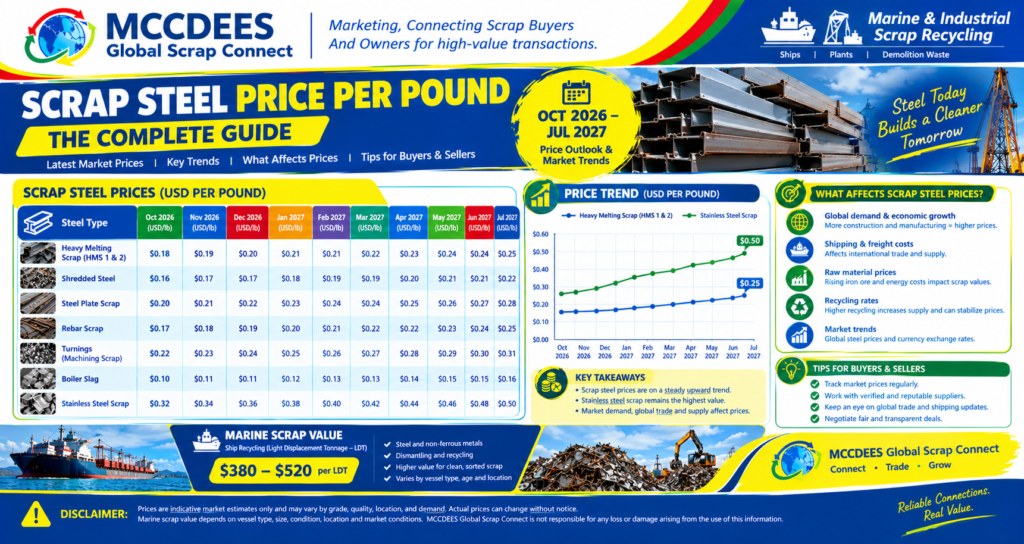
Steel recycling is one of the most important parts of the global recycling industry. Every year, millions of tons of steel return to production instead of becoming waste. This process saves energy, protects natural resources, and supports manufacturing around the world. Many people monitor the scrap steel price per pound, but price is only one part of the bigger economic picture.
Steel remains one of the easiest materials to recycle because it can be reused many times without losing strength. This makes recycled steel valuable for construction, transportation, manufacturing, and infrastructure projects. Understanding the economics behind steel recycling helps you make better business decisions and recognize future opportunities.
Supply and Demand Drive Steel Prices
Like many products, steel prices depend on supply and demand.
When manufacturers need more steel, recycling demand usually increases.
Higher demand often creates stronger buying activity.
When industrial production slows, demand may decrease.
Construction projects also influence steel consumption.
Large infrastructure investments increase steel requirements.
Manufacturing industries require dependable steel supplies every day.
Many businesses monitor the scrap steel price per pound before buying or selling materials.
However, market demand remains the biggest influence on pricing.
Understanding demand helps you plan more effectively.
Recycling Saves Energy and Money
Producing recycled steel usually requires less energy than producing new steel from iron ore.
Lower energy use reduces manufacturing costs.
Energy savings also help lower environmental impact.
Manufacturers appreciate these financial advantages.
Recycling also reduces mining activity.
Protecting natural resources benefits future generations.
Lower production costs improve business competitiveness.
Companies increasingly choose recycled steel because it supports sustainability goals.
Economic and environmental benefits work together.
Everyone benefits from responsible recycling.
Collection and Processing Add Value
Steel recycling begins long before materials reach manufacturers.
Collection is the first important step.
Construction sites generate structural steel and reinforcement bars.
Factories produce steel offcuts during manufacturing.
Old vehicles, machinery, ships, and buildings also provide valuable steel.
Recycling facilities sort and prepare these materials carefully.
Clean, organized steel attracts greater buyer interest.
Processing improves material quality before shipment.
Every preparation step increases overall value.
Professional handling supports better market opportunities.
Transportation Influences Profitability
Transportation costs affect steel recycling economics.
Heavy materials require efficient logistics.
Shorter transport distances usually reduce expenses.
Access to ports, railways, and highways improves efficiency.
Reliable transportation keeps supply chains moving.
Good planning reduces unnecessary delays.
Well-organized shipments save time and money.
Businesses calculate logistics carefully before making purchases.
Transportation remains an important part of pricing decisions.
Efficiency improves profitability.
Quality Creates Better Returns
Not all steel carries the same value.
Clean structural steel often attracts stronger buyer interest.
Mixed materials require additional sorting.
Contamination increases processing costs.
Professional preparation improves buyer confidence.
Separate steel from aluminum, copper, stainless steel, and other metals.
Remove unnecessary waste whenever practical.
Organized storage protects material quality.
Many buyers evaluate quality alongside the scrap steel price per pound.
Preparation creates stronger negotiating opportunities.
Global Trade Expands Market Opportunities
Steel recycling has become an international business.
Some countries export large amounts of recyclable steel.
Others import recycled steel to support manufacturing.
Global trade balances supply and demand.
International buyers seek dependable suppliers.
Professional documentation supports cross-border shipments.
Digital communication simplifies negotiations.
Reliable logistics strengthen international partnerships.
Export opportunities continue expanding worldwide.
Global trade supports industry growth.
Technology Improves Recycling Efficiency
Technology continues transforming steel recycling.
Advanced sorting systems identify metals more accurately.
Digital inventory software improves warehouse management.
Electronic records simplify customer communication.
Automation increases processing speed.
Modern equipment reduces waste.
Portable analyzers improve material identification.
Technology also strengthens workplace safety.
Innovation helps businesses remain competitive.
Modern recycling becomes more efficient every year.
Long-Term Growth Looks Promising
Steel will remain essential for modern life.
Construction continues expanding worldwide.
Manufacturing depends on dependable steel supplies.
Renewable energy projects also require large steel quantities.
Infrastructure investments support future demand.
Environmental awareness encourages greater recycling.
Governments continue promoting sustainable industries.
Businesses increasingly prefer recycled materials.
While many people follow the scrap steel price per pound, long-term market growth depends on much more than daily prices.
Preparation, quality, and strong partnerships create lasting success.
Understanding the economics of steel recycling helps you see the bigger picture behind the market. Supply and demand, energy savings, transportation, quality, technology, and global trade all influence business opportunities. While the scrap steel price per pound remains an important market indicator, long-term success depends on efficient operations, professional preparation, and strong customer relationships. By understanding these economic factors, you position yourself to make informed decisions and succeed in the growing global steel recycling industry.
Valuable Steel Hidden in Industrial Equipment
Industrial equipment often reaches the end of its working life long before its materials lose value. Many machines that seem worn out still contain large amounts of recyclable steel. Instead of viewing old equipment as waste, you can see it as a valuable resource. While many businesses watch the scrap steel price per pound, understanding where valuable steel is hidden helps you maximize every recycling opportunity.
Factories, warehouses, shipyards, power plants, and construction sites all contain aging equipment waiting for replacement. These machines hold steel that can return to manufacturing through responsible recycling. Careful inspection and preparation help recover the highest possible value.
Heavy Machinery Contains Large Steel Volumes
Industrial machinery is built for strength and durability.
Manufacturers use thick steel to handle heavy workloads.
Large presses contain strong steel frames.
Production machines include heavy steel supports.
Industrial conveyors also contain structural steel components.
Storage tanks use durable steel plates.
Factory platforms rely on steel frameworks.
Old cranes contain valuable structural sections.
Heavy equipment often provides impressive recycling opportunities.
Strong steel remains valuable after decades of service.
Manufacturing Equipment Offers Hidden Value
Many factory machines contain more recyclable steel than expected.
Cutting machines include strong steel housings.
Packaging equipment uses steel frames and supports.
Industrial mixers contain heavy-duty steel components.
Material handling systems rely on structural steel.
Processing equipment also includes valuable metal sections.
Even damaged machinery often contains recyclable steel.
Professional dismantling protects these materials.
Recovered steel supports future manufacturing projects.
Nothing valuable should be overlooked.
Buildings and Plants Hold Recyclable Steel
Industrial facilities contain more than production equipment.
Warehouse shelving often uses structural steel.
Factory staircases, walkways, and handrails contain recyclable materials.
Large pipes include steel sections.
Support beams strengthen industrial buildings.
Steel roofing structures also hold recycling value.
Storage racks contain reusable metal components.
Demolition projects recover large steel quantities.
Careful planning improves recovery efficiency.
Every structure contains hidden opportunities.
Proper Sorting Increases Material Value
Recovery begins with careful organization.
Separate steel from aluminum, copper, brass, and stainless steel.
Remove unnecessary contamination before storage.
Clean steel attracts stronger buyer interest.
Organized materials simplify inspections.
Professional preparation reduces processing costs.
Accurate grading improves negotiations.
Well-prepared shipments create buyer confidence.
Many sellers compare offers using the scrap steel price per pound before completing transactions.
Preparation often improves final returns.
Equipment Inspections Reveal More Opportunities
Detailed inspections help identify valuable materials.
Look beyond visible steel frames.
Examine internal supports carefully.
Inspect machinery foundations.
Check maintenance platforms and steel enclosures.
Review storage systems thoroughly.
Document every recoverable section.
Professional inspections reduce overlooked materials.
Detailed inventories improve buyer evaluations.
Good preparation increases project value.
Documentation Supports Better Sales
Professional records strengthen buyer confidence.
Prepare inventory lists showing estimated steel quantities.
Take recent photographs before dismantling begins.
Include machinery, storage systems, and structural components.
Inspection reports improve buyer understanding.
Accurate documentation reduces unnecessary questions.
Digital records simplify communication.
Professional paperwork speeds negotiations.
Reliable information supports smoother transactions.
Preparation reflects responsible business management.
Recycling Supports Sustainable Manufacturing
Recovered steel protects valuable natural resources.
Recycling reduces the need for additional mining.
Manufacturing recycled steel usually requires less energy.
Lower energy use helps reduce greenhouse gas emissions.
Responsible recycling keeps valuable resources in productive use.
Manufacturers increasingly prefer recycled steel.
Environmental responsibility strengthens business reputation.
Communities benefit from cleaner industrial practices.
Sustainability supports future business opportunities.
Every recovered machine contributes to a healthier environment.
Market Knowledge Improves Business Decisions
Understanding market conditions strengthens negotiations.
Construction activity influences steel demand.
Manufacturing growth increases recycling opportunities.
Infrastructure projects require dependable steel supplies.
Transportation industries also consume recycled steel.
Many businesses monitor the scrap steel price per pound to understand market movements.
However, quality, quantity, and preparation remain equally important.
Knowledge improves planning.
Professional preparation supports long-term success.
Valuable steel is hidden throughout industrial equipment, factory machinery, storage systems, and structural facilities. Careful inspections, professional sorting, accurate documentation, and responsible recycling help recover the greatest possible value. While many businesses follow the scrap steel price per pound before selling recyclable materials, successful recycling also depends on preparation, quality, and market knowledge. By recognizing the hidden steel inside aging industrial equipment, you can maximize returns while supporting sustainable manufacturing and the growing global demand for recycled steel.
Digital Networks Linking Scrap Owners and Buyers
Digital technology has transformed the recycling industry in remarkable ways. Years ago, finding reliable buyers often required many phone calls and personal visits. Today, you can connect with buyers around the world using online platforms and digital tools. While many businesses monitor the scrap steel price per pound, successful trading now depends equally on strong digital connections.
Whether you sell steel, aluminum, copper, stainless steel, or marine scrap, digital networks help you reach more buyers in less time. They also improve communication, simplify negotiations, and create new business opportunities. A well-managed online presence can open doors that were once difficult to reach.
Online Platforms Expand Your Market
Online marketplaces connect scrap owners with buyers worldwide.
You no longer depend only on nearby recycling companies.
Professional listings introduce your materials to international customers.
Clear descriptions attract serious inquiries.
Recent photographs help buyers evaluate materials quickly.
Accurate inventory information creates confidence.
Regular updates keep your listings active.
Well-presented materials receive greater attention.
Many buyers compare available materials while monitoring the scrap steel price per pound.
Digital platforms increase business visibility every day.
Professional Communication Builds Trust
Good communication creates successful partnerships.
Reply to buyer messages quickly.
Provide honest answers to every question.
Explain your materials clearly.
Share accurate quantities before negotiations begin.
Inform buyers immediately about important changes.
Professional conversations reduce misunderstandings.
Reliable communication strengthens business relationships.
Trust grows through consistency and transparency.
Strong communication supports repeat business.
Digital Documentation Simplifies Transactions
Modern business depends on organized records.
Prepare inventory reports before marketing your materials.
Create commercial invoices when required.
Include inspection reports whenever available.
Store documents electronically for easy sharing.
Digital files reduce paperwork delays.
Accurate records improve buyer confidence.
Professional documentation supports international transactions.
Reliable paperwork reflects responsible business management.
Preparation saves valuable time.
Video Inspections Save Time
Technology makes remote inspections much easier.
Video calls allow buyers to view materials without traveling.
Live demonstrations answer buyer questions immediately.
Multiple camera angles improve visibility.
Recent recordings support future discussions.
Video inspections reduce unnecessary travel expenses.
Professional presentations strengthen buyer confidence.
Clear demonstrations improve negotiation efficiency.
Technology creates smoother purchasing decisions.
Visual communication builds trust.
Social Media Creates New Opportunities
Social media supports business growth.
Professional company pages increase visibility.
Regular updates keep buyers informed.
Share available inventory with your audience.
Educational posts demonstrate industry knowledge.
Professional photographs attract greater attention.
Meaningful conversations strengthen relationships.
Satisfied customers may recommend your business online.
Social media expands your professional network.
Consistency creates stronger brand recognition.
Market Information Supports Better Decisions
Digital tools provide valuable market insights.
Industry news becomes available quickly.
Construction activity influences steel demand.
Manufacturing trends affect buyer interest.
Transportation costs also impact pricing.
Many businesses review the scrap steel price per pound before making buying decisions.
However, experienced traders study broader market conditions.
Knowledge strengthens negotiations.
Preparation improves business planning.
Build Long-Term Digital Relationships
Technology connects businesses, but trust keeps them together.
Stay in contact after completing transactions.
Notify buyers when new materials become available.
Ask for feedback after successful deliveries.
Respond professionally to customer concerns.
Reliable service encourages repeat business.
Strong relationships create long-term opportunities.
Satisfied buyers often recommend dependable suppliers.
Professional follow-up keeps your business memorable.
Every conversation strengthens your reputation.
Technology Will Continue Changing Recycling
Digital innovation continues improving the recycling industry.
Artificial intelligence supports material identification.
Automation improves sorting efficiency.
Cloud storage simplifies record management.
Online payment systems increase convenience.
Mobile applications improve communication.
Digital tracking supports shipment visibility.
Technology reduces unnecessary business delays.
Businesses adopting innovation remain competitive.
The future belongs to prepared companies.
Digital networks have transformed the way scrap owners connect with buyers around the world. Online marketplaces, video inspections, electronic documentation, social media, and modern communication tools all make trading faster and more efficient. While many businesses monitor the scrap steel price per pound to understand market conditions, long-term success also depends on building trusted digital relationships and maintaining professional business practices. By embracing technology and communicating effectively, you position your business for continued growth in the expanding global recycling industry.
Future Opportunities in Global Scrap Markets
The global scrap market continues growing as industries seek more sustainable ways to source raw materials. Steel, copper, aluminum, stainless steel, and other recyclable metals are becoming more valuable every year. Manufacturers want dependable recycled materials to reduce production costs and protect natural resources. While many businesses monitor the scrap steel price per pound, future opportunities depend on much more than daily market prices.
New technologies, stronger environmental policies, and expanding international trade continue reshaping the recycling industry. Businesses that prepare for these changes will enjoy better opportunities in the years ahead. The future belongs to companies that stay informed, adapt quickly, and build trusted partnerships.
Green Industries Will Drive Future Demand
Environmental responsibility has become a global priority.
Manufacturers increasingly choose recycled metals over newly mined materials.
Recycled steel requires less energy during production.
Lower energy use helps reduce greenhouse gas emissions.
Many companies have established sustainability goals.
Governments also encourage cleaner industrial practices.
Construction companies now value environmentally responsible materials.
Renewable energy projects require dependable recycled metals.
Growing environmental awareness strengthens recycling markets.
Future demand looks increasingly promising.
Infrastructure Growth Creates New Markets
Many countries continue investing in infrastructure.
New bridges require structural steel.
Railway systems consume large metal quantities.
Airports depend on durable steel construction.
Industrial warehouses also require recycled materials.
Urban expansion creates continuous construction opportunities.
Growing populations increase infrastructure needs.
Manufacturers depend on reliable steel supplies.
Many businesses watch the scrap steel price per pound while planning future projects.
Construction remains a powerful market driver.
Technology Will Expand Business Opportunities
Technology continues changing the recycling industry.
Artificial intelligence improves material identification.
Automation increases sorting efficiency.
Digital inventory systems simplify warehouse management.
Cloud storage protects important business records.
Online marketplaces connect suppliers with buyers worldwide.
Video inspections reduce unnecessary travel.
Electronic documentation speeds international transactions.
Technology creates faster business decisions.
Innovation strengthens global recycling operations.
International Trade Will Continue Growing
Global trade supports recycling industry growth.
Some countries export recyclable steel.
Others depend on imported recycled materials.
Professional logistics connect these markets efficiently.
Modern ports handle larger cargo volumes.
Reliable shipping supports international partnerships.
Digital communication simplifies negotiations.
Improved transportation reduces delivery delays.
Cross-border cooperation strengthens recycling businesses.
Global opportunities continue expanding.
Buyers Will Expect Higher Standards
Future buyers will become even more selective.
Clean, sorted materials attract greater interest.
Professional preparation improves buyer confidence.
Accurate grading reduces pricing disputes.
Reliable documentation supports smoother transactions.
Recent photographs improve marketing efforts.
Honest communication strengthens business relationships.
Consistent quality encourages repeat business.
Preparation creates valuable competitive advantages.
Professionalism builds lasting trust.
Circular Economy Will Keep Growing
The circular economy encourages continuous material reuse.
Steel can be recycled many times.
Recycled materials remain valuable throughout multiple production cycles.
Manufacturers increasingly design products for easier recycling.
Governments encourage waste reduction programs.
Consumers support environmentally responsible businesses.
Natural resources receive greater protection through recycling.
Every recovered metal contributes to sustainable development.
Responsible recycling supports long-term economic growth.
The circular economy creates exciting future opportunities.
Strong Partnerships Will Matter More
Successful recycling depends on trusted relationships.
Reliable suppliers attract dependable buyers.
Professional communication strengthens cooperation.
Satisfied customers often recommend trusted businesses.
Long-term partnerships reduce market uncertainty.
Consistent service encourages repeat transactions.
Mutual respect supports lasting business growth.
Trust becomes one of your greatest business assets.
Many companies consider reliability alongside the scrap steel price per pound during purchasing decisions.
Relationships remain essential for future success.
Knowledge Creates Competitive Advantages
The recycling industry continues evolving rapidly.
Market conditions change throughout the year.
Environmental regulations continue developing.
Technology introduces new business opportunities.
Successful businesses continue learning.
Industry knowledge improves decision-making.
Understanding buyer expectations strengthens negotiations.
Preparation helps businesses adapt quickly.
Continuous learning supports long-term growth.
Knowledge always creates opportunity.
The future of global scrap markets offers exciting opportunities for businesses prepared to embrace change. Green manufacturing, infrastructure development, advanced technology, international trade, and the circular economy will continue increasing demand for recycled steel and other valuable metals. While many businesses monitor the scrap steel price per pound to understand market trends, long-term success depends on quality, innovation, professional relationships, and continuous learning. By preparing today for tomorrow’s opportunities, you position your business to grow alongside the expanding global recycling industry.