
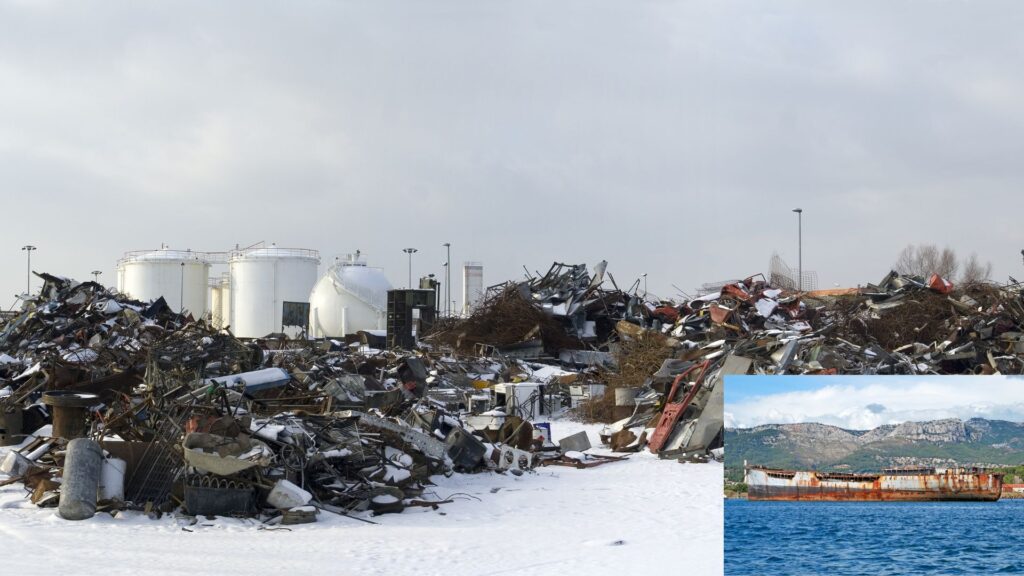
When a ship reaches the end of its working life, its journey is far from over. Instead of becoming abandoned or forgotten, a retired vessel can become a valuable source of recyclable materials in a metal recycling yard. Vessel demolition gives old ships a new purpose by recovering metals and equipment that can return to productive use. This process benefits ship owners, recycling companies, manufacturers, and the environment.
Many people see an old vessel as a large piece of scrap metal. In reality, it is much more than that. A ship contains thousands of tons of reusable materials, including steel, iron, copper, aluminum, brass, stainless steel, and valuable machinery. Careful dismantling allows these resources to be recovered and sold to buyers who need them.
For ship owners, demolition creates an opportunity to recover value from assets that no longer generate income. Instead of paying to maintain an unused vessel, you can transform it into a profitable recycling project. Once recovered, many of these materials eventually find their way to a metal recycling yard, where they begin another useful life.
Every Part of a Vessel Has Potential Value
One of the biggest advantages of vessel demolition is that nearly every section of a ship has recycling potential.
The hull contains massive quantities of structural steel and iron. These materials form the backbone of the vessel and usually represent the largest share of its recycling value.
Deck plates, bulkheads, stairways, railings, cargo holds, and support beams also contribute valuable recyclable metals. Even after decades of service, these materials remain useful for manufacturing new products.
Inside the vessel, valuable machinery adds even more revenue opportunities. Engines, generators, pumps, compressors, anchors, winches, and propeller systems contain recyclable metals that continue holding market value.
Electrical systems include copper wiring, switchboards, transformers, and motors. Plumbing systems contain pipes, fittings, and valves made from different recyclable metals.
Furniture, storage racks, kitchen equipment, and safety systems may also contain reusable components before recycling begins.
Every recovered item increases the overall value of the demolition project while reducing unnecessary waste.
Careful Dismantling Maximizes Revenue
Successful vessel demolition requires planning rather than simply cutting the ship into pieces.
Professional recycling teams usually begin with a detailed inspection. They identify valuable materials, estimate quantities, and develop a safe dismantling plan.
Hazardous materials are removed first to protect workers and the surrounding environment. Once safety procedures are complete, reusable equipment is carefully removed before structural cutting begins.
Large machinery often receives special attention because some components remain suitable for resale or refurbishment. Recovering reusable equipment creates additional income before metal recycling starts.
Structural steel is then cut into manageable sections for transportation and processing. Proper sorting separates different metal types, making them more attractive to buyers.
Organized demolition reduces waste while improving the quality of recyclable materials delivered to each metal recycling yard.
Better preparation usually results in higher overall returns because buyers appreciate clean, well-sorted scrap.
Steel Makes Up Most of the Revenue
Steel is the most common material found inside marine vessels. Because ships require exceptional strength, they contain enormous quantities of structural steel throughout their design.
The hull alone may contain thousands of tons of recyclable steel. Cargo ships, tankers, barges, offshore vessels, and passenger ships all provide significant quantities.
Recycled steel remains in constant demand because manufacturers use it to produce buildings, vehicles, machinery, bridges, pipelines, and industrial equipment.
Producing steel from recycled materials generally requires less energy than manufacturing new steel from raw iron ore. This makes recycled steel attractive for both economic and environmental reasons.
As construction and manufacturing industries continue growing, demand for recycled steel remains strong.
Ship owners benefit because steel often represents the largest portion of total demolition revenue.
Valuable Non-Ferrous Metals Increase Profits
Although steel dominates vessel recycling, other metals significantly increase project value.
Copper appears throughout electrical wiring, motors, generators, transformers, and communication systems. Aluminum is commonly found in lightweight structures, equipment housings, and deck fittings.
Brass and bronze appear in valves, bearings, propellers, pumps, and plumbing systems. Stainless steel is used where corrosion resistance is especially important.
Each of these metals has its own recycling value. Proper separation allows buyers to evaluate materials more accurately while reducing processing costs.
Professional recycling teams understand the importance of recovering every valuable component before dismantling progresses too far.
Even smaller quantities become meaningful when combined across an entire vessel.
By carefully separating materials, demolition companies improve revenue while supporting more efficient recycling operations.
Global Buyers Create Strong Market Demand
Marine recycling is no longer limited to local buyers. Today, recycled ship materials move through international supply chains that serve manufacturers around the world.
Steel mills, construction companies, machinery manufacturers, and industrial producers all purchase recycled metals from vessel demolition projects.
Professional scrap connectors help introduce vessel owners to verified international buyers seeking reliable supplies of recyclable materials.
Detailed inventories, photographs, inspection reports, and ownership documents help buyers evaluate projects before making offers.
Digital communication also simplifies negotiations. Video inspections and online documentation reduce delays while building buyer confidence.
Many recovered metals eventually arrive at a metal recycling yard, where they are processed before returning to manufacturing industries.
International demand creates additional opportunities for vessel owners willing to explore markets beyond their local region.
Environmental Benefits Add Long-Term Value
Vessel demolition does more than generate financial returns. It also plays an important role in environmental protection.
Recycling reduces the need for mining new raw materials, helping conserve valuable natural resources. Producing recycled metals generally requires less energy than creating new metals from ore.
Recovering usable materials also prevents valuable resources from entering landfills unnecessarily.
Responsible demolition includes proper handling of hazardous substances to protect nearby communities and marine ecosystems.
Governments and environmental organizations increasingly support sustainable ship recycling because it contributes to cleaner industrial practices.
Manufacturers also benefit by receiving dependable supplies of recycled materials that support their environmental goals.
Every properly dismantled vessel becomes part of the growing circular economy, where valuable materials remain in continuous use.
Planning Leads to Better Financial Results
Successful vessel demolition begins long before the first cut is made.
Accurate inspections help estimate available recyclable materials and identify reusable equipment. Detailed inventories improve buyer confidence during negotiations.
Keeping materials organized throughout dismantling also increases efficiency. Separating steel, copper, aluminum, brass, and stainless steel reduces processing time and attracts greater buyer interest.
Working with experienced recycling professionals improves safety while maximizing material recovery.
Comparing multiple offers before selling allows ship owners to evaluate different market opportunities. Local buyers may provide convenience, while international buyers sometimes offer stronger prices for large projects.
Careful planning ensures that every valuable component contributes to the final revenue generated from the vessel.
Every Retired Vessel Holds New Opportunities
A retired ship still has plenty to offer long after its final voyage. Beneath its weathered exterior lies a remarkable collection of recyclable materials that continue supporting industries worldwide. From structural steel and heavy machinery to copper wiring and specialized equipment, every section contributes to the vessel’s overall value.
Professional demolition transforms these materials into new opportunities by recovering resources that manufacturers need every day. Clean, organized recycling creates financial returns while reducing waste and supporting environmental sustainability.
Many of these recovered materials eventually pass through a metal recycling yard, where they are processed and prepared for new manufacturing projects. This continuous cycle keeps valuable resources in use while reducing pressure on natural reserves.
Whether you own cargo ships, barges, offshore vessels, fishing boats, or industrial marine equipment, vessel demolition offers an effective way to recover value from aging assets. With careful planning, responsible recycling, and access to reliable buyers, yesterday’s vessel can become tomorrow’s raw material, creating lasting benefits for your business and the global recycling industry.
Hidden Value in Marine Equipment and Structures
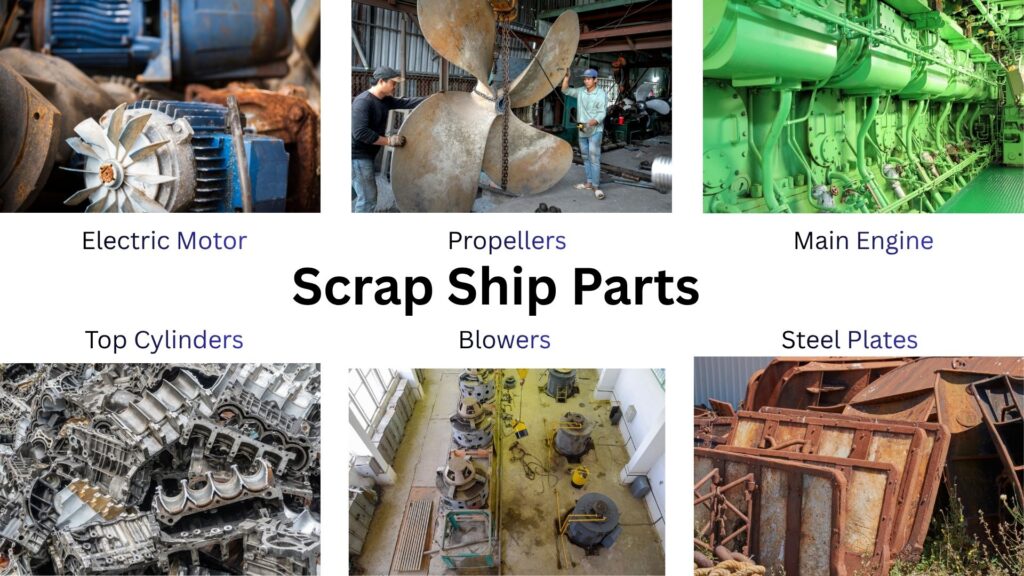
When people think about marine recycling, they often picture large ship hulls waiting to be dismantled. While the hull certainly holds significant value, it is only one part of the story. Marine equipment and supporting structures also contain valuable recyclable materials that many people overlook. These hidden resources can increase the overall value of a recycling project while supporting sustainable manufacturing.
Every retired vessel contains hundreds of components that served important purposes during years of operation. Although these parts may no longer function at sea, many still contain reusable metals and valuable equipment. Careful inspection often reveals opportunities that would otherwise be missed.
Whether you own an old cargo ship, fishing vessel, barge, offshore platform, or marine support equipment, hidden value may be waiting throughout the entire structure. Many of these recovered materials eventually arrive at a metal recycling yard, where they are processed and prepared for new manufacturing projects.
Marine Machinery Holds Valuable Metals
The engine room is one of the richest areas inside any marine vessel. It contains heavy machinery designed to perform under demanding conditions for many years.
Main engines include large steel housings, cast iron blocks, shafts, gears, and mounting frames. These components remain valuable even after the machinery reaches the end of its service life.
Generators also contribute significant recycling value. Their steel casings, copper windings, and mechanical components provide several recyclable materials within a single unit.
Pumps, compressors, hydraulic systems, and steering equipment contain additional metals that should never be overlooked during dismantling.
Large electric motors include valuable copper coils surrounded by heavy steel housings. Cooling systems also contain recyclable metals inside heat exchangers and supporting equipment.
Even if certain machines no longer operate, many parts still retain recycling value because manufacturers can recover their raw materials.
Recovering these hidden resources helps maximize the overall return from marine recycling projects.
Structural Components Offer More Than Steel
Most people recognize the value of a ship’s hull, but many supporting structures deserve equal attention.
Decks, stairways, walkways, ladders, platforms, railings, and safety barriers contain large amounts of recyclable metal. These components remain strong even after years of service in harsh marine environments.
Cargo hold supports, internal bulkheads, storage compartments, and maintenance platforms also contribute valuable recyclable materials.
Offshore structures provide another excellent example. Oil platforms, floating docks, marine terminals, and loading facilities contain extensive steel frameworks ready for recycling.
Storage tanks, pipe supports, maintenance walkways, and lifting structures all become valuable once dismantling begins.
Professional recycling teams understand that every structural component contributes to the overall value of the project.
Instead of focusing only on the largest sections, they carefully recover materials throughout the entire vessel or marine installation.
Electrical Systems Hide Valuable Resources
Marine electrical systems contain much more than simple wiring.
Thousands of meters of electrical cables run throughout most vessels. These cables contain valuable copper protected by durable insulation designed for marine conditions.
Control panels include steel enclosures, copper connectors, switches, breakers, and electrical components that continue holding recycling value.
Navigation equipment also contributes useful materials. Radar systems, communication devices, monitoring equipment, and electronic control systems often contain recyclable metals.
Lighting systems, emergency power equipment, battery storage units, and distribution cabinets provide additional recovery opportunities.
Transformers and switchboards contain heavy steel frames together with copper windings and electrical components.
Careful dismantling allows these valuable materials to be recovered before larger structural sections are processed.
Many recovered electrical components eventually reach a metal recycling yard, where metals are separated for future manufacturing.
Marine Hardware Adds Unexpected Value
Many smaller marine components may seem insignificant individually, yet together they create impressive recycling opportunities.
Anchors and anchor chains contain large quantities of heavy steel. Mooring equipment, towing gear, and lifting hooks also contribute valuable recyclable materials.
Winches, pulleys, cranes, and cargo handling systems include steel frames, gears, bearings, and hydraulic components ready for recovery.
Propellers often contain bronze or other valuable alloys that command attractive recycling prices. Rudders, shafts, and stabilizers also provide important recyclable materials.
Deck fittings such as cleats, bollards, hatch covers, hinges, and brackets remain valuable because of their durable construction.
Safety equipment, storage racks, maintenance tools, and protective barriers contribute additional recyclable metals during dismantling.
Recovering these overlooked components increases project value while reducing unnecessary waste.
Responsible Recycling Creates Long-Term Benefits
Recovering marine equipment supports more than financial returns. It also creates important environmental advantages.
Recycling valuable metals reduces demand for newly mined raw materials. This helps conserve natural resources while lowering energy consumption during manufacturing.
Proper dismantling also prevents useful materials from entering landfills unnecessarily. Instead, recovered metals return to production where they support new industries.
Responsible recycling includes safe handling of hazardous substances before dismantling begins. Protecting workers and the surrounding environment remains a top priority.
Manufacturers appreciate recycled materials because they provide dependable quality while supporting sustainability goals.
Governments also encourage responsible recycling through environmental policies designed to reduce industrial waste.
Every recovered engine, pipe, cable, and structural beam contributes to a cleaner and more efficient manufacturing system.
Global Buyers Recognize Marine Recycling Value
The market for recycled marine equipment continues expanding across international industries.
Steel mills purchase structural steel for new construction projects. Manufacturers recover copper, aluminum, brass, and stainless steel for future production.
Some marine equipment also attracts buyers looking for reusable components before recycling begins.
Professional scrap connectors help introduce vessel owners to verified international buyers seeking large quantities of recyclable materials.
Detailed inventories, photographs, inspection reports, and ownership documents improve buyer confidence while supporting smoother negotiations.
Digital communication also simplifies international business relationships. Video inspections and online documentation reduce delays before physical site visits.
Many recovered materials pass through a metal recycling yard before reaching manufacturers around the world.
Global demand continues creating attractive opportunities for businesses involved in marine recycling.
Careful Planning Maximizes Every Opportunity
Successful marine recycling depends on preparation and organization.
Begin with a complete inspection to identify valuable equipment and recyclable materials throughout the vessel. Accurate inventories help buyers evaluate projects more confidently.
Separate different metal types whenever possible. Steel, copper, aluminum, brass, stainless steel, and specialty alloys usually receive different market values.
Keep machinery, reusable components, and recyclable materials organized throughout the dismantling process. Clean materials often attract greater buyer interest.
Photographs and videos also improve communication with potential buyers before inspections take place.
Working with experienced recycling professionals helps maximize recovery while maintaining safety throughout the project.
Good planning transforms overlooked equipment into valuable business opportunities.
Hidden Marine Assets Deliver Lasting Value
Marine equipment and supporting structures contain far more value than many people realize. Beyond the ship’s hull lies an impressive collection of machinery, electrical systems, structural components, and specialized hardware ready for recovery. Every engine, cable, pump, platform, and anchor contributes to the overall success of a recycling project.
Careful dismantling ensures these valuable materials return to productive use instead of becoming unnecessary waste. Many recovered metals eventually arrive at a metal recycling yard, where they are processed and prepared for future manufacturing.
Whether you own retired vessels, offshore platforms, floating docks, or marine support equipment, hidden opportunities are waiting throughout every structure. By recognizing these valuable resources and working with experienced recycling professionals, you can maximize financial returns while supporting environmental sustainability.
The future of marine recycling continues growing as industries seek dependable recycled materials. Every recovered component helps build a stronger circular economy where valuable resources remain in continuous use, creating lasting benefits for businesses, manufacturers, and the environment alike.
Connecting Vessel Owners with Qualified Buyers
Finding the right buyer is one of the most important steps when selling a retired marine vessel. Many owners spend months searching for interested companies, only to receive unrealistic offers or deal with unreliable middlemen. A vessel may contain thousands of tons of valuable recyclable materials, but its full value often depends on connecting with serious and qualified buyers.
The good news is that the global recycling industry has become much more connected. Today, vessel owners can reach buyers from different countries through trusted business networks, digital platforms, and professional scrap connectors. Instead of relying on chance, you can present your vessel to companies actively searching for marine recycling projects.
Whether your vessel is a cargo ship, barge, fishing vessel, offshore support vessel, tanker, or passenger ship, qualified buyers want accurate information and honest communication. They also appreciate organized documentation and clear inspections before making purchasing decisions. Many recovered materials eventually move through a metal recycling yard, making reliable buyers an essential part of the recycling process.
Prepare Your Vessel Before Contacting Buyers
Preparation creates confidence from the very beginning. Before approaching potential buyers, gather as much information as possible about your vessel.
Start with the vessel’s basic details. Include its type, dimensions, construction year, estimated lightweight tonnage, current location, and ownership status.
Prepare a list of major equipment that remains onboard. Engines, generators, pumps, electrical systems, cranes, and navigation equipment all influence the vessel’s overall value.
Take clear photographs from different angles. Show the exterior, engine room, cargo areas, bridge, deck equipment, and structural condition. Good lighting makes inspections much easier.
Videos provide even greater confidence because buyers can see the vessel’s condition before arranging physical inspections.
Collect available documents such as registration records, ownership certificates, maintenance history, and inspection reports. Complete documentation speeds up negotiations while reducing unnecessary questions.
Professional preparation helps qualified buyers evaluate opportunities quickly and accurately.
Qualified Buyers Look Beyond Scrap Value
Experienced buyers understand that every vessel offers more than simple scrap metal.
Many ships contain reusable machinery, spare parts, electrical systems, and specialized marine equipment. Buyers carefully evaluate these components before estimating overall recycling value.
Engines, generators, anchors, propellers, pumps, compressors, and navigation equipment may attract additional interest beyond basic metal recovery.
Qualified buyers also inspect structural steel, stainless steel, copper wiring, aluminum components, and valuable alloys throughout the vessel.
Their goal is to maximize recovery by identifying every valuable resource before dismantling begins.
Because experienced buyers understand marine recycling, they often recognize opportunities that less experienced purchasers overlook.
This detailed evaluation helps create more accurate offers while supporting efficient recycling projects.
Transparency Builds Strong Business Relationships
Honesty remains one of the most valuable qualities in international recycling.
Buyers appreciate accurate descriptions of a vessel’s condition. Avoid exaggerating the quantity of recyclable materials or hiding damaged sections.
If equipment has already been removed, explain this clearly before inspections begin. Providing accurate information saves time for everyone involved.
Respond promptly to questions about documentation, ownership, inspections, and vessel history. Reliable communication builds trust throughout negotiations.
Video meetings also help strengthen relationships before physical visits occur. Buyers appreciate opportunities to discuss important details directly with vessel owners.
Transparency creates confidence that often leads to smoother negotiations and faster agreements.
Strong relationships frequently produce repeat business as buyers return for future opportunities.
Professional Scrap Connectors Simplify the Process
Many vessel owners have valuable assets but limited access to international buyers. Professional scrap connectors help bridge this gap.
These specialists maintain networks of verified recycling companies, ship recyclers, industrial buyers, and metal processors around the world.
Instead of contacting unknown companies individually, you gain access to buyers already interested in marine recycling projects.
Professional connectors also help qualify buyers before introductions take place. This reduces unnecessary discussions with companies lacking serious purchasing intentions.
Many connectors understand international trade procedures, inspection requirements, shipping logistics, and contract negotiations.
Their experience simplifies communication while helping both parties move efficiently toward successful agreements.
Professional introductions often save considerable time compared with searching independently.
Digital Technology Expands Global Opportunities
Modern communication has transformed the marine recycling industry.
Today, vessel owners can introduce ships to overseas buyers without immediate international travel.
Email allows photographs, inventory lists, and ownership documents to reach buyers within minutes. Cloud storage provides secure access to larger files and inspection reports.
Video conferencing supports live vessel walkthroughs that answer buyer questions immediately. Virtual inspections often reduce unnecessary travel during early negotiations.
Professional websites also improve visibility by presenting available vessels to international audiences.
Business networking platforms help connect vessel owners with companies specializing in marine demolition and recycling.
Technology allows buyers to review opportunities from almost anywhere in the world.
Once agreements are completed, recovered materials often continue their journey to a metal recycling yard before entering new manufacturing processes.
Documentation Makes Transactions Easier
Good documentation protects both buyers and sellers throughout every transaction.
Ownership certificates confirm legal possession of the vessel. Registration records help verify important technical information.
Inspection reports provide independent assessments of the vessel’s condition. Inventory lists describe available equipment and recyclable materials.
Photographs and videos support written descriptions by showing the actual condition of important components.
Accurate records reduce misunderstandings during negotiations while helping buyers estimate project costs more confidently.
International buyers especially appreciate organized documentation because it simplifies internal approval processes.
Preparing documents before marketing your vessel demonstrates professionalism while improving buyer confidence.
Long-Term Partnerships Create More Opportunities
Many successful marine recycling businesses grow through long-term relationships rather than one-time transactions.
After completing a sale, maintain communication with qualified buyers. Inform them when additional vessels or marine equipment become available.
Reliable suppliers often become preferred partners because buyers appreciate predictable quality and honest communication.
Professional relationships also create valuable referrals. Satisfied buyers frequently recommend dependable vessel owners to other companies within their business networks.
Consistency remains important throughout every project. Deliver requested documents promptly, honor agreed inspection schedules, and communicate openly about any changes.
Long-term partnerships often produce greater opportunities than constantly searching for new buyers.
Strong relationships benefit everyone involved in the marine recycling industry.
Connecting with the Right Buyers Unlocks Greater Value
Selling a retired vessel involves much more than finding someone willing to make an offer. The right buyer understands the true value hidden throughout the ship and has the experience to recover it responsibly. Careful preparation, honest communication, and complete documentation all increase your chances of attracting qualified companies.
Professional scrap connectors and digital communication tools have made international markets more accessible than ever before. Instead of limiting yourself to local opportunities, you can introduce your vessel to verified buyers across the world who regularly purchase marine recycling projects.
Many of the recovered materials eventually pass through a metal recycling yard, where they are processed for future manufacturing. By working with experienced buyers, you help valuable resources return to productive use while supporting sustainable industry.
Whether you own a single vessel or manage an entire fleet, building relationships with qualified buyers creates lasting business opportunities. Every successful connection transforms retired marine assets into valuable resources, benefiting vessel owners, manufacturers, recycling companies, and the environment for years to come.
Innovations in Marine Recycling Technology
Marine recycling has come a long way over the past few decades. What was once a labor-intensive industry now benefits from modern equipment, digital tools, and smarter recycling methods. These innovations help recover more valuable materials while improving safety, protecting the environment, and increasing efficiency. As technology continues advancing, marine recycling is becoming more productive than ever before.
For vessel owners, recyclers, and buyers, these improvements create exciting opportunities. Modern technology allows retired ships to be dismantled more carefully, valuable materials to be recovered more accurately, and recycling projects to move faster from start to finish. Every improvement helps reduce waste while increasing the value of recovered resources.
Whether you own an old cargo ship, offshore platform, fishing vessel, or barge, today’s recycling methods can recover more reusable materials than ever before. Many of these recovered metals eventually arrive at a metal recycling yard, where they begin another journey into modern manufacturing.
Smart Inspection Technology Improves Planning
Every successful marine recycling project begins with a thorough inspection. Modern technology has made this process faster, safer, and much more accurate.
High-resolution cameras allow detailed inspections before dismantling begins. Clear images help identify structural conditions, machinery, and recyclable materials throughout the vessel.
Drones provide another valuable tool for marine inspections. They capture photographs and videos of difficult-to-reach areas without placing workers at unnecessary risk.
Laser measuring equipment creates accurate dimensions that improve project planning. Digital surveys also help estimate the quantity of recyclable materials before cutting starts.
Some recycling companies now use three-dimensional scanning to create detailed digital models of vessels. These models help engineers plan dismantling procedures with greater precision.
Better inspections reduce unexpected surprises while improving safety and material recovery.
Accurate planning also allows buyers to estimate project values with greater confidence before purchasing retired vessels.
Modern Cutting Equipment Increases Efficiency
Cutting technology has improved significantly over the years. Modern equipment allows recycling teams to dismantle vessels faster while recovering more valuable materials.
Hydraulic cutting machines provide powerful and controlled cutting for thick steel sections. They reduce unnecessary damage while improving worker safety.
Advanced plasma cutting systems produce cleaner cuts on structural steel and specialized metals. Cleaner cutting helps preserve valuable materials for recycling.
Portable cutting equipment also allows workers to reach confined spaces inside engine rooms and cargo areas more easily.
Some demolition companies now use remotely operated cutting systems for hazardous environments. These machines reduce worker exposure while maintaining excellent precision.
Modern lifting equipment supports safe removal of heavy machinery before structural demolition begins. Engines, generators, pumps, and large components can be recovered without unnecessary damage.
These improvements help prepare cleaner materials before they are transported to a metal recycling yard.
Automation Improves Material Recovery
Automation continues transforming marine recycling operations around the world.
Automated sorting systems quickly separate steel, aluminum, copper, brass, stainless steel, and other recyclable metals. This reduces manual labor while increasing recovery accuracy.
Magnetic separation equipment efficiently removes ferrous metals from mixed recycling streams. Specialized sensors identify non-ferrous metals for separate processing.
Conveyor systems move recyclable materials safely through different processing stages. Organized material flow improves productivity while reducing workplace hazards.
Robotic equipment also assists with repetitive dismantling tasks. Machines handle difficult work while allowing employees to focus on inspection and quality control.
Automation improves consistency because every material receives careful processing throughout the recycling operation.
Higher recovery rates benefit recycling companies, manufacturers, and vessel owners alike.
Digital Systems Simplify Project Management
Digital technology has improved nearly every stage of marine recycling.
Inventory software allows companies to record recovered materials with impressive accuracy. Every steel plate, engine, generator, and electrical component can be tracked throughout the project.
Cloud-based document storage simplifies communication between vessel owners, buyers, inspectors, and recycling companies.
Inspection reports, ownership documents, photographs, and project updates remain available whenever needed.
Video conferencing allows buyers to participate in virtual inspections before traveling to the vessel location.
Project management software also improves scheduling by coordinating inspections, dismantling activities, transportation, and material deliveries.
Digital communication reduces delays while helping projects remain organized from beginning to end.
Technology allows businesses across different countries to work together more efficiently than ever before.
Environmental Technology Supports Cleaner Recycling
Environmental protection has become a major priority within the marine recycling industry.
Modern containment systems prevent hazardous materials from entering surrounding soil and water during dismantling operations.
Specialized equipment safely removes oils, fuels, chemicals, insulation, and other hazardous substances before cutting begins.
Air filtration systems reduce dust generated during demolition activities. Water treatment systems also protect nearby environments throughout recycling projects.
Advanced waste management processes ensure non-recyclable materials receive proper disposal instead of entering landfills unnecessarily.
Energy-efficient recycling equipment reduces electricity consumption while improving operational performance.
Many facilities now monitor environmental performance continuously using digital sensors and reporting systems.
These improvements help marine recycling meet increasingly strict environmental standards while protecting local communities.
Artificial Intelligence Is Changing the Industry
Artificial intelligence is beginning to influence marine recycling in exciting ways.
Smart software analyzes inspection data to identify valuable materials hidden throughout vessels. These systems help recycling teams recover resources that might otherwise be overlooked.
Artificial intelligence also assists with project planning by estimating dismantling schedules, material quantities, and recovery values.
Predictive maintenance software helps recycling equipment operate more reliably by identifying maintenance needs before breakdowns occur.
Machine learning systems continue improving sorting accuracy by recognizing different metals based on appearance and composition.
Although these technologies are still developing, they promise even greater efficiency in future marine recycling operations.
Businesses that adopt new technology early often improve productivity while remaining competitive within the growing recycling industry.
Better Logistics Connect Global Markets
Technology has also improved transportation and international trade.
Digital shipment tracking allows buyers to monitor recyclable materials throughout the delivery process. Greater transparency improves confidence during international transactions.
Electronic documentation speeds up customs procedures while reducing paperwork delays.
Online communication allows recycling companies to coordinate transportation with shipping agents, ports, and buyers more efficiently.
Professional scrap connectors also benefit from digital platforms that introduce verified buyers to vessel owners worldwide.
Recovered materials often travel from dismantling sites to a metal recycling yard, where additional processing prepares them for manufacturers.
Improved logistics reduce transportation delays while supporting smoother global recycling operations.
Technology Is Building the Future of Marine Recycling
Innovation continues reshaping every stage of marine recycling. Smarter inspections, advanced cutting equipment, automation, artificial intelligence, digital communication, and environmental protection all contribute to safer and more efficient recycling projects.
These technologies help recover more valuable materials while reducing waste and improving sustainability. They also create better business opportunities for vessel owners, recycling companies, manufacturers, and international buyers.
As more retired vessels enter the recycling market, technology will play an even greater role in maximizing resource recovery. Every improvement allows valuable steel, copper, aluminum, stainless steel, and other metals to return to productive use.
Many of these materials eventually pass through a metal recycling yard, where they are processed before supporting new construction, manufacturing, transportation, and energy projects. This continuous cycle strengthens the circular economy while reducing pressure on natural resources.
The future of marine recycling is filled with promise. Businesses that embrace innovation, invest in modern technology, and maintain high environmental standards will be well positioned for long-term success. Every technological advance brings the industry one step closer to cleaner operations, stronger partnerships, and a more sustainable future for marine recycling worldwide.