
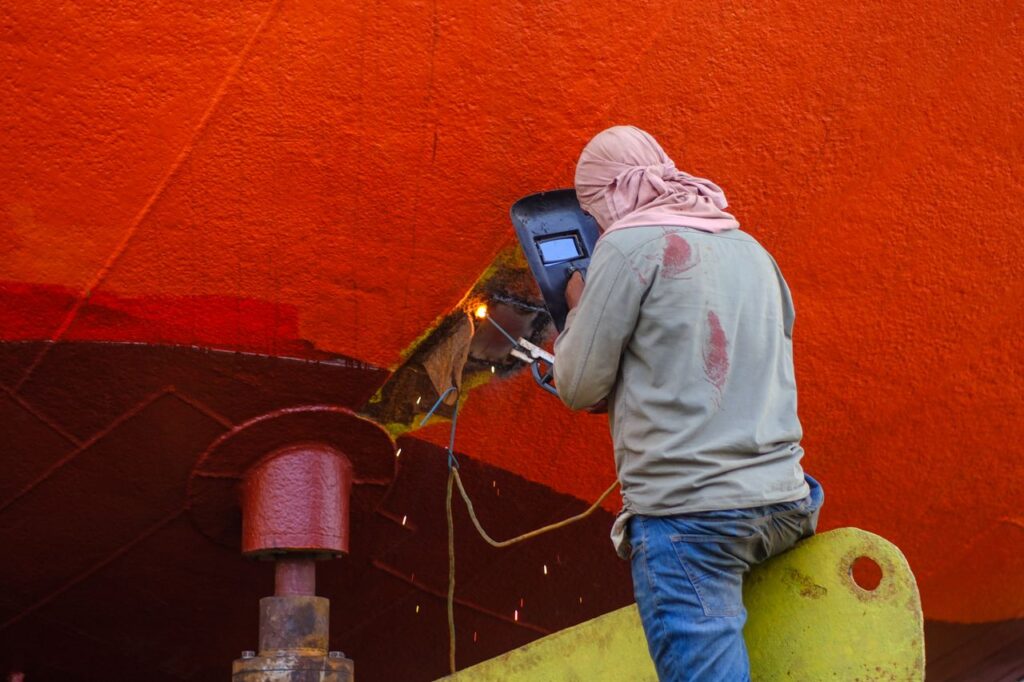
Ships are built to handle rough seas, heavy cargo, and years of hard work. However, every vessel eventually reaches the end of its service life. Instead of allowing these giants to rust away, recycling gives them a valuable new purpose. That is where scrap yards for metal play an important role.
A retired ship contains thousands of tons of recyclable materials. Steel makes up most of the structure, but many other valuable metals are also waiting to be recovered. Copper, aluminum, brass, stainless steel, and bronze can all begin a second life through responsible recycling.
You may think ship recycling starts with cutting torches and heavy cranes. The truth is much more organized. Every stage follows a planned process designed to protect workers, recover valuable materials, and reduce environmental impact.
Understanding how ships move through the recycling process helps you appreciate the work behind every recycled piece of metal. It also explains why experienced recycling companies follow strict procedures from beginning to end.
Every Project Begins with a Detailed Inspection
Before any dismantling starts, specialists inspect the entire vessel. This inspection creates a clear picture of the ship’s condition and valuable contents.
Experts examine the hull, machinery, electrical systems, engines, tanks, and onboard equipment. They identify reusable components and recyclable metals before any work begins.
The inspection also highlights hazardous materials requiring special handling. Older ships may contain asbestos, fuel residues, oils, chemicals, and outdated insulation.
Planning ahead makes every later stage safer and more efficient. Workers know exactly where valuable materials are located before dismantling begins.
You can compare this process to planning a home renovation. Careful preparation prevents costly surprises later.
Hazardous Materials Are Removed First
Safety always comes before recycling. That is why dangerous materials leave the ship before cutting operations begin.
Fuel tanks are emptied carefully. Engine oils, hydraulic fluids, coolants, and chemicals are drained using approved procedures.
Specialists safely remove batteries, asbestos, refrigerants, and contaminated waste. These materials require proper disposal instead of ordinary recycling.
Removing hazardous materials protects workers and prevents pollution. It also prepares the vessel for safer dismantling.
Responsible scrap yards for metal follow environmental regulations throughout every stage of this process.
Valuable Equipment Gets a Second Chance
Not everything on a retired ship becomes scrap. Many parts still have useful working lives ahead.
Workers remove generators, engines, pumps, propellers, anchors, navigation equipment, and electrical panels before dismantling the structure.
Furniture, lighting systems, cables, kitchen equipment, and safety gear may also be recovered for resale or refurbishment.
This approach reduces waste while creating additional value from the vessel.
Many buyers actively search for quality marine equipment because replacing these components with new parts can be expensive.
Recovering reusable items also reduces the amount of material entering the recycling stream.
The Ship Is Carefully Dismantled
Once preparation is complete, dismantling begins. This stage requires planning, experience, and specialized equipment.
Large cranes support heavy steel sections during cutting. Hydraulic shears and industrial torches divide massive structures into manageable pieces.
Workers follow a planned cutting sequence to maintain stability throughout the project. Random cutting could create dangerous conditions for everyone nearby.
Each section is lowered carefully before moving to processing areas.
Although ship dismantling looks dramatic, skilled teams work with impressive precision every day.
Sorting Metals Improves Recycling Value
After large sections are removed, workers separate different types of metal. This step plays a major role in maximizing recycling value.
Steel is sorted separately because it represents the largest volume of recovered material.
Copper wiring, aluminum panels, brass fittings, stainless steel pipes, and bronze propellers each move into dedicated storage areas.
Keeping these metals separated improves recycling quality and simplifies future processing.
Mixed scrap usually requires additional work before recycling. Proper sorting saves time for everyone involved.
Experienced scrap yards for metal invest significant effort into accurate metal identification because quality sorting supports better market prices.
Heavy Machinery Handles the Hard Work
Modern recycling facilities depend on powerful equipment to process ship materials efficiently.
Hydraulic shears slice through thick steel plates with impressive force. Industrial shredders reduce bulky materials into smaller fragments.
Large magnets separate steel from non-ferrous metals moving along conveyor systems.
Forklifts transport prepared materials across the yard. Cranes lift oversized sections safely into processing zones.
These machines allow workers to process thousands of tons of material much faster than manual labor alone.
Technology continues improving recycling speed while supporting safer working conditions.
Preparing Scrap for Transportation
Before recycled metal leaves the yard, workers prepare every shipment carefully.
Large steel sections are cut into transport-friendly sizes. Lightweight metals may be compressed into dense bundles.
Materials are grouped according to metal type, quality, and destination.
Accurate weighing ensures shipment records remain correct. Buyers rely on these measurements during commercial transactions.
Organized loading also reduces transportation costs while improving efficiency.
Prepared shipments leave the facility by truck, rail, container, or cargo vessel depending on the destination.
Environmental Protection Guides Every Step
Modern ship recycling focuses heavily on environmental responsibility.
Dust control systems reduce airborne particles during cutting operations. Wastewater receives proper treatment before disposal.
Hazardous materials never enter nearby rivers or coastal waters.
Many recycling companies also monitor air quality, noise levels, and waste management throughout each project.
These environmental efforts help protect nearby communities while supporting sustainable recycling practices.
Recovering steel also saves natural resources because recycled steel requires far less energy than producing new steel from raw materials.
Every recycled ship contributes to a more sustainable manufacturing industry.
Quality Inspections Finish the Process
Before processed metal reaches buyers, recycling companies perform one final inspection.
Workers verify metal grades and remove unwanted contaminants.
Clean, properly sorted materials create confidence for manufacturers purchasing recycled metal.
Accurate documentation accompanies every shipment. Buyers receive detailed information about weight, metal type, and quality.
Strong quality control builds lasting business relationships throughout the recycling industry.
Reliable shipments encourage repeat business and strengthen market trust.
Every Retired Ship Begins a New Story
A ship may stop sailing, but its materials continue serving industries around the world. Recycled steel becomes new buildings, bridges, vehicles, and machinery. Copper returns to electrical systems, while aluminum appears in countless manufactured products.
That transformation begins inside professional scrap yards for metal, where planning, safety, technology, and skilled workers combine every day.
When you understand this journey, you see ship recycling differently. It is not simply demolition. It is a carefully managed process that recovers valuable resources while protecting people and the environment.
The next time you hear about an aging vessel heading for recycling, remember its story is far from over. With proper processing, yesterday’s ship becomes tomorrow’s infrastructure, transportation, and industrial equipment. Every recovered piece of metal helps build a cleaner and more resource-efficient future for generations to come.
Hidden Metals Worth Recovering
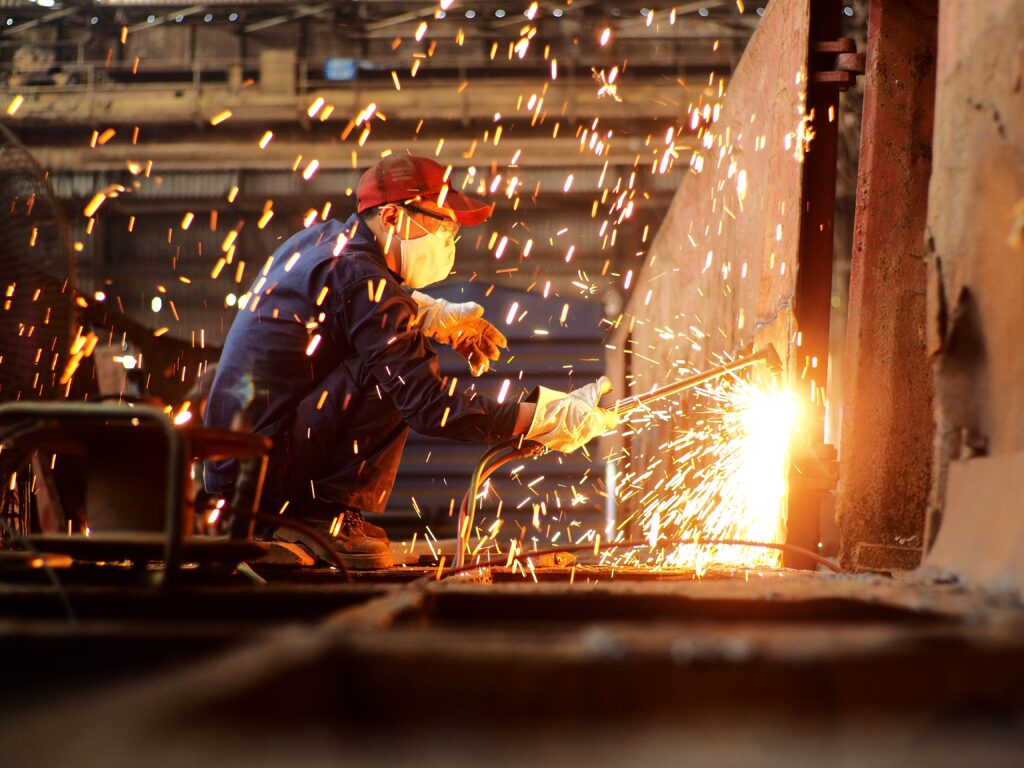
When most people think about scrap, they picture large piles of steel or old car parts. However, some of the most valuable metals are not always easy to spot. They are often hidden inside machines, buildings, ships, appliances, and everyday items. Learning where to find these hidden metals can help you recover more value before visiting scrap yards for metal.
Many people accidentally throw away valuable materials because they simply do not know what to look for. With a little knowledge, you can identify metals that buyers actively seek. You do not need to be an expert to recognize many of these opportunities. You only need a careful eye and a little patience.
Recovering hidden metals also supports recycling. Every piece you save reduces waste and helps valuable resources return to manufacturing. That makes your efforts good for both your wallet and the environment.
Copper Is Hiding in More Places Than You Think
Copper is one of the most valuable metals you can recover. It appears in many products that people use every day.
Electrical wiring is one of the best-known sources of copper. Homes, offices, factories, and ships all contain large amounts of wiring. Old extension cords, electrical panels, and power cables may also contain recoverable copper.
Plumbing systems provide another excellent source. Copper pipes, fittings, and connectors often remain valuable even after many years of use.
Electric motors also contain copper windings. You can find these motors inside washing machines, pumps, fans, compressors, and industrial equipment.
Marine vessels contain extensive electrical systems. Before recycling begins, specialists often recover copper wiring and electrical components separately.
Keeping copper clean and free from unnecessary attachments usually improves its recycling value.
Aluminum Is Lightweight but Valuable
Many people overlook aluminum because it weighs much less than steel. However, aluminum remains highly valuable because manufacturers recycle it repeatedly.
You can find aluminum in window frames, ladders, roofing materials, cooking utensils, beverage cans, and vehicle parts.
Boats and marine equipment also contain aluminum components designed to resist corrosion.
Old office furniture, shelving systems, and industrial platforms may include large aluminum sections worth recovering.
Separating aluminum from steel before visiting scrap yards for metal helps buyers process your materials much faster.
Clean aluminum without plastic or rubber attachments often receives better offers.
Brass and Bronze Often Go Unnoticed
Brass and bronze are easy to overlook because many people mistake them for ordinary metal.
Brass usually appears in plumbing fittings, valves, locks, decorative hardware, and door handles. Its yellow appearance makes it easier to identify once you know what to look for.
Bronze commonly appears in marine propellers, bearings, pumps, sculptures, and industrial machinery.
These metals resist corrosion very well, making them useful in harsh environments.
Older buildings sometimes contain surprising amounts of brass hardware hidden behind walls or inside plumbing systems.
Recovering these metals before demolition helps increase the overall value of the project.
Stainless Steel Deserves a Second Look
Stainless steel often looks similar to ordinary steel, but it has greater recycling value.
You can find stainless steel in commercial kitchens, hospitals, food factories, laboratories, ships, and processing plants.
Kitchen sinks, countertops, storage tanks, pipes, and industrial equipment often contain high-quality stainless steel.
Unlike ordinary steel, stainless steel contains chromium and sometimes nickel. These metals improve corrosion resistance and increase recycling value.
Using a magnet can sometimes help distinguish stainless steel grades, although results vary.
Keeping stainless steel separate from ordinary steel helps buyers evaluate your materials more accurately.
Precious Metals Hide Inside Electronics
Some of the smallest items contain surprisingly valuable metals.
Old computers, mobile phones, communication systems, circuit boards, and industrial controls may contain tiny amounts of gold, silver, platinum, and palladium.
Although each device contains only a small amount, larger collections become worthwhile.
Ships, factories, and communication centers often contain electronic equipment with recoverable precious metals.
Professional recycling facilities use specialized methods to recover these materials safely.
Instead of throwing away outdated electronics, consider sending them through proper recycling channels.
Lead Still Plays an Important Role
Lead remains valuable despite strict environmental regulations.
Vehicle batteries remain one of the largest sources of recyclable lead.
Industrial backup power systems, older construction materials, and specialized equipment may also contain lead components.
Lead requires careful handling because improper disposal creates environmental risks.
Professional recycling companies follow strict safety procedures when processing lead materials.
Never dismantle batteries carelessly. Proper recycling protects both people and the environment.
Marine Vessels Hold Hidden Treasures
Ships contain far more than large steel plates.
Electrical systems include copper wiring throughout the vessel. Propellers often contain bronze. Pumps, valves, engines, and generators include brass, stainless steel, and aluminum components.
Navigation systems and communication equipment may also contain valuable electronic materials.
Before ship dismantling begins, specialists identify these hidden metals carefully.
Recovering them separately increases the overall recycling value while reducing waste.
This careful preparation supports efficient processing once materials arrive at scrap yards for metal.
Industrial Equipment Offers Excellent Opportunities
Factories and processing plants often contain hidden recycling value.
Large machines include copper motors, stainless steel tanks, aluminum housings, brass valves, and bronze bearings.
Electrical control panels contain copper wiring and electronic components.
Even old production lines may contain valuable materials waiting for recovery.
Before demolition begins, experienced teams inspect equipment carefully to identify reusable parts and recyclable metals.
This detailed approach often produces better financial returns than treating everything as ordinary scrap.
Clean and Sorted Metals Bring Better Results
Finding valuable metals is only the first step. Preparing them properly makes an even bigger difference.
Separate different metal types whenever possible. Remove plastic, wood, rubber, glass, and other non-metal materials.
Organize your scrap into clearly separated piles before delivery.
Clean materials require less processing time. Buyers appreciate organized loads because inspections become much faster.
Well-prepared scrap also helps reduce contamination during recycling.
Simple preparation can improve both efficiency and potential earnings.
Hidden Value Is Waiting to Be Discovered
Many valuable metals remain hidden inside items people no longer need. Copper, aluminum, brass, bronze, stainless steel, lead, and precious metals all deserve careful attention before disposal.
Whether you are cleaning a workshop, renovating a building, dismantling machinery, or preparing a retired ship for recycling, hidden opportunities are often closer than you think.
By learning where valuable metals are found, you become a smarter recycler. You also help valuable resources return to productive use instead of ending up in landfills.
The next time you prepare materials for scrap yards for metal, slow down and take a closer look. That extra effort may uncover valuable metals you would have otherwise missed. Every recovered piece supports a cleaner environment while helping you make the most of your recycling project.
Preparing Vessels for Collection
Every marine vessel eventually reaches the end of its working life. Years of carrying cargo, supporting offshore operations, or transporting passengers leave their mark. Instead of allowing an old vessel to sit unused, recycling offers a practical solution. Before collection begins, however, careful preparation is essential.
Preparing a vessel for recycling is much more than cleaning the deck or removing equipment. Every stage helps improve safety, increase recycling value, and simplify the collection process. Good preparation also makes life easier for buyers, transport teams, and recycling companies.
If you own an aging vessel, taking the right steps before collection can save both time and money. It also helps create a smooth handover once the recycling process begins. Many recycled materials eventually reach scrap yards for metal, where they continue their journey toward becoming new products.
Carry Out a Complete Vessel Inspection
A successful collection begins with a detailed inspection. This allows everyone involved to understand the vessel’s condition before moving forward.
Inspect the hull, deck, machinery, engine room, tanks, cabins, and electrical systems. Look for damaged areas, missing equipment, and structural concerns.
The inspection should also identify valuable materials that can be recovered during dismantling. Steel usually forms the largest part of the vessel, but many other metals deserve attention.
Copper wiring, aluminum fittings, stainless steel piping, brass valves, and bronze propellers all add recycling value.
Taking clear photographs during the inspection helps buyers evaluate the vessel before visiting the site. Good pictures also reduce unnecessary questions during early discussions.
A thorough inspection creates confidence for everyone involved and helps avoid unexpected surprises later.
Organize Important Documents
Paperwork may not seem exciting, but it plays a major role during vessel collection.
Gather ownership certificates, registration papers, maintenance records, technical drawings, and equipment lists before contacting buyers.
These documents help confirm ownership and provide useful information about the vessel’s history.
Buyers often appreciate knowing previous maintenance schedules, engine specifications, and major repairs.
Having everything organized speeds up negotiations and supports faster decision-making.
When documents are easy to review, the collection process usually moves much more smoothly.
Remove Personal Belongings and Loose Items
Before collection day arrives, remove anything that is not part of the recycling project.
Personal belongings, tools, spare parts, documents, electronics, and valuable equipment should leave the vessel early.
Loose objects can create safety risks while moving the vessel or during dismantling.
Checking every storage compartment helps prevent valuable items from being forgotten.
Many vessel owners discover useful equipment that can be sold separately before recycling begins.
Taking time to clear the vessel also allows inspection teams to work more efficiently.
Drain Fuel and Hazardous Liquids Safely
Safety always comes first during vessel preparation.
Fuel tanks should be emptied according to approved procedures. Engine oil, hydraulic fluid, coolant, lubricants, and wastewater also require proper removal.
Hazardous materials should never remain inside a vessel waiting for dismantling.
Professional contractors often handle this stage because environmental regulations require careful management.
Removing dangerous substances protects workers while reducing environmental risks.
Clean vessels also simplify the collection process because transport teams face fewer hazards.
Responsible recycling starts with responsible preparation.
Recover Valuable Equipment Before Collection
Many parts remain useful long after a vessel stops operating.
Generators, pumps, navigation systems, anchors, propellers, communication equipment, and electrical panels often retain value.
Some owners choose to sell reusable equipment separately before recycling begins.
Others include these items as part of the overall vessel sale.
Either option works well as long as both parties clearly understand the agreement.
Recovering valuable equipment also reduces unnecessary waste while extending the life of useful components.
The remaining structure becomes much easier to prepare for recycling.
Separate Recyclable Materials
Although most vessels contain large amounts of steel, many other metals deserve careful attention.
Copper wiring should remain separate whenever possible. Aluminum structures, brass fittings, bronze propellers, and stainless steel components also benefit from individual sorting.
Keeping materials organized improves recycling efficiency later.
It also helps recycling companies process shipments more quickly after delivery.
Many recovered materials eventually arrive at scrap yards for metal, where additional sorting and processing continue.
Well-organized scrap saves time for everyone involved in the recycling chain.
Prepare Safe Access for Collection Teams
Collection crews need safe access throughout the vessel.
Remove obstacles blocking walkways and work areas. Secure loose ladders, railings, and temporary platforms.
Good lighting improves visibility during inspections and equipment removal.
Mark any damaged areas that could create hazards for workers.
If the vessel remains afloat, confirm that mooring arrangements remain secure throughout the collection period.
Simple safety improvements reduce risks while helping work progress efficiently.
A well-prepared vessel creates a much better experience for everyone on site.
Plan Transportation in Advance
Moving a retired vessel requires careful planning.
Some vessels travel under tow. Others are dismantled before transportation begins. The chosen method depends on size, location, and overall condition.
Large vessels often require permits, specialized equipment, and experienced transport contractors.
Planning these details early prevents unnecessary delays.
Clear communication between owners, buyers, transport companies, and recycling facilities helps every stage run smoothly.
Preparation always saves time when collection day finally arrives.
Environmental Responsibility Makes a Difference
Modern vessel recycling focuses strongly on protecting the environment.
Responsible preparation prevents fuel spills, chemical leaks, and unnecessary pollution.
Waste materials should always follow approved disposal procedures.
Cleaning the vessel before collection reduces contamination during dismantling.
Recovering reusable equipment also reduces waste while supporting a circular economy.
Every responsible decision helps protect waterways and nearby communities.
Good environmental practices benefit both today’s projects and future generations.
Strong Communication Builds Trust
Preparing the vessel is important, but communication matters just as much.
Keep buyers informed about inspection findings, documentation, preparation progress, and collection schedules.
Respond promptly to questions and provide updated photographs if requested.
Clear communication helps prevent misunderstandings before work begins.
Professional buyers also appreciate sellers who provide accurate information from the beginning.
Strong relationships often lead to smoother negotiations and future business opportunities.
Trust grows through honest communication and careful preparation.
Good Preparation Creates Better Results
Preparing a vessel for collection may seem like a long process, but every step delivers important benefits. Careful inspections, organized documents, safe cleaning, and proper material separation all contribute to a successful recycling project.
Whether your vessel is a cargo ship, fishing boat, offshore support vessel, barge, or passenger ferry, good preparation helps maximize its recycling potential. Buyers gain confidence, workers operate more safely, and transportation becomes much easier.
Many recovered materials continue their journey through scrap yards for metal, where they are processed into valuable resources for new industries. That journey begins with thoughtful preparation long before collection day arrives.
By investing a little extra time before handing over your vessel, you help create a smoother recycling process from start to finish. Your efforts support safer operations, stronger business relationships, and a more sustainable future where valuable materials continue serving new purposes instead of becoming waste.
Connecting Owners with Global Buyers

Owning large quantities of scrap can create exciting opportunities. However, finding the right buyer is often the biggest challenge. Whether you own an old ship, factory equipment, demolition materials, or industrial scrap, connecting with reliable buyers makes every transaction easier.
Many owners begin by contacting local recycling companies. While local sales work well for smaller loads, larger projects often attract international interest. Buyers from different countries actively search for quality scrap to support their recycling industries.
Global buyers look for reliable suppliers who provide accurate information and honest communication. They also value sellers who prepare their materials properly before negotiations begin.
Many recovered materials eventually pass through scrap yards for metal, but successful deals often begin long before the recycling process starts. Building the right connections helps owners reach buyers who truly understand the value of large recycling projects.
Know Exactly What You Have
The first step toward attracting global buyers is understanding your inventory.
Take time to identify the types of metals available. Estimate quantities carefully and organize everything into clear categories.
Steel usually represents the largest portion of industrial and marine scrap. However, copper, aluminum, brass, stainless steel, and bronze also attract strong international demand.
Photographs make a big difference during early discussions. Capture clear images showing the overall condition and important details.
If possible, prepare a simple inventory list describing major equipment, structures, and recyclable materials.
The better your information, the easier buyers can evaluate your opportunity.
Professional presentations often attract more serious interest.
Accurate Information Builds Buyer Confidence
International buyers make important decisions using the information you provide.
Honest descriptions create trust from the beginning.
Avoid exaggerating quantities or hiding damaged areas. Buyers appreciate transparency because it reduces unexpected surprises during inspections.
Include details about the location, accessibility, loading conditions, and current status of the materials.
For marine vessels, mention the vessel type, dimensions, engine condition, and available documentation.
For industrial projects, describe machinery, structural steel, storage tanks, and major equipment.
Clear information saves time for both buyers and sellers.
Prepare Complete Documentation
Documentation supports every successful international transaction.
Gather ownership certificates, registration papers, maintenance records, inspection reports, photographs, and equipment lists.
These documents help buyers confirm ownership and review technical details before visiting your site.
Good documentation also simplifies export procedures if international shipping becomes necessary.
Professional paperwork creates confidence throughout the negotiation process.
Buyers often move faster when important documents are already available.
Being organized demonstrates that you take the transaction seriously.
Reach Beyond Local Markets
Selling locally works well for many projects, but global markets create additional opportunities.
Different countries experience changing demand throughout the year.
A buyer overseas may actively need the exact materials you have available.
Large ship recyclers, steel manufacturers, industrial processors, and metal traders constantly search for reliable suppliers.
Expanding your search increases the number of potential buyers reviewing your offer.
More interest often creates stronger competition and better negotiations.
Many international recycling businesses regularly purchase materials that later move through scrap yards for metal before final processing.
Build Trust Through Clear Communication
Communication plays an important role in every international transaction.
Respond to questions promptly and provide requested information without unnecessary delays.
Confirm meeting schedules, inspection dates, and document requests clearly.
Language differences sometimes create confusion, so simple communication works best.
Short, direct messages reduce misunderstandings while keeping discussions productive.
Professional buyers also appreciate regular updates throughout the negotiation process.
Strong communication creates stronger business relationships.
Many long-term partnerships begin with one successful transaction.
Welcome Professional Inspections
Serious buyers usually request inspections before making final offers.
This protects both sides by confirming quantities, material quality, and site conditions.
For marine vessels, inspections often include structural assessments, machinery reviews, and environmental evaluations.
Industrial sites may require additional safety inspections before dismantling begins.
Welcoming inspections demonstrates confidence in your materials.
Transparent evaluations reduce disputes after agreements are signed.
Professional inspections also help buyers prepare transportation and recycling plans more accurately.
Compare Complete Offers
The highest price does not always create the best deal.
Some buyers include loading, transportation, dismantling, documentation, or inspection costs within their proposals.
Others expect sellers to arrange these services independently.
Compare every part of each offer before making your decision.
Ask questions whenever terms seem unclear.
Understanding the complete package prevents unexpected expenses later.
Taking time to compare offers often produces better long-term results.
Use Trusted Business Networks
Finding reliable buyers becomes easier through established business connections.
Professional recycling networks introduce qualified buyers to legitimate owners.
These connections reduce unnecessary delays while improving communication.
Instead of contacting hundreds of companies individually, you reach businesses already interested in your materials.
Trusted networks also help verify buyer credibility before negotiations progress too far.
That extra confidence benefits everyone involved.
Many international transactions begin through referrals rather than cold introductions.
Prepare Materials Before Collection
Global buyers appreciate well-prepared scrap.
Separate different metal types whenever possible. Remove unnecessary waste, plastics, rubber, and non-metal materials.
Organized scrap allows inspections to proceed much faster.
Clean materials also simplify loading and transportation.
Whether your materials include ships, industrial plants, heavy machinery, or demolition steel, preparation improves efficiency.
Many shipments eventually arrive at scrap yards for metal, where proper sorting continues before recycling.
Your preparation helps every later stage operate more smoothly.
Build Relationships for Future Opportunities
One successful sale often creates many future opportunities.
Satisfied buyers remember sellers who communicate honestly and provide accurate information.
Likewise, professional sellers appreciate buyers who honor agreements and complete payments promptly.
Long-term relationships reduce the effort needed to find future customers.
Repeat business often develops naturally after successful projects.
Strong partnerships also encourage referrals to other buyers looking for similar materials.
Trust becomes one of your most valuable business assets over time.
Global Connections Open New Doors
Connecting with global buyers is about much more than selling scrap. It is about creating opportunities that benefit everyone involved. Owners gain access to larger markets, while buyers secure reliable sources of valuable recyclable materials.
With careful preparation, clear documentation, honest communication, and professional inspections, you place yourself in a stronger position during every negotiation. These simple steps help build confidence from the very first conversation.
Whether your project involves a retired ship, industrial machinery, factory equipment, or demolition materials, expanding beyond local markets can unlock exciting possibilities. Many of these materials eventually continue their journey through scrap yards for metal, where they become valuable resources for new manufacturing.
The recycling industry depends on trusted relationships, reliable information, and responsible business practices. When you focus on those principles, connecting owners with global buyers becomes much easier. Every successful partnership helps valuable metals stay in use, supports sustainable industries, and creates new opportunities around the world.