
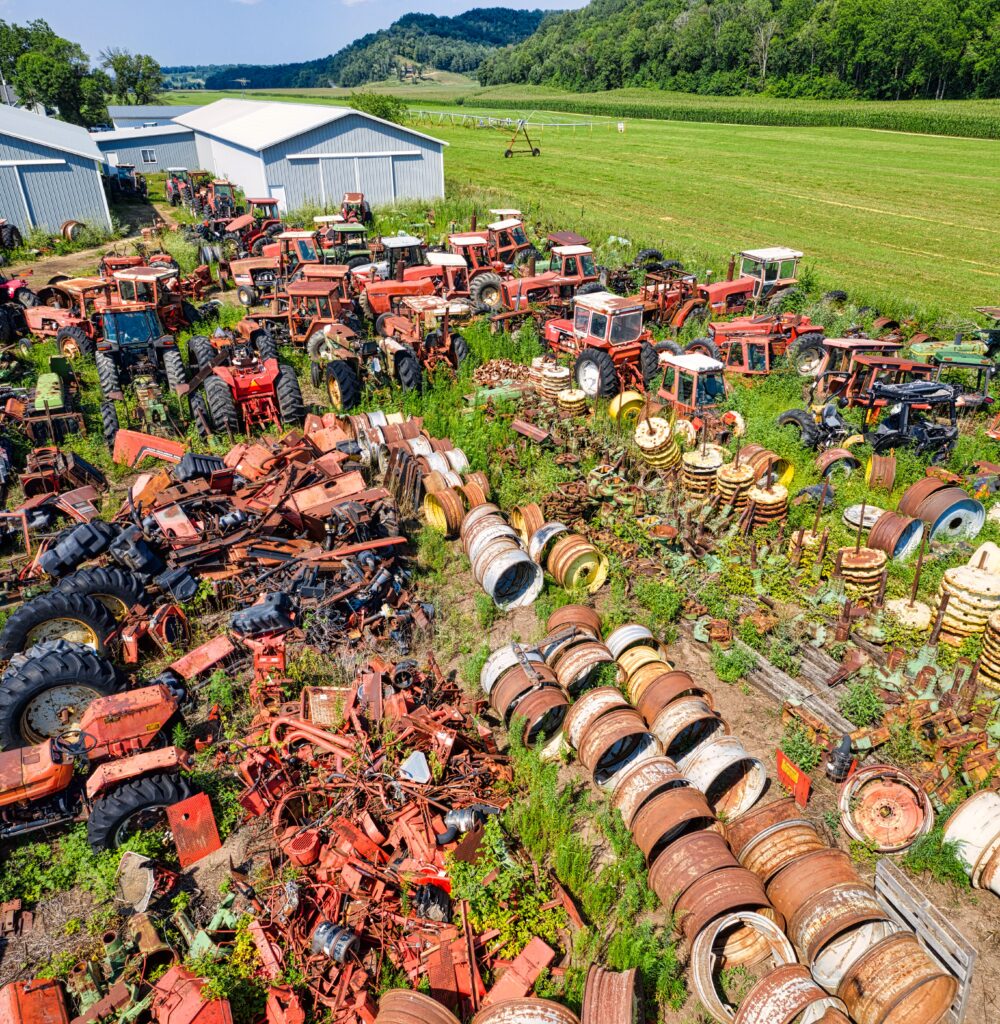
Construction machinery works hard every day. Excavators, bulldozers, cranes, loaders, graders, and forklifts handle demanding jobs in tough environments. After years of heavy use, these machines eventually reach the end of their working lives. Instead of leaving them to rust, recycling gives them a valuable second purpose.
Recycling construction machinery is much more than cutting large metal parts into smaller pieces. It is a carefully planned process that focuses on recovering valuable materials, protecting the environment, and reducing waste. Every recycled machine helps save natural resources while supporting future manufacturing.
If you own old construction equipment, you may be surprised by how much value still remains inside. Steel, copper, aluminum, brass, stainless steel, and many reusable parts can all contribute to a successful recycling project. A professional scrap metal recycling service helps recover these materials safely and efficiently.
Start with a Complete Equipment Inspection
Every recycling project begins with a detailed inspection. This allows experts to understand the machine before dismantling begins.
Inspectors examine the engine, hydraulic system, frame, tracks, tires, electrical wiring, and major components. They identify valuable metals, reusable parts, and areas requiring special attention.
The inspection also reveals damage caused by years of operation. Knowing the machine’s condition helps recyclers plan the safest dismantling process.
Take clear photographs from different angles before collection. Good pictures help buyers evaluate the equipment before visiting your site.
Maintenance records and service histories also provide useful information. Organized documentation creates confidence during negotiations and inspections.
A careful inspection lays the foundation for a smooth recycling process.
Remove Fluids Before Dismantling
Safety always comes first during machinery recycling.
Construction equipment contains engine oil, hydraulic fluid, coolant, fuel, transmission fluid, and other liquids. These materials must be removed carefully before dismantling starts.
Professional teams collect and dispose of these fluids according to environmental regulations.
Removing hazardous liquids prevents spills during transportation and protects nearby soil and waterways.
Batteries should also be removed safely because they contain materials requiring special handling.
Clean equipment creates a safer workplace for everyone involved.
Responsible preparation makes every later stage much easier.
Recover Valuable Parts First
Many machine components remain useful long after the equipment stops working.
Engines, hydraulic pumps, cylinders, transmissions, alternators, radiators, buckets, and attachments often retain significant value.
Some parts can be refurbished and installed on other machines.
Others may serve as spare parts for construction companies maintaining older equipment.
Removing reusable components before dismantling reduces waste while creating additional income.
This approach supports both recycling and equipment reuse.
Many buyers actively search for quality replacement parts because new components can be expensive.
Steel Makes Up the Largest Share
Steel forms the backbone of most construction machines.
Heavy frames, booms, buckets, undercarriages, and structural supports contain large amounts of recyclable steel.
Although steel usually has a lower price than copper, its large volume creates substantial recycling value.
After dismantling, steel is cut into manageable pieces for transportation.
Many recycling companies use hydraulic shears, cutting torches, and industrial crushers to prepare these materials.
A reliable scrap metal recycling service ensures steel is processed efficiently before shipment to recycling mills.
Recovered steel later becomes new buildings, bridges, vehicles, and machinery.
Hidden Non-Ferrous Metals Add Extra Value
Steel is only part of the story.
Construction machinery also contains copper wiring, aluminum housings, brass fittings, stainless steel parts, and bronze bearings.
Electric motors often contain valuable copper windings.
Cooling systems may include aluminum radiators.
Hydraulic valves sometimes contain brass components.
Separating these metals improves recycling efficiency while increasing overall value.
Professional recyclers identify these hidden materials before processing begins.
Careful sorting helps manufacturers receive cleaner recycled metals for future production.
Powerful Machines Support the Recycling Process
Large construction equipment requires specialized recycling tools.
Hydraulic shears cut thick steel plates with impressive force.
Industrial cranes lift oversized components safely throughout the dismantling process.
Forklifts transport recovered materials between work areas.
Magnets separate steel from non-ferrous metals during processing.
Modern recycling technology improves both efficiency and workplace safety.
Experienced operators ensure every stage follows established procedures.
Advanced equipment allows recycling companies to process heavy machinery quickly without compromising quality.
Environmental Benefits Matter
Recycling construction machinery offers important environmental advantages.
Recovering metals reduces the need for mining new raw materials.
Manufacturing products from recycled steel and aluminum requires far less energy than producing new metals.
Proper recycling also prevents abandoned equipment from creating environmental hazards.
Responsible handling of oils, batteries, coolants, and chemicals protects surrounding ecosystems.
Every recycled machine supports cleaner manufacturing while reducing landfill waste.
Choosing a trusted scrap metal recycling service helps ensure these environmental benefits become reality.
Your recycling decision contributes to a healthier future.
Transportation Requires Careful Planning
Moving heavy machinery requires detailed preparation.
Some equipment can be transported whole using low-bed trailers.
Larger machines may require partial dismantling before transportation becomes practical.
Loading plans should consider machine weight, dimensions, and road regulations.
Experienced transport companies understand how to move oversized equipment safely.
Good communication between owners, transport teams, and recyclers prevents unnecessary delays.
Planning ahead keeps projects moving smoothly from start to finish.
Good Preparation Improves Results
Owners play an important role before collection begins.
Remove personal belongings, tools, and loose equipment from the machine.
Gather ownership documents, maintenance records, and inspection reports.
Clean the equipment whenever possible.
Removing excessive dirt makes inspections much easier.
Separate reusable attachments if they will be sold independently.
These simple preparations save valuable time during collection and processing.
Well-organized equipment creates confidence for buyers and recycling companies alike.
Every Old Machine Has New Potential
An old excavator may no longer dig foundations, but its materials still hold tremendous value. Steel, copper, aluminum, brass, stainless steel, and reusable components all continue serving important industries after recycling.
Instead of becoming abandoned waste, construction machinery begins a completely new journey through responsible recycling. Skilled workers recover valuable materials while protecting the environment and supporting sustainable manufacturing.
Working with a professional scrap metal recycling service ensures every stage follows safe, efficient, and environmentally responsible practices. From inspection and fluid removal to dismantling and metal recovery, each step contributes to a successful recycling project.
The next time you look at aging construction equipment, remember it still has plenty to offer. With proper preparation and expert recycling, yesterday’s machine becomes tomorrow’s buildings, vehicles, infrastructure, and industrial products. That transformation benefits businesses, communities, and the environment for many years to come.
Recovering Copper and Steel
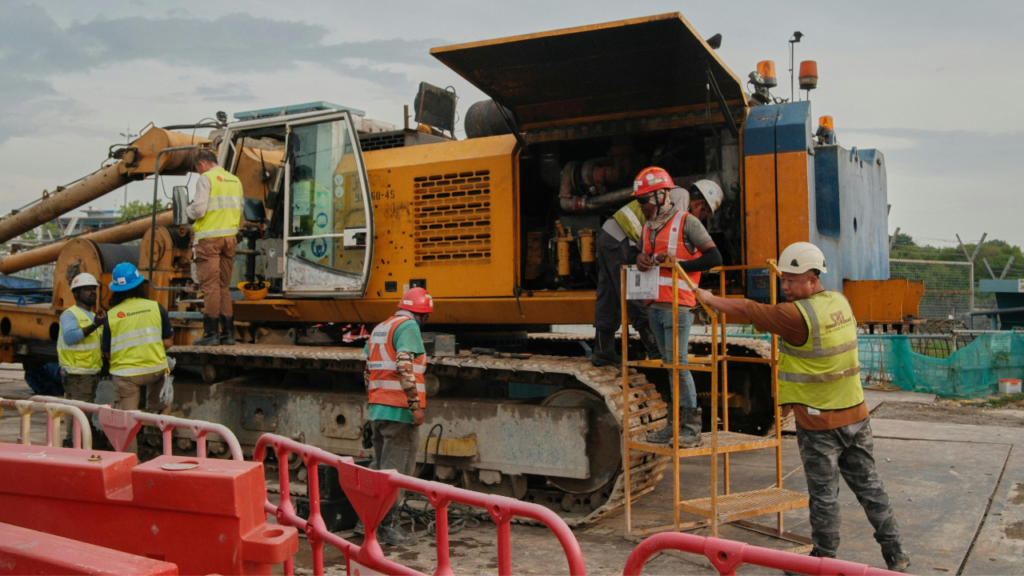
Copper and steel are two of the most valuable materials in the recycling industry. You can find them in homes, factories, construction sites, ships, vehicles, and industrial equipment. Although they serve different purposes, both metals remain in high demand because they can be recycled many times without losing their usefulness.
Recovering copper and steel is much more than collecting old metal. It involves careful sorting, safe handling, and proper processing. Every step helps protect natural resources while reducing waste. When you work with a professional scrap metal recycling service, these valuable metals receive the attention they deserve.
Whether you are clearing a construction site or retiring old machinery, understanding how copper and steel are recovered helps you make smarter recycling decisions. You also gain a better appreciation for the work behind every successful recycling project.
Copper Is One of the Most Valuable Metals
Copper has earned a strong reputation because of its excellent electrical and thermal conductivity. Manufacturers use it in many industries, creating steady demand for recycled supplies.
You can find copper inside electrical wiring, power cables, plumbing systems, motors, generators, transformers, and communication equipment.
Construction projects often contain hidden copper inside electrical installations and piping systems. Marine vessels and industrial machinery also include large amounts of copper wiring.
Even old household appliances contain recoverable copper. Washing machines, refrigerators, air conditioners, and electric fans all offer recycling opportunities.
Because copper keeps its quality after recycling, manufacturers can use it repeatedly without reducing performance.
That makes copper one of the most attractive metals for recycling companies worldwide.
Steel Forms the Foundation of Modern Recycling
Steel may not have the highest market price, but it remains one of the most recycled materials on Earth.
Buildings, bridges, warehouses, ships, vehicles, heavy equipment, and industrial plants all contain significant amounts of steel.
Its strength and durability make it essential for countless industries.
Steel is also easy to identify because magnets attract most common grades.
Large demolition projects often recover thousands of tons of recyclable steel from a single site.
Although individual prices may appear lower than copper, the enormous volume creates impressive overall value.
Steel recycling supports construction, manufacturing, transportation, and infrastructure around the world.
Sorting Makes a Huge Difference
Recovering valuable metals begins with proper sorting.
Copper should remain separate from steel whenever possible. Mixing different metals reduces recycling efficiency and may lower their value.
Workers use visual inspections, magnets, and specialized equipment to identify each material correctly.
Copper wiring often requires separation from insulation before recycling.
Steel beams, pipes, plates, and structural sections are grouped according to size and grade.
Professional sorting helps recycling companies process materials more efficiently.
Clean, organized scrap also attracts stronger interest from buyers.
A reliable scrap metal recycling service follows careful sorting procedures before processing begins.
Recovering Copper from Equipment
Many valuable copper components remain hidden inside machinery.
Electric motors contain copper windings wrapped around internal parts.
Generators, transformers, compressors, and industrial pumps also include significant amounts of recoverable copper.
During dismantling, skilled workers remove these components carefully.
Some motors may still function and can be refurbished before recycling becomes necessary.
Others are dismantled so copper windings can be recovered separately.
This careful approach maximizes material recovery while reducing unnecessary waste.
Even smaller electrical devices can contribute valuable copper to the recycling process.
Recovering Steel from Heavy Structures
Steel recovery often begins with dismantling large structures.
Construction machinery, industrial equipment, buildings, bridges, and marine vessels all require careful planning before dismantling starts.
Large cranes lift heavy sections safely during cutting operations.
Hydraulic shears divide thick steel into manageable pieces.
Industrial cutting torches help separate oversized components.
Once cut, steel sections move into storage areas before transportation.
These prepared materials later travel to steel mills for recycling.
Recovered steel eventually becomes new buildings, vehicles, machinery, and countless everyday products.
Clean Materials Deliver Better Results
Clean scrap always performs better during recycling.
Removing plastic, rubber, wood, insulation, and dirt improves processing efficiency.
Copper free from attached steel or plastic often receives higher offers.
Likewise, clean steel without excessive contamination simplifies recycling operations.
Taking extra time before delivery benefits both sellers and recycling companies.
Organized loads also speed up inspections and reduce handling time.
Simple preparation creates noticeable improvements throughout the recycling process.
Small efforts before collection often produce better long-term results.
Modern Technology Improves Recovery
Today’s recycling facilities use advanced equipment to recover metals efficiently.
Powerful magnets separate steel from non-ferrous materials.
Conveyor systems move scrap through different processing stages.
Industrial shredders reduce bulky items into manageable pieces.
Specialized machines strip insulation from copper wiring safely.
Hydraulic balers compress processed materials into compact bundles for transportation.
Technology improves recovery rates while reducing manual labor.
Modern equipment also supports safer working conditions for recycling teams.
Environmental Benefits Reach Everyone
Recovering copper and steel helps protect the environment in many ways.
Mining new metals requires significant energy and natural resources.
Recycling reduces that demand while lowering greenhouse gas emissions.
Steel recycling saves large amounts of iron ore, coal, and limestone.
Copper recycling reduces the environmental impact associated with mining operations.
Keeping these metals in circulation also reduces landfill waste.
Choosing a professional scrap metal recycling service supports responsible environmental management from start to finish.
Every recycled load contributes to a cleaner and more sustainable future.
You Can Prepare Scrap More Effectively
You play an important role in successful metal recovery.
Separate copper from steel before collection whenever possible.
Remove unnecessary attachments like plastic, rubber, wood, and glass.
Store valuable metals in dry areas to reduce contamination.
Gather ownership documents if large industrial equipment will be recycled.
Take photographs of major items before collection.
Simple preparation saves time during inspections while helping buyers evaluate your materials more accurately.
Good organization creates smoother recycling experiences for everyone involved.
Every Piece of Metal Has Another Future
Copper and steel may finish one job, but their usefulness never truly ends. Through responsible recycling, these materials continue serving industries for many years. Old electrical wiring becomes new power systems. Retired steel beams become modern buildings. Worn machinery becomes valuable raw material once again.
Working with a trusted scrap metal recycling service ensures valuable metals receive professional handling throughout every stage. Careful inspections, proper sorting, safe dismantling, and modern processing all contribute to successful recycling.
The next time you see old construction materials, industrial equipment, or retired machinery, remember they still hold remarkable value. Recovering copper and steel protects natural resources, supports manufacturing, and reduces waste. Every recycled piece helps build a stronger circular economy where valuable materials continue working instead of being discarded.
Transporting Oversized Scrap
Moving oversized scrap is never as simple as loading a few metal pieces onto a truck. Large machines, ships, industrial tanks, steel beams, and construction equipment require careful planning before they can leave a site. Every successful move starts with good preparation and ends with safe delivery to a recycling facility.
Oversized scrap often contains valuable metals that deserve proper handling. Steel, copper, aluminum, brass, and stainless steel can all be recovered through recycling. Transporting these materials safely protects their value while reducing unnecessary delays.
If you are preparing a large recycling project, understanding the transportation process helps you avoid surprises. It also makes communication with buyers and recycling companies much easier. A professional scrap metal recycling service usually manages these projects with experienced teams and specialized equipment.
Begin with a Detailed Site Inspection
Every transportation project starts with a careful inspection of the site. This first step helps identify possible challenges before moving any heavy equipment.
Inspectors examine the size, weight, and condition of each scrap item. They also check access roads, entrances, overhead cables, bridges, and nearby structures.
Knowing these details helps transport teams choose the safest route. It also prevents delays on collection day.
Photographs and measurements provide useful information during planning. Accurate records allow transport companies to prepare the right equipment before arriving.
A complete inspection saves both time and money while improving safety throughout the project.
Measure Everything Carefully
Oversized scrap comes in many shapes and sizes. Some items are long, while others are extremely wide or unusually tall.
Taking accurate measurements is essential before transportation begins.
Measure the height, width, length, and estimated weight of every major item.
Construction machinery, industrial tanks, large steel beams, and marine equipment all require different transport solutions.
Correct measurements help transport companies choose suitable trailers and lifting equipment.
They also determine whether special permits are required for the journey.
Good planning prevents costly mistakes that could delay the project.
Choose the Right Transport Equipment
Not every truck can carry oversized scrap safely.
Heavy-duty low-bed trailers often transport construction machinery and industrial equipment.
Flatbed trailers work well for large steel structures and bundled materials.
Hydraulic trailers help move extremely heavy or unusually shaped loads.
Large cranes lift oversized scrap onto transport vehicles safely.
Forklifts assist with smaller but still heavy components.
Selecting the right equipment protects both the cargo and everyone involved in the move.
A reliable scrap metal recycling service works with experienced transport specialists who understand these requirements.
Prepare Scrap Before Loading
Preparing oversized scrap before loading makes transportation much easier.
Remove loose parts that could shift during travel.
Drain fuel, oils, hydraulic fluids, and coolants from old machinery whenever necessary.
Separate reusable equipment from materials intended for recycling.
Cut very large steel sections into manageable sizes when practical.
Bundle smaller metal pieces securely to prevent movement.
Good preparation reduces loading time while improving safety on the road.
Organized scrap also simplifies unloading at the recycling facility.
Safety Always Comes First
Moving heavy scrap demands careful attention to safety.
Workers wear helmets, gloves, boots, eye protection, and high-visibility clothing throughout the operation.
Lifting equipment receives regular inspections before use.
Only trained operators should handle cranes, forklifts, and specialized transport vehicles.
Clear communication between team members helps prevent accidents during loading.
Safety barriers keep unnecessary visitors away from active work areas.
Following simple safety procedures protects workers, equipment, and valuable materials.
No recycling project is worth risking someone’s well-being.
Plan the Best Route
Choosing the shortest route is not always the smartest decision.
Transport teams study road conditions before moving oversized scrap.
They consider bridge capacities, road widths, sharp corners, traffic patterns, and overhead obstacles.
Some routes require temporary road closures or traffic management.
Others need travel during quieter hours to reduce disruption.
Planning ahead minimizes delays while protecting public safety.
Good route selection also helps avoid unnecessary wear on transport equipment.
Environmental Responsibility Matters
Transporting oversized scrap also involves protecting the environment.
Removing hazardous materials before transportation prevents spills during the journey.
Properly securing loads reduces the chance of debris falling onto roads.
Fuel-efficient transport planning helps lower emissions.
Recycling valuable metals reduces the demand for newly mined resources.
Every successful transport project supports cleaner manufacturing through responsible recycling.
Choosing a professional scrap metal recycling service helps ensure environmental standards remain a priority from collection to processing.
Responsible transportation benefits both communities and future generations.
Communication Keeps Projects Moving
Strong communication makes every transportation project run more smoothly.
Keep buyers, transport companies, and recycling teams informed about schedules and site conditions.
Share photographs, measurements, and inspection findings before collection day.
Notify everyone immediately if plans change.
Clear communication prevents misunderstandings and unnecessary delays.
Professional transport companies also provide updates throughout the journey whenever needed.
Simple conversations often solve problems before they become serious.
Working together creates better results for everyone involved.
Prepare for Efficient Unloading
The job is not finished when the truck reaches the recycling facility.
Unloading requires just as much planning as loading.
Recycling teams prepare designated areas before the shipment arrives.
Large cranes or forklifts safely remove heavy materials from transport vehicles.
Workers inspect the load before processing begins.
Accurate weighing confirms shipment details and supports fair payment.
Well-organized deliveries allow recycling operations to continue without interruption.
Efficient unloading saves valuable time while reducing handling costs.
Good Planning Delivers Better Results
Transporting oversized scrap may appear challenging, but careful preparation makes the process much easier. Detailed inspections, accurate measurements, proper equipment, and strong communication all contribute to successful transportation.
Whether you are moving construction machinery, industrial equipment, retired marine vessels, factory scrap, or heavy steel structures, planning ahead protects your investment and keeps everyone safe.
Working with an experienced scrap metal recycling service gives you access to skilled professionals, specialized transport equipment, and proven recycling procedures. Their expertise helps every stage move forward with confidence.
The next time you prepare a large recycling project, remember that transportation is much more than moving metal from one location to another. It is an important step that protects valuable materials, supports responsible recycling, and helps those resources begin a brand-new life in future products and infrastructure.
Helping Buyers Source Equipment Scrap
Finding quality equipment scrap can sometimes feel like searching for a needle in a haystack. Many buyers know what they need, but locating reliable suppliers is often the biggest challenge. Old construction machines, factory equipment, marine machinery, agricultural tools, and industrial systems are available in many places. The key is knowing where to look and who to trust.
A successful purchase starts long before the equipment reaches a recycling facility. It begins with accurate information, trusted connections, and careful planning. Buyers who understand the sourcing process often save time, reduce costs, and secure better-quality materials.
Whether you are buying one machine or an entire industrial site, preparation makes every step easier. A dependable scrap metal recycling service can also support the process by helping recover, inspect, and prepare valuable materials for recycling.
Understand Exactly What You Need
Every successful purchase starts with a clear goal. Before contacting suppliers, decide what type of equipment scrap you want to buy.
Some buyers focus on construction machinery such as excavators, bulldozers, loaders, and cranes. Others look for factory equipment, marine engines, industrial tanks, or agricultural machinery.
Knowing your preferred equipment helps narrow your search.
It also allows suppliers to recommend suitable opportunities more quickly.
Think about the types of metals you hope to recover. Steel often represents the largest volume, but copper, aluminum, brass, and stainless steel also add value.
A clear buying plan helps you avoid wasting time on unsuitable projects.
Work with Reliable Suppliers
Finding trustworthy suppliers is one of the most important parts of sourcing equipment scrap.
Reliable suppliers provide accurate descriptions, honest photographs, and complete information about available materials.
They answer questions clearly and explain the condition of each item.
Good suppliers also communicate openly about pricing, loading arrangements, and collection schedules.
Avoid making decisions based only on low prices.
A slightly higher price from a reliable supplier often creates a much better overall experience.
Professional relationships save time while reducing unnecessary risks.
Request Detailed Information
The more information you receive, the easier your decision becomes.
Ask for photographs showing different angles of the equipment.
Request equipment specifications whenever possible.
Maintenance records, inspection reports, and ownership documents also provide valuable insights.
If the equipment no longer operates, ask about its current condition and missing components.
Clear information helps you estimate recycling value more accurately.
It also allows transport companies to prepare suitable collection equipment.
Good documentation builds confidence before negotiations move forward.
Schedule a Professional Inspection
Whenever possible, inspect equipment before completing the purchase.
A site visit confirms the information provided by the supplier.
Inspect structural components, engines, hydraulic systems, electrical wiring, and major assemblies.
Look for signs of excessive corrosion, missing parts, or unexpected damage.
Professional inspections also identify valuable metals hidden inside machinery.
Copper wiring, stainless steel components, aluminum housings, and brass fittings may increase the overall recycling value.
A careful inspection protects both buyers and sellers from misunderstandings later.
Consider Transportation Early
Transportation plays a major role when buying equipment scrap.
Large excavators, cranes, industrial tanks, and processing machines often require specialized transport.
Measure equipment dimensions before arranging collection.
Confirm whether dismantling will be necessary before transportation.
Heavy machinery may require cranes, low-bed trailers, forklifts, or hydraulic lifting equipment.
Planning transportation early prevents delays once the purchase is complete.
A professional scrap metal recycling service often works closely with experienced transport companies to simplify this process.
Evaluate the Recycling Potential
Not every machine delivers the same recycling value.
Large steel frames create excellent opportunities because steel remains in constant demand.
Copper wiring inside motors and electrical systems adds extra value.
Aluminum panels, brass valves, stainless steel piping, and bronze bearings also deserve attention.
Some equipment includes reusable parts that can be sold before recycling begins.
Engines, hydraulic pumps, gearboxes, generators, and attachments often retain commercial value.
Evaluating the complete equipment package helps maximize your return.
Build Strong Buyer and Seller Relationships
Business becomes easier when trust grows over time.
Treat suppliers with honesty and professionalism.
Pay attention to agreed schedules and respond promptly to important messages.
Reliable buyers often receive priority when new equipment becomes available.
Likewise, trustworthy suppliers become valuable long-term business partners.
Good relationships also lead to referrals and repeat opportunities.
Many successful recycling businesses grow through consistent partnerships rather than one-time transactions.
Strong communication helps every project move forward smoothly.
Stay Informed About Market Trends
Recycling markets change throughout the year.
Demand for steel, copper, aluminum, and other metals rises and falls with global manufacturing activity.
Following market trends helps buyers make better purchasing decisions.
Buying during favorable market conditions may improve long-term profitability.
Keep an eye on construction activity, manufacturing demand, shipping markets, and industrial development.
Understanding these factors helps you recognize promising opportunities before competitors do.
Knowledge often becomes one of your greatest business advantages.
Prepare Equipment for Recycling
Once purchased, equipment should be prepared before processing begins.
Remove hazardous fluids such as fuel, oil, hydraulic fluid, and coolant.
Recover reusable parts whenever practical.
Separate different metal types to improve recycling efficiency.
Clean equipment also speeds up inspections and processing.
Well-prepared materials create smoother operations at the recycling facility.
A dependable scrap metal recycling service follows established procedures that protect workers while maximizing material recovery.
Careful preparation benefits every stage of the recycling process.
Global Connections Create More Opportunities
Many equipment buyers now search beyond local markets.
Industrial machinery, construction equipment, marine systems, and factory assets are available worldwide.
International suppliers often provide access to larger inventories and specialized equipment.
Working with experienced business partners simplifies cross-border transactions.
Proper documentation, inspections, and logistics become even more important during international purchases.
Global sourcing creates opportunities that local markets may not always provide.
Expanding your search helps you discover valuable projects from different industries and regions.
Smart Sourcing Leads to Better Results
Helping buyers source equipment scrap is about much more than finding old machines. It involves building trusted relationships, gathering accurate information, planning transportation, and understanding recycling value. Every successful purchase begins with careful preparation and informed decision-making.
Whether you are buying construction equipment, factory machinery, marine systems, agricultural machines, or industrial processing equipment, taking the time to evaluate every opportunity improves your chances of success. Good planning reduces unexpected costs while increasing the value you recover.
Working with a reliable scrap metal recycling service adds another layer of confidence throughout the process. Experienced professionals help recover valuable metals safely, prepare equipment efficiently, and support environmentally responsible recycling practices.
The next time you begin searching for equipment scrap, remember that preparation is your greatest advantage. With trusted suppliers, clear communication, careful inspections, and a solid recycling plan, you can turn aging machinery into valuable resources that support new industries, reduce waste, and contribute to a stronger circular economy.