
Many people imagine a scrap metal scrap yard as a place filled with rusty metal and noisy machines. The truth is much more interesting. Every day, workers, machines, and buyers work together to give old metal a second chance. It is a busy place where valuable materials are sorted, processed, and prepared for recycling.
When you visit a scrap yard, you quickly notice that everything has a purpose. Every pile of metal follows a system. Every machine performs a specific job. Every worker helps move materials through the recycling process. It may look chaotic at first glance, but there is a well-organized operation behind the scenes.
Understanding what happens inside a scrap yard helps you appreciate the work involved before metal reaches a recycling plant. It also helps you prepare your own scrap before selling it.
The First Stop Is the Weighbridge
Your journey usually begins at the weighbridge. This large industrial scale measures the weight of your vehicle before unloading. The weight is recorded carefully because it helps determine how much scrap you have delivered.
Once your load is unloaded, your vehicle may be weighed again. The difference between both measurements shows the actual weight of your scrap metal. This process keeps transactions fair for both sellers and buyers.
You do not have to guess how much your materials weigh. Modern weighing equipment provides accurate results within minutes. That means you receive payment based on verified measurements instead of rough estimates.
Large commercial suppliers often deliver several truckloads every day. Even with heavy traffic, experienced staff keep the weighing process moving smoothly. Time matters because many customers arrive throughout the day.
Careful Sorting Makes a Big Difference
After weighing, your scrap enters one of the most important stages. Workers sort different metals into separate categories. This step increases recycling efficiency and improves the final value of the materials.
Steel, copper, aluminum, brass, stainless steel, and lead all have different market values. Mixing them together lowers their worth. That is why proper sorting is so important inside a scrap metal scrap yard.
Some sorting happens by hand. Skilled workers quickly identify different metals using experience and simple testing methods. They look at color, weight, magnetism, and texture before placing materials into the correct section.
Advanced facilities also use modern technology. Magnets lift steel from conveyor belts. Eddy current separators remove aluminum. Optical scanners help identify certain materials with impressive accuracy.
The better your scrap is sorted before arrival, the faster the inspection process becomes. Clean and organized loads often receive quicker processing and may even attract better prices.
Inspection Protects Everyone
Inspection is another key part of daily operations. Workers check every load before accepting it. This protects both the recycling company and honest customers.
They look for prohibited materials, hazardous waste, and contaminated items. Safety always comes first because dangerous materials can damage equipment or create environmental risks.
Inspectors may also look for items that cannot legally be accepted. These could include sealed containers, gas cylinders, or materials requiring special handling. Following these rules helps keep everyone safe.
If you prepare your scrap before delivery, inspections become much easier. Removing plastic, rubber, wood, and other non-metal parts saves valuable time for everyone involved.
Powerful Machines Get to Work
Once sorting and inspection are complete, powerful equipment takes over. Heavy machinery handles jobs that would take people many hours to finish.
Hydraulic shears cut large steel beams into smaller pieces. Industrial balers compress lightweight metals into compact bundles. Powerful shredders break bulky items into manageable fragments.
Magnets move tons of steel with remarkable speed. Large cranes lift oversized scrap safely around the yard. Forklifts transport processed materials between different work areas.
Watching these machines operate can be fascinating. They transform old vehicles, appliances, construction materials, and industrial equipment into recyclable metal ready for another life.
Despite the size of the machinery, trained operators work carefully. Safety procedures remain a priority throughout every stage of processing.
Preparing Metal for Recycling
Processing does not end after cutting and sorting. Many materials need additional preparation before shipment.
Workers remove unwanted attachments that could interfere with recycling. They separate mixed materials whenever possible. Cleaner metal produces better recycling results later.
Some scrap may be compressed into dense cubes. Other materials are stacked neatly for transport. Everything is organized according to metal type, size, and destination.
These preparation steps make transportation easier and reduce shipping costs. Efficient loading also helps recycling plants receive consistent, high-quality materials.
You may never see this part of the process as a seller. However, it plays a major role in creating an efficient recycling industry.
Loading Materials for Their Next Journey
After processing, the metal waits for transport. Large trucks, containers, railcars, or ships carry the processed materials to recycling plants around the world.
Each shipment follows strict documentation procedures. Buyers expect accurate descriptions and consistent quality. Reliable yards maintain detailed records for every shipment leaving the facility.
This organized approach builds trust throughout the recycling supply chain. Buyers know what they are receiving before materials even arrive.
If you are selling larger quantities, understanding this process helps explain why quality preparation matters so much.
Safety Never Takes a Day Off
A busy scrap yard can only operate successfully when safety comes first. Workers wear protective clothing, helmets, gloves, boots, eye protection, and hearing protection throughout the day.
Clearly marked traffic routes separate pedestrians from heavy equipment. Warning signs remind everyone to stay alert around operating machinery.
Fire prevention measures remain important because some materials can become hazardous under certain conditions. Staff receive ongoing training to respond quickly if problems occur.
As a visitor, following instructions from employees keeps your experience smooth and safe. Simple rules help prevent accidents while allowing operations to continue efficiently.
Every Piece of Scrap Has Value
One of the most surprising things about visiting a scrap metal scrap yard is discovering how many everyday items still hold value. Old pipes, broken appliances, damaged machinery, worn-out tools, and vehicle parts can all become useful resources again.
Instead of ending up in a landfill, these materials begin a completely new journey. Recycling reduces waste, saves natural resources, and supports manufacturing industries worldwide.
The next time you drive past a scrap yard, you will know much more about what happens behind the gates. It is far more than a storage area for unwanted metal. It is a carefully managed operation where organization, technology, safety, and skilled workers work together every single day.
When you understand the process, you can prepare your own materials better, save time during inspections, and make the most of your recycling experience. Every piece of scrap has the potential for a fresh start, proving that one person’s unwanted metal can become tomorrow’s valuable resource.
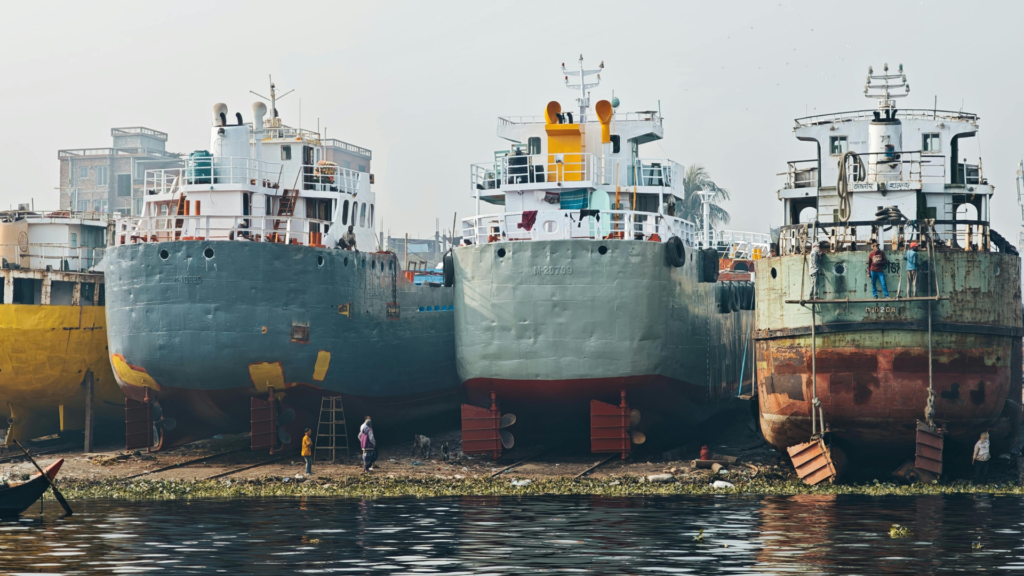
Preparing Marine Vessels for Recycling
Every ship reaches the end of its working life someday. Years of sailing through rough seas eventually take their toll. Instead of leaving old vessels to rust away, recycling gives them a valuable new purpose. Much of the metal can be recovered and used again in new products.
Preparing a marine vessel for recycling takes careful planning. It is much more than simply cutting the ship into smaller pieces. Every stage focuses on safety, environmental protection, and recovering valuable materials. You may be surprised by how much work happens before the first cut is even made.
If you plan to sell an old vessel, understanding this process helps you prepare better. It also helps you appreciate why buyers inspect ships carefully before making an offer. Many recovered materials eventually find their way to a scrap metal scrap yard, where they continue their recycling journey.
Start with a Detailed Vessel Inspection
Every successful recycling project begins with a complete inspection. Experts examine the vessel from top to bottom before any dismantling starts. They look at the structure, equipment, machinery, and overall condition.
During the inspection, they identify valuable metals and reusable components. Steel usually makes up the largest portion of the vessel. However, aluminum, copper, brass, stainless steel, and bronze also add significant value.
Inspectors also check for hazardous materials. Older ships may contain asbestos, old insulation, fuel residues, chemicals, and other dangerous substances. Identifying these items early protects workers throughout the recycling process.
You should also gather important documents before selling your vessel. Ownership papers, maintenance records, and vessel specifications often help buyers complete their evaluation faster. Good documentation builds confidence and reduces unnecessary delays.
A thorough inspection creates a clear recycling plan. Everyone involved understands what must be removed, recovered, or handled with special care.
Remove Hazardous Materials First
Safety always comes before dismantling begins. That is why hazardous materials are removed before cutting any metal sections.
Fuel tanks are emptied carefully. Lubricating oils are drained from engines and hydraulic systems. Coolants, chemicals, batteries, and waste liquids are collected for proper disposal.
Specialists handle asbestos and other hazardous materials using approved safety procedures. Protective clothing and specialized equipment help prevent exposure during removal.
Cleaning these materials first protects workers and prevents pollution. It also allows metal recycling to continue safely without unnecessary risks.
You can think of this stage as preparing a clean workspace. Once dangerous materials are gone, dismantling becomes much safer and more efficient.
Recover Valuable Equipment
Many parts of a vessel remain useful even after the ship retires. Instead of sending everything for recycling, workers recover equipment that still has value.
Navigation systems, generators, engines, pumps, anchors, propellers, winches, and electrical panels may be removed carefully. Some items are refurbished and sold for reuse.
Furniture, lighting fixtures, cables, and safety equipment can also find new owners. Reusing these components extends their working life while reducing waste.
Recovering equipment benefits both sellers and buyers. Valuable parts create additional income before the remaining metal enters the recycling stream.
Only after reusable equipment has been removed does the main dismantling process begin.
Plan Safe Dismantling Operations
Large marine vessels cannot be dismantled without careful planning. Every cut follows a planned sequence to keep workers safe.
Engineers study the vessel’s structure before selecting cutting points. Removing sections in the wrong order could create dangerous instability.
Heavy cranes support large steel sections during lifting. Cutting crews use specialized tools designed for marine demolition. Fire prevention measures remain active throughout the project.
Workers communicate constantly while dismantling continues. Good teamwork reduces accidents and keeps operations running smoothly.
This organized approach may take longer than random cutting. However, safety always outweighs speed during ship recycling.
Separate Different Types of Metal
Once steel sections are removed, workers begin separating different metals. Proper sorting increases recycling value and improves processing efficiency.
Steel forms the largest volume, but many other metals deserve special attention. Copper wiring, aluminum fittings, stainless steel piping, brass valves, and bronze propellers are sorted separately.
Keeping metals separated helps recycling companies produce higher-quality recycled materials. Mixed scrap often sells for lower prices because additional sorting becomes necessary later.
Many of these sorted materials are transported to a scrap metal scrap yard for further processing. There, they are weighed, inspected, compressed, and prepared for shipment to recycling mills.
The better the sorting process, the smoother the next recycling stage becomes.
Prepare Scrap for Easy Transportation
Large ship sections must be reduced before transportation. Heavy steel plates, beams, and pipes are cut into manageable sizes.
Hydraulic shears, industrial torches, and specialized cutting equipment handle these large materials. Workers organize processed scrap according to metal type and shipment destination.
Some lightweight metals are compressed into dense bundles. Steel may be stacked neatly for loading onto trucks or containers.
Organized transportation reduces handling costs and speeds up delivery. It also helps recycling facilities receive consistent shipments.
If you have ever visited a scrap metal scrap yard, you have probably seen these neatly prepared bundles waiting for transport.
Environmental Protection Matters Every Day
Modern ship recycling places strong emphasis on environmental responsibility. Every stage aims to reduce pollution while recovering valuable resources.
Wastewater is collected and treated properly. Hazardous chemicals never enter nearby rivers or oceans. Dust control systems reduce airborne particles during cutting operations.
Noise management also protects nearby communities. Recycling companies follow environmental guidelines to minimize their impact.
These efforts make marine recycling much more sustainable than simply abandoning old vessels. Recovered steel alone saves large amounts of energy compared to producing new steel from raw materials.
By supporting responsible recycling, you help protect natural resources for future generations.
Quality Checks Before Final Shipment
Before processed metal leaves the recycling facility, quality inspections take place once again. Buyers expect clean, properly sorted materials that meet agreed specifications.
Inspectors verify metal grades and remove unwanted contaminants. Accurate weighing ensures every shipment matches documentation.
These quality checks build trust between sellers, recycling companies, and steel manufacturers. Reliable shipments often lead to stronger business relationships.
Once approved, processed scrap is loaded for delivery to steel mills or recycling plants. There, the recovered metal begins another manufacturing cycle.
Every Retired Vessel Starts a New Journey
An old ship may stop sailing, but its story does not end there. Much of the vessel continues serving industries through recycled materials and reusable equipment.
Preparing marine vessels for recycling takes planning, skilled workers, and modern equipment. Every inspection, safety check, and sorting step improves the overall recycling process.
Whether the recovered metal goes directly to manufacturers or passes through a scrap metal scrap yard, each piece contributes to a cleaner and more sustainable future.
The next time you see an aging vessel waiting for dismantling, remember that it still holds tremendous value. With proper preparation, yesterday’s ship becomes tomorrow’s buildings, vehicles, machinery, and countless everyday products. That transformation begins long before the first steel plate is cut.
Metals Buyers Value Most
Not all scrap metal has the same value. Some metals attract strong demand throughout the year. Others sell well only when market conditions improve. Knowing the difference helps you make smarter recycling decisions.
When you understand which metals buyers want most, you can sort your materials with confidence. You also avoid mixing valuable metals with lower-priced ones. That simple habit can increase your earnings over time.
Many sellers bring mixed loads to a scrap metal scrap yard without checking what they have. While this is convenient, it often means missing better prices. Spending a little time sorting your scrap can make a noticeable difference.
Whether you collect household items, factory scrap, construction waste, or marine materials, valuable metals are hiding in many places. Learning to identify them is the first step toward maximizing your returns.
Copper Remains a Top Favorite
Copper continues to be one of the most valuable metals in the recycling industry. Buyers actively look for clean copper because it is easy to recycle and highly useful.
You can find copper inside electrical wiring, plumbing pipes, roofing materials, electric motors, and industrial equipment. Marine vessels also contain large amounts of copper wiring and electrical components.
Bright, clean copper usually earns higher prices than painted or coated copper. Removing insulation from wires may improve their value, depending on local buying policies.
Copper keeps its quality after recycling. That means manufacturers can use recycled copper repeatedly without reducing its performance.
Because of its strong demand, copper rarely stays in storage for long. Buyers often compete for quality copper supplies throughout the year.
Aluminum Offers Great Recycling Potential
Aluminum is another metal buyers appreciate. Although it costs less than copper, it remains valuable because it is lightweight and widely used.
You can find aluminum in window frames, beverage cans, vehicle parts, ladders, roofing sheets, marine structures, and kitchen equipment.
Recycling aluminum saves a significant amount of energy compared to producing new aluminum. That makes recycled aluminum attractive to manufacturers worldwide.
Clean aluminum always performs better than contaminated materials. Removing screws, plastic, rubber, and other attachments makes recycling much easier.
Many loads arriving at a scrap metal scrap yard contain aluminum mixed with steel. Separating them before delivery helps improve processing speed and may increase your payment.
Steel Is the Backbone of Recycling
Steel may not have the highest price per kilogram, but it remains one of the most traded metals worldwide.
Buildings, bridges, ships, machinery, vehicles, appliances, and factories all contain large amounts of steel. That creates a steady supply for recycling companies.
Because steel is magnetic, identifying it is usually simple. A basic magnet quickly separates steel from many non-ferrous metals.
Large quantities of steel can produce impressive returns despite lower individual prices. Commercial demolition projects often generate thousands of tons of recyclable steel.
Many recycling businesses depend on steel because demand remains strong across construction and manufacturing industries.
Brass Continues to Attract Buyers
Brass combines copper and zinc, creating a durable metal with excellent corrosion resistance. Buyers appreciate brass because it performs well in many industries.
You can discover brass inside plumbing fittings, valves, locks, door handles, musical instruments, and decorative fixtures.
Marine vessels also use brass in several components because it handles harsh environments effectively.
Brass usually has a yellow or golden appearance. However, older pieces may darken over time. Learning to recognize brass becomes easier with experience.
Clean brass without attached steel parts often receives better offers from recycling companies.
Stainless Steel Has Hidden Value
Many people overlook stainless steel because it resembles ordinary steel. However, stainless steel often contains valuable metals like chromium and nickel.
These metals improve corrosion resistance and increase overall recycling value.
You can find stainless steel in commercial kitchens, food processing equipment, hospital furniture, industrial tanks, marine fittings, and factory machinery.
Because different stainless steel grades exist, buyers inspect materials carefully before assigning values.
Keeping stainless steel separate from regular steel helps simplify the grading process.
Bronze Deserves Your Attention
Bronze is another valuable metal that many people accidentally overlook. It contains copper along with other alloying elements.
You often find bronze in marine propellers, bearings, sculptures, pumps, valves, and heavy industrial equipment.
Its excellent resistance to seawater makes bronze especially popular in shipbuilding.
Older industrial machinery frequently contains bronze components worth recovering before demolition begins.
Separating bronze from brass and copper improves grading accuracy and helps buyers evaluate your materials correctly.
Lead Still Has Important Uses
Lead remains useful in several industries despite strict environmental regulations.
Most recycled lead comes from vehicle batteries. However, you can also find it in radiation shielding, industrial equipment, and older construction materials.
Because lead requires careful handling, recycling companies follow strict environmental procedures during processing.
You should never attempt to dismantle lead batteries carelessly. Professional recycling facilities have the proper equipment for safe handling.
Responsible recycling protects both people and the environment while recovering valuable materials.
Precious Metals Can Surprise You
Some scrap contains small amounts of precious metals that carry impressive value.
Gold, silver, platinum, and palladium appear inside electronics, communication equipment, industrial controls, and specialized machinery.
Although quantities are usually small, their combined value can become significant.
Marine navigation systems, telecommunications equipment, and electronic control panels sometimes contain recoverable precious metals.
Professional recycling companies use advanced methods to recover these valuable materials safely.
Clean Scrap Always Wins
Metal type matters, but cleanliness also affects value. Buyers prefer scrap that is free from unnecessary contamination.
Removing plastic, rubber, glass, wood, insulation, and dirt makes inspection much easier.
Clean materials reduce processing costs for recycling companies. Those savings may translate into better offers for sellers.
Organized loads also move through a scrap metal scrap yard more efficiently. Workers can identify, weigh, and process separated metals much faster.
Even spending an extra hour sorting your materials can improve the overall recycling experience.
Quality Preparation Creates Better Opportunities
Knowing which metals buyers value most helps you recycle more effectively. Every load becomes an opportunity to recover hidden value instead of treating everything the same.
Copper, aluminum, steel, brass, stainless steel, bronze, lead, and precious metals all play important roles in today’s recycling industry. Each serves different manufacturers and markets around the world.
Preparing your scrap before delivery saves time for both you and the recycling company. Proper sorting also helps buyers offer fair prices based on accurate grading.
The next time you gather recyclable materials, take a closer look before loading everything together. A little extra effort can reveal valuable metals that deserve special attention.
Whether you recycle household items, industrial equipment, construction materials, or retired marine vessels, understanding metal values puts you in a stronger position. When your well-prepared materials arrive at a scrap metal scrap yard, everyone benefits from a faster, cleaner, and more efficient recycling process.
Connecting Owners with Trusted Buyers
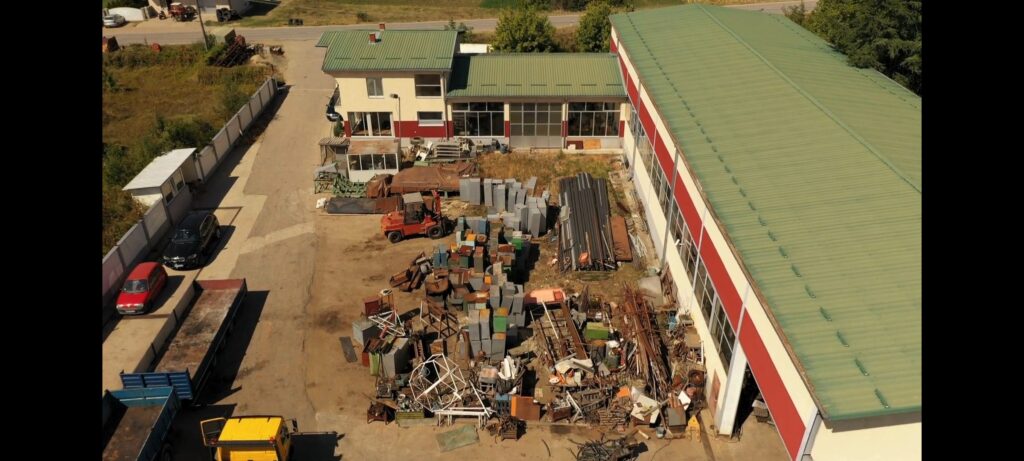
Finding valuable scrap is only part of the journey. The next challenge is finding a buyer you can trust. Whether you own an old ship, factory equipment, construction scrap, or household metal, the right buyer makes the entire process easier.
Many owners worry about low offers, delayed payments, or unclear agreements. Those concerns are understandable because large scrap transactions involve valuable materials. Working with trusted buyers helps you avoid unnecessary stress while protecting your investment.
A reliable buyer values honesty, clear communication, and fair business practices. They explain each step before the transaction begins. They also answer your questions without creating confusion.
Many sellers begin their search at a scrap metal scrap yard, but larger projects often require wider connections. Industrial plants, marine vessels, and demolition projects usually attract specialized buyers from different regions or countries.
Understanding how trusted buyers operate helps you make better decisions. It also increases your confidence throughout the selling process.
Know Exactly What You Are Selling
Before contacting buyers, take time to understand your materials. This simple step makes every conversation more productive.
Create a list of the metals you have available. Estimate the quantities as accurately as possible. Include photographs showing different angles of the materials.
If possible, identify whether your scrap contains steel, copper, aluminum, brass, stainless steel, bronze, or other valuable metals.
For larger assets, include dimensions, equipment lists, and general condition reports. Buyers appreciate detailed information because it helps them prepare accurate offers.
When you provide complete information, buyers spend less time asking basic questions. That often speeds up negotiations.
A well-prepared seller usually attracts more serious interest than someone providing only limited details.
Choose Buyers with Strong Reputations
Not every buyer operates the same way. Some businesses have years of successful experience, while others may lack professionalism.
Take time to research potential buyers before accepting an offer. Look for companies with established operations and positive customer feedback.
Reliable buyers communicate openly about pricing, inspections, transportation, and payment terms. They do not avoid important questions.
You should also confirm whether the buyer regularly handles your type of material. A company specializing in marine vessels may understand ship recycling better than a local collector.
Likewise, buyers serving industrial demolition projects often have different expertise than a neighborhood scrap metal scrap yard.
Choosing experienced professionals reduces misunderstandings and creates smoother transactions.
Prepare Clear Documentation
Good paperwork supports successful deals. Buyers appreciate organized documentation because it confirms ownership and simplifies the purchasing process.
Ownership records, maintenance documents, equipment inventories, inspection reports, and photographs all provide useful information.
For marine vessels, include registration papers whenever possible. For industrial facilities, provide equipment lists and site details.
Accurate documentation also reduces delays during inspections. Buyers can review important information before visiting the site.
Being organized shows professionalism and builds trust from the beginning.
Schedule Proper Inspections
Most serious buyers want to inspect valuable scrap before making a final offer. This benefits both sides.
An inspection confirms the quantity, quality, and condition of the available materials. It also helps identify any challenges before work begins.
For marine vessels, inspections often include structural assessments, machinery reviews, and hazardous material evaluations.
Industrial sites may require additional safety checks before dismantling starts.
You should welcome reasonable inspections because they create transparency. Honest evaluations reduce disputes after agreements are signed.
A professional inspection often leads to smoother negotiations and greater confidence between both parties.
Compare More Than One Offer
Receiving one offer does not mean you should stop searching. Comparing several buyers gives you a better understanding of current market conditions.
Price matters, but it should never become the only deciding factor.
Some buyers include transportation, loading, documentation, or dismantling services within their offers. Others expect sellers to arrange those services separately.
A slightly lower price may actually provide better overall value if additional costs are included.
Take time to compare every detail before making your decision.
Smart sellers evaluate the complete package instead of focusing only on the highest number.
Communication Builds Strong Relationships
Good communication keeps projects moving smoothly from beginning to end.
Respond to buyer questions promptly. Share updates whenever important information changes. Confirm inspection schedules and collection dates clearly.
Misunderstandings often happen when communication becomes inconsistent. Simple conversations prevent many avoidable problems.
Professional buyers also keep sellers informed throughout the process. They explain timelines, payment schedules, and transportation arrangements.
Strong communication creates trust that benefits future business opportunities.
Many successful partnerships begin with one well-managed transaction.
Work with Global Buyers When Appropriate
Some projects attract international interest because certain countries have strong recycling industries.
Large marine vessels, industrial plants, and heavy equipment often receive attention from overseas buyers.
International buyers may offer competitive prices depending on market demand, shipping costs, and recycling capacity.
Selling internationally requires additional planning. Documentation, logistics, inspections, and export procedures become more important.
Working with experienced partners helps simplify these complex transactions.
Whether your buyer operates locally or internationally, professionalism remains the key to success.
Trusted Connections Create Better Results
Many owners struggle to reach genuine buyers directly. They often encounter long chains of brokers before finding serious decision-makers.
Trusted business networks help bridge this gap.
Reliable connections introduce verified buyers to legitimate sellers. This reduces unnecessary delays while improving communication.
Instead of contacting dozens of companies individually, owners gain access to buyers already interested in specific materials.
These connections become especially valuable for ships, factories, demolition projects, and large industrial equipment.
Even when materials eventually move through a scrap metal scrap yard, trusted introductions help the transaction begin on the right foundation.
Build Long-Term Business Relationships
One successful sale can open the door to future opportunities.
Satisfied buyers often return when they know you provide accurate information and quality materials.
Likewise, sellers appreciate buyers who honor agreements and communicate honestly.
Long-term relationships reduce the time spent searching for new business partners. They also create confidence during future negotiations.
Over time, trust becomes one of your most valuable business assets.
Professional relationships often lead to referrals, repeat business, and larger projects.
Every Great Transaction Starts with Trust
Selling scrap should never feel confusing or stressful. With the right preparation, you can confidently connect with buyers who value honesty and professionalism.
Take time to organize your information, prepare quality documentation, and compare multiple offers. These simple steps strengthen your position during negotiations.
Whether you are selling household scrap, industrial machinery, demolition materials, or retired marine vessels, trusted buyers help every project move forward smoothly.
While many sellers begin at a scrap metal scrap yard, larger opportunities often come through verified business connections that match owners with qualified buyers.
At the end of the day, successful recycling is about more than metal alone. It is built on trust, clear communication, fair agreements, and strong partnerships. When you focus on those principles, every transaction becomes a win for sellers, buyers, and the recycling industry as a whole.