
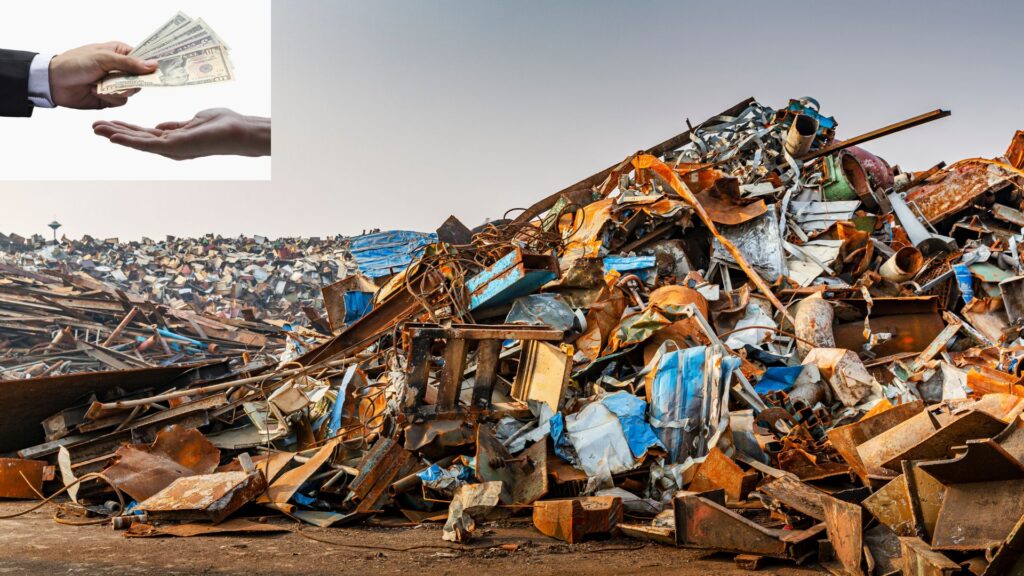
The scrap steel industry has changed significantly over the years. Today’s scrap steel buyers are more informed, more selective, and more focused on long-term partnerships than ever before. They are not simply searching for the cheapest materials. Instead, they want quality, reliability, and suppliers they can trust. If you understand what buyers expect, you can position yourself ahead of the competition.
Whether you sell factory scrap, demolition materials, marine vessels, structural steel, or industrial equipment, meeting buyer expectations increases your chances of closing successful deals. Small improvements in preparation can make a noticeable difference during negotiations. Buyers appreciate suppliers who save them time while reducing uncertainty.
Modern scrap steel buyers evaluate much more than the weight of the material. They consider quality, documentation, communication, logistics, and long-term business potential before making purchasing decisions. Understanding these priorities helps you present your materials more effectively and attract stronger offers.
Quality Always Comes First
Quality remains one of the biggest priorities for today’s buyers. No matter how attractive the price may seem, poor-quality scrap creates additional processing costs later.
Buyers carefully inspect the condition of steel before making offers. They look for clean materials with limited contamination and minimal unnecessary waste.
Excessive dirt, concrete, plastic, wood, rubber, or chemical residue often reduces the value of a shipment. Removing these materials before sale improves buyer confidence and simplifies recycling.
Buyers also appreciate well-maintained scrap that has been stored properly. Materials protected from excessive corrosion usually receive more favorable attention.
Different grades of steel should be separated whenever possible. Structural steel, heavy melting scrap, stainless steel, and other categories often receive different pricing.
Clean, organized materials help buyers estimate value more accurately while reducing preparation time after purchase.
Accurate Information Builds Buyer Confidence
Professional buyers value accurate information because it helps them make informed decisions.
Prepare a detailed inventory before contacting potential buyers. Include estimated quantities, material types, dimensions, and current storage location.
Clear photographs provide valuable support during early discussions. Show the materials from several angles and include close-up images of important details.
Videos also improve buyer confidence by presenting the overall condition of larger projects.
Honest descriptions matter just as much as good photographs. Avoid exaggerating quantities or hiding damaged materials because inspections often reveal the actual condition.
Buyers appreciate suppliers who answer questions quickly and provide requested information without unnecessary delays.
Reliable information creates smoother negotiations while strengthening long-term business relationships.
Documentation Makes Transactions Easier
Good documentation has become increasingly important in today’s recycling industry.
Ownership records confirm that materials are legally available for sale. Buyers appreciate this reassurance before committing significant investments.
Inspection reports prepared by qualified professionals provide independent assessments of material condition.
Inventory records help buyers estimate transportation needs and processing costs more accurately.
Marine vessels, industrial facilities, and factory equipment may also require additional technical documentation before transactions proceed.
Keeping documents organized saves valuable time during negotiations.
Professional paperwork demonstrates that you take your business seriously and understand industry expectations.
Well-prepared documentation often helps transactions move forward more quickly.
Consistent Supply Attracts Long-Term Buyers
Many buyers are looking for more than one successful transaction. They want dependable suppliers capable of providing regular quantities over time.
Consistent supply helps manufacturers plan production schedules with greater confidence.
If you expect additional materials to become available in the future, share this information during discussions.
Even if your current project is relatively small, demonstrating long-term potential encourages stronger buyer interest.
Reliable communication also supports lasting partnerships. Inform buyers whenever new factory scrap, demolition materials, or industrial equipment becomes available.
Long-term relationships often produce greater value than constantly searching for new customers.
Professional suppliers become trusted partners rather than occasional sellers.
Competitive Pricing Matters, but Value Matters More
Every buyer pays attention to pricing, but price alone rarely determines the final decision.
Experienced scrap steel buyers evaluate the complete value of every opportunity.
Well-organized materials reduce processing costs, making them more attractive even if the purchase price is slightly higher.
Reliable documentation, honest communication, and efficient logistics also influence purchasing decisions.
Many buyers willingly pay fair prices when they know suppliers consistently deliver quality materials.
Instead of competing only on price, focus on presenting greater overall value.
Strong preparation often creates better results than simply offering the lowest price.
Efficient Logistics Save Time
Transportation plays an important role in every recycling transaction.
Buyers appreciate suppliers who understand loading requirements and prepare materials for efficient collection.
Organized storage areas reduce loading time while improving workplace safety.
Large structural steel sections may require cutting before transportation. Planning these activities early prevents unnecessary delays later.
Access roads, lifting equipment, port facilities, and transportation schedules also influence buyer decisions.
Providing clear logistical information helps buyers estimate project costs more accurately.
Efficient operations create positive experiences that encourage future business relationships.
Digital Communication Supports Better Business
Technology has transformed the way buyers and sellers communicate.
Email allows documents, photographs, and inventory records to be shared within minutes.
Video conferencing supports virtual inspections before physical visits take place.
Cloud storage simplifies access to large files such as inspection reports and technical drawings.
Professional websites also help buyers learn about your business before making contact.
Business networking platforms create additional opportunities to introduce available materials to international buyers.
Digital communication increases transparency while helping projects move forward more efficiently.
Companies that embrace modern communication often enjoy stronger business relationships.
Building Trust Creates Lasting Success
Trust remains one of the most valuable qualities in today’s recycling market.
Buyers prefer suppliers who consistently provide honest information and deliver what they promise.
Meeting agreed deadlines, honoring inspection schedules, and maintaining professional communication all strengthen your reputation.
If unexpected challenges arise, explain the situation immediately instead of avoiding difficult conversations.
Reliable business practices encourage repeat purchases while generating valuable referrals.
Satisfied buyers often recommend dependable suppliers to colleagues within the recycling industry.
Long-term trust becomes one of your greatest competitive advantages because strong reputations spread naturally through successful business relationships.
Understanding Buyer Expectations Gives You an Advantage
Today’s recycling market rewards suppliers who prepare carefully and communicate professionally. Quality materials, organized documentation, reliable logistics, and honest communication all contribute to successful transactions. Buyers want confidence that every shipment matches its description and arrives as expected.
Modern scrap steel buyers evaluate much more than simple pricing. They look for dependable partners who understand industry standards and consistently deliver value. Businesses that focus on long-term relationships often enjoy stronger opportunities than those concentrating only on individual sales.
Whether you supply factory scrap, marine vessels, demolition materials, warehouses, or industrial equipment, understanding buyer expectations helps you stand out in a competitive market. Every improvement in preparation strengthens your position during negotiations while increasing buyer confidence.
As global demand for recycled steel continues growing, businesses that prioritize quality, professionalism, and trust will remain well positioned for future success. By understanding what buyers value most today, you create stronger partnerships, smoother transactions, and greater opportunities for long-term growth in the recycling industry.
Hidden Steel Value Inside Retired Vessels

When a ship reaches the end of its working life, many people assume its value disappears. The truth is quite different. A retired vessel still contains thousands of tons of valuable steel waiting to begin a new journey. Instead of becoming waste, that steel can return to factories, construction projects, and manufacturing plants through responsible recycling. Every retired vessel represents an opportunity to recover materials that continue serving industries around the world.
Most people only notice the large steel hull, but hidden value exists throughout the entire vessel. Structural supports, cargo areas, machinery foundations, decks, stairways, storage compartments, and countless other components all contribute to the vessel’s recycling potential. Careful dismantling allows these valuable materials to be recovered safely while maximizing financial returns.
For vessel owners, understanding this hidden value creates better opportunities when preparing a ship for recycling. For scrap steel buyers, it highlights why marine recycling remains one of the most reliable sources of high-quality recyclable steel.
The Hull Is Only the Beginning
The ship’s hull is the most visible source of recyclable steel, but it represents only part of the total value.
Large cargo vessels, tankers, barges, passenger ships, and offshore support vessels all rely on thick steel plates to withstand years of demanding service. These heavy-duty plates remain valuable long after the vessel completes its final voyage.
Decks, bulkheads, cargo holds, side walls, and internal frames also contain substantial quantities of structural steel. Every section contributes to the total amount of recyclable material.
Supporting beams, reinforcement structures, engine foundations, and maintenance platforms add even more value throughout the vessel.
Because ships are built for strength and durability, their structural steel often maintains excellent recycling potential after decades of operation.
Professional dismantling ensures these valuable materials are recovered efficiently rather than being unnecessarily damaged during demolition.
The larger the vessel, the greater the opportunity to recover high-quality recyclable steel.
Machinery Contains Valuable Steel Components
Marine machinery provides another important source of recyclable steel.
Main engines include large steel housings, crankcases, support frames, shafts, brackets, and heavy-duty structural components. These materials continue holding recycling value even after mechanical systems stop operating.
Generators, compressors, pumps, steering systems, and hydraulic equipment also contain significant amounts of steel.
Large electric motors combine steel casings with copper windings, creating additional recovery opportunities during dismantling.
Anchor handling equipment, cranes, lifting systems, and cargo winches include strong steel structures built for demanding marine environments.
Even maintenance equipment, spare parts, and storage systems contribute additional recyclable materials throughout the vessel.
Professional inspections help identify these hidden resources before dismantling begins.
Recovering machinery carefully increases the overall financial return from every recycling project.
Structural Equipment Often Goes Unnoticed
Many valuable steel components remain hidden in plain sight.
Walkways, ladders, staircases, railings, safety barriers, storage racks, and maintenance platforms all contain recyclable steel.
Cargo handling systems also provide valuable materials. Hatch covers, loading equipment, lifting frames, support brackets, and conveyor systems contribute additional recovery opportunities.
Pipe supports, cable trays, ventilation systems, and structural reinforcements often remain overlooked during casual inspections.
Even accommodation areas include steel furniture frames, storage cabinets, bunk supports, and utility systems.
Every recovered component increases the total amount of recyclable material available to buyers.
Experienced recycling teams understand that careful attention to smaller structures often produces significant additional value.
Nothing should be dismissed without proper evaluation.
Proper Dismantling Protects Valuable Materials
Successful marine recycling requires careful planning rather than rapid demolition.
Professional teams inspect vessels thoroughly before dismantling begins. They identify valuable materials and develop organized recovery plans.
Reusable equipment is removed before structural cutting starts. This protects machinery that may still hold resale value beyond basic recycling.
Hazardous materials are also removed safely to protect workers and the surrounding environment.
Modern cutting equipment allows steel sections to be separated cleanly while minimizing unnecessary waste.
Organized material sorting keeps different steel grades separated throughout the project.
Clean, well-prepared materials attract greater interest from scrap steel buyers because they require less additional processing.
Good preparation benefits both sellers and buyers alike.
Global Demand Keeps Marine Steel Valuable
Recycled marine steel continues supporting industries around the world.
Construction companies use recycled steel to build bridges, factories, warehouses, commercial buildings, and transportation infrastructure.
Manufacturers rely on recycled steel when producing machinery, industrial equipment, agricultural tools, and consumer products.
Recycling steel generally requires less energy than manufacturing new steel from raw iron ore. This makes recycled material attractive for both economic and environmental reasons.
Many countries continue expanding infrastructure while increasing manufacturing capacity. These developments create long-term demand for reliable steel supplies.
Marine recycling helps satisfy this demand by providing consistent quantities of high-quality recyclable steel.
Growing global demand creates attractive opportunities for vessel owners preparing retired ships for recycling.
Technology Improves Steel Recovery
Modern technology continues improving marine recycling operations.
Drone inspections help evaluate vessel conditions before dismantling begins.
Digital inventory systems record available materials with greater accuracy than traditional methods.
Advanced cutting equipment improves precision while protecting valuable steel components during removal.
Automated sorting systems separate recyclable materials more efficiently, reducing processing time.
Cloud-based document sharing simplifies communication between vessel owners, buyers, inspectors, and recycling companies.
Video inspections allow international buyers to evaluate projects before arranging travel.
Technology helps everyone involved make better decisions while increasing recovery efficiency.
Leading scrap steel buyers appreciate organized projects supported by accurate information and professional documentation.
Strong Partnerships Create Better Results
Marine recycling depends on cooperation between many different businesses.
Vessel owners, recycling companies, inspectors, logistics providers, and buyers all contribute to successful projects.
Professional communication helps build confidence throughout every stage of the transaction.
Accurate inventories, clear photographs, inspection reports, and ownership documents simplify negotiations while reducing uncertainty.
Long-term partnerships often create better opportunities than individual transactions.
Reliable suppliers become trusted partners because buyers know what to expect from future projects.
Professional scrap connectors also help introduce qualified buyers to vessel owners seeking responsible recycling solutions.
These partnerships strengthen the entire marine recycling industry.
Hidden Steel Creates Lasting Opportunities
Retired vessels contain much more than aging machinery and weathered steel. They represent valuable collections of recyclable materials ready to support new industries. From massive hull plates to engine foundations, cargo systems, maintenance platforms, and structural reinforcements, valuable steel exists throughout every part of the vessel.
Professional dismantling ensures these hidden resources are recovered carefully while maximizing financial returns. Clean, organized materials attract greater attention from scrap steel buyers because they reduce processing time and improve recycling efficiency.
Whether you own cargo ships, barges, fishing vessels, offshore platforms, or passenger ships, understanding the hidden value inside retired vessels helps you make better recycling decisions. Every recovered steel beam, deck plate, and machinery frame contributes to sustainable manufacturing while reducing demand for newly mined resources.
As global industries continue seeking dependable recycled materials, marine steel recycling will remain an important part of the circular economy. Every retired vessel offers another opportunity to transform yesterday’s ship into tomorrow’s buildings, factories, transportation systems, and industrial equipment. That lasting value makes marine recycling one of the smartest investments in the future of sustainable steel production.
Connecting Buyers with Reliable Scrap Owners
Finding quality scrap is only half the challenge in today’s recycling industry. The other half is finding people you can trust. Many buyers spend weeks searching for suppliers, only to discover incomplete information, unreliable contacts, or materials that do not match the description. At the same time, many genuine scrap owners struggle to reach serious buyers who understand the true value of their materials. Bringing these two groups together creates opportunities that benefit everyone involved.
The recycling industry grows stronger when trustworthy buyers and reliable suppliers work together. Good partnerships reduce delays, improve communication, and increase confidence throughout every transaction. Instead of worrying about uncertainty, both parties can focus on building successful business relationships.
Modern scrap steel buyers are looking for much more than competitive pricing. They want dependable suppliers, accurate information, organized documentation, and honest communication. Likewise, scrap owners want buyers who respond professionally, honor agreements, and complete transactions without unnecessary complications.
Reliable Information Creates Better Opportunities
The first step toward building trust is providing accurate information.
Scrap owners should prepare clear descriptions of available materials before contacting buyers. Explain the type of steel, estimated quantity, storage location, and overall condition.
Good photographs make a strong first impression. Show different angles, close-up details, and wide views that help buyers understand the scale of the project.
Videos also improve transparency by allowing buyers to inspect materials before arranging site visits.
Supporting documents add even greater confidence. Ownership records, inventory lists, inspection reports, and technical information simplify buyer evaluations.
Honest communication prevents misunderstandings later. If certain materials have already been removed or damaged, explain this clearly from the beginning.
Reliable information saves time while helping buyers make informed decisions.
Professional Communication Builds Confidence
Successful recycling projects depend on clear communication from both sides.
Respond promptly to emails, phone calls, and online messages. Even if additional information is needed, acknowledging inquiries demonstrates professionalism.
Answer buyer questions honestly and avoid making promises that cannot be fulfilled.
If inspection schedules change, communicate those updates immediately instead of waiting until the last moment.
Video meetings provide another excellent opportunity to build confidence. Face-to-face conversations help both parties discuss project details more effectively.
Professional communication also includes listening carefully. Understanding buyer expectations allows you to prepare better information before negotiations continue.
Small improvements in communication often lead to stronger long-term business relationships.
Quality Materials Attract Serious Buyers
Reliable buyers naturally prefer quality materials because they reduce processing costs and improve recycling efficiency.
Keep steel separated from other recyclable materials whenever possible. Organized scrap allows buyers to estimate value more accurately.
Remove unnecessary waste such as wood, plastic, rubber, concrete, or excessive dirt before inspections.
Store materials safely to reduce unnecessary corrosion or damage while waiting for sale.
Well-maintained scrap demonstrates professionalism and encourages greater buyer confidence.
Even if your project includes mixed materials, organizing them carefully improves presentation and simplifies negotiations.
Many scrap steel buyers willingly pay fair prices for suppliers who consistently provide clean and well-prepared materials.
Quality creates lasting impressions that extend beyond a single transaction.
Documentation Protects Everyone
Good documentation benefits both buyers and sellers throughout every recycling project.
Ownership certificates confirm that materials are legally available for sale. Buyers appreciate this reassurance before making significant investments.
Inventory records help estimate available quantities while supporting transportation planning.
Inspection reports prepared by independent professionals provide objective assessments of material condition.
Marine vessels, factory equipment, and industrial facilities may also require registration records or technical documentation.
Photographs and videos support written records by showing the actual condition of available materials.
Organized paperwork reduces misunderstandings while making negotiations much smoother.
Professional documentation reflects serious business practices that encourage buyer confidence.
Digital Platforms Make Connections Easier
Technology has completely changed how buyers and sellers meet.
Professional websites allow scrap owners to present available materials to a global audience.
Business networking platforms connect suppliers with manufacturers, recyclers, exporters, and industrial buyers across different countries.
Online marketplaces provide opportunities to advertise factory scrap, marine vessels, demolition materials, warehouses, and industrial equipment.
Video conferencing supports virtual inspections before physical visits become necessary.
Cloud storage allows photographs, inventory records, inspection reports, and ownership documents to be shared quickly.
Digital communication reduces delays while helping projects move forward efficiently.
Technology allows reliable suppliers to reach qualified buyers far beyond their local markets.
Long-Term Relationships Bring Greater Success
Many businesses focus only on completing their next sale. The most successful companies think much further ahead.
Building long-term partnerships creates stability for both buyers and sellers.
Reliable suppliers often become preferred partners because buyers appreciate consistent quality and dependable communication.
Likewise, trustworthy buyers frequently receive early access to future projects before materials enter the broader market.
Regular communication helps maintain these valuable relationships.
Sharing updates about new factory closures, demolition projects, marine vessels, or industrial equipment keeps business opportunities flowing.
Professional relationships often generate referrals as well. Satisfied partners naturally recommend reliable businesses to colleagues throughout the recycling industry.
Strong relationships produce lasting value that extends far beyond individual transactions.
Professional Scrap Connectors Add Value
Many buyers and sellers never meet simply because they operate in different regions.
Professional scrap connectors help solve this problem by introducing verified buyers to reliable suppliers.
These specialists understand market requirements, buyer expectations, logistics planning, and international communication.
Instead of spending months searching independently, businesses gain access to trusted professional networks.
Experienced connectors also help verify project information before introductions occur.
This additional level of screening reduces uncertainty while improving buyer confidence.
Professional guidance often simplifies negotiations involving factory equipment, marine vessels, demolition projects, and large industrial facilities.
Working with experienced connectors saves time while improving the quality of business opportunities.
Trust Creates the Strongest Business Advantage
Trust remains the foundation of every successful recycling partnership.
Buyers appreciate suppliers who consistently deliver accurate information and organized materials.
Suppliers value buyers who communicate professionally, respect agreements, and complete transactions as promised.
Every honest conversation strengthens your professional reputation.
Every successful project builds additional confidence for future business opportunities.
Many leading scrap steel buyers continue working with trusted suppliers because dependable relationships reduce uncertainty while improving operational efficiency.
Reputation grows gradually through consistent actions rather than impressive promises.
Businesses that earn trust often enjoy stronger opportunities throughout the recycling industry.
Strong Connections Build Better Recycling Businesses
The recycling industry works best when reliable buyers and trustworthy scrap owners connect efficiently. Honest communication, quality materials, organized documentation, and professional behavior all contribute to successful partnerships that benefit everyone involved.
Today’s scrap steel buyers are searching for more than available materials. They want dependable suppliers who understand industry expectations and consistently deliver value. Likewise, scrap owners deserve buyers who communicate clearly, respect agreements, and recognize the true worth of recyclable materials.
Technology and professional scrap connectors continue making these connections easier than ever before. Digital platforms, virtual inspections, and global communication allow businesses to discover opportunities beyond traditional local markets.
Whether you manage factory scrap, marine vessels, demolition materials, warehouses, or industrial equipment, building strong relationships creates lasting success. Every trusted partnership opens the door to future projects, stronger negotiations, and greater business confidence.
In the growing recycling industry, reliable connections are just as valuable as quality steel. When honest buyers and dependable scrap owners work together, everyone benefits, including manufacturers, recycling companies, local communities, and the environment.
Future Trends in Steel Recycling Markets
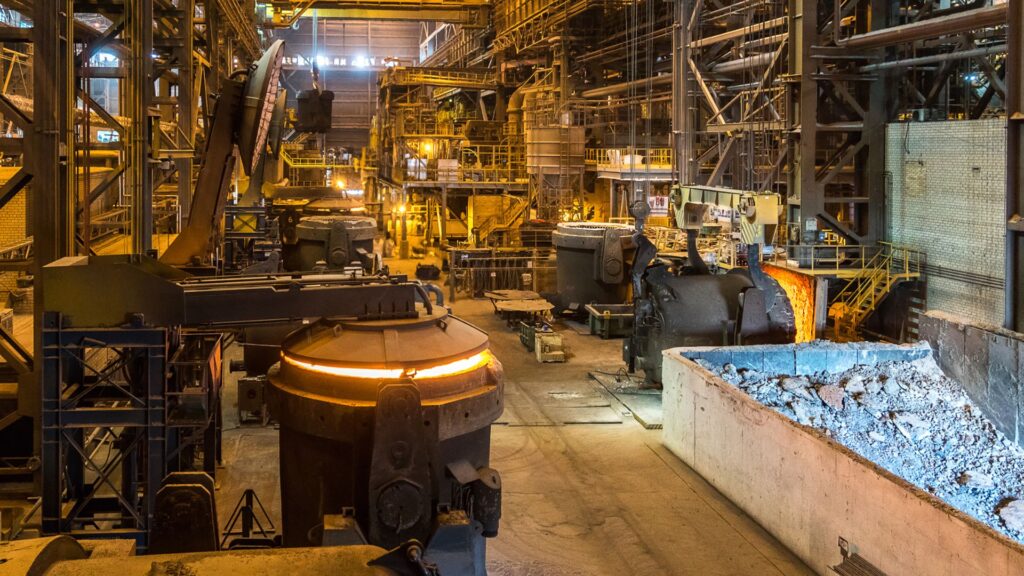
The steel recycling industry is moving into an exciting new era. Around the world, governments, manufacturers, and construction companies are investing more in sustainable materials than ever before. This growing demand is creating fresh opportunities for buyers, suppliers, and recycling businesses. As industries continue changing, recycled steel will play an even bigger role in building the future.
Steel has always been one of the world’s most valuable recyclable materials. Unlike many resources, it can be recycled again and again without losing its strength or quality. This makes recycled steel an essential material for construction, transportation, manufacturing, and infrastructure development.
For suppliers and scrap steel buyers, understanding future market trends provides a valuable advantage. When you know where the industry is heading, you can prepare for new opportunities instead of simply reacting to market changes.
Sustainable Manufacturing Will Lead the Way
One of the strongest trends shaping the steel recycling market is sustainability.
Manufacturers around the world are working hard to reduce waste and lower carbon emissions. Recycled steel helps achieve these goals while providing dependable raw materials.
Producing steel from recycled scrap generally requires less energy than manufacturing new steel from iron ore. Lower energy use also reduces greenhouse gas emissions.
Many businesses now include recycled materials in their sustainability plans because customers increasingly support environmentally responsible products.
Governments continue introducing environmental regulations that encourage recycling across different industries.
Construction companies also prefer recycled steel because it combines excellent performance with environmental benefits.
As sustainability becomes an even greater priority, demand for recycled steel will continue growing across global markets.
Infrastructure Projects Will Increase Demand
Growing populations require new buildings, transportation systems, and industrial facilities.
Cities continue investing in bridges, highways, railways, airports, ports, schools, hospitals, and commercial developments.
Nearly every one of these projects depends on steel.
Recycled steel provides a practical solution because it supports large construction projects while reducing pressure on natural resources.
Developing countries continue expanding infrastructure to strengthen economic growth. This creates additional demand for recyclable steel from reliable suppliers.
Industrial facilities also require structural steel for warehouses, factories, storage terminals, and production plants.
These long-term investments help support healthy demand throughout the recycling industry.
Reliable scrap steel buyers understand that infrastructure growth remains one of the strongest drivers of future recycling opportunities.
Technology Will Improve Recovery Rates
Technology continues changing nearly every stage of the recycling process.
Modern sorting equipment separates different grades of steel with greater speed and accuracy than traditional methods.
Artificial intelligence is beginning to assist with material identification during inspections.
Automated processing systems recover larger quantities of recyclable steel while reducing manual labor.
Advanced cutting equipment improves dismantling efficiency for factories, marine vessels, bridges, and industrial facilities.
Digital inventory systems also improve project management by tracking available materials more accurately.
Cloud-based communication allows buyers and sellers to exchange documents, photographs, and inspection reports quickly.
Technology improves productivity while helping recycling businesses recover more valuable materials.
Marine Recycling Will Become More Important
Thousands of vessels reach retirement every year.
Cargo ships, fishing vessels, barges, tankers, offshore platforms, and passenger ships all contain significant quantities of recyclable steel.
Responsible dismantling allows these materials to return to manufacturing instead of becoming waste.
Beyond the hull, marine vessels contain machinery foundations, decks, cargo systems, structural supports, and maintenance equipment ready for recycling.
Improved environmental standards continue encouraging safer ship recycling around the world.
Professional scrap connectors also help introduce vessel owners to qualified international buyers.
As aging fleets continue retiring, marine recycling will remain an important source of recyclable steel.
This growing supply creates valuable opportunities throughout the recycling industry.
Digital Business Networks Will Expand
Business relationships are becoming increasingly digital.
Professional websites help suppliers present available materials to buyers around the world.
Business networking platforms introduce manufacturers, recyclers, exporters, and suppliers to one another more efficiently.
Online marketplaces simplify the process of advertising factory scrap, demolition materials, warehouses, and industrial equipment.
Video conferencing supports virtual inspections before buyers arrange travel.
Cloud storage provides quick access to inventory lists, ownership documents, inspection reports, and project photographs.
Digital communication reduces delays while strengthening international partnerships.
Businesses embracing technology often discover opportunities far beyond their local markets.
The Circular Economy Will Strengthen Recycling
The circular economy continues reshaping modern manufacturing.
Instead of using materials once and discarding them, industries now focus on keeping valuable resources in continuous use.
Steel fits perfectly into this approach because it can be recycled repeatedly without losing quality.
Manufacturers increasingly design products with future recycling in mind.
Governments promote circular economy initiatives through recycling programs and sustainability policies.
Consumers also encourage environmentally responsible production by supporting companies committed to reducing waste.
These changing expectations increase demand for recycled steel across many industries.
The circular economy creates lasting opportunities for suppliers, manufacturers, and scrap steel buyers alike.
Strong Partnerships Will Become Even More Valuable
Future success will depend on more than available materials.
Reliable business relationships will remain one of the industry’s greatest strengths.
Buyers prefer suppliers who consistently provide honest information, organized documentation, and dependable communication.
Suppliers value buyers who respect agreements, complete transactions professionally, and maintain long-term partnerships.
Professional scrap connectors will continue helping businesses build trusted international relationships.
As markets become more competitive, reputation will become increasingly valuable.
Companies known for reliability often receive repeat business and valuable referrals.
Strong partnerships create stability while supporting continued growth throughout changing market conditions.
Innovation Will Create New Opportunities
Research and innovation continue expanding recycling possibilities.
Manufacturers are developing stronger steel products that remain highly recyclable.
Recycling facilities continue investing in equipment that improves recovery rates while reducing processing costs.
Environmental technologies help recycling companies manage waste more responsibly.
Transportation systems continue improving, making international recycling projects more efficient.
Artificial intelligence and data analysis will likely support better forecasting of future market trends.
These ongoing improvements create exciting opportunities for businesses willing to embrace innovation.
Companies investing in modern technology today position themselves for long-term success tomorrow.
The Future of Steel Recycling Looks Bright
The future of steel recycling is filled with opportunity. Growing infrastructure, sustainable manufacturing, marine recycling, digital technology, and the circular economy all support increasing demand for recycled steel. These powerful trends are transforming the recycling industry into one of the most important parts of modern manufacturing.
For suppliers and scrap steel buyers, staying informed about these developments creates valuable advantages. Businesses that understand changing market conditions can prepare more effectively, build stronger partnerships, and identify new opportunities before competitors do.
Whether you recycle factory equipment, demolition materials, warehouses, industrial machinery, or retired marine vessels, your role in the recycling industry will continue becoming more important. Every recovered steel beam, structural plate, and machinery frame supports cleaner production while conserving valuable natural resources.
The years ahead promise continued growth for steel recycling. Companies that invest in quality, innovation, technology, and trusted relationships will be well positioned to thrive. By embracing these future trends today, you help create a stronger recycling industry that benefits businesses, communities, manufacturers, and the environment for generations to come.