
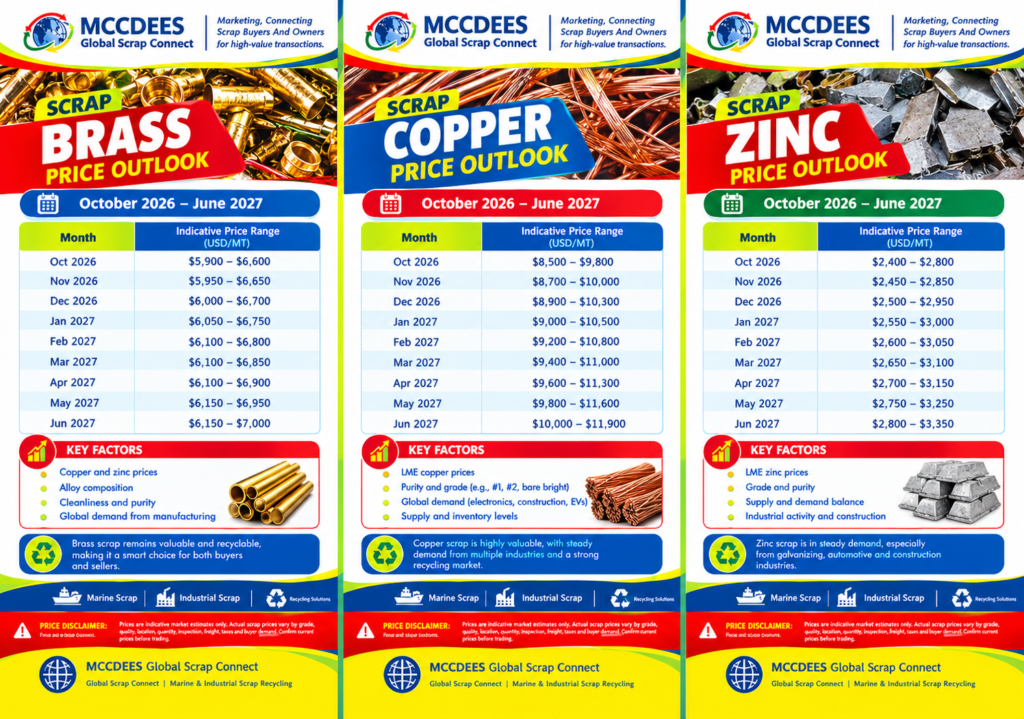
Brass is one of the most valuable metals in the recycling industry. It combines strength, durability, and excellent resistance to corrosion, making it useful in many products. Even after years of service, brass keeps much of its value because it can be recycled repeatedly without losing its important qualities. That is why understanding different grades of brass scrap can help you make smarter selling and buying decisions.
Many people think all brass scrap is the same, but that is not the case. Different grades have different compositions, levels of purity, and market values. Some types contain very little contamination, while others include attachments or mixed materials that require extra processing. Knowing these differences allows you to prepare your scrap more effectively and negotiate with greater confidence.
If you regularly follow brass prices today, you will notice that cleaner and better-sorted brass often receives stronger offers. Understanding grading standards helps you recognize opportunities that others may overlook.
Clean Yellow Brass Is Always Popular
Yellow brass is one of the most common grades found in recycling yards.
You can find it in plumbing fittings, valves, door handles, decorative hardware, locks, hinges, musical instruments, and household fixtures. Because of its bright golden appearance, it is usually easy to recognize.
Clean yellow brass contains very little contamination. It normally arrives without excessive steel, plastic, rubber, or other attached materials.
Recycling companies appreciate clean brass because it requires less processing before melting and manufacturing.
If possible, remove unnecessary attachments before selling your materials. This small effort often improves buyer interest and may increase the overall value of your scrap.
Many experienced recyclers separate yellow brass from other materials immediately after collection.
Good organization saves time while supporting better pricing discussions later.
Red Brass Often Commands Strong Interest
Red brass contains a higher percentage of copper than yellow brass.
This higher copper content gives it a reddish appearance and often increases its recycling value.
You may find red brass in water meters, plumbing valves, pumps, sprinkler systems, marine fittings, and industrial equipment.
Because of its excellent corrosion resistance, red brass performs well in demanding environments where moisture is common.
Recycling companies carefully separate red brass from other grades because manufacturers use it in many specialized applications.
Proper identification helps buyers evaluate materials more accurately while simplifying the recycling process.
Keeping red brass separate from mixed metals also demonstrates professionalism during inspections.
Following brass prices today helps you understand how copper market trends may influence the value of red brass.
Mixed Brass Requires Extra Attention
Not every brass item arrives in perfect condition.
Mixed brass often includes attached steel screws, plastic handles, rubber seals, aluminum parts, or other non-brass materials.
Although mixed brass still holds recycling value, buyers usually consider the additional processing required before manufacturing begins.
Removing obvious attachments before selling can improve the quality of your materials significantly.
Take time to inspect valves, faucets, plumbing fixtures, and industrial components carefully.
Simple preparation often increases buyer confidence while reducing sorting costs.
If removing attachments is not practical, explain the condition honestly during negotiations.
Professional communication helps buyers estimate processing requirements more accurately.
Marine and Industrial Brass Offers Hidden Value
Marine vessels and industrial facilities contain impressive quantities of recyclable brass.
Pumps, valves, bearings, pipe fittings, heat exchangers, and marine hardware frequently include brass because of its resistance to corrosion.
Factories also use brass in machinery, electrical equipment, pressure systems, and manufacturing processes.
When these facilities are upgraded or dismantled, valuable brass becomes available for recycling.
Many of these components appear ordinary at first glance, yet they contain high-quality recyclable metal.
Careful inspections often reveal hidden opportunities throughout industrial equipment and retired marine vessels.
Professional recyclers understand where valuable brass components are commonly located.
Recovering these materials carefully helps maximize the overall value of recycling projects.
Proper Sorting Makes a Big Difference
Sorting is one of the easiest ways to improve the value of brass scrap.
Separate yellow brass, red brass, mixed brass, and other recyclable metals whenever possible.
Avoid placing brass together with steel, aluminum, copper, stainless steel, or general scrap.
Organized materials allow buyers to inspect your shipment more quickly and estimate value with greater confidence.
Clean storage also protects brass from unnecessary contamination before sale.
Simple labels help identify different material types if you collect large quantities regularly.
Professional presentation creates positive first impressions during inspections.
Well-organized suppliers often build stronger long-term relationships with recycling companies because they consistently save time throughout the purchasing process.
Market Conditions Affect Brass Values
Like other recyclable metals, brass values change throughout the year.
Supply and demand remain the biggest influences on recycling prices.
Construction activity often increases demand for brass fittings, plumbing systems, and industrial components.
Manufacturing output also affects recycling markets because factories require dependable supplies of raw materials.
Copper prices influence brass values since brass contains a significant percentage of copper.
Transportation costs, international trade, and global economic activity also contribute to changing market conditions.
Monitoring brass prices today helps you understand these movements while supporting better selling decisions.
Instead of reacting to every short-term change, focus on long-term market trends and industry developments.
Technology Improves Brass Recycling
Modern recycling technology continues improving the recovery of brass materials.
Advanced sorting equipment separates brass from other metals with greater speed and accuracy.
Digital inventory systems allow recycling companies to track available materials more efficiently.
Portable metal analyzers help inspectors identify different brass grades during evaluations.
Cloud-based communication also simplifies transactions between suppliers and buyers.
Photographs, videos, inspection reports, and inventory records can now be shared within minutes.
Technology reduces uncertainty while improving recycling efficiency throughout the supply chain.
Businesses embracing these improvements often enjoy smoother transactions and stronger customer relationships.
Good Preparation Creates Better Results
Preparing brass properly before selling benefits everyone involved.
Inspect your materials carefully before contacting buyers.
Remove unnecessary attachments whenever practical.
Keep different grades separated during storage and transportation.
Take clear photographs showing the condition of your scrap.
Prepare simple inventory records describing available quantities and material types.
Compare offers from several buyers before completing a sale.
Regularly checking brass prices today also helps you understand whether market conditions support immediate selling or waiting for stronger demand.
Good preparation improves confidence while helping buyers evaluate your materials more efficiently.
Understanding Brass Grades Gives You an Advantage
Learning the differences between brass grades is one of the smartest investments you can make in the recycling industry. Clean yellow brass, high-copper red brass, mixed brass, and industrial brass all have unique characteristics that influence their recycling value. Understanding these differences helps you prepare materials more effectively while negotiating with greater confidence.
Following brass prices today provides valuable market insight, but preparation remains equally important. Clean, organized, and accurately identified brass usually attracts greater buyer interest than mixed or poorly sorted materials.
Whether you collect brass from factories, marine vessels, construction projects, plumbing systems, or household items, careful sorting and honest communication strengthen every transaction. Buyers appreciate suppliers who understand material quality and provide reliable information throughout the recycling process.
As demand for recycled metals continues growing, knowledge becomes one of your greatest advantages. Every correctly identified brass component contributes to cleaner manufacturing, stronger resource conservation, and better financial opportunities. By understanding different grades of brass scrap, you position yourself for greater success in the growing world of metal recycling.
How to Identify High-Value Brass Materials
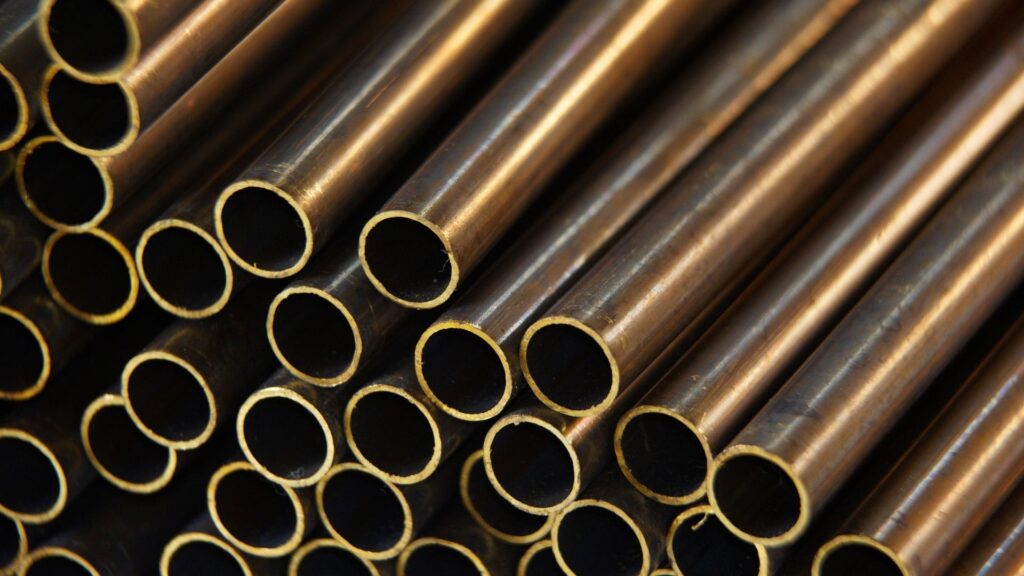
Brass is one of the most rewarding metals to recycle because it combines durability with excellent market demand. However, not every brass item holds the same value. Some materials are cleaner, purer, and easier to recycle than others. Learning how to identify high-value brass helps you make better selling decisions while increasing the return on your recyclable materials.
Many people accidentally mix valuable brass with lower-grade scrap because they are unsure what to look for. Fortunately, identifying quality brass is easier than it may seem. With a little practice, you can recognize valuable items before they enter a mixed scrap pile. That simple habit saves time while improving the overall value of your collection.
Whether you collect brass from factories, construction sites, marine vessels, demolition projects, or household renovations, careful identification helps you maximize every opportunity. Keeping an eye on brass prices today also helps you understand when market conditions favor selling your materials.
Learn to Recognize Brass by Appearance
One of the easiest ways to identify brass is by its color.
Most brass has a warm golden-yellow appearance that stands out from steel, aluminum, and copper. Although the exact shade varies, brass usually looks brighter than bronze and lighter than pure copper.
Older brass may appear darker because of oxidation or years of use. Dirt and surface stains can also hide its natural color.
Cleaning a small section often reveals the familiar golden surface underneath. A quick wipe with a cloth may be enough to expose the metal.
Some brass items have a reddish tone because they contain more copper. These materials often attract strong interest from recycling companies.
Learning to recognize different shades of brass becomes easier each time you inspect new materials.
Experience quickly builds confidence during future recycling projects.
Check Common Sources of Valuable Brass
Brass appears in many everyday products that people often overlook.
Plumbing fixtures are one of the best places to begin. Faucets, valves, water meters, pipe fittings, and connectors frequently contain recyclable brass.
Door handles, locks, hinges, decorative hardware, and cabinet fittings also provide valuable opportunities.
Factories use brass in pumps, pressure valves, electrical connectors, bearings, and industrial machinery.
Marine vessels contain brass components because the metal resists corrosion in salty environments. Pumps, valves, pipe fittings, and navigation equipment often include high-quality brass.
Older electrical equipment sometimes contains brass terminals and connectors hidden inside control panels.
By recognizing these common sources, you become much better at identifying valuable materials before disposal.
Use Simple Tests to Confirm Brass
Visual inspection works well, but a few simple tests provide additional confidence.
Brass is generally heavier than aluminum, making weight one useful clue.
A magnet provides another helpful test. Brass is usually non-magnetic, so magnets normally will not stick to it.
If a magnet attaches strongly, the item may contain steel instead of brass.
Scratching an inconspicuous area may also reveal the metal underneath paint or surface coatings.
The exposed metal should display the familiar yellow or reddish brass color.
Always perform these tests carefully to avoid unnecessary damage, especially if items may still have resale value beyond recycling.
Simple testing helps reduce mistakes while improving material identification.
Separate High-Quality Brass from Mixed Scrap
Sorting your materials properly creates immediate benefits.
Keep clean brass separate from mixed metals such as steel, aluminum, stainless steel, and copper.
Also remove unnecessary attachments whenever practical. Plastic handles, rubber seals, steel bolts, and wooden components increase processing requirements.
Clean materials allow buyers to inspect your shipment more quickly.
Well-sorted brass demonstrates professionalism while reducing uncertainty during negotiations.
Many buyers reward organized suppliers because their materials require less preparation before recycling.
Even small improvements in sorting may increase the overall value of your recyclable materials.
Checking brass prices today becomes even more useful when your brass has already been prepared for sale.
Marine and Industrial Equipment Hide Valuable Brass
Some of the highest-value brass materials come from industrial and marine environments.
Factories use brass because it performs well under pressure while resisting corrosion.
Heat exchangers, industrial pumps, pressure valves, hydraulic systems, and specialized machinery often contain valuable brass components.
Marine vessels also rely heavily on brass for plumbing systems, cooling equipment, pumps, navigation systems, and engine components.
Offshore platforms and port facilities contain additional brass equipment that becomes available during upgrades or dismantling.
Many of these components appear ordinary at first glance, yet they contain valuable recyclable metal.
Careful inspections often reveal hidden brass throughout machinery that others might overlook.
Recovering these materials properly increases the total value of every recycling project.
Keep an Eye on Market Conditions
Understanding market conditions helps you make smarter selling decisions.
Like other recyclable metals, brass values change throughout the year because supply and demand continue shifting.
Construction activity, manufacturing output, international trade, and transportation costs all influence recycling markets.
Copper prices also affect brass because brass contains significant amounts of copper.
Following brass prices today helps you recognize favorable selling opportunities instead of relying on guesswork.
Monitoring market trends regularly provides better insight than checking prices only when you plan to sell.
Good market awareness supports stronger negotiations while improving long-term planning.
Knowledge becomes one of your greatest advantages in the recycling business.
Technology Makes Identification Easier
Modern technology continues improving metal identification.
Portable metal analyzers help recycling companies identify brass grades quickly and accurately.
Digital inventory systems organize recyclable materials while improving project management.
Smartphone cameras allow you to photograph unusual items before seeking expert advice.
Online resources also provide useful information about different brass products and recycling practices.
Video calls allow suppliers to discuss materials directly with buyers before arranging inspections.
Technology simplifies communication while helping buyers evaluate opportunities more efficiently.
Combining practical experience with modern tools creates better recycling results.
Good Habits Lead to Better Returns
Successful brass recycling depends on consistent preparation.
Inspect every item carefully before placing it into your scrap collection.
Separate different grades whenever possible.
Store brass in clean, dry locations to reduce unnecessary contamination.
Keep simple inventory records describing quantities and material types.
Take clear photographs before contacting buyers.
Compare offers from several recycling companies instead of accepting the first proposal.
Continue monitoring brass prices today so you understand changing market conditions throughout the year.
Small habits repeated consistently often produce impressive long-term results.
Identifying Valuable Brass Pays Off
Recognizing high-value brass materials is a skill that rewards you every time you recycle. By learning where brass is commonly found, understanding its appearance, performing simple identification tests, and keeping different grades separated, you improve both efficiency and profitability.
Following brass prices today gives you useful market knowledge, but combining that information with careful preparation creates even greater opportunities. Clean, well-organized brass usually attracts stronger buyer interest because it reduces processing costs and simplifies inspections.
Whether you recover brass from factories, construction projects, marine vessels, industrial machinery, or home renovations, every correctly identified item contributes to a more valuable recycling project. Good organization, honest communication, and regular market awareness help you make informed decisions throughout the selling process.
As global demand for recycled metals continues growing, valuable brass will remain an important part of the recycling industry. By improving your identification skills today, you prepare yourself for stronger business opportunities, better negotiations, and lasting success in the world of brass recycling.
Building Trust in International Scrap Trading
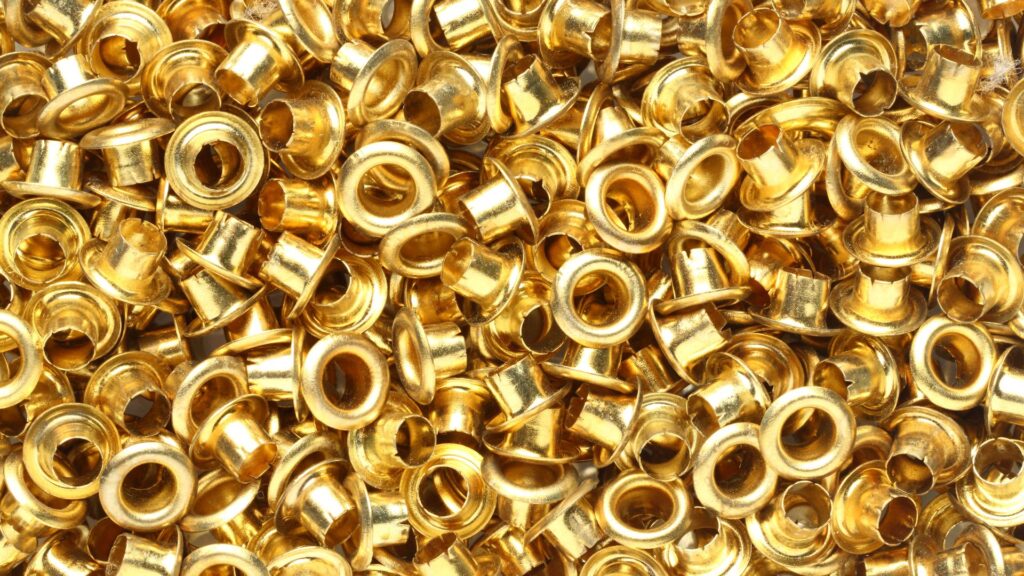
International scrap trading has opened exciting opportunities for buyers and sellers across the world. A recycling company in one country can purchase valuable metals from a supplier thousands of kilometers away. A factory owner can sell surplus brass to overseas manufacturers. A retired marine vessel can provide recyclable materials for industries on another continent. These opportunities continue growing every year, but they all depend on one important factor. That factor is trust.
Without trust, even the most attractive deal can quickly fall apart. Buyers need confidence that materials match their descriptions. Sellers want assurance that payments will arrive on time and agreements will be respected. Building trust takes effort, but the rewards often include repeat business, stronger partnerships, and better long-term opportunities.
Whether you are buying or selling brass scrap, professional relationships matter just as much as pricing. Keeping track of brass prices today helps you understand market conditions, but trust is what keeps successful international partnerships growing year after year.
Honest Communication Creates Strong Partnerships
Every successful international transaction begins with honest communication.
Describe your materials accurately before negotiations begin. Explain the type of brass, estimated quantity, condition, and storage location without exaggeration.
If some materials include attachments or contamination, mention this clearly from the beginning. Buyers appreciate suppliers who provide realistic information instead of surprising them during inspections.
Clear photographs also strengthen communication. Include wide images showing the complete project together with close-up photographs of important details.
Videos offer even greater transparency by allowing buyers to see the materials in real time.
Respond to emails and messages promptly. Even if you need additional time to gather information, acknowledging inquiries demonstrates professionalism.
Simple habits like these build confidence before contracts are even discussed.
Documentation Reduces Uncertainty
Good documentation protects both buyers and sellers throughout every transaction.
Ownership certificates confirm that materials are legally available for sale.
Inventory records describe available quantities while helping buyers estimate transportation and processing requirements.
Inspection reports prepared by qualified professionals provide independent evaluations of material condition.
Photographs and videos support written documents by showing the actual appearance of the scrap.
Marine projects and industrial facilities may also require technical records before transactions proceed.
Organized paperwork demonstrates that you take your business seriously.
Professional documentation reduces misunderstandings while helping negotiations move forward more efficiently.
Reliable records also simplify customs procedures during international shipments.
Transparency Builds Long-Term Confidence
Transparency means sharing important information openly instead of waiting for problems to appear later.
If material quantities change after inspection, communicate the update immediately.
If transportation schedules experience delays, inform buyers as soon as possible.
Unexpected situations occur in every business, but honest communication helps maintain confidence throughout the project.
Invite buyers to inspect materials whenever practical. Physical inspections provide valuable reassurance before completing major transactions.
Virtual inspections also work well during early discussions. Video conferencing allows buyers to ask questions while viewing materials from anywhere in the world.
Transparency reduces uncertainty while encouraging smoother negotiations.
Professional relationships become much stronger when both parties communicate openly.
Reliable Quality Creates Repeat Business
Quality remains one of the strongest foundations of trust.
Buyers appreciate suppliers who consistently provide clean, well-organized brass materials.
Separate brass from steel, aluminum, stainless steel, and other metals whenever possible.
Remove unnecessary attachments such as plastic, rubber, wood, or steel components before shipment if practical.
Store materials properly to reduce unnecessary contamination or excessive corrosion.
Well-prepared scrap demonstrates professionalism while reducing processing costs for buyers.
Reliable quality encourages repeat business because customers know exactly what to expect.
Many businesses willingly return to suppliers who consistently deliver dependable materials.
Following brass prices today helps with pricing decisions, but consistent quality builds lasting customer loyalty.
Professional Communication Strengthens Relationships
Good communication extends beyond answering emails.
Listen carefully to buyer questions and respond with accurate information.
Avoid making promises that cannot be fulfilled simply to secure a sale.
Confirm important agreements in writing so both parties understand their responsibilities.
If language differences create challenges, use clear and simple wording to reduce confusion.
Video meetings also strengthen business relationships by allowing face-to-face discussions before contracts are finalized.
Respectful communication creates positive experiences that encourage future cooperation.
Professional behavior often becomes one of the biggest reasons buyers choose the same supplier again.
Secure Payment Practices Build Confidence
Payment arrangements deserve careful planning in every international transaction.
Discuss payment methods before final agreements are signed.
Both parties should understand payment schedules, inspection requirements, shipping responsibilities, and delivery expectations.
Professional contracts provide additional security by clearly describing agreed terms.
Reliable banking methods help protect both buyers and sellers throughout international transactions.
Keeping financial discussions organized reduces misunderstandings later.
Buyers appreciate suppliers who communicate openly about payment expectations.
Sellers value buyers who consistently honor agreed payment schedules.
Reliable payment practices strengthen business relationships while encouraging repeat transactions.
Technology Makes Trust Easier to Build
Modern technology has transformed international scrap trading.
Cloud-based document sharing allows buyers to review inspection reports, ownership records, and inventory lists quickly.
Video conferencing supports live inspections without requiring immediate international travel.
Digital inventory systems improve accuracy while tracking available materials throughout the project.
Professional websites provide useful information about company history, recycling services, and completed projects.
Business networking platforms help buyers and sellers establish professional connections across different countries.
Shipment tracking systems also improve transparency during transportation.
Technology cannot replace trust, but it certainly makes building trust much easier.
Businesses using digital tools effectively often enjoy stronger international partnerships.
Long-Term Relationships Create Greater Opportunities
The most successful businesses focus on building relationships instead of completing individual sales.
Satisfied buyers frequently return with future purchasing opportunities.
Reliable suppliers often receive early inquiries before buyers begin searching elsewhere.
Professional referrals also become more common as trust grows over time.
Keeping regular contact with existing business partners strengthens these valuable relationships.
Sharing updates about available materials, market developments, or upcoming projects helps maintain communication between transactions.
Many successful international businesses grow through long-term partnerships rather than constant customer searches.
Strong relationships provide stability while supporting continued business growth.
Trust Is Your Greatest Competitive Advantage
International scrap trading offers exciting opportunities, but lasting success depends on much more than competitive pricing. Honest communication, accurate documentation, reliable quality, secure payment practices, and professional behavior all contribute to stronger business relationships. These qualities help buyers and sellers work together confidently, even when separated by thousands of kilometers.
Monitoring brass prices today helps you understand changing market conditions, but trust remains the foundation of every successful transaction. Buyers want confidence that materials match their descriptions, while sellers value partners who communicate openly and honor agreements.
Whether you trade brass from factories, marine vessels, industrial facilities, construction projects, or demolition sites, building trust should always remain your highest priority. Every honest conversation, every accurate document, and every successful shipment strengthens your professional reputation.
In today’s global recycling industry, trust is more valuable than any single transaction. Businesses that consistently demonstrate reliability, transparency, and professionalism create partnerships that last for years. Those lasting relationships open doors to greater opportunities, stronger negotiations, and continued success in the growing international brass recycling market.
Emerging Opportunities in Brass Recovery
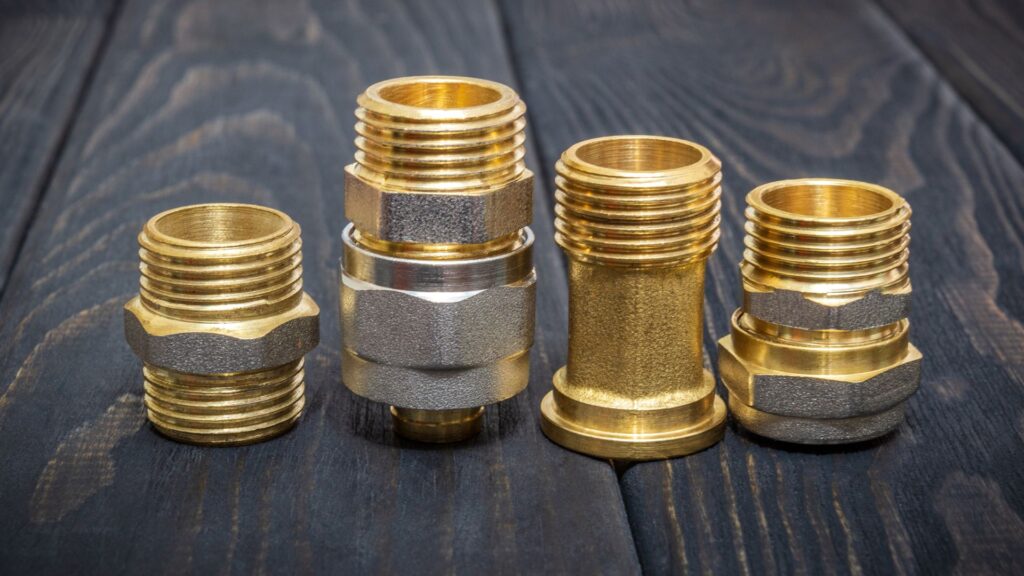
The future of brass recovery looks brighter than ever. Around the world, industries are searching for sustainable materials that reduce waste while supporting modern manufacturing. Brass continues to stand out because it is durable, corrosion-resistant, and highly recyclable. Instead of throwing away old brass products, businesses now recognize their value as important raw materials for future production.
Many people think brass recycling only involves old plumbing fixtures or decorative items. In reality, valuable brass appears in factories, marine vessels, construction projects, industrial machinery, and electrical systems. As recycling technology improves, even more opportunities are emerging for businesses that know where to look.
Whether you collect brass from demolition projects or industrial equipment, staying informed gives you an advantage. Monitoring brass prices today helps you understand market conditions while preparing for future opportunities in the growing recycling industry.
Growing Industries Are Creating More Brass Scrap
One of the biggest reasons for increased brass recovery is the steady growth of modern industries.
Factories regularly replace aging machinery with newer and more efficient equipment. During these upgrades, large quantities of brass components become available for recycling.
Construction companies also remove old plumbing systems during building renovations. Valves, fittings, connectors, and water meters often contain valuable brass.
Marine vessels create another important source of recyclable materials. Pumps, cooling systems, pipe fittings, bearings, and navigation equipment frequently include brass because it resists corrosion.
Industrial facilities continue upgrading production systems, creating additional recovery opportunities every year.
Instead of allowing these valuable materials to become waste, businesses increasingly recognize their recycling potential.
Growing industrial activity means more brass becomes available for responsible recovery and reuse.
Sustainable Manufacturing Supports Demand
Environmental responsibility continues shaping manufacturing across the world.
Many companies now choose recycled materials because they reduce production costs while supporting sustainability goals.
Recycling brass requires fewer natural resources than producing new metal from raw materials. This helps conserve valuable resources while lowering energy consumption.
Governments also encourage recycling through environmental policies and waste reduction programs.
Consumers increasingly support businesses that use recycled materials in their products.
Manufacturers respond by purchasing larger quantities of recyclable brass from dependable suppliers.
This growing demand strengthens long-term opportunities throughout the brass recycling industry.
Keeping track of brass prices today helps you understand how sustainability trends influence market activity.
Technology Improves Brass Recovery
Modern recycling technology continues making brass recovery faster and more efficient.
Advanced sorting equipment separates brass from other metals with impressive accuracy.
Portable metal analyzers help inspectors identify different brass grades during evaluations.
Automated processing systems improve recovery rates while reducing manual labor.
Digital inventory software allows recycling companies to track available materials more accurately.
Cloud-based communication also helps buyers and sellers exchange photographs, inspection reports, and inventory records quickly.
Artificial intelligence is beginning to assist with material identification and recycling planning.
These technological improvements increase efficiency while making recovered brass even more valuable to manufacturers.
Businesses embracing modern technology often enjoy stronger competitive advantages.
Marine and Industrial Projects Offer Hidden Value
Some of the greatest opportunities in brass recovery come from large industrial projects.
Retired ships contain valuable brass in pumps, valves, bearings, cooling systems, and navigation equipment.
Factories also include brass throughout production machinery, hydraulic systems, electrical connectors, and pressure equipment.
Power plants, processing facilities, and manufacturing lines contain additional brass components ready for recycling during modernization projects.
Many of these materials remain hidden inside equipment that appears ready for disposal.
Careful inspections often reveal valuable brass that others overlook.
Professional dismantling allows these materials to be recovered before demolition continues.
Recognizing hidden opportunities increases the overall value of every recycling project.
International Markets Continue Expanding
The brass recycling industry has become increasingly global.
Manufacturers regularly purchase recyclable brass from suppliers located in different countries.
Digital communication has made international business much easier than before.
Professional websites, online marketplaces, and business networking platforms connect buyers with suppliers worldwide.
Video inspections allow buyers to evaluate materials before arranging travel.
Cloud storage simplifies document sharing while improving communication.
Professional scrap connectors also introduce reliable suppliers to qualified international buyers.
Expanding your network beyond local markets creates additional opportunities while increasing competition for quality materials.
Global trade continues strengthening the long-term outlook for brass recovery.
Better Sorting Creates Better Returns
One of the easiest ways to improve brass recovery is through better organization.
Separate yellow brass, red brass, and mixed brass whenever possible.
Remove unnecessary attachments such as steel screws, rubber seals, plastic handles, and wooden parts before selling.
Store materials in clean, dry areas to reduce contamination.
Prepare simple inventory records describing quantities and material types.
Take clear photographs before contacting buyers.
Organized materials simplify inspections while increasing buyer confidence.
Professional preparation often leads to smoother negotiations and stronger business relationships.
Even small improvements in sorting may increase the overall value of your recyclable brass.
Building Partnerships Creates Long-Term Success
Strong relationships remain one of the greatest opportunities in the recycling industry.
Reliable buyers appreciate suppliers who consistently provide honest information and quality materials.
Suppliers also value buyers who communicate professionally and honor agreements.
Maintaining regular contact helps strengthen these partnerships over time.
Sharing updates about future projects keeps business opportunities flowing.
Satisfied customers frequently recommend dependable suppliers to colleagues within the recycling industry.
Long-term relationships often produce greater success than constantly searching for new business partners.
Professional cooperation creates stability while supporting continued growth.
The Future of Brass Recovery Is Full of Opportunity
The future of brass recovery continues looking stronger with every passing year. Expanding industries, sustainable manufacturing, modern technology, and international trade are creating exciting opportunities for businesses willing to embrace change. What was once viewed as ordinary scrap has become an important resource for manufacturers seeking reliable recycled materials.
Monitoring brass prices today helps you stay informed about changing market conditions, but preparation remains equally important. Clean materials, proper sorting, accurate documentation, and strong business relationships all contribute to better recycling results.
Whether you recover brass from factories, marine vessels, construction sites, industrial machinery, or demolition projects, your materials support a growing circular economy. Every recycled valve, fitting, bearing, and connector helps conserve natural resources while reducing manufacturing costs.
As demand for recycled brass continues increasing, businesses that invest in knowledge, organization, and professional partnerships will enjoy lasting advantages. The opportunities ahead extend far beyond today’s market. By recognizing hidden value, embracing innovation, and building trusted relationships, you position yourself for long-term success in the exciting future of brass recovery.