
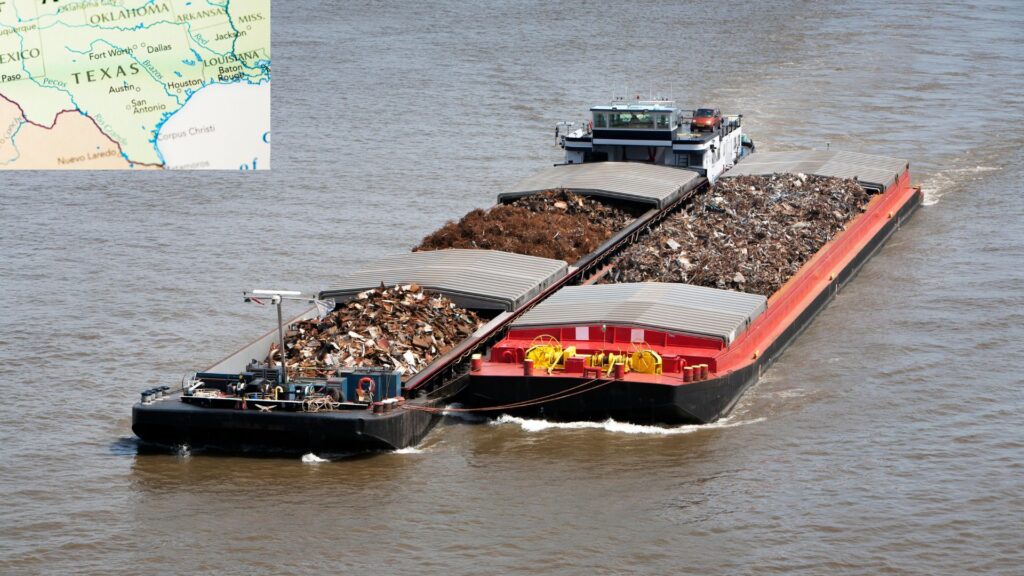
When people think about a barge, they often picture a large floating platform carrying heavy cargo along rivers or coastal waters. While that image is correct, there is much more to a barge than meets the eye. Even after years of service, a retired barge can remain a valuable asset because it contains large amounts of recyclable steel and reusable equipment. Understanding what creates that value helps you make smarter buying and selling decisions.
A barge is not valuable simply because of its size. Buyers carefully evaluate its condition, construction, equipment, and recycling potential before making an offer. Some barges continue serving new owners after repairs, while others become excellent sources of recyclable materials. Every project is different, so careful evaluation always matters.
Whether you own an aging barge or plan to purchase one for recycling, knowing what buyers look for gives you a stronger position during negotiations. Monitoring Texas scrap metal prices also helps you understand how changing market conditions may influence the value of recyclable materials inside the vessel.
Steel Is the Biggest Source of Value
The largest contributor to a barge’s value is usually its steel.
Barges are designed to carry extremely heavy loads, so they are built using thick structural steel. This durable construction allows them to withstand demanding working conditions for many years.
The hull alone may contain hundreds or even thousands of tons of recyclable steel, depending on the size of the vessel.
Deck plates, internal frames, bulkheads, reinforcement beams, side walls, and cargo compartments all contribute additional recyclable material.
Even after the barge reaches the end of its working life, this steel remains valuable because manufacturers continue needing recycled raw materials.
Producing steel from recycled scrap generally requires less energy than manufacturing new steel from raw ore.
For that reason, recycled barge steel continues supporting construction, manufacturing, transportation, and infrastructure projects worldwide.
Condition Plays a Major Role
Not every retired barge has the same value.
Buyers carefully inspect the overall condition before preparing an offer.
Surface rust is common on marine equipment and usually does not create serious concerns. However, extensive corrosion, structural damage, or major repairs may influence overall value.
Inspectors evaluate the hull, deck, support structures, cargo compartments, and welded joints carefully.
They also examine whether the barge has experienced accidents, flooding, or major structural modifications during its operating life.
A well-maintained vessel often attracts greater buyer interest because it may remain suitable for continued service before recycling becomes necessary.
Good maintenance records also improve buyer confidence during negotiations.
Professional inspections provide valuable information for both buyers and sellers.
Machinery and Equipment Add Extra Worth
Although steel represents the largest portion of a barge’s value, onboard equipment also deserves careful attention.
Generators, pumps, hydraulic systems, anchors, winches, cranes, and electrical equipment often contain valuable recyclable metals.
Some machinery may still function well enough for resale before recycling begins.
Electric motors include copper windings surrounded by heavy steel casings.
Hydraulic equipment contains durable components built for demanding industrial environments.
Navigation systems, communication equipment, lighting systems, and electrical panels also contribute additional recycling value.
Even storage tanks, ladders, railings, walkways, and maintenance platforms contain useful recyclable materials.
Recovering equipment carefully helps maximize the total value of the project.
Reusable Barges May Offer Higher Returns
Not every aging barge belongs in a recycling facility.
Some vessels remain structurally sound and only require repairs or modernization before returning to service.
Transportation companies, construction businesses, dredging contractors, and offshore operators often purchase used barges because they provide cost-effective alternatives to new vessels.
A reusable barge may command a higher selling price than one purchased solely for recycling.
Buyers evaluate structural strength, cargo capacity, operating history, maintenance records, and repair requirements before making decisions.
Understanding whether your vessel qualifies for continued operation can significantly influence its market value.
Professional marine surveys help determine the best option.
Market Demand Influences Barge Values
Like every major asset, barge values respond to changing market conditions.
When construction projects increase, demand for recycled steel often grows alongside them.
Manufacturing activity also influences the need for recyclable materials.
Marine transportation industries affect demand for reusable barges as shipping companies expand or modernize their fleets.
Fuel costs, international trade, infrastructure investment, and economic growth all contribute to changing market conditions.
Keeping track of Texas scrap metal prices provides useful insight into regional recycling trends that may influence the steel value inside retired barges.
Monitoring market conditions regularly helps you choose better times to buy or sell.
Knowledge supports stronger negotiations while improving long-term planning.
Proper Documentation Builds Buyer Confidence
Professional documentation plays an important role during every barge transaction.
Ownership certificates confirm legal authority to sell the vessel.
Registration records provide technical details about construction, dimensions, and operating history.
Maintenance records help buyers understand previous repairs and servicing.
Marine survey reports provide independent evaluations of structural condition.
Photographs and videos allow buyers to review important details before arranging physical inspections.
Accurate inventories describing onboard equipment also simplify project evaluations.
Well-organized documentation demonstrates professionalism while reducing unnecessary uncertainty.
Buyers appreciate suppliers who prepare complete information before negotiations begin.
Global Markets Create More Opportunities
Today’s marine recycling industry extends far beyond local buyers.
Many companies search internationally for reusable barges and recyclable marine equipment.
Professional scrap connectors help introduce vessel owners to verified buyers across different countries.
Digital communication allows photographs, inspection reports, inventory records, and videos to reach international buyers within minutes.
Video conferencing supports virtual inspections before travel arrangements become necessary.
Expanding your buyer network increases competition while creating additional opportunities.
Large barges often attract international interest because they contain significant quantities of valuable recyclable materials.
Professional presentation helps your project stand out in global markets.
Careful Preparation Maximizes Value
Preparation remains one of the easiest ways to improve the value of any barge.
Begin by inspecting the vessel thoroughly.
Prepare accurate inventories describing available equipment and recyclable materials.
Take clear photographs showing the hull, deck, cargo areas, machinery, and structural condition.
Gather ownership documents and maintenance records before contacting buyers.
Keep the vessel organized during inspections so important areas remain accessible.
Compare several offers before making final decisions.
Continue monitoring Texas scrap metal prices because changing market conditions may influence the steel value inside your vessel.
Small improvements in preparation often produce much better results.
Every Barge Holds Valuable Potential
A retired barge is much more than an old floating structure. Beneath its weathered appearance lies a valuable collection of steel, machinery, electrical systems, and reusable equipment that continues supporting industries around the world. Whether the vessel returns to service or enters the recycling process, its materials still have an important purpose.
Understanding what makes a barge valuable allows you to make better decisions throughout the buying or selling process. Structural condition, onboard equipment, documentation, market demand, and careful preparation all contribute to overall value.
Following Texas scrap metal prices provides useful guidance when evaluating the recyclable steel inside a retired vessel. Combined with professional inspections and strong buyer relationships, market knowledge helps you negotiate with greater confidence.
As demand for recycled materials continues growing, well-prepared barges will remain valuable assets within the marine recycling industry. Every recovered steel plate, machinery component, and structural beam contributes to cleaner manufacturing, stronger resource conservation, and a more sustainable future. With careful planning and informed decisions, your retired barge can continue creating value long after its final voyage.
Steel Recovery Opportunities
Steel is one of the most recycled materials in the world, and for good reason. It is strong, durable, and can be recycled many times without losing its quality. Every year, factories, construction sites, warehouses, marine vessels, and industrial plants produce large amounts of recyclable steel. Instead of treating these materials as waste, businesses now recognize them as valuable resources that support modern manufacturing and sustainable growth.
Steel recovery creates opportunities for everyone involved in the recycling industry. Factory owners can earn additional income from unused equipment. Demolition companies can recover valuable materials from old buildings. Marine operators can recycle retired vessels instead of leaving them unused. Manufacturers benefit by receiving dependable recycled steel for new products.
Understanding these opportunities helps you make better business decisions while reducing waste. Keeping an eye on Texas scrap metal prices also gives you a better understanding of how market conditions may influence the value of recovered steel.
Factory Equipment Holds Hidden Steel Value
Many factories contain much more recyclable steel than people realize.
Production lines, conveyor systems, storage racks, support frames, machinery foundations, and industrial platforms all contain valuable steel ready for recovery.
When factories upgrade equipment or modernize production facilities, these materials often become available for recycling.
Large industrial machines also include steel housings, structural frames, shafts, brackets, and support systems.
Warehouse shelving, loading docks, staircases, safety barriers, and maintenance platforms provide additional recovery opportunities.
Even old storage tanks, pressure vessels, and pipelines contain recyclable steel that continues supporting manufacturing after processing.
Instead of viewing outdated equipment as useless, consider it a valuable business asset.
Careful inspections frequently reveal hidden opportunities throughout industrial facilities.
Construction and Demolition Projects Create Steady Supply
Construction and demolition industries generate significant quantities of recyclable steel every year.
Older buildings often contain structural beams, steel columns, roof supports, staircases, reinforcement bars, and heavy framing systems.
Warehouse demolitions produce shelving, storage systems, loading structures, and steel platforms.
Bridge replacements and infrastructure upgrades also create valuable recovery opportunities.
Rather than allowing these materials to become landfill waste, professional recycling companies recover and prepare them for manufacturing.
Careful dismantling protects reusable materials while reducing unnecessary damage.
Construction companies increasingly work alongside recycling specialists to maximize material recovery during demolition projects.
This partnership supports cleaner construction while creating additional income from recyclable materials.
Marine Recycling Offers Major Opportunities
Marine vessels remain one of the richest sources of recyclable steel.
Cargo ships, barges, fishing vessels, offshore platforms, tankers, and passenger ships all contain large quantities of structural steel.
Beyond the hull, valuable steel appears throughout decks, cargo compartments, machinery foundations, stairways, railings, maintenance platforms, and storage systems.
Engines, generators, pumps, cranes, winches, and cargo handling equipment also include recyclable steel components.
Professional dismantling allows these materials to be recovered carefully before entering the recycling process.
Many recovered materials eventually support construction projects, transportation systems, manufacturing plants, and industrial equipment.
Marine recycling continues creating valuable opportunities for businesses seeking dependable steel supplies.
Better Sorting Increases Steel Value
Proper organization plays an important role in successful steel recovery.
Separate structural steel from stainless steel, cast iron, aluminum, copper, and other recyclable materials whenever possible.
Remove unnecessary attachments such as plastic, wood, rubber, or concrete before selling.
Organized materials simplify inspections while reducing processing costs for buyers.
Clean steel usually attracts greater interest because it requires less preparation before recycling.
Accurate inventory records also help buyers estimate available quantities more efficiently.
Simple labels identifying different material types improve project organization.
Professional preparation creates stronger first impressions while encouraging smoother negotiations.
Small improvements in sorting often increase the overall value of your recovered steel.
Technology Is Improving Steel Recovery
Modern technology continues making steel recovery faster and more efficient.
Advanced cutting equipment allows workers to dismantle large industrial structures safely while protecting valuable materials.
Automated sorting systems separate recyclable metals with greater speed and accuracy.
Digital inventory software helps recycling companies monitor available materials throughout every project.
Portable metal analyzers assist with identifying different steel grades during inspections.
Cloud-based communication simplifies document sharing between buyers, sellers, inspectors, and logistics providers.
Video conferencing supports virtual inspections before travel arrangements become necessary.
Technology improves efficiency while reducing uncertainty throughout the recycling process.
Businesses embracing innovation often recover more valuable materials than traditional operations.
Global Demand Supports Long-Term Growth
Demand for recycled steel continues increasing around the world.
Manufacturers rely on recycled steel when producing vehicles, machinery, appliances, construction materials, and industrial equipment.
Infrastructure projects require steel for bridges, railways, airports, ports, warehouses, and commercial buildings.
Renewable energy projects also depend on steel for wind turbines, solar installations, and energy storage facilities.
Because recycled steel generally requires less energy than newly produced steel, manufacturers increasingly choose recycled materials.
International trade also strengthens demand by connecting suppliers with buyers across different countries.
Monitoring Texas scrap metal prices helps you understand regional market trends while keeping broader global demand in perspective.
Growing worldwide demand supports long-term opportunities throughout the recycling industry.
Strong Partnerships Create Better Results
Successful steel recovery depends on cooperation between many businesses.
Factory owners, demolition contractors, marine operators, recycling companies, transportation providers, and manufacturers all play important roles.
Professional scrap connectors introduce suppliers to verified buyers interested in large recycling projects.
Reliable communication strengthens every stage of the process.
Accurate documentation, honest material descriptions, and organized inventories improve buyer confidence.
Long-term business relationships often create greater opportunities than individual transactions.
Satisfied buyers frequently return for future projects while recommending dependable suppliers to others.
Strong partnerships build trust while supporting continued growth throughout the recycling industry.
Careful Planning Maximizes Every Opportunity
Preparation helps maximize the value of every steel recovery project.
Inspect available materials carefully before contacting buyers.
Take clear photographs showing important structural details.
Prepare simple inventory records describing quantities and material types.
Gather ownership documents and inspection reports whenever available.
Compare offers from multiple buyers before making final decisions.
Continue monitoring Texas scrap metal prices because changing market conditions may influence your selling strategy.
Good preparation demonstrates professionalism while reducing unnecessary delays during negotiations.
Every organized project creates stronger buyer confidence and smoother transactions.
Steel Recovery Creates a Stronger Future
Steel recovery continues creating exciting opportunities across factories, construction sites, marine facilities, industrial plants, and infrastructure projects. What once appeared to be outdated equipment or demolition waste has become an important source of valuable raw materials for modern manufacturing.
Understanding where steel recovery opportunities exist allows you to make better business decisions while supporting environmental sustainability. Careful inspections, proper sorting, organized documentation, and strong partnerships all contribute to successful recycling projects.
Following Texas scrap metal prices helps you stay informed about market conditions, but preparation remains equally important. Businesses that combine market knowledge with professional planning often achieve better financial results while building lasting relationships with buyers.
As demand for recycled steel continues growing worldwide, recovery opportunities will only become more valuable. Every recovered beam, platform, machinery frame, and structural support contributes to cleaner manufacturing, stronger resource conservation, and a more sustainable economy. By recognizing hidden value today, you position yourself for long-term success in the expanding world of steel recycling.
Environmental Recycling Benefits
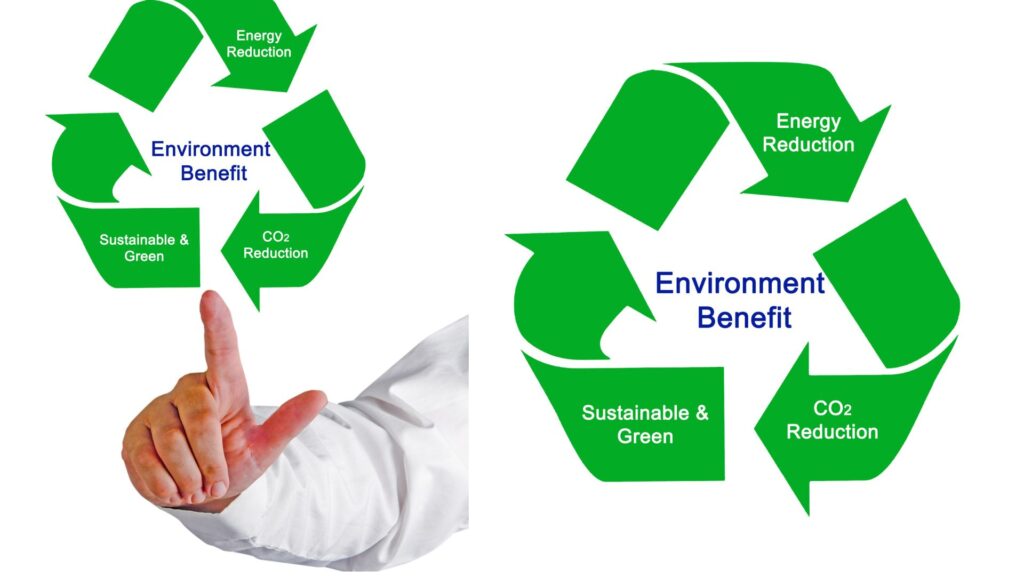
Recycling is about much more than earning money from old materials. Every piece of recycled metal helps protect natural resources, reduce waste, and create a cleaner future. Whether the material comes from a factory, construction site, marine vessel, warehouse, or household project, recycling gives valuable metals another chance to serve a useful purpose. That simple process creates environmental benefits that reach far beyond the recycling yard.
As industries continue growing, the demand for raw materials also increases. Without recycling, manufacturers would rely much more heavily on mining and resource extraction. Recycling helps reduce that pressure by keeping valuable metals in circulation for many years. It is a practical solution that benefits businesses, communities, and the environment at the same time.
If you regularly follow Texas scrap metal prices, you already understand the financial value of recyclable metals. However, their environmental value is equally important because every recycled item contributes to a healthier planet.
Recycling Conserves Natural Resources
Every recycled piece of steel, aluminum, copper, or brass helps reduce the need for newly mined materials.
Mining requires large amounts of land, energy, water, and equipment. It also changes natural landscapes while disturbing surrounding ecosystems.
When manufacturers use recycled metals, fewer raw materials need to be extracted from the earth.
This allows valuable natural resources to remain available for future generations.
Steel recovered from old factories, bridges, warehouses, and marine vessels becomes the raw material for new buildings, machinery, and transportation systems.
Aluminum from beverage cans, industrial equipment, and construction materials returns to manufacturing instead of becoming landfill waste.
Brass and copper also continue supporting new products after responsible recycling.
Every recycling project helps conserve resources that would otherwise require additional mining activity.
Less Waste Ends Up in Landfills
Landfills continue filling with materials that could often be recycled instead.
Large quantities of industrial equipment, demolition waste, factory machinery, and household appliances still contain valuable metals.
When these materials are recycled, they remain useful instead of occupying landfill space.
This reduces pressure on waste disposal facilities while helping communities manage growing amounts of discarded materials.
Marine recycling provides another excellent example.
Instead of abandoning retired vessels, responsible dismantling recovers steel, copper, aluminum, brass, and other recyclable materials.
Construction projects also recover structural steel, beams, roofing materials, pipes, and support systems before demolition waste reaches landfills.
Recycling keeps useful materials working instead of allowing them to become unnecessary waste.
Recycling Uses Less Energy
Producing metals from recycled materials generally requires less energy than manufacturing them from newly mined ore.
This difference creates important environmental benefits.
Lower energy use reduces fuel consumption while decreasing greenhouse gas emissions.
Manufacturers also reduce production costs because recycling often simplifies the manufacturing process.
Steel recycling provides an excellent example. Recycled steel requires significantly less energy than producing steel from iron ore.
The same principle applies to aluminum, brass, and copper.
As more manufacturers choose recycled materials, industries become more energy efficient while supporting cleaner production methods.
Every recycled shipment contributes to this positive cycle.
Businesses benefit financially while helping reduce environmental impact.
Cleaner Air and Water Benefit Everyone
Responsible recycling also supports healthier communities.
Mining, processing, and manufacturing from raw materials often create higher environmental impacts than recycling existing metals.
By increasing the use of recycled materials, industries reduce emissions associated with large-scale resource extraction.
Recycling facilities also continue improving environmental practices through better waste management and cleaner processing technology.
Responsible dismantling removes hazardous substances before recycling begins.
Proper handling protects nearby rivers, lakes, oceans, soil, and surrounding communities.
Modern recycling companies invest in equipment that reduces dust, improves water treatment, and controls industrial emissions.
These improvements create cleaner working environments while protecting natural ecosystems.
Every recycling project contributes to healthier air and cleaner water for future generations.
Marine Recycling Protects Coastal Environments
Marine recycling creates important environmental advantages beyond recovering valuable metals.
Retired vessels left abandoned may eventually release pollutants into surrounding waters.
Responsible dismantling removes oils, fuels, chemicals, insulation, and hazardous materials before recycling continues.
Steel, copper, aluminum, brass, and machinery are then recovered carefully instead of becoming marine waste.
Professional recycling also prevents valuable resources from remaining unused in deteriorating vessels.
Recovered materials return to manufacturing where they support new industries.
Marine recycling demonstrates how environmental responsibility and economic opportunity work together.
Protecting oceans while recovering valuable resources benefits both businesses and coastal communities.
Recycling Supports the Circular Economy
The circular economy encourages businesses to keep valuable materials in continuous use.
Instead of manufacturing products, using them once, and throwing them away, recycling allows resources to begin new life cycles.
Steel, aluminum, copper, and brass can often be recycled repeatedly without losing their important qualities.
Manufacturers increasingly design products that are easier to dismantle and recycle.
Governments encourage circular economy practices through recycling programs and environmental regulations.
Consumers also support companies committed to reducing waste.
Every recycled machine, structural beam, plumbing fitting, or marine component strengthens this sustainable approach.
The circular economy creates long-term environmental and economic benefits for everyone.
Small Recycling Efforts Create Big Results
Many people believe only large industrial projects make a meaningful environmental difference.
In reality, every recycling effort matters.
Recycling household appliances, construction materials, factory equipment, plumbing fixtures, and metal furniture all contribute to resource conservation.
Small businesses also play an important role by organizing recyclable materials instead of treating them as waste.
Communities benefit when more businesses choose recycling over disposal.
Simple actions repeated by thousands of people create significant environmental improvements over time.
Understanding Texas scrap metal prices may encourage more recycling because people recognize the financial value of materials they once ignored.
Every recovered metal item becomes another opportunity to protect natural resources.
The Future of Recycling Looks Bright
Environmental awareness continues growing across industries around the world.
Manufacturers increasingly rely on recycled materials to reduce environmental impact.
Governments continue encouraging responsible recycling through sustainability initiatives.
Technology also improves recycling efficiency by recovering larger quantities of valuable metals.
Digital tools help buyers and sellers connect more easily, ensuring recyclable materials reach companies that can use them again.
Professional scrap connectors further strengthen the recycling industry by introducing reliable buyers to responsible suppliers.
As environmental priorities continue increasing, recycling will remain one of the most practical ways to support sustainable development.
Recycling Creates a Better Tomorrow
Recycling delivers benefits that extend far beyond financial returns. Every recycled piece of steel, aluminum, copper, or brass helps conserve natural resources, reduce landfill waste, lower energy consumption, and protect air and water quality. These improvements support healthier communities while creating valuable opportunities for businesses and manufacturers.
Following Texas scrap metal prices helps you understand the economic value of recyclable materials, but their environmental importance is just as significant. Every recovered factory machine, marine vessel, construction beam, warehouse rack, or plumbing fixture contributes to a cleaner and more sustainable future.
Whether you recycle industrial equipment, demolition materials, household metals, or marine structures, your efforts make a real difference. Small actions combined across thousands of projects create lasting environmental improvements that benefit future generations.
The future of recycling continues looking brighter as industries embrace sustainable manufacturing and responsible resource management. By recognizing the environmental value of recyclable metals today, you become part of a growing movement that supports cleaner production, stronger economies, and a healthier planet for everyone.
Owner-to-Buyer Communication Tips

Good communication is one of the most valuable tools in the scrap metal business. Whether you are selling a retired barge, factory equipment, demolition materials, or industrial scrap, the way you communicate can influence the success of the entire transaction. Buyers appreciate owners who provide clear information, answer questions honestly, and respond quickly. Strong communication builds trust, reduces misunderstandings, and helps deals move forward with fewer delays.
Many scrap transactions involve large investments, international buyers, and complex logistics. Because of this, simple and professional communication becomes even more important. A well-prepared owner creates confidence from the first conversation. Buyers feel more comfortable when they receive accurate information and timely updates throughout the process.
Understanding Texas scrap metal prices can help you discuss market value with confidence. However, honest communication often matters just as much as pricing when building successful business relationships.
Start with Clear and Accurate Information
The first conversation sets the tone for the entire transaction.
Before contacting buyers, gather all important information about your available materials.
Prepare an accurate description of the scrap. Include the material type, estimated quantity, current location, and overall condition.
If you are selling a marine vessel, mention the vessel type, dimensions, construction year, and major equipment still onboard.
Factory owners should describe available machinery, structural steel, electrical systems, and production equipment.
Avoid exaggerating quantities or making unrealistic claims. Honest descriptions build trust immediately.
When buyers receive reliable information from the beginning, they can evaluate opportunities more efficiently.
Good preparation saves valuable time for everyone involved.
Use High-Quality Photos and Videos
Pictures often communicate more effectively than long written descriptions.
Take photographs during daylight whenever possible. Good lighting helps buyers evaluate material condition more accurately.
Capture wide images showing the complete project together with close-up photographs of important details.
If you are selling industrial equipment, include machinery, support structures, electrical systems, and storage areas.
Marine vessels should be photographed from several angles, including the hull, deck, cargo spaces, and machinery rooms.
Videos provide even greater confidence because buyers can observe the materials in real time.
Walk slowly while recording so important details remain visible.
Professional photographs and videos reduce uncertainty before inspections begin.
Respond Quickly to Buyer Questions
Fast responses demonstrate professionalism and reliability.
Buyers often compare several opportunities before making decisions. Delayed replies may encourage them to focus on other projects.
Even if you need additional time to gather information, acknowledge every inquiry promptly.
Answer questions honestly and completely. If you do not know the answer immediately, explain that you are verifying the information.
Keeping buyers informed creates confidence throughout the negotiation process.
Simple updates also show that you value the buyer’s time.
Good communication encourages productive discussions while reducing unnecessary frustration.
Professional responsiveness often creates positive first impressions that last throughout the transaction.
Be Honest About Material Condition
Every recycling project has strengths and weaknesses.
Do not hide damaged equipment, corrosion, missing components, or incomplete quantities.
Instead, explain these details clearly before inspections begin.
Buyers appreciate honesty because unexpected surprises often delay negotiations.
Surface rust on steel, for example, is common and usually acceptable. However, major structural damage should always be disclosed.
If certain equipment has already been removed, communicate this information immediately.
Transparent communication helps buyers prepare realistic offers.
Professional honesty protects your reputation while encouraging long-term business relationships.
Trust grows much faster when information remains accurate throughout every discussion.
Keep Documentation Organized
Well-organized documents make communication much easier.
Prepare ownership certificates before contacting buyers.
Gather inventory lists describing available materials and estimated quantities.
Inspection reports, maintenance records, registration documents, and technical drawings also provide valuable support.
Store digital copies in clearly labeled folders for quick sharing.
Cloud storage simplifies document exchange during international transactions.
Buyers appreciate organized paperwork because it speeds up project evaluations.
Professional documentation demonstrates that you manage your projects carefully.
Good organization reduces delays while improving buyer confidence throughout negotiations.
Choose Simple and Professional Language
Not every buyer speaks the same language fluently.
Using clear and simple wording reduces misunderstandings during international transactions.
Avoid technical jargon unless both parties understand specialized industry terms.
Keep emails organized with short paragraphs and clear explanations.
Confirm important agreements in writing after meetings or phone conversations.
If language barriers exist, use simple sentences instead of complicated expressions.
Professional communication does not require complicated vocabulary.
Clear language allows buyers to understand your information quickly and accurately.
Simple communication often produces better business results than lengthy explanations.
Build Relationships Instead of Chasing Sales
Many owners focus only on completing one transaction.
Successful businesses think much further ahead.
Treat every buyer as a potential long-term business partner.
Stay in touch after successful projects by sharing updates about future opportunities.
Inform previous buyers when additional factory equipment, marine vessels, demolition materials, or industrial scrap becomes available.
Reliable communication encourages repeat business while strengthening professional relationships.
Satisfied buyers often recommend dependable suppliers to colleagues and industry contacts.
Long-term partnerships usually create greater opportunities than constantly searching for new customers.
Strong relationships become one of your most valuable business assets.
Use Market Knowledge to Support Discussions
Understanding market conditions improves communication during negotiations.
Following Texas scrap metal prices allows you to discuss pricing using current market information instead of assumptions.
Explain how material quality, quantity, transportation, and preparation influence the overall value of your project.
Well-informed conversations help buyers understand your pricing expectations.
At the same time, remain open to reasonable discussions because every project has unique characteristics.
Professional negotiations focus on finding fair solutions rather than creating unnecessary conflict.
Knowledge builds confidence while supporting productive conversations.
Good communication combined with market awareness often produces stronger agreements.
Professional Communication Opens More Doors
Good communication is much more than exchanging information. It creates trust, builds confidence, and strengthens long-term business relationships. Buyers appreciate owners who provide accurate descriptions, organized documents, clear photographs, and honest updates throughout every stage of the transaction.
Keeping track of Texas scrap metal prices helps support pricing discussions, but successful negotiations depend on much more than market value alone. Clear communication, professional behavior, and reliable follow-through encourage buyers to return for future projects.
Whether you are selling factory machinery, retired barges, demolition materials, industrial equipment, or structural steel, every conversation shapes your professional reputation. Simple habits such as responding quickly, sharing complete information, and maintaining organized records help create smoother transactions from beginning to end.
As the recycling industry continues expanding across international markets, communication will remain one of your greatest competitive advantages. Every honest email, clear photograph, timely update, and professional conversation strengthens your credibility. Those small efforts often lead to bigger opportunities, stronger partnerships, and lasting success in the growing world of scrap metal recycling.