
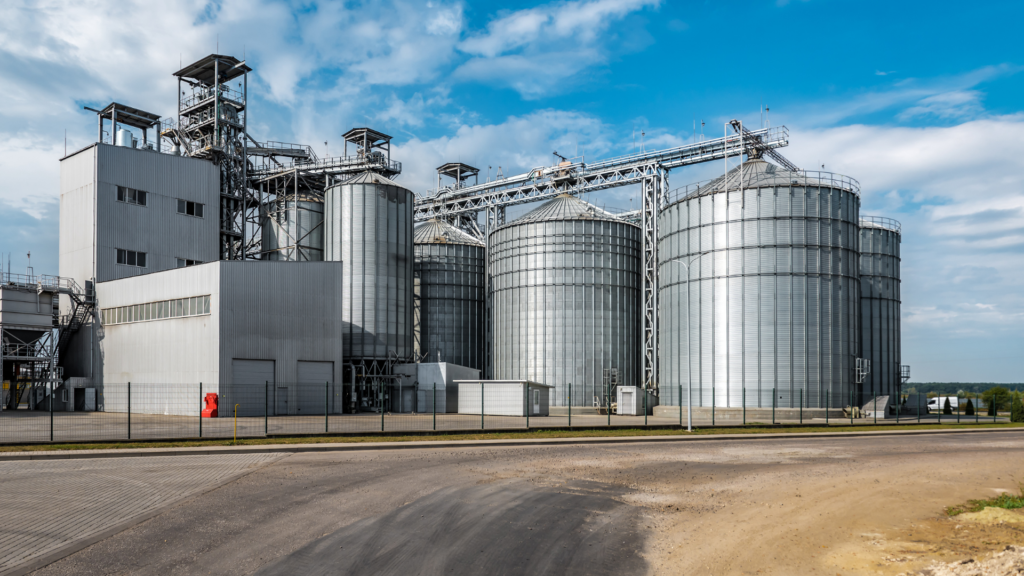
Buying or selling recyclable metals is much easier when you know exactly what you have. Material verification helps confirm the type, quality, and condition of scrap before a transaction takes place. This process reduces misunderstandings, improves pricing discussions, and builds trust between buyers and sellers. Whether you handle factory equipment, marine vessels, demolition materials, or industrial machinery, verifying materials should always be part of your preparation.
Many valuable metals look similar at first glance. Stainless steel can resemble ordinary steel, while some alloys appear almost identical without proper testing. Relying only on appearance may lead to costly mistakes. Fortunately, modern verification tools make material identification faster, easier, and more accurate than ever before.
If you regularly trade stainless steel scrap, using the right verification methods helps you present your materials with confidence while giving buyers reliable information before negotiations begin.
Visual Inspection Is the First Step
Every material verification process begins with careful observation.
Take time to inspect your scrap from different angles. Look for signs of rust, corrosion, dents, cracks, contamination, or excessive wear.
Stainless steel usually resists rust much better than ordinary carbon steel. This makes surface condition one useful clue during inspections.
Examine welds, edges, fasteners, and structural components carefully.
Notice whether plastic, rubber, wood, insulation, or other materials remain attached to the metal.
Organized inspections also help identify reusable equipment before recycling begins.
Take clear photographs while inspecting your materials. Good images support future discussions with buyers and inspectors.
Although visual inspection cannot confirm every material type, it provides an excellent starting point.
Magnets Provide Quick Identification
A simple magnet remains one of the most useful verification tools.
Ordinary carbon steel attracts magnets strongly.
Many grades of stainless steel react differently depending on their composition.
Some stainless steel grades have little magnetic attraction, while others attract magnets more noticeably.
Although the magnet test cannot identify exact grades, it helps separate materials during early inspections.
Carry a small magnet whenever you inspect factory equipment, industrial machinery, or demolition projects.
The test takes only a few seconds but often provides valuable information.
Always combine magnet testing with other verification methods for better accuracy.
Simple tools frequently produce surprisingly useful results.
Portable Metal Analyzers Improve Accuracy
Technology has transformed material identification in the recycling industry.
Portable metal analyzers provide quick and accurate information about metal composition.
These handheld devices identify important elements contained within the material.
Inspectors commonly use them to distinguish different stainless steel grades during evaluations.
Accurate identification helps buyers estimate value more confidently.
Sellers also benefit because verified materials reduce uncertainty during negotiations.
Many recycling companies now rely on portable analyzers for factory equipment, marine vessels, industrial plants, and demolition projects.
Although these devices require investment, they improve accuracy while reducing costly identification mistakes.
Professional verification creates greater confidence throughout every transaction.
Material Certificates Add Confidence
Documentation remains an important verification tool.
Many industrial facilities maintain records describing equipment materials and technical specifications.
Manufacturing certificates often identify the exact metal grade used during production.
Maintenance records sometimes include replacement histories and repair information.
Marine vessels may also contain technical drawings listing construction materials throughout different sections.
Request available documentation whenever possible before completing inspections.
Organized records support physical inspections while helping buyers verify material quality.
Professional paperwork reduces uncertainty and strengthens buyer confidence.
Documentation becomes especially valuable during large industrial or international transactions.
Laboratory Testing Confirms Composition
Some projects require even greater accuracy.
Laboratory testing provides detailed analysis of material composition when needed.
Specialized testing identifies alloy content, impurities, and chemical properties with excellent precision.
Industrial buyers sometimes request laboratory reports before purchasing large quantities of stainless steel scrap.
Testing also helps confirm whether materials meet manufacturing requirements for specialized applications.
Although laboratory analysis takes more time than handheld equipment, it provides highly reliable results.
Large recycling projects often justify the additional investment because accurate information supports stronger pricing discussions.
Professional testing reduces uncertainty while protecting both buyers and sellers.
Digital Technology Simplifies Verification
Modern digital tools continue improving material verification.
Smartphones allow you to capture detailed photographs and videos during inspections.
Cloud storage makes it easy to organize documents, inspection reports, and inventory records.
Video conferencing supports live inspections between suppliers and international buyers.
Digital inventory software tracks available materials throughout recycling projects.
Drone photography also helps inspect large industrial sites, marine vessels, and demolition projects safely.
Artificial intelligence is beginning to assist with identifying materials through image analysis.
Technology improves communication while making verification information easier to share across different locations.
These tools create smoother transactions while supporting greater transparency.
Professional Inspections Create Better Results
Experienced inspectors bring valuable knowledge to recycling projects.
They understand where different materials are commonly located within factories, marine vessels, and industrial facilities.
Professional inspectors recognize valuable alloys that less experienced people might overlook.
They also identify contamination, structural damage, and processing requirements before negotiations begin.
Independent inspection reports provide objective information for both buyers and sellers.
These reports often strengthen confidence during international transactions.
Professional inspections help reduce disagreements because everyone works from the same verified information.
Investing in expert evaluations frequently saves time and money throughout larger recycling projects.
Good Preparation Makes Verification Easier
Material verification becomes much easier when your scrap is organized properly.
Separate stainless steel from carbon steel, aluminum, copper, brass, and other recyclable metals.
Remove unnecessary attachments whenever practical.
Store materials in clean, accessible locations before inspections begin.
Prepare simple inventory records describing available quantities and material types.
Take high-quality photographs before contacting buyers.
Gather ownership documents and maintenance records whenever available.
Good organization allows inspectors to work efficiently while improving buyer confidence.
Professional preparation often creates smoother negotiations from beginning to end.
Accurate Verification Builds Stronger Business Relationships
Material verification is much more than identifying different metals. It creates confidence, supports fair pricing, and strengthens trust throughout every recycling project. Visual inspections, magnets, portable analyzers, documentation, laboratory testing, and professional inspections all contribute valuable information that helps buyers and sellers make informed decisions.
Whether you handle factory machinery, demolition materials, marine vessels, warehouses, or stainless steel scrap, careful verification protects everyone involved. Accurate information reduces misunderstandings while improving communication during negotiations.
Modern technology continues making verification faster and more reliable. Digital tools, portable testing equipment, and professional inspection services allow businesses to evaluate materials with greater confidence than ever before.
As the recycling industry continues growing, accurate verification will remain one of your greatest advantages. Every correctly identified material supports better pricing, stronger partnerships, and smoother transactions. By investing time in proper verification today, you position yourself for lasting success in the competitive and expanding world of stainless steel recycling.
Understanding Alloy Content

If you work with recyclable metals, you have probably heard the word “alloy” many times. Although it may sound technical, the idea is quite simple. An alloy is created by combining one metal with other elements to improve its strength, durability, or resistance to corrosion. Stainless steel is one of the best-known examples because it contains additional elements that make it perform better in demanding environments.
Understanding alloy content helps you recognize why different types of stainless steel have different values. It also explains why buyers inspect materials carefully before making offers. The more you understand about alloy composition, the easier it becomes to sort materials, communicate with buyers, and prepare successful recycling projects.
Whether you collect materials from factories, marine vessels, demolition sites, or industrial equipment, knowing what is inside your metals helps you make smarter decisions. Trading stainless steel scrap becomes much easier when you understand how alloy content affects recycling value.
What Makes Stainless Steel Different?
Ordinary steel and stainless steel may appear similar at first glance, but their composition is very different.
The biggest difference is the addition of chromium. This element helps stainless steel resist rust and corrosion.
Many stainless steel grades also contain nickel, molybdenum, manganese, and other elements that improve performance.
These added materials create stronger products that perform well in demanding industrial environments.
Because alloy content varies, different stainless steel grades are suitable for different applications.
Some perform well in food processing plants, while others resist chemicals used in factories.
Marine vessels also rely on stainless steel because it performs well in salty environments.
Understanding these differences helps explain why buyers pay close attention to alloy composition.
Alloy Content Influences Recycling Value
Not every piece of stainless steel has the same recycling value.
The amount of chromium, nickel, and other alloying elements affects market demand.
Materials containing higher levels of valuable elements often attract stronger buyer interest.
Industrial buyers carefully evaluate alloy composition because manufacturers require specific grades for different products.
Mixing several grades together may reduce processing efficiency during recycling.
That is why professional recycling companies separate stainless steel carefully before processing begins.
Accurate identification benefits both buyers and sellers by reducing uncertainty.
Understanding alloy content allows you to prepare materials more effectively before inspections.
Knowledge creates confidence throughout every recycling transaction.
Common Stainless Steel Grades
Several stainless steel grades appear regularly in recycling projects.
Grade 304 is one of the most common types. It appears in kitchen equipment, food processing machinery, storage tanks, pipes, and industrial facilities.
Grade 316 contains additional molybdenum, making it especially resistant to corrosion.
Marine vessels, chemical plants, and offshore facilities frequently use this grade.
Other grades appear in automotive parts, construction materials, medical equipment, and manufacturing systems.
Although these grades may look similar, their alloy composition differs.
Professional buyers recognize these differences because they influence manufacturing applications.
Learning the most common grades helps you communicate more confidently during recycling discussions.
Marine and Industrial Equipment Contain Valuable Alloys
Factories and marine vessels provide excellent sources of valuable stainless steel.
Processing plants use stainless steel for tanks, pipelines, valves, heat exchangers, and production equipment.
Marine vessels contain stainless steel throughout engine rooms, cooling systems, railings, ladders, pumps, and navigation equipment.
Chemical facilities also rely heavily on corrosion-resistant alloys.
Food processing plants use stainless steel because it remains hygienic and easy to clean.
Hospitals and pharmaceutical facilities also depend on specialized stainless steel equipment.
When these facilities upgrade machinery or close operations, valuable recyclable alloys become available.
Careful inspections often reveal high-quality stainless steel scrap hidden throughout industrial equipment.
Material Identification Matters
Correct identification becomes much easier when you understand alloy content.
Visual inspections provide useful clues, but appearance alone is not always enough.
Portable metal analyzers quickly identify different alloy compositions during inspections.
Magnets also help distinguish some stainless steel grades from ordinary carbon steel.
Technical documentation often identifies the materials used during manufacturing.
Maintenance records sometimes include replacement information that supports identification.
Professional inspectors combine these methods to verify material composition accurately.
Reliable identification creates stronger pricing discussions while reducing misunderstandings.
Taking time to verify materials protects everyone involved in the transaction.
Sorting Improves Recycling Efficiency
Proper sorting is one of the easiest ways to increase recycling value.
Keep different stainless steel grades separated whenever practical.
Avoid mixing stainless steel with carbon steel, aluminum, copper, brass, or cast iron.
Remove unnecessary attachments before selling your materials.
Store recyclable metals in organized areas where inspections become easier.
Simple labels identifying material types improve efficiency during loading and transportation.
Professional organization also demonstrates reliability to buyers.
Well-prepared materials require less additional processing after purchase.
Buyers appreciate suppliers who invest time in proper sorting because it saves everyone valuable time.
Technology Supports Better Alloy Identification
Modern technology continues improving alloy identification throughout the recycling industry.
Portable analyzers provide immediate information about metal composition.
Digital inventory systems organize recyclable materials more efficiently.
Cloud storage simplifies sharing inspection reports and technical documentation.
Video inspections allow buyers to discuss materials before arranging travel.
Artificial intelligence is beginning to assist with identifying recyclable metals through image analysis.
Drone inspections help evaluate large industrial facilities and marine vessels safely.
Technology improves communication while increasing confidence throughout recycling projects.
Businesses embracing these innovations often enjoy smoother transactions and stronger customer relationships.
Better Knowledge Leads to Better Decisions
Learning about alloy content benefits every stage of the recycling process.
You become better at identifying valuable materials during inspections.
Sorting becomes easier because you understand why different grades matter.
Communication with buyers also improves because you can describe materials more accurately.
Market awareness grows as you recognize how alloy composition influences pricing.
Professional preparation becomes simpler because you know which documentation supports material verification.
Every improvement strengthens your position during negotiations.
Knowledge also reduces costly mistakes caused by incorrect material identification.
Small learning efforts today often create valuable opportunities tomorrow.
Understanding Alloys Gives You a Competitive Advantage
Alloy content plays a major role in determining the value and performance of stainless steel. Chromium, nickel, molybdenum, and other elements create materials that resist corrosion while serving demanding industries around the world. Understanding these differences allows you to identify, sort, and present recyclable materials more effectively.
Whether you recover stainless steel scrap from factories, marine vessels, demolition projects, food processing plants, or industrial facilities, accurate alloy identification strengthens every transaction. Buyers appreciate organized suppliers who understand material quality and provide reliable information.
Modern verification tools and growing industry knowledge continue making alloy identification easier than ever before. Combining practical experience with technology helps you reduce uncertainty while improving communication and pricing discussions.
As demand for recycled stainless steel continues growing, understanding alloy content becomes an increasingly valuable skill. Every correctly identified material supports cleaner manufacturing, stronger resource conservation, and more successful recycling projects. By learning how alloy content influences value today, you prepare yourself for greater opportunities and lasting success in the expanding stainless steel recycling industry.
Documentation Best Practices
Good documentation is one of the most valuable tools in the recycling industry. It keeps transactions organized, reduces misunderstandings, and builds trust between buyers and sellers. Whether you are selling factory equipment, marine vessels, demolition materials, or industrial machinery, accurate records help every project move forward more smoothly. Strong documentation also creates confidence during negotiations because everyone works with the same information.
Many recycling projects involve large quantities of valuable materials and multiple business partners. Buyers, sellers, inspectors, transport companies, and financial institutions may all need access to important records. Well-prepared documents save time while reducing unnecessary questions. They also demonstrate that you manage your business professionally.
If you regularly buy or sell stainless steel scrap, developing good documentation habits can improve every stage of the transaction. Organized records make inspections easier, strengthen buyer confidence, and help create lasting business relationships.
Start with Accurate Inventory Records
Every successful recycling project begins with a reliable inventory.
Prepare a simple list describing the materials you plan to sell. Include estimated quantities, material types, storage locations, and overall condition.
Separate different grades of stainless steel whenever possible. Clear descriptions help buyers evaluate available materials more efficiently.
If your project also contains aluminum, copper, brass, or carbon steel, identify those materials separately.
Numbering inventory items makes future communication much easier.
Update your inventory whenever materials are added, removed, or relocated.
Accurate records reduce confusion during inspections while supporting more productive pricing discussions.
A well-organized inventory also demonstrates professionalism from the very beginning.
Keep Ownership Documents Ready
Ownership verification is an important part of many recycling transactions.
Buyers want confidence that the seller has legal authority to transfer the materials.
Prepare ownership certificates, purchase records, contracts, or other supporting documents before negotiations begin.
Marine vessels may require registration records and transfer documents.
Factories sometimes maintain equipment purchase histories or asset registers that support ownership verification.
Keeping these records organized allows you to respond quickly when buyers request additional information.
Professional preparation helps prevent delays while improving buyer confidence.
Complete ownership documentation protects everyone involved throughout the transaction.
Use High-Quality Photos and Videos
Visual records have become essential in modern recycling projects.
Take clear photographs showing your materials from several angles.
Capture both wide views and detailed close-up images.
If you are selling industrial equipment, include machinery, structural supports, storage areas, and electrical systems.
For marine vessels, photograph the hull, deck, engine room, cargo spaces, and major equipment.
Videos provide even greater transparency by allowing buyers to observe material condition in real time.
Date your photographs whenever possible so buyers know when they were taken.
Good visual documentation reduces uncertainty before physical inspections.
Organize Inspection Reports
Independent inspections often strengthen buyer confidence.
Professional inspectors evaluate material condition, estimate quantities, and identify valuable components before transactions proceed.
Store inspection reports together with supporting photographs and technical documents.
Keep both printed and digital copies whenever practical.
If additional inspections occur later, organize reports by date to create a clear project history.
Inspection records become especially valuable during international transactions where buyers cannot immediately visit the project site.
Professional reports support fair negotiations because they provide objective information.
Well-organized inspection documents reduce misunderstandings while encouraging smoother business discussions.
Record Material Verification Results
Material verification plays an important role when selling stainless steel scrap.
If portable metal analyzers or laboratory testing have been used, save those reports carefully.
Include information about stainless steel grades whenever available.
Record magnet test results, alloy identification, or technical specifications if they support the evaluation.
Verification documents help buyers understand exactly what materials are available.
Accurate material identification also improves pricing discussions because buyers have greater confidence in the information provided.
Professional verification records reduce uncertainty while supporting stronger long-term business relationships.
Reliable documentation creates value throughout the recycling process.
Store Digital Files Securely
Digital organization has become just as important as paper records.
Create clearly labeled folders for every recycling project.
Store inventories, ownership documents, inspection reports, photographs, contracts, and correspondence together.
Cloud storage provides secure backup while allowing documents to be shared quickly with buyers.
Organize files using simple names that remain easy to recognize later.
Protect sensitive business information with secure passwords and controlled access.
Regular backups prevent valuable records from being lost because of hardware failure.
Good digital organization saves time whenever documents need updating or sharing.
Keep Communication Records
Written communication also belongs in your project documentation.
Save important emails discussing pricing, inspection schedules, transportation, or contract terms.
Summarize important phone conversations in short written notes.
Confirm major agreements through email after meetings whenever possible.
Communication records help clarify responsibilities if questions arise later.
Professional documentation creates a reliable history of project discussions.
Buyers appreciate suppliers who maintain organized communication because it reduces confusion.
Clear records support stronger relationships while encouraging smoother negotiations throughout every stage of the project.
Review Documents Before Sharing
Accuracy matters just as much as organization.
Review every document before sending it to buyers.
Confirm that quantities, dates, contact information, and material descriptions remain correct.
Remove duplicate files or outdated versions that may create confusion.
Check whether photographs match the current condition of the materials.
Update inventory lists if changes have occurred since earlier inspections.
Taking a few extra minutes to review your documents often prevents unnecessary questions later.
Professional attention to detail creates stronger buyer confidence.
Good Documentation Builds Better Business
Documentation is much more than paperwork. It creates trust, improves communication, and supports successful recycling projects from beginning to end. Accurate inventories, ownership records, inspection reports, photographs, verification results, and organized communication all contribute to smoother transactions and stronger business relationships.
Whether you manage factory equipment, marine vessels, demolition materials, or stainless steel scrap, well-prepared documentation helps buyers understand your project with confidence. Reliable records reduce misunderstandings while making negotiations faster and more productive.
Modern digital tools make document management easier than ever before. Cloud storage, digital photographs, electronic inventories, and secure file sharing allow businesses to communicate efficiently across local and international markets.
As the recycling industry continues growing, professional documentation will remain one of your strongest competitive advantages. Every organized record reflects your commitment to quality, transparency, and dependable service. By following good documentation practices today, you build stronger partnerships, improve buyer confidence, and position your recycling business for lasting success in the years ahead.
Buyer Qualification Strategies
Finding a buyer is only the first step in a successful recycling transaction. The next step is making sure that buyer is reliable, financially prepared, and genuinely interested in your materials. Taking time to qualify buyers helps protect your business while reducing unnecessary delays. It also saves valuable time because you focus your attention on serious buyers instead of chasing uncertain opportunities.
Whether you are selling factory equipment, marine vessels, demolition materials, or stainless steel scrap, working with qualified buyers creates a smoother experience. Reliable buyers communicate clearly, respect agreements, and complete transactions professionally. They also appreciate suppliers who follow organized business practices.
Buyer qualification does not need to be complicated. A few simple checks before negotiations begin can prevent many common problems later. Building this habit helps you create stronger partnerships while improving the success of every recycling project.
Learn About the Buyer’s Business
Before discussing prices, spend time learning about the buyer.
Visit the company’s website and review its services, experience, and areas of specialization.
Look for information about previous projects, recycling facilities, or industries they serve.
A company with experience handling stainless steel scrap may understand your materials better than a general buyer.
Check whether the business provides clear contact information, including physical addresses and company details.
Professional businesses usually explain their services clearly and maintain an active online presence.
If the company operates internationally, review the countries where it regularly conducts business.
A little research helps you understand whether the buyer matches your project.
Confirm the Buyer’s Requirements
Every buyer has different purchasing needs.
Some buyers specialize in factory equipment, while others focus on marine vessels, demolition materials, or industrial machinery.
Ask what types of materials they regularly purchase.
Confirm preferred stainless steel grades, minimum quantities, and quality expectations before negotiations continue.
Understanding buyer requirements prevents unnecessary discussions about materials that may not fit their business.
It also helps you present your project more effectively.
When both parties understand expectations early, negotiations usually become faster and more productive.
Clear communication creates confidence from the beginning.
Request Company Information
Professional buyers should have no difficulty providing basic business information.
Ask for the company name, registration details, and primary contact person.
Request business references if you are working together for the first time.
Some buyers may also provide information about previous recycling projects.
If the buyer represents another company, ask them to explain their role in the transaction.
Understanding who makes purchasing decisions helps avoid confusion later.
Reliable buyers generally appreciate professional verification because they also want trustworthy suppliers.
Open communication strengthens confidence on both sides.
Evaluate Communication Quality
Communication often reveals a great deal about a buyer’s professionalism.
Notice how quickly inquiries receive responses.
Professional buyers usually answer questions clearly and respectfully.
They request relevant information instead of making unrealistic demands.
Reliable buyers also explain their purchasing process in a straightforward manner.
If additional time is needed, they usually communicate that openly.
Poor communication often creates unnecessary delays throughout the project.
Good communication builds trust while making negotiations much easier.
Professional relationships often begin with simple, respectful conversations.
Discuss Inspection Plans Early
Serious buyers usually want to inspect valuable materials before completing a purchase.
Ask how they plan to evaluate the project.
Some buyers arrange physical inspections, while others begin with photographs, videos, or virtual meetings.
Independent inspection companies may also become involved during larger transactions.
Discuss inspection timing before negotiations become too advanced.
Early planning reduces misunderstandings while helping everyone prepare effectively.
Organized inspections also allow buyers to verify the quality of stainless steel scrap before making final offers.
Professional inspection planning demonstrates commitment from both parties.
Understand Payment Expectations
Payment discussions should never be left until the last moment.
Ask buyers to explain their preferred payment methods.
Discuss payment timing, inspection requirements, transportation responsibilities, and contract conditions before reaching final agreements.
Professional buyers usually communicate these details clearly.
Written agreements help both parties understand their responsibilities.
Reliable payment practices create confidence throughout the transaction.
If something appears unclear, ask questions immediately instead of making assumptions.
Open financial discussions help prevent misunderstandings later.
Professional preparation protects both buyers and sellers.
Verify Industry Experience
Experience matters in the recycling business.
Buyers familiar with stainless steel recycling often recognize material grades more accurately.
They also understand transportation requirements, documentation, and processing methods.
Ask about previous projects involving factories, industrial equipment, marine vessels, or demolition materials.
Experienced buyers usually explain their procedures confidently.
They often ask practical questions because they understand industry challenges.
Working with knowledgeable buyers reduces uncertainty while supporting smoother transactions.
Professional experience creates confidence throughout every stage of the recycling process.
Build Relationships Instead of Chasing One Sale
The strongest recycling businesses focus on long-term partnerships.
Treat qualified buyers as valuable business contacts instead of one-time customers.
Maintain regular communication after successful transactions.
Share updates about future projects whenever appropriate.
Reliable buyers appreciate early information about upcoming opportunities.
Long-term partnerships reduce marketing efforts because trusted buyers often return for additional business.
Satisfied buyers also recommend dependable suppliers to colleagues within the recycling industry.
Strong relationships create stability while supporting continued growth.
Professional cooperation benefits everyone involved.
Qualified Buyers Create Better Results
Choosing the right buyer is just as important as preparing quality materials. Careful qualification helps you identify businesses that communicate professionally, understand your project, and complete transactions responsibly. A few simple checks before negotiations begin can save significant time while reducing unnecessary risks.
Whether you are selling factory equipment, marine vessels, industrial machinery, demolition materials, or stainless steel scrap, qualified buyers contribute to smoother transactions and stronger business relationships. Professional communication, organized inspections, reliable payment practices, and industry experience all support successful outcomes.
Modern technology also makes buyer qualification easier than ever. Company websites, virtual meetings, digital documentation, and online communication allow you to gather useful information before making important decisions.
As the recycling industry continues expanding across international markets, buyer qualification will remain one of your most valuable business habits. Every reliable buyer strengthens your professional network while creating opportunities for future projects. By investing time in careful qualification today, you build lasting partnerships that support long-term success in the growing stainless steel recycling industry.