
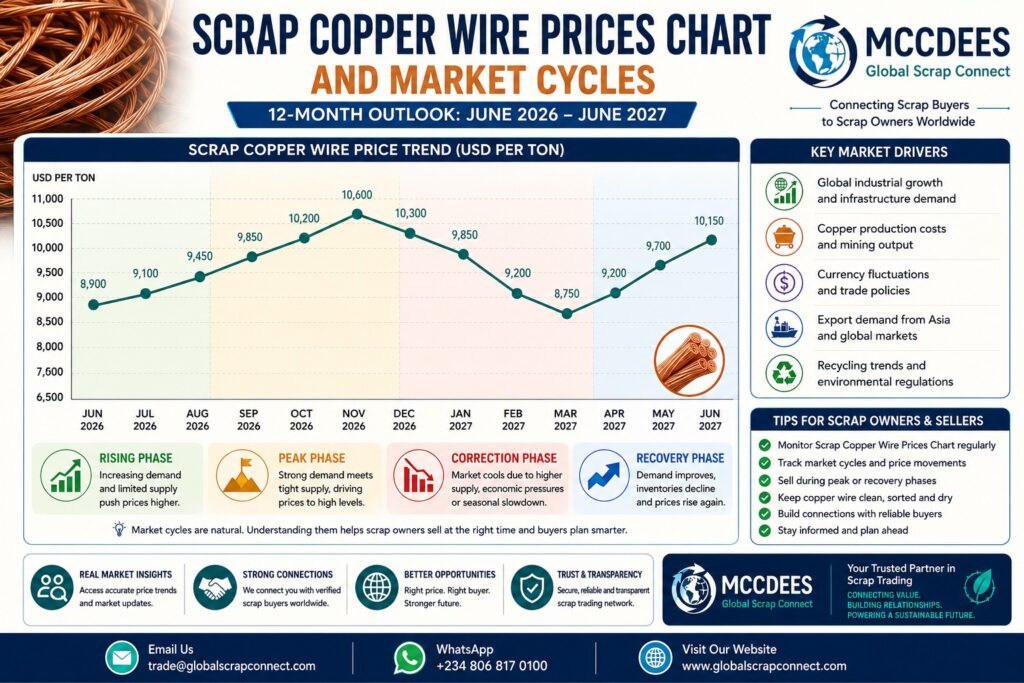
If you have ever followed a scrap copper wire prices chart, you have probably noticed one important fact. Prices rarely stay the same for long. They rise, fall, and sometimes move unexpectedly. These changes may seem confusing at first, but they usually follow seasonal patterns influenced by demand, supply, weather, and global economic activity.
Understanding seasonal price fluctuations helps you make smarter recycling decisions. Instead of selling immediately, you can study market trends and decide whether waiting may offer a better opportunity. While nobody can predict prices perfectly, recognizing common seasonal movements gives you a valuable advantage.
Whether you collect copper wire from factories, construction sites, marine vessels, or demolition projects, learning how seasons influence prices can improve your planning. A scrap copper wire prices chart becomes much more useful when you understand the reasons behind its changing patterns.
Spring Often Brings Stronger Demand
Spring is usually a busy season for many industries.
Construction projects often begin after colder weather ends.
Electricians install new wiring in homes, offices, and commercial buildings.
Manufacturing plants also increase production as new projects move forward.
These activities create higher demand for copper products.
As manufacturers buy more raw materials, recyclers often experience greater interest in copper scrap.
This increased demand may support stronger prices during the season.
However, every year is different because economic conditions also influence the market.
Watching a scrap copper wire prices chart during spring helps you understand whether seasonal demand is affecting prices.
It is a useful habit that improves your market awareness.
Summer Keeps Recycling Activity Moving
Summer often remains active for the recycling industry.
Construction continues across many regions.
Infrastructure projects, road improvements, and industrial developments also require large amounts of copper.
Factories usually continue operating at high production levels.
Marine maintenance projects also increase during warmer months.
Older vessels may undergo repairs, upgrades, or dismantling, creating additional recyclable copper.
Demolition projects often progress faster because weather conditions remain favorable.
More available scrap may increase supply in some markets.
At the same time, strong industrial demand often balances these additional materials.
This is why prices sometimes remain steady even when more copper enters the recycling system.
Autumn Brings Changing Market Conditions
Autumn often marks the beginning of seasonal adjustments.
Many construction projects approach completion before winter arrives.
Some manufacturers begin preparing inventory for the following year.
Industrial buyers may adjust purchasing plans based on production forecasts.
These changing business activities sometimes influence copper demand.
Recycling companies also evaluate inventory before the year ends.
Some suppliers choose to sell stored materials before winter storage becomes more difficult.
These decisions can increase available supply in certain regions.
Comparing several months on a scrap copper wire prices chart helps you recognize these seasonal changes more clearly.
Patterns become easier to understand when viewed over longer periods.
Winter Can Slow Some Industries
Winter affects recycling differently depending on the region.
Cold weather may delay construction activity in many countries.
Snow, ice, or heavy rainfall sometimes slow transportation and demolition projects.
Outdoor recycling operations may also become less efficient.
These factors can reduce the amount of scrap entering the market.
However, manufacturing continues in many industries throughout winter.
Electrical equipment, renewable energy systems, and consumer products still require copper.
Global demand rarely disappears completely.
Instead, winter often creates a different balance between supply and demand.
This balance influences the movement shown on a scrap copper wire prices chart.
Understanding these seasonal differences helps you prepare more effectively.
Global Demand Influences Every Season
Seasons are important, but they are not the only influence on copper prices.
Worldwide demand also plays a major role.
Electric vehicles continue increasing copper consumption because each vehicle contains significant amounts of wiring.
Renewable energy projects also require large quantities of copper.
Solar farms, wind turbines, and battery storage systems all depend on this valuable metal.
Power grid upgrades create additional demand across many countries.
When global manufacturing grows, copper demand often follows.
Even if your local market seems quiet, international demand can still influence recycling prices.
That is why following worldwide industry trends remains valuable.
Supply Changes Throughout the Year
Supply affects prices just as much as demand.
When many demolition projects happen at the same time, more copper enters the recycling market.
Factory upgrades may also create large quantities of recyclable wiring.
Marine recycling projects often recover copper from generators, motors, pumps, and electrical systems.
Mining production also influences global copper availability.
Transportation challenges sometimes delay shipments between countries.
Natural disasters, labor shortages, or port congestion may temporarily reduce supply.
These events create changes that appear on a scrap copper wire prices chart over time.
Learning to recognize supply patterns helps you understand market movements more confidently.
Market Knowledge Helps You Plan Better
You do not need to predict every price movement perfectly.
Instead, focus on building consistent market awareness.
Review copper price trends regularly instead of checking only when you want to sell.
Compare monthly and yearly movements.
Notice how seasonal patterns repeat over time.
Keep simple records of your own sales.
Compare your observations with industry news and economic developments.
The more information you gather, the easier future decisions become.
Good planning often creates better opportunities than reacting at the last minute.
Knowledge grows through steady observation.
Quality Still Matters More Than Timing
Seasonal prices are important, but quality always remains a major factor.
Clean copper wire usually attracts stronger buyer interest.
Proper sorting also improves recycling value.
Remove unnecessary insulation when appropriate and practical.
Separate copper from aluminum, steel, and brass before inspections.
Prepare accurate inventory records before contacting buyers.
Professional photographs also support smoother negotiations.
Even during weaker market periods, well-prepared materials often perform better than mixed or poorly organized scrap.
Good preparation gives you an advantage regardless of seasonal conditions.
Understanding Seasons Creates Smarter Decisions
Seasonal price fluctuations are a natural part of the recycling industry. Construction activity, manufacturing demand, transportation conditions, weather, and global economic trends all influence copper prices throughout the year. Learning how these factors work together helps you make more informed recycling decisions.
Following a scrap copper wire prices chart allows you to identify long-term trends instead of focusing only on short-term changes. Over time, you begin to recognize patterns that improve your planning and strengthen your negotiating position.
Whether your copper comes from factories, construction sites, marine vessels, industrial plants, or demolition projects, understanding seasonal movements helps you prepare for changing market conditions. Combined with clean material preparation, organized documentation, and professional communication, this knowledge positions you for stronger opportunities and more successful recycling transactions throughout the year.
Global Supply Challenges
Copper is one of the world’s most important industrial metals. It powers homes, connects communication systems, and supports everything from electric vehicles to renewable energy projects. As demand continues growing, keeping up with global supply becomes more challenging every year. These supply challenges directly affect recycling markets and influence the movement shown on a scrap copper wire prices chart.
Many people think copper prices depend only on local buyers and sellers. In reality, copper travels through a global supply chain that connects mines, factories, shipping companies, recycling businesses, and manufacturers across many countries. When one part of that chain faces difficulties, the effects often spread around the world.
Understanding these global supply challenges helps you make better recycling decisions. Whether you recover copper from factories, construction sites, marine vessels, or demolition projects, knowing what influences supply allows you to understand market changes with greater confidence.
Growing Demand Creates New Pressure
The world’s demand for copper continues increasing every year.
Modern technology depends heavily on this valuable metal.
Electric vehicles require much more copper than traditional cars.
Charging stations also need large amounts of copper wiring.
Solar panels, wind farms, and battery storage systems rely on copper for efficient power transmission.
Power companies continue upgrading electrical grids to meet growing energy needs.
Construction projects also consume large quantities of copper cables and electrical equipment.
As industries expand, manufacturers compete for available copper supplies.
This growing demand places additional pressure on global production.
Following a scrap copper wire prices chart often reveals how stronger demand influences recycling values over time.
Mining Cannot Always Keep Up
Copper begins its journey in mines around the world.
Although mining companies continue investing in new projects, increasing production takes time.
Opening a new mine requires years of planning, environmental approvals, and major financial investment.
Some existing mines also produce less copper as they become older.
Unexpected equipment failures may slow production.
Labor shortages sometimes reduce mining activity.
Natural disasters can interrupt operations without warning.
Even temporary production delays may reduce available copper worldwide.
When supply becomes tighter, recycling grows even more important because recovered copper helps fill the gap.
Transportation Challenges Affect Supply
Copper must travel long distances before reaching manufacturers.
Ships, trucks, trains, and ports all play important roles in the supply chain.
Transportation disruptions can delay deliveries even when enough copper exists.
Busy ports sometimes experience congestion that slows exports and imports.
Weather conditions may interrupt shipping schedules.
Fuel prices also influence transportation costs.
Political events occasionally affect international trade routes.
These challenges make it harder for manufacturers to receive materials on time.
Recycling companies often benefit because locally recovered copper may become more attractive during transportation disruptions.
Global logistics remain an important factor behind market movements.
Recycling Helps Reduce Supply Pressure
Recycling has become one of the best solutions to global copper shortages.
Recovered copper can return to manufacturing without losing its quality.
Factories, construction sites, marine vessels, electrical systems, and demolition projects all provide valuable recyclable copper.
Instead of relying only on newly mined materials, manufacturers increasingly purchase recycled copper.
This approach reduces pressure on mining operations.
It also saves energy and supports environmental sustainability.
Every recycled cable, motor, transformer, and generator contributes to the global supply chain.
The recycling industry continues becoming more important as worldwide copper demand grows.
Global Events Influence Local Markets
Local recycling businesses do not operate in isolation.
International events often influence nearby buyers and sellers.
Economic growth in one region may increase worldwide copper demand.
Manufacturing slowdowns elsewhere can temporarily reduce consumption.
Currency movements sometimes affect international trade.
Trade policies also influence the movement of recycled metals between countries.
Large infrastructure projects may increase demand unexpectedly.
These worldwide developments often appear gradually on a scrap copper wire prices chart.
Understanding global connections helps explain why prices sometimes change without obvious local reasons.
The copper market truly operates on an international scale.
Supply Quality Also Matters
Not all available copper has the same value.
Manufacturers often prefer clean, well-sorted recyclable materials.
Mixed or contaminated scrap requires additional processing before reuse.
This increases costs and slows production.
Proper sorting helps improve recycling efficiency.
Removing insulation, separating copper from other metals, and organizing inventory all increase buyer confidence.
High-quality recycled copper becomes even more valuable when global supply tightens.
Preparing your materials carefully allows you to compete more effectively.
Quality remains important regardless of changing market conditions.
Technology Improves Supply Efficiency
Modern technology is helping solve many supply challenges.
Advanced recycling equipment recovers more copper from complex products.
Portable metal analyzers improve material identification during inspections.
Digital inventory systems help suppliers organize available materials more efficiently.
Artificial intelligence supports better sorting processes.
Modern logistics software improves shipment planning across international markets.
Automation increases recovery rates while reducing waste.
Technology also improves communication between buyers and sellers.
These innovations help strengthen the global copper supply chain while supporting more efficient recycling operations.
Market Awareness Supports Better Decisions
Global supply challenges may seem complex, but you can still prepare effectively.
Follow industry news regularly.
Observe long-term market trends instead of reacting to every short-term price movement.
Review a scrap copper wire prices chart frequently to identify changing patterns.
Compare seasonal trends with global economic developments.
Maintain organized inventories throughout the year.
Prepare accurate documentation before marketing your materials.
Good planning allows you to respond confidently when market opportunities appear.
Knowledge remains one of the strongest tools in every successful recycling business.
Global Challenges Create Local Opportunities
Global supply challenges continue shaping the copper recycling industry. Growing demand, mining limitations, transportation disruptions, and changing industrial needs all influence copper availability around the world. These factors directly affect recycling businesses and create new opportunities for suppliers who prepare carefully.
A scrap copper wire prices chart provides valuable insight into how these global developments influence market movements over time. Instead of viewing price changes as random events, you can begin recognizing the supply and demand forces working behind the scenes.
Whether your copper comes from factories, marine vessels, warehouses, construction projects, or demolition sites, understanding global supply challenges helps you make smarter business decisions. Combined with clean material preparation, professional documentation, and strong buyer relationships, this knowledge positions you for long-term success in the growing copper recycling industry. As global demand continues rising, recycled copper will remain one of the most valuable resources supporting sustainable manufacturing and a stronger circular economy.
Demand Forecast Insights
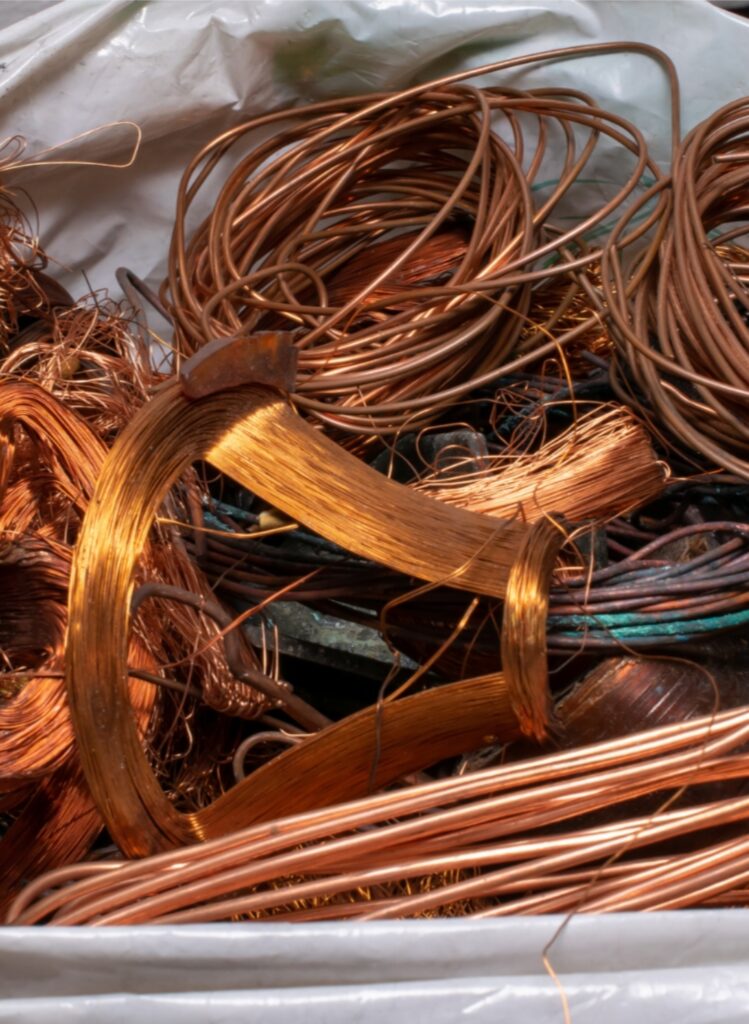
Understanding future demand is one of the smartest ways to stay ahead in the recycling industry. While nobody can predict market prices with complete accuracy, studying demand trends helps you make better business decisions. Whether you collect copper wire from factories, marine vessels, construction sites, or demolition projects, knowing where the market is heading gives you an important advantage.
Copper remains one of the world’s most valuable industrial metals. It is essential for electricity, communication, transportation, renewable energy, and modern technology. As industries continue expanding, copper demand is expected to remain strong for many years. This is one reason many recyclers regularly follow a scrap copper wire prices chart to understand changing market conditions.
Instead of reacting only after prices change, you can prepare ahead by understanding demand forecasts. This approach helps you plan inventory, improve negotiations, and identify the best opportunities for long-term success.
Renewable Energy Continues Driving Demand
Renewable energy projects are creating new opportunities for copper recycling.
Solar farms require large amounts of copper wiring.
Wind turbines also depend on copper for generators and electrical connections.
Battery storage systems use copper throughout their electrical networks.
Power companies continue expanding renewable energy infrastructure across many countries.
These projects require reliable copper supplies every year.
Recycled copper helps manufacturers meet growing demand while reducing pressure on mining operations.
As renewable energy investments continue increasing, recycled copper becomes even more valuable.
Monitoring a scrap copper wire prices chart helps you observe how growing demand may influence market trends over time.
Electric Vehicles Need More Copper
The automotive industry is changing rapidly.
Electric vehicles contain much more copper than traditional gasoline-powered vehicles.
Copper appears in batteries, motors, charging systems, electrical wiring, and control equipment.
Public charging stations also require extensive copper cabling.
As more countries encourage cleaner transportation, vehicle manufacturers continue increasing electric vehicle production.
This growing industry creates additional demand for recycled copper.
Manufacturers actively search for reliable material suppliers.
Every recycled copper cable contributes to supporting this expanding market.
Future demand is expected to remain strong as electric transportation becomes more common worldwide.
Construction Will Continue Supporting Growth
Construction remains one of the largest users of copper products.
Residential homes require electrical wiring throughout every building.
Commercial offices depend on copper for power distribution and communication systems.
Industrial facilities also install large electrical networks during expansion projects.
Hospitals, schools, airports, and shopping centers all consume significant amounts of copper.
Urban development continues across many regions.
Population growth also increases the need for new infrastructure.
These long-term construction activities help support steady copper demand throughout the recycling industry.
Construction remains an important part of future market forecasts.
Technology Expands Copper Consumption
Modern technology depends heavily on copper.
Data centers require reliable electrical systems to support growing digital services.
Telecommunication networks continue expanding to improve internet connectivity.
Artificial intelligence infrastructure also depends on powerful electrical equipment.
Smart homes, automation systems, and connected devices all require copper wiring.
Consumer electronics remain another major source of copper demand.
As technology continues evolving, manufacturers will likely require additional recycled copper supplies.
Innovation continues creating new opportunities for recyclers around the world.
Technology growth supports long-term market confidence.
Recycling Will Play a Bigger Role
Mining alone cannot satisfy future copper demand forever.
Opening new mines requires years of planning and major financial investment.
Environmental regulations also influence mining activities.
Because of these challenges, recycling becomes increasingly important.
Recovered copper maintains excellent quality through repeated recycling.
Factories, demolition projects, marine vessels, electrical equipment, and industrial machinery all provide valuable recyclable copper.
Manufacturers increasingly recognize recycled copper as a dependable supply source.
This growing acceptance strengthens the recycling industry.
Future demand forecasts continue highlighting the importance of material recovery.
Global Markets Stay Connected
Copper markets operate on a global scale.
Economic growth in one country often influences recycling businesses elsewhere.
Large infrastructure investments increase worldwide demand.
International trade supports the movement of copper between manufacturers and recyclers.
Transportation improvements also strengthen supply chains.
Global manufacturing trends influence local recycling activity.
This is why following a scrap copper wire prices chart provides useful insight beyond local market conditions.
International developments often explain price movements that may seem unexpected at first.
Understanding these global connections improves long-term planning.
Prepare for Future Opportunities
Good preparation allows you to benefit from future demand.
Sort copper carefully before marketing your materials.
Remove unnecessary contamination whenever practical.
Separate copper from aluminum, brass, steel, and other metals.
Prepare accurate inventory records before contacting buyers.
Take clear photographs that show material quality.
Maintain organized storage areas for easier inspections.
Professional preparation improves buyer confidence regardless of current market conditions.
Well-organized suppliers often respond more quickly when new opportunities appear.
Planning ahead always creates stronger business advantages.
Knowledge Helps You Make Better Decisions
Demand forecasts should guide your planning instead of creating unrealistic expectations.
Markets sometimes move differently than expected because of economic changes or unexpected global events.
Instead of focusing on short-term price movements, study long-term industry trends.
Review a scrap copper wire prices chart regularly.
Compare historical patterns with current market developments.
Follow industry news and major infrastructure announcements.
Keep improving your understanding of recycling markets every year.
Knowledge becomes more valuable with consistent learning and experience.
Well-informed decisions often produce better long-term results.
Strong Demand Supports a Bright Future
Future demand for copper continues creating exciting opportunities across the recycling industry. Renewable energy, electric vehicles, construction, technology, and infrastructure development all depend on reliable copper supplies. As these industries expand, recycled copper will remain one of the most valuable resources supporting sustainable manufacturing.
A scrap copper wire prices chart helps you understand changing market conditions, but demand forecasts allow you to look beyond today’s prices. Recognizing long-term trends helps you prepare your inventory, improve negotiations, and make smarter business decisions throughout the year.
Whether your copper comes from factories, construction projects, marine vessels, warehouses, or demolition sites, future demand remains encouraging. Businesses that invest in clean material preparation, organized documentation, and strong buyer relationships will be well positioned to benefit from continued market growth. By understanding demand today, you prepare your recycling business for greater success tomorrow.
Connecting Buyers Before Peak Demand
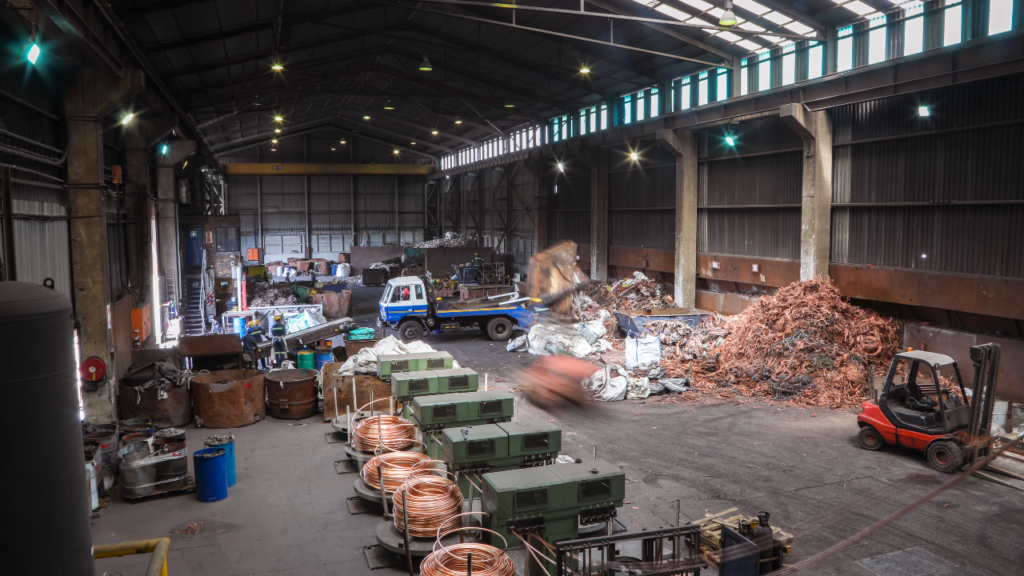
Timing can make a big difference in the recycling business. Many suppliers wait until demand reaches its highest point before looking for buyers. While this may seem like a smart move, it often creates unnecessary competition. A better strategy is connecting with buyers before demand reaches its peak. Early communication allows you to build relationships, prepare your materials, and position yourself ahead of the crowd.
Copper remains one of the world’s most valuable recyclable metals. Manufacturers depend on it for electrical systems, renewable energy projects, construction, and modern technology. Because demand changes throughout the year, preparing early gives you a valuable advantage. Following a scrap copper wire prices chart helps you recognize market patterns while planning your next move with greater confidence.
Instead of rushing after prices begin rising, you can already have buyers waiting. This proactive approach creates smoother negotiations and better business opportunities.
Build Relationships Before the Market Gets Busy
Strong business relationships rarely happen overnight.
Introduce yourself to potential buyers before you have materials ready for sale.
Share information about your business and the types of copper you usually supply.
Ask buyers about their preferred material grades and purchasing requirements.
Learn how they inspect materials and organize transportation.
These early conversations create familiarity and trust.
When demand increases, buyers often contact businesses they already know.
Building relationships early reduces pressure during busy market periods.
Good partnerships grow through consistent communication rather than last-minute sales efforts.
Preparation always beats panic.
Understand When Demand Usually Increases
Every recycling market experiences busy periods.
Construction activity often increases during warmer seasons.
Manufacturing companies expand production when customer demand grows.
Renewable energy projects may accelerate during certain parts of the year.
Infrastructure upgrades also influence copper consumption.
Electric vehicle production continues increasing worldwide.
All these industries require large quantities of copper.
By studying a scrap copper wire prices chart, you begin recognizing recurring demand patterns.
These observations help you prepare inventory before buyers become especially active.
Market awareness improves long-term planning.
Prepare Materials Before Buyers Call
Preparation gives you a competitive advantage.
Sort copper carefully by grade before marketing your inventory.
Separate clean copper wire from mixed materials.
Remove unnecessary contamination whenever practical.
Store materials safely to prevent damage.
Prepare accurate inventory records showing estimated quantities.
Take high-quality photographs that clearly display your materials.
Professional presentations create confidence before inspections begin.
Well-organized inventories also save buyers valuable time.
The better prepared you are, the faster negotiations usually move forward.
Create a Professional Buyer List
Do not wait until the last moment to search for customers.
Build a list of reliable buyers throughout the year.
Include recycling companies, manufacturers, exporters, metal processors, and industrial buyers.
Record important contact information for every business.
Keep notes about previous conversations and purchasing preferences.
Update your buyer list regularly.
A strong network allows you to contact several qualified buyers quickly.
Professional organization creates flexibility when market opportunities appear.
Good records become valuable business tools over time.
Relationships grow through careful planning.
Share Valuable Project Information Early
Buyers appreciate suppliers who communicate clearly.
Send project summaries before demand reaches its highest point.
Describe available copper materials honestly.
Include estimated quantities, storage location, and overall condition.
Mention inspection reports if available.
Provide photographs and videos whenever practical.
Explain transportation arrangements and loading facilities.
Professional information helps buyers begin planning before the market becomes crowded.
Early communication often leads to faster responses.
Prepared suppliers frequently receive greater buyer attention.
Stay Connected Throughout the Year
Successful businesses maintain regular contact with buyers.
You do not need to communicate every week.
Occasional updates keep your business visible.
Share information about future recycling projects when appropriate.
Congratulate buyers on business achievements.
Respond promptly to emails and phone calls.
Professional communication strengthens long-term relationships.
Buyers remember suppliers who remain dependable throughout the year.
Consistency builds trust much more effectively than occasional contact.
Strong relationships create future opportunities.
Watch Market Trends Carefully
Market awareness supports better timing.
Review a scrap copper wire prices chart regularly instead of only when selling.
Compare seasonal trends with industry news.
Observe how construction, manufacturing, renewable energy, and transportation influence copper demand.
Follow international developments affecting global supply.
Notice recurring patterns over several months.
Knowledge helps you prepare instead of reacting.
Well-informed businesses often recognize opportunities before competitors.
Regular observation strengthens every future business decision.
Think Beyond One Transaction
The best buyers often become long-term business partners.
Focus on building lasting relationships instead of chasing one successful sale.
Deliver accurate information during every transaction.
Honor agreed timelines whenever possible.
Respond professionally when challenges arise.
Reliable suppliers often receive repeat business without extensive marketing.
Satisfied buyers also recommend dependable partners to others.
Strong reputations grow through consistent service.
Long-term partnerships usually create greater success than short-term opportunities.
Every positive experience strengthens your business network.
Early Connections Lead to Better Results
Connecting with buyers before peak demand gives you valuable time to prepare, communicate, and build trust. Instead of competing with many suppliers during busy periods, you position yourself as a reliable partner before the market becomes crowded. Early planning helps reduce pressure while creating smoother transactions.
Following a scrap copper wire prices chart allows you to recognize changing market trends and prepare for future opportunities. Combined with organized inventories, professional documentation, and strong communication, this knowledge helps you respond confidently when demand increases.
Whether your copper comes from factories, construction sites, marine vessels, warehouses, or demolition projects, building buyer relationships early creates lasting advantages. Buyers appreciate suppliers who think ahead, communicate clearly, and present well-prepared materials.
As global demand for recycled copper continues growing, proactive businesses will remain one step ahead. Every early introduction, organized inventory, and professional conversation strengthens your reputation. By connecting with buyers before peak demand arrives, you create stronger partnerships, better negotiations, and greater opportunities for long-term success in the copper recycling industry.