
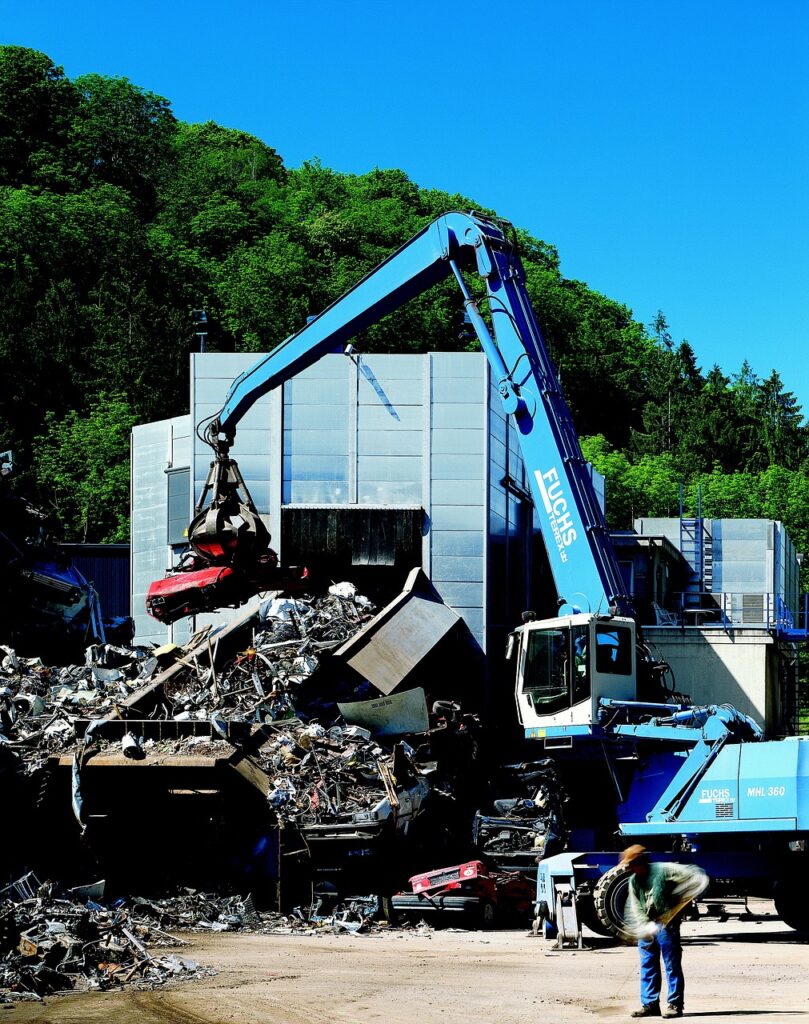
Handling scrap metal may seem simple at first. You collect unwanted materials, load them, and send them for recycling. However, many people make small mistakes that reduce the value of their scrap or create unnecessary safety risks. Learning about these common errors helps you work smarter and enjoy a smoother recycling experience.
Whether you recycle household items, construction equipment, factory machinery, or marine vessels, careful handling makes a big difference. A little preparation can protect valuable metals, improve safety, and speed up the recycling process. Working with a trusted metal recycling service also helps you avoid costly mistakes while maximizing the value of your materials.
The good news is that most handling errors are easy to prevent. You only need good habits, careful planning, and a little attention to detail.
Mixing Different Metals Together
One of the most common mistakes is mixing different metals into one pile.
Steel, copper, aluminum, brass, stainless steel, and bronze all have different recycling values. When these materials become mixed, sorting takes longer and may reduce the overall value of your load.
You can save time by separating metals before collection.
Use separate containers or clearly marked piles for each metal type.
Even simple sorting makes inspections much easier for recycling teams.
Clean, organized materials also move through processing more quickly.
A professional metal recycling service appreciates well-sorted loads because they improve efficiency from the very beginning.
Leaving Non-Metal Materials Attached
Many people deliver scrap with plastic, rubber, wood, glass, or fabric still attached.
These materials create extra work during processing.
They also increase the chance of contamination.
For example, copper wire covered with unnecessary materials may require additional preparation before recycling.
Steel beams with large wooden sections attached also slow down inspections.
Whenever possible, remove non-metal items before collection.
This simple effort improves recycling quality while helping buyers evaluate your materials more accurately.
Clean scrap almost always creates a better first impression.
Ignoring Safety During Handling
Safety should never become an afterthought.
Heavy metal pieces can shift unexpectedly during lifting.
Sharp edges may cause cuts without proper protective equipment.
Old machinery sometimes contains hazardous fluids or damaged components.
Wear gloves, safety boots, eye protection, and suitable clothing whenever handling scrap.
Use lifting equipment for heavy materials instead of relying only on manual effort.
Following basic safety practices protects both you and everyone working nearby.
No recycling project should compromise personal safety.
Storing Scrap Improperly
Where you store scrap before collection also matters.
Leaving valuable metals exposed to standing water may increase corrosion over time.
Loose materials scattered across the ground become harder to organize later.
Store different metals in dry, clearly marked areas whenever possible.
Keep walkways clear to reduce trip hazards.
Organized storage also makes loading much faster on collection day.
A tidy work area improves both safety and productivity.
Good storage habits save valuable time throughout the recycling process.
Forgetting to Remove Hazardous Materials
Some equipment contains substances requiring special handling.
Construction machinery, vehicles, generators, and industrial equipment often contain fuel, engine oil, hydraulic fluid, batteries, and coolant.
Leaving these materials inside equipment creates unnecessary environmental risks.
Hazardous substances should be removed using approved procedures before recycling begins.
Professional teams understand how to handle these materials safely.
Working with an experienced metal recycling service helps ensure environmental regulations are followed throughout the project.
Responsible preparation benefits both people and the environment.
Using Incorrect Lifting Methods
Oversized scrap requires careful lifting.
Trying to move heavy materials without suitable equipment creates unnecessary danger.
Chains, slings, cranes, forklifts, and lifting hooks should match the weight of each load.
Improper lifting may damage valuable materials or cause serious injuries.
Always inspect lifting equipment before use.
Ensure loads remain balanced throughout transportation.
Good lifting practices protect workers while reducing equipment damage.
Careful planning always produces safer results.
Skipping Equipment Inspections
Many recycling projects begin without inspecting the materials properly.
This mistake often creates delays later.
Inspect scrap before collection to identify valuable metals, reusable parts, and possible hazards.
Look for copper wiring, aluminum components, stainless steel sections, brass fittings, and bronze parts.
Also check for damaged structures or unstable loads.
A detailed inspection allows better planning before transportation begins.
Knowing exactly what you have improves communication with recycling companies and buyers.
Poor Transportation Preparation
Loading scrap carelessly can create many problems during transportation.
Loose materials may shift while traveling.
Oversized equipment may require special permits or transport arrangements.
Secure every load using suitable straps, chains, or supports.
Double-check weight distribution before the vehicle leaves the site.
Remove loose parts that could fall during transport.
Proper preparation protects valuable materials while improving road safety.
Careful loading also speeds up unloading at the recycling facility.
Ignoring Documentation
Paperwork may seem less exciting than handling machinery, but it remains important.
Ownership records, equipment lists, maintenance histories, and inspection reports all support smoother transactions.
Large industrial equipment often requires additional documentation before collection.
Keeping everything organized saves valuable time.
Accurate records also build confidence between buyers and sellers.
Professional documentation reduces misunderstandings while simplifying negotiations.
Being prepared demonstrates professionalism throughout the recycling process.
Waiting Too Long to Recycle
Some people leave unused machinery or scrap sitting for years.
Exposure to weather gradually reduces equipment condition.
Corrosion may spread, reusable parts may deteriorate, and storage space becomes limited.
Recycling materials promptly helps preserve their value.
It also frees valuable working space for future projects.
Delaying recycling rarely improves market value.
Taking action sooner often creates better opportunities.
A dependable metal recycling service can help evaluate your materials before unnecessary deterioration occurs.
Small Improvements Create Big Results
Avoiding common scrap handling errors is easier than many people expect. Simple habits like sorting metals, removing non-metal materials, using safe lifting methods, and preparing equipment properly all improve recycling results.
Every step you take before collection helps protect valuable materials while making work easier for recycling teams. Good preparation also creates smoother inspections, safer transportation, and faster processing once materials arrive at the recycling facility.
Working with a trusted metal recycling service gives you access to experienced professionals who understand every stage of responsible recycling. Their guidance helps you avoid costly mistakes while recovering the maximum value from your scrap.
The next time you prepare materials for recycling, remember that success often comes from paying attention to the small details. Careful handling protects your investment, supports safer working conditions, and helps valuable metals return to productive use instead of becoming unnecessary waste. Those simple improvements make every recycling project more rewarding for everyone involved.
Keeping Accurate Scrap Records
Keeping accurate scrap records may not sound exciting, but it can make a huge difference to your recycling success. Good records help you understand what you own, where it came from, and how much value it holds. They also make every transaction smoother, whether you are selling a few tons of scrap or managing a large industrial recycling project.
Many people focus only on collecting scrap. However, successful recyclers know that organized records are just as important. A few simple notes today can prevent confusion tomorrow. They also save time when buyers ask questions or when inspections take place.
Whether you recycle construction equipment, marine vessels, factory machinery, or household metals, accurate records help you stay organized. Working with a reliable metal recycling service becomes much easier when your information is complete and easy to understand.
Start with a Simple Inventory
Every good record begins with a complete inventory.
Create a list of every major scrap item you plan to recycle. Include the type of metal, estimated weight, and current condition.
Separate your inventory into categories such as steel, copper, aluminum, brass, stainless steel, and other recyclable metals.
If your project involves machinery, list each machine separately. Include the model, serial number, and any major components that remain attached.
A simple spreadsheet or notebook works perfectly for many projects.
Updating your inventory regularly helps you keep track of new materials as they arrive.
An organized inventory also allows buyers to review your scrap before visiting the site.
Record Weights and Quantities
Knowing how much scrap you have improves every stage of the recycling process.
Use reliable scales whenever possible to record accurate weights.
If weighing equipment is unavailable, estimate quantities carefully until exact measurements become possible.
Record the number of machines, steel beams, pipes, tanks, or other major items.
Large recycling projects often involve hundreds of separate pieces.
Detailed quantity records reduce confusion during inspections and negotiations.
They also help buyers prepare transportation equipment before collection.
The more accurate your records, the fewer surprises everyone faces later.
Take Clear Photographs
Pictures often explain more than written descriptions.
Take photographs from several different angles before collection begins.
Capture wide images showing the overall condition and close-up photos highlighting important details.
Photograph identification plates, damaged areas, valuable components, and unusual features.
Keep these images together with your written records.
Updated photographs help buyers evaluate materials without making repeated site visits.
They also provide useful documentation if questions arise later.
Good photographs build confidence throughout the transaction.
Keep Ownership Documents Safe
Proper documentation plays an important role during recycling.
Store ownership certificates, purchase receipts, registration papers, maintenance records, and inspection reports in one secure location.
For marine vessels, include registration documents and previous service records.
For construction machinery, retain equipment manuals and maintenance histories whenever available.
These documents help confirm ownership and simplify negotiations.
They also reduce delays during inspections and collection.
Being organized demonstrates professionalism while helping build trust with buyers.
Track Material Movement
Scrap projects often involve materials arriving and leaving at different times.
Keep a simple record whenever new scrap enters your storage area.
Also record when materials leave for transportation or recycling.
Include collection dates, quantities, buyer information, and transport details.
Tracking movement helps prevent misplaced materials.
It also improves inventory accuracy throughout the project.
If several people manage the same site, these records become even more valuable.
Everyone stays informed about current stock levels.
Monitor Metal Types Carefully
Different metals have different recycling values.
Keeping separate records for each metal type improves organization.
Record steel, copper, aluminum, brass, stainless steel, bronze, and lead individually whenever possible.
If equipment contains mixed materials, make notes about each major metal.
This information helps buyers estimate recycling value more accurately.
It also supports faster inspections once collection begins.
A professional metal recycling service appreciates detailed metal records because they simplify grading and processing.
Careful organization benefits both buyers and sellers.
Record Equipment Condition
Not every piece of equipment arrives in the same condition.
Some machines still contain reusable parts.
Others are ready for complete dismantling.
Record missing components, visible damage, corrosion, or structural concerns.
Also note valuable equipment such as engines, hydraulic pumps, generators, or electrical systems.
These details help buyers understand exactly what they are purchasing.
Clear descriptions reduce misunderstandings during negotiations.
Honest records create stronger business relationships.
Keep Financial Records Organized
Financial records are just as important as inventory records.
Keep copies of quotations, invoices, payment receipts, transportation costs, and inspection fees.
Record the prices received for different metal types.
Comparing previous sales helps you understand changing market conditions.
Good financial records also simplify budgeting for future recycling projects.
You can quickly identify which materials delivered the best returns.
Organized finances support smarter business decisions over time.
Small details often reveal valuable insights.
Use Digital Tools When Possible
Modern technology makes record keeping easier than ever.
Simple spreadsheet software helps organize inventories, weights, and financial information.
Cloud storage protects important documents from accidental loss.
Mobile phones allow you to photograph materials instantly.
Digital folders make it easy to share information with buyers.
You can also update records from almost anywhere.
Even small recycling businesses benefit from digital organization.
Technology saves time while improving accuracy.
Review Records Regularly
Creating records is only the beginning.
Review them regularly to ensure everything remains accurate.
Update weights after new deliveries.
Remove sold materials from your inventory.
Replace old photographs if equipment conditions change.
Correct any errors as soon as you notice them.
Regular reviews help prevent outdated information from causing confusion.
Fresh records keep everyone working with the latest information.
Consistency makes your entire recycling operation more efficient.
Good Records Build Better Recycling Projects
Keeping accurate scrap records may seem like a small task, but it creates lasting benefits. Organized information helps you understand your inventory, communicate with buyers, and manage projects with greater confidence. It also reduces delays while supporting smoother inspections and transportation.
Whether you recycle construction machinery, factory equipment, marine vessels, or demolition materials, accurate records improve every stage of the process. Clear inventories, photographs, ownership documents, and financial records all contribute to successful recycling projects.
Working with a dependable metal recycling service becomes much easier when your information is complete and well organized. Buyers appreciate clear records because they simplify inspections, speed up negotiations, and reduce unnecessary questions.
The next time you prepare scrap for recycling, spend a little extra time organizing your records. That simple habit helps protect your investment, improves communication, and supports more successful recycling projects. In the long run, good record keeping is just as valuable as the metals you recycle.
Meeting Recycling Standards
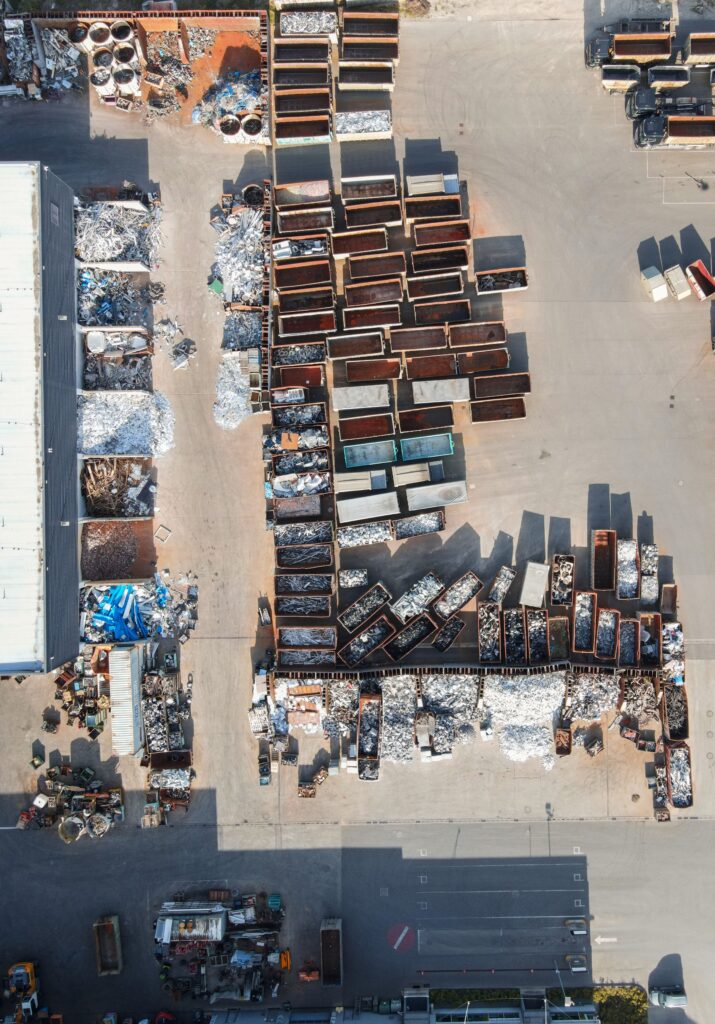
Recycling does much more than clear unwanted metal from your property. It helps protect natural resources, reduces landfill waste, and supports manufacturers with quality recycled materials. None of this happens by chance. Every successful recycling project follows important standards that guide how materials are collected, sorted, handled, and processed.
Meeting recycling standards may sound technical, but the basic ideas are simple. You prepare your scrap carefully, keep people safe, protect the environment, and provide accurate information. These small actions create better results for everyone involved.
Whether you recycle construction machinery, factory equipment, demolition materials, or marine vessels, following proper standards improves every stage of the process. A trusted metal recycling service can also help you meet these expectations while making recycling easier and more rewarding.
Identify and Separate Metals Correctly
The first recycling standard starts with proper identification.
Different metals should never be treated the same because each one follows its own recycling process. Steel, copper, aluminum, brass, stainless steel, bronze, and lead all have different values and handling requirements.
Take time to separate your materials before collection. Even basic sorting saves valuable time later.
Use clearly labeled containers or storage areas for each metal type whenever possible.
A simple magnet helps identify many steel items quickly.
Visual inspection also helps you recognize different colors and textures.
Proper separation improves recycling quality while helping buyers evaluate your materials more accurately.
Good organization creates a smoother recycling experience from beginning to end.
Remove Contaminants Before Collection
Clean scrap always performs better during recycling.
Plastic, rubber, glass, wood, insulation, fabric, and dirt reduce recycling efficiency when left attached to metal.
Removing these materials before collection improves processing speed.
It also reduces unnecessary work for recycling teams.
For example, clean copper wire usually requires less preparation than insulated wire with extra materials attached.
Likewise, steel beams without concrete or timber move through inspections much faster.
Preparing clean materials demonstrates professionalism while supporting higher-quality recycled products.
A reliable metal recycling service appreciates clean scrap because it simplifies every processing stage.
Handle Hazardous Materials Responsibly
Some scrap contains materials requiring extra care.
Construction machinery, industrial equipment, generators, and marine vessels often contain engine oil, hydraulic fluid, fuel, coolant, batteries, and chemicals.
These materials should be removed before dismantling begins.
Professional handling protects workers and prevents environmental damage.
Hazardous waste should never be poured onto the ground or into drainage systems.
Instead, use approved disposal methods that follow local environmental regulations.
Responsible recycling protects nearby communities while preserving natural resources.
Every safe decision contributes to a cleaner environment.
Make Safety Your Daily Priority
Safety remains one of the most important recycling standards.
Wear gloves, safety boots, helmets, eye protection, and suitable clothing whenever handling heavy materials.
Inspect lifting equipment before every use.
Never overload cranes, forklifts, chains, or lifting slings.
Keep work areas tidy to reduce slips and trips.
Use proper lifting techniques instead of relying only on physical strength.
Communicate clearly with everyone working nearby.
Simple safety habits reduce accidents while improving productivity.
Protecting people should always come before protecting materials.
Maintain Accurate Records
Good recycling projects rely on accurate information.
Create a simple inventory listing the materials you plan to recycle.
Record estimated weights, quantities, and metal types.
Take photographs before collection begins.
Keep ownership documents, maintenance records, and inspection reports together.
Update your records whenever materials arrive or leave your storage area.
Accurate documentation speeds up inspections and buyer evaluations.
It also reduces misunderstandings during negotiations.
Well-organized records create confidence throughout the recycling process.
Protect the Environment at Every Step
Environmental care is a major part of responsible recycling.
Prevent spills by draining fuel and fluids before transporting machinery.
Store hazardous materials safely until proper disposal becomes possible.
Reduce dust whenever dismantling large equipment.
Separate reusable parts before processing the remaining materials.
Every recovered component reduces unnecessary waste.
Recycling valuable metals also lowers the demand for newly mined resources.
Choosing an experienced metal recycling service supports environmentally responsible recycling from collection to final processing.
Your recycling decisions can make a lasting positive impact.
Inspect Materials Before Collection
Taking time to inspect your scrap improves project quality.
Look for reusable components before dismantling begins.
Identify valuable metals hidden inside machinery or equipment.
Check for unstable structures that may require additional support during loading.
Inspect storage areas for contamination or safety hazards.
Early inspections allow problems to be corrected before collection day.
Good preparation creates smoother transportation and faster processing.
Professional inspections also help buyers prepare suitable equipment for collection.
Communicate Clearly with Buyers
Strong communication keeps recycling projects moving forward.
Provide honest descriptions of your materials from the beginning.
Share photographs, measurements, and inventory lists whenever possible.
Answer buyer questions quickly and accurately.
Inform buyers immediately if project conditions change.
Professional communication builds trust while reducing confusion.
Reliable buyers appreciate organized sellers because transactions become much easier.
Clear communication often creates stronger long-term business relationships.
Simple conversations prevent many avoidable problems.
Continue Improving Your Recycling Knowledge
The recycling industry continues changing as technology improves.
Modern equipment recovers more materials while reducing environmental impact.
New regulations also encourage cleaner recycling practices.
Take time to learn about these developments.
Read industry news, attend training events, and speak with experienced recycling professionals.
Every new skill helps improve future recycling projects.
Knowledge allows you to identify valuable opportunities while avoiding common mistakes.
Continuous learning supports both personal growth and business success.
Good Standards Build a Stronger Recycling Future
Meeting recycling standards is not about making the process complicated. It is about creating better results through simple, consistent habits. Clean materials, careful sorting, safe handling, accurate records, and responsible environmental practices all work together to improve recycling quality.
Whether you recycle heavy machinery, factory equipment, construction materials, marine vessels, or household scrap, following these standards helps every project run more smoothly. Buyers gain confidence, workers stay safer, and valuable metals return to manufacturing in excellent condition.
Working with a professional metal recycling service provides additional support throughout every stage of the process. Experienced teams understand industry standards and help ensure your materials are handled responsibly.
The next time you prepare scrap for recycling, remember that small improvements often produce the biggest rewards. Every careful decision helps protect people, preserve valuable resources, strengthen business relationships, and build a cleaner future where recycled metals continue serving industries around the world.
Finding Trusted Recycling Partners
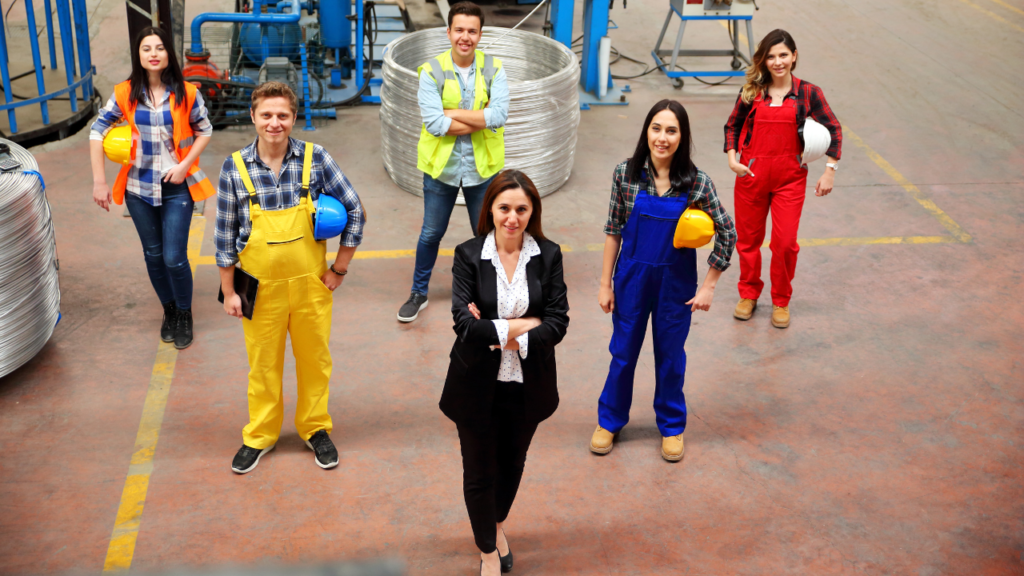
Choosing the right recycling partner can make your entire recycling project easier and more rewarding. Whether you are recycling construction machinery, factory equipment, marine vessels, demolition materials, or household scrap, working with the right company gives you confidence from the beginning. A trusted partner helps protect your investment while ensuring valuable metals are handled responsibly.
Many recycling projects involve large amounts of valuable materials. That is why selecting the right company deserves careful attention. A reliable partner offers clear communication, honest advice, fair pricing, and professional support throughout the process.
Finding the right metal recycling service is not simply about accepting the first offer you receive. It is about building a relationship with professionals who value quality, safety, and long-term trust.
Look for Experience and Industry Knowledge
Experience matters in every recycling project.
Companies with many years of industry experience often understand different types of scrap more thoroughly.
They know how to handle construction machinery, industrial equipment, marine vessels, factory assets, and demolition materials safely.
Experienced teams also recognize valuable metals that others may overlook.
Their knowledge helps maximize material recovery while reducing unnecessary waste.
Do not hesitate to ask about previous projects.
Experienced recycling professionals are usually happy to explain how they manage different types of materials.
Strong industry knowledge often leads to smoother recycling projects.
Check the Company’s Reputation
A good reputation is earned through consistent service.
Before choosing a recycling partner, spend time learning about the company’s history.
Read customer reviews and testimonials whenever possible.
Ask previous customers about their experiences.
Reliable companies build trust by honoring agreements and communicating honestly.
They also respond professionally when challenges arise.
A company with satisfied customers usually values long-term relationships over quick transactions.
Choosing a respected metal recycling service gives you greater confidence throughout the recycling process.
Reputation remains one of the strongest indicators of reliability.
Evaluate Communication Skills
Good communication keeps recycling projects moving smoothly.
Reliable partners answer questions clearly and promptly.
They explain pricing, inspections, transportation, and payment procedures in simple language.
Professional companies also provide regular updates during the project.
If schedules change, they inform you quickly.
Clear communication reduces misunderstandings while building stronger working relationships.
You should always feel comfortable asking questions before making important decisions.
A trustworthy recycling partner values openness throughout every stage of the project.
Strong communication creates confidence for everyone involved.
Confirm Safe Working Practices
Safety should always remain a top priority.
Ask potential recycling partners about their safety procedures.
Professional companies provide protective equipment for workers and maintain their machinery regularly.
They inspect lifting equipment before use and follow safe handling procedures during collection.
Hazardous materials receive careful attention according to environmental regulations.
Safe workplaces protect employees, customers, and nearby communities.
Choosing a company with strong safety standards demonstrates responsible business practices.
Good safety habits also reduce unnecessary delays during recycling projects.
Review Environmental Responsibility
Modern recycling should protect both valuable resources and the environment.
Ask how the company manages hazardous materials.
Learn how they dispose of oils, chemicals, batteries, and other controlled waste.
Responsible recyclers recover reusable parts whenever possible.
They also sort materials carefully to improve recycling efficiency.
Environmental responsibility extends beyond following regulations.
It reflects a genuine commitment to sustainable recycling practices.
A dependable metal recycling service understands that protecting nature is part of delivering excellent customer service.
Responsible companies help create cleaner communities for everyone.
Compare Services, Not Only Prices
Price is important, but it should never be your only consideration.
Some companies include transportation, loading, inspections, and documentation within their quotations.
Others charge separately for these services.
Compare complete service packages before making your decision.
A slightly higher quotation may provide greater overall value.
Reliable service often saves money by preventing delays and unexpected costs.
Take time to understand exactly what each company offers.
Well-informed decisions usually produce better long-term results.
Ask About Equipment and Technology
Modern recycling depends on reliable equipment.
Professional companies invest in cranes, forklifts, hydraulic shears, balers, shredders, and weighing systems.
Well-maintained equipment improves efficiency while reducing safety risks.
Advanced technology also helps recover valuable metals more accurately.
Companies using modern systems often complete projects faster without sacrificing quality.
Good equipment demonstrates a commitment to professional service.
It also reflects ongoing investment in improving recycling operations.
Reliable technology supports smoother handling from collection through final processing.
Build Long-Term Relationships
Finding one excellent recycling partner creates opportunities for future projects.
Long-term relationships improve communication because both sides understand each other’s expectations.
Trusted partners often respond more quickly when new recycling opportunities arise.
They also become familiar with your preferred working style.
Strong relationships encourage honesty, reliability, and mutual respect.
Repeat business benefits everyone involved.
Over time, your recycling partner becomes more than a service provider.
They become a valuable business connection supporting future growth.
Look for Transparency
Transparency builds trust from the first conversation.
Reliable companies explain how materials are weighed, sorted, and priced.
They provide clear documentation for every transaction.
Professional recyclers also welcome reasonable inspections before agreements are finalized.
Honest companies never hide important information.
Instead, they encourage open discussions throughout the project.
Transparency creates confidence while reducing misunderstandings.
Working with an open and honest metal recycling service makes every transaction feel more comfortable.
Trust grows when everyone understands the process.
Choose a Partner That Shares Your Goals
Every recycling project has different priorities.
Some owners focus on recovering maximum value.
Others emphasize environmental responsibility or efficient project completion.
The best recycling partner understands your goals and works to achieve them.
Good companies adapt their services to meet different customer needs.
They provide practical advice while helping you make informed decisions.
Shared goals create stronger partnerships and better project outcomes.
Working together becomes easier when everyone moves toward the same objectives.
Strong Partnerships Create Better Recycling
Finding trusted recycling partners takes a little time, but the rewards are well worth the effort. Experienced companies provide reliable advice, honest communication, professional handling, and responsible recycling practices that benefit every project.
Whether you recycle construction equipment, industrial machinery, marine vessels, demolition materials, or household scrap, choosing the right partner improves every stage of the process. Strong relationships reduce stress, increase efficiency, and create better recycling outcomes.
A dependable metal recycling service does much more than collect unwanted metal. It becomes a trusted advisor, helping you recover valuable materials while protecting people and the environment.
The next time you begin a recycling project, invest time in finding the right partner. A company that values honesty, safety, quality, and long-term relationships will help you achieve better results today and create opportunities for successful recycling projects in the future.