
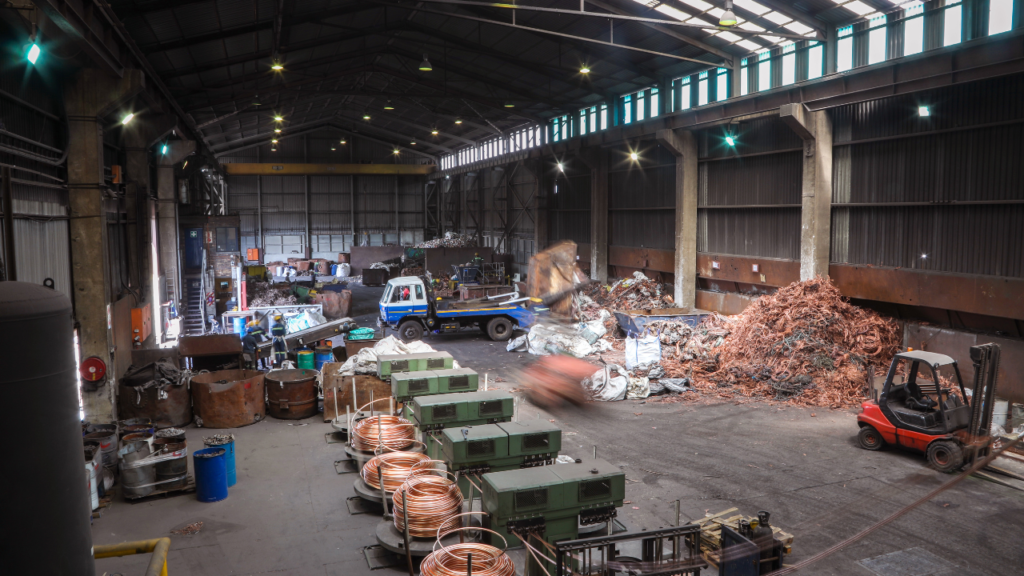
Copper has earned a strong reputation as one of the world’s most valuable recyclable metals. You can find it almost everywhere today. It powers homes, supports factories, connects communication systems, and keeps vehicles running efficiently. Even after years of use, copper still keeps many of its valuable properties. That makes copper metal recycling one of the smartest ways to recover valuable resources instead of wasting them.
Unlike many materials, copper does not lose its quality during recycling. You can recycle it repeatedly without reducing its performance. This makes it attractive to manufacturers who need dependable materials for new products. It also helps businesses lower production costs while protecting natural resources.
As industries continue expanding, the demand for copper keeps growing every year. New technologies require more wiring, electrical equipment, renewable energy systems, and electric vehicles. Because of this steady demand, recycled copper remains highly desirable across global markets. Whether you own industrial scrap or simply collect household materials, recycled copper continues offering excellent value.
Copper Keeps Its Quality Again and Again
One reason copper stays valuable is its remarkable ability to maintain its quality after recycling. You never have to worry about recycled copper becoming weaker or less useful. Every recycling cycle produces material that performs almost like newly mined copper.
This unique characteristic makes manufacturers confident when buying recycled copper. They know they are getting reliable material that meets industry requirements. It also reduces the need for expensive mining activities that consume energy and natural resources.
For you, this means discarded copper still carries significant value. Old electrical cables, plumbing pipes, roofing sheets, transformers, and industrial equipment can become useful raw materials again. Instead of ending up in landfills, these materials return to production lines through copper metal recycling.
The recycling process also requires much less energy than producing copper from newly mined ore. Lower energy use means lower production costs and reduced environmental impact. It truly becomes a win for businesses, communities, and the environment.
Growing Demand Keeps Copper Prices Strong
Global demand plays another important role in keeping copper valuable. Every year, more countries invest in infrastructure, renewable energy, telecommunications, and transportation projects. Nearly every one of these industries depends heavily on copper.
Electric vehicles use much more copper than traditional gasoline vehicles. Solar farms, wind turbines, charging stations, and battery storage systems also require large amounts of copper. As these industries continue growing, recycled copper becomes even more important.
Construction projects create another major source of demand. Buildings require copper for electrical wiring, plumbing systems, heating equipment, and communication networks. Every new home, office, hospital, or factory increases the need for copper products.
Because demand stays strong across many industries, recycled copper often enjoys competitive market prices. This creates opportunities for scrap owners, recyclers, exporters, and manufacturers alike. Through responsible copper metal recycling, valuable materials continue supporting modern economies.
Copper Supports a Cleaner and Greener Future
You probably hear people discussing sustainability more often today. Copper recycling fits perfectly into those conversations because it supports environmental protection without sacrificing industrial growth.
Mining new copper requires digging large areas, consuming fuel, and processing enormous quantities of ore. Recycling existing copper avoids much of this environmental impact. It reduces greenhouse gas emissions while conserving valuable natural resources.
Every kilogram of recycled copper helps reduce waste entering landfills. It also limits the demand for new mining operations. These environmental benefits make recycling attractive for governments, manufacturers, and environmentally conscious businesses.
Many companies now include recycled copper in their sustainability goals. Customers increasingly appreciate businesses that reduce waste while supporting responsible manufacturing. That growing awareness keeps recycled copper highly desirable around the world.
When you choose copper metal recycling, you contribute to a circular economy where valuable materials stay in use instead of becoming waste. Small recycling efforts can create meaningful environmental improvements over time.
Copper Is Found in More Places Than You Think
One reason copper recycling continues growing is simple. Copper exists in countless everyday products. Many people overlook valuable copper because they never realize where it hides.
Electrical wiring contains large amounts of copper. Plumbing systems often use copper pipes because they resist corrosion. Air conditioners, generators, transformers, motors, household appliances, and industrial machinery also contain valuable copper components.
Construction and demolition projects frequently recover large quantities of copper materials. Old factories, commercial buildings, and industrial plants become excellent sources during renovation or demolition work.
Manufacturing companies also generate copper scrap during production processes. Even small leftover pieces can become valuable when collected properly. Instead of treating these materials as waste, businesses increasingly view them as profitable recycling assets.
This widespread availability ensures a consistent supply for recycling facilities worldwide. As more people recognize copper’s value, collection and recovery rates continue improving.
Global Recycling Creates Business Opportunities
The global recycling industry depends heavily on reliable copper supplies. Buyers constantly search for quality copper scrap that meets their production needs. This creates opportunities for businesses that can connect suppliers with serious buyers.
Industrial plant owners, demolition contractors, marine recyclers, and manufacturing companies often possess significant quantities of recoverable copper. Finding trustworthy buyers helps maximize the value of these materials.
Companies that specialize in connecting scrap owners with verified international buyers help simplify these transactions. Reliable market connections improve transparency while supporting efficient recycling across borders.
As international demand continues growing, businesses involved in copper metal recycling benefit from expanding market opportunities. Whether dealing with local recycling yards or overseas buyers, quality copper remains highly sought after.
Good communication, proper documentation, and verified partnerships also help create smoother transactions. These factors build confidence between sellers and buyers while encouraging long-term business relationships.
Copper Recycling Benefits Everyone
Copper remains one of the most valuable recyclable metals because it combines economic value with environmental responsibility. It delivers consistent performance, supports growing industries, and reduces pressure on natural resources.
You benefit by recovering value from materials that might otherwise become waste. Manufacturers benefit from dependable raw materials that lower production costs. Communities benefit through reduced landfill waste and cleaner environments.
The future looks bright for copper recycling because global demand continues expanding across multiple industries. Renewable energy, electric transportation, modern construction, and advanced technology will keep driving copper consumption for many years.
That is why copper metal recycling continues attracting attention from businesses, governments, and environmental organizations worldwide. It supports profitable business opportunities while helping build a more sustainable future.
As the recycling industry continues evolving, copper will remain one of its strongest success stories. Its lasting quality, worldwide demand, and environmental advantages ensure it will continue creating value for generations to come.
Hidden Copper Found in Scrap Marine Vessels
Many people think old ships only contain large amounts of steel. That idea is understandable, but it misses an important opportunity. Scrap marine vessels also contain valuable copper hidden throughout their structure and equipment. If you look closely, you will discover that copper plays a major role in keeping ships operating safely and efficiently.
As ships reach the end of their working lives, they become valuable sources of recyclable materials. While steel often receives the most attention, copper remains one of the most rewarding metals to recover. Every recovered kilogram helps reduce waste while creating additional income for recyclers and vessel owners.
You may be surprised by how much copper hides inside different parts of a ship. Electrical systems, communication equipment, engines, pumps, generators, and cooling systems all rely on copper components. These valuable materials continue serving useful purposes long after the vessel stops sailing.
This is why copper metal recycling has become an important part of responsible ship recycling. Recovering copper supports the environment while increasing the overall value of every marine recycling project.
Copper Is Hidden Throughout Every Vessel
Copper is not stored in one single place on a ship. Instead, it appears throughout many systems that work together every day. This makes careful dismantling extremely important during recycling operations.
Electrical wiring contains some of the largest quantities of copper. Modern ships use thousands of meters of electrical cables to power equipment, lighting, navigation systems, and communication devices. These cables remain valuable even after years of service.
Generators and electric motors also contain significant amounts of copper windings. These components help convert electrical energy into mechanical power. Once removed correctly, the copper inside can enter the recycling stream without losing quality.
Transformers, switchboards, and control panels contain additional copper that often goes unnoticed. Skilled recycling teams know how to recover these materials safely and efficiently.
Copper also appears inside pumps, compressors, refrigeration units, and air conditioning systems. These systems keep vessels comfortable while supporting daily operations at sea. Even after retirement, they continue offering valuable recyclable materials.
By identifying these hidden sources, recycling companies can recover more value from every vessel. This makes copper metal recycling an essential part of modern ship dismantling.
Engine Rooms Hold Valuable Copper
The engine room is often called the heart of a ship. It also happens to contain many valuable copper components waiting for recovery.
Large marine engines include electrical systems with extensive copper wiring. Starters, alternators, sensors, and control equipment all depend on copper for reliable performance. Although these parts eventually wear out, the copper inside remains highly valuable.
Heat exchangers frequently contain copper or copper alloys because they transfer heat efficiently. Cooling systems use these materials to maintain safe operating temperatures throughout long voyages.
Some vessels also contain copper pipes within cooling and hydraulic systems. These pipes resist corrosion while performing well in demanding marine environments. After dismantling, they become excellent candidates for recycling.
Electric pumps and motor-driven machinery provide even more copper recovery opportunities. Each piece may contain small amounts individually, but together they create impressive recycling value.
Careful inspection allows recycling teams to recover these hidden materials before processing larger metal sections. This thoughtful approach increases profits while reducing unnecessary waste.
Navigation and Communication Systems Add More Value
Modern ships depend on advanced technology to navigate safely across oceans. Many of these systems contain copper because of its excellent electrical conductivity.
Navigation equipment uses copper wiring to connect sensors, displays, radar systems, and onboard computers. Communication systems also rely heavily on copper cables to transmit information throughout the vessel.
Control panels include copper connectors, terminals, switches, and electrical circuits. These smaller components may seem insignificant alone, yet they contribute meaningful value when collected together.
Emergency systems also contain copper wiring that supports alarms, lighting, backup power, and safety equipment. Every recovered section adds another piece to the overall recycling process.
Because copper performs so well under demanding conditions, shipbuilders continue using it in critical electrical applications. This means older vessels remain valuable sources even decades after construction.
Responsible copper metal recycling ensures these materials continue supporting new industries instead of becoming unnecessary waste.
Responsible Recycling Protects the Environment
Recovering copper from scrap marine vessels offers more than financial rewards. It also creates important environmental benefits that help future generations.
Mining new copper requires significant energy and natural resources. Recycling existing copper reduces the need for additional mining while lowering greenhouse gas emissions.
Every recycled copper cable, motor winding, or heat exchanger helps conserve valuable resources. This supports global efforts to reduce industrial waste and encourage sustainable manufacturing.
Proper ship dismantling also prevents useful materials from ending up in landfills. Instead of discarding valuable components, recycling gives them a second life in new products.
Many manufacturers actively purchase recycled copper because its quality remains excellent after processing. This creates steady demand that supports responsible recycling practices worldwide.
When you support copper metal recycling, you help create cleaner industries while reducing pressure on natural ecosystems.
Hidden Copper Increases Vessel Recycling Value
Many ship owners focus first on the steel value of retired vessels. However, recovered copper often provides an important boost to overall project returns.
Copper usually commands higher prices than many other recyclable metals. Even moderate quantities can significantly increase the total value recovered from a dismantled vessel.
Professional recycling companies understand where valuable copper components are located. Their experience allows them to recover more material without damaging reusable parts.
Accurate material assessments also help buyers estimate the true value of marine recycling projects. Knowing where copper is located improves planning before dismantling begins.
For vessel owners, understanding hidden copper creates better expectations during negotiations. For buyers, it helps calculate more accurate recycling costs and potential returns.
These advantages make careful material recovery an important part of every successful marine recycling project.
Global Demand Keeps Copper Recovery Important
The worldwide demand for copper continues growing every year. Renewable energy projects, electric vehicles, construction, and manufacturing all require dependable copper supplies.
Because demand remains strong, recycled copper plays an increasingly important role in global supply chains. Ship recycling contributes valuable materials that support these expanding industries.
International buyers often search for reliable sources of quality recycled copper. Marine recycling yards help meet this demand by recovering valuable materials from retired vessels.
Companies that connect verified buyers with vessel owners also help improve recycling efficiency. Strong partnerships encourage responsible recovery while supporting international trade.
As more ships reach retirement age, opportunities for copper metal recycling will continue increasing. Every vessel represents another chance to recover valuable materials that support future industries.
By recognizing the hidden copper inside scrap marine vessels, you gain a better understanding of their true recycling potential. Beyond the steel hull lies a collection of valuable components ready for a second life. Careful recovery creates economic value, supports sustainable manufacturing, and helps build a cleaner future for the global recycling industry.
How Scrap Owners Connect with Global Buyers
Finding valuable scrap is only the first step in a successful recycling journey. The next challenge is finding serious buyers who appreciate its true value. Many scrap owners have quality materials but struggle to reach reliable international buyers. Without the right connections, excellent opportunities often slip away.
Global trade has made selling recyclable materials much easier than before. Today, you can connect with buyers from different countries without leaving your office. Digital communication, trusted business networks, and professional scrap connectors help bridge the gap between sellers and buyers.
Whether you own industrial scrap, demolition materials, marine vessels, or factory equipment, international buyers continue searching for reliable suppliers. Strong demand creates opportunities for businesses that understand how to build trustworthy relationships.
This is especially important in copper metal recycling, where buyers value consistent quality, accurate information, and dependable supply. By following the right steps, you can reach global markets with greater confidence and improve your chances of securing profitable deals.
Prepare Accurate Information Before Contacting Buyers
The first impression matters in every business transaction. Before contacting buyers, you should organize all available information about your scrap materials. Clear details help buyers understand exactly what you are offering.
Start by identifying the type of scrap you have available. Separate copper from other recyclable metals whenever possible. Buyers appreciate organized inventories because they simplify pricing and planning.
You should also estimate the available quantity. Whether you have several tons or an entire industrial facility, accurate figures help buyers evaluate opportunities quickly.
High-quality photographs make your offer much stronger. Take clear pictures from different angles and include close-up images of important materials. Videos also help buyers understand the condition and size of your inventory.
Location is another important detail. Buyers need to know where the materials are stored and whether transportation will be convenient. Honest information builds confidence from the beginning.
When you prepare complete information, buyers spend less time asking questions. This often leads to faster discussions and smoother negotiations.
Build Trust Through Transparency
Global buyers value trust just as much as competitive pricing. You should always provide honest information about your materials and their condition.
Avoid exaggerating quantities or hiding damaged items. Buyers eventually inspect large shipments before completing transactions. Accurate descriptions help prevent misunderstandings later.
Share available documents whenever possible. Ownership records, inspection reports, photographs, and inventory lists improve buyer confidence. These documents also demonstrate professionalism.
Many buyers appreciate live video calls or virtual inspections before making commitments. Modern technology allows both parties to review materials without immediate travel.
If physical inspection becomes necessary, cooperate with the buyer throughout the process. Open communication creates stronger business relationships that often lead to repeat transactions.
Transparency remains one of the strongest foundations for successful copper metal recycling partnerships around the world.
Use Professional Scrap Connecting Services
Many scrap owners struggle because they cannot reach verified international buyers directly. Professional scrap connectors solve this problem by introducing both parties through trusted business networks.
Instead of spending months searching for buyers, you gain access to established contacts across different countries. These connections save valuable time while reducing unnecessary frustration.
Professional connectors also help qualify potential buyers before introductions take place. This reduces the chances of dealing with unreliable companies or individuals.
Some connecting companies specialize in industrial plants, marine vessels, demolition projects, and factory equipment. Their experience allows them to match the right buyers with suitable opportunities.
Good connectors understand international trade requirements and communication practices. They help simplify discussions while keeping transactions organized.
Using experienced professionals often increases your chances of completing successful deals, especially for large recycling projects involving valuable copper materials.
Understand What Global Buyers Expect
International buyers usually evaluate several factors before making purchasing decisions. Understanding these expectations helps you prepare more competitive offers.
Quality remains one of the highest priorities. Buyers prefer clean, well-separated recyclable materials that require minimal additional processing.
Reliable supply also matters. If you consistently provide quality materials, buyers become more interested in building long-term partnerships.
Competitive pricing attracts attention, but extremely low prices may create unnecessary concerns. Fair pricing supported by accurate information encourages productive negotiations.
Timely communication also makes a positive difference. Responding quickly to emails and messages shows professionalism and respect for potential partners.
Buyers also appreciate flexibility during discussions. Every transaction has unique requirements, so a cooperative attitude often helps both sides reach successful agreements.
These qualities strengthen your reputation within the global copper metal recycling industry and encourage future business opportunities.
Communication Builds Long-Term Partnerships
One successful transaction often opens the door to many more opportunities. That is why maintaining good communication remains extremely important after completing a sale.
Keep buyers informed about future inventory whenever new materials become available. Regular updates help maintain interest and encourage repeat purchases.
Respond politely even when negotiations do not lead to immediate agreements. Today’s unsuccessful discussion may become tomorrow’s successful partnership.
Professional communication also includes honoring commitments. If you promise documents, photographs, or inspection schedules, deliver them as agreed.
Cultural differences sometimes influence international business conversations. Showing patience and respect helps create stronger relationships across different countries.
Long-term partnerships often produce greater benefits than one-time transactions. Trusted buyers frequently recommend reliable suppliers to other companies within their networks.
Technology Makes Global Trading Easier
Modern technology has transformed the recycling industry. Today, you can introduce your materials to buyers across continents within minutes.
Email remains one of the most common communication tools. Clear messages with detailed information allow buyers to evaluate opportunities efficiently.
Video conferencing helps both parties discuss projects face-to-face without expensive travel. Live demonstrations provide additional confidence before formal inspections.
Digital document sharing also speeds up negotiations. Buyers can review inventories, certificates, photographs, and contracts from almost anywhere.
Online marketing platforms and professional websites further increase visibility. They allow scrap owners to showcase available materials to international audiences.
Many companies also use social media and business networking platforms to expand their professional connections. These channels help introduce new opportunities while strengthening existing relationships.
Technology continues making copper metal recycling more accessible for businesses of every size.
Strong Connections Create Better Recycling Opportunities
The global recycling market continues growing as industries search for sustainable material sources. Copper remains one of the most valuable recyclable metals because demand stays consistently high across many sectors.
By preparing accurate information, building trust, and communicating professionally, you place yourself in a stronger position to attract international buyers. Reliable partnerships often lead to repeat business and long-term success.
Working with experienced scrap connectors can also simplify the entire process. They help introduce verified buyers while reducing unnecessary delays and uncertainty.
As global demand for recycled materials continues increasing, businesses that focus on transparency and strong relationships will enjoy greater opportunities. Every successful connection helps valuable materials return to productive use instead of becoming waste.
Whether you manage marine vessels, industrial plants, demolition projects, or factory equipment, building reliable international relationships remains one of the smartest ways to grow. With the right approach, copper metal recycling becomes more than a business activity. It becomes a gateway to global partnerships, sustainable growth, and lasting success in the recycling industry.
Future Trends in Copper Recycling Markets
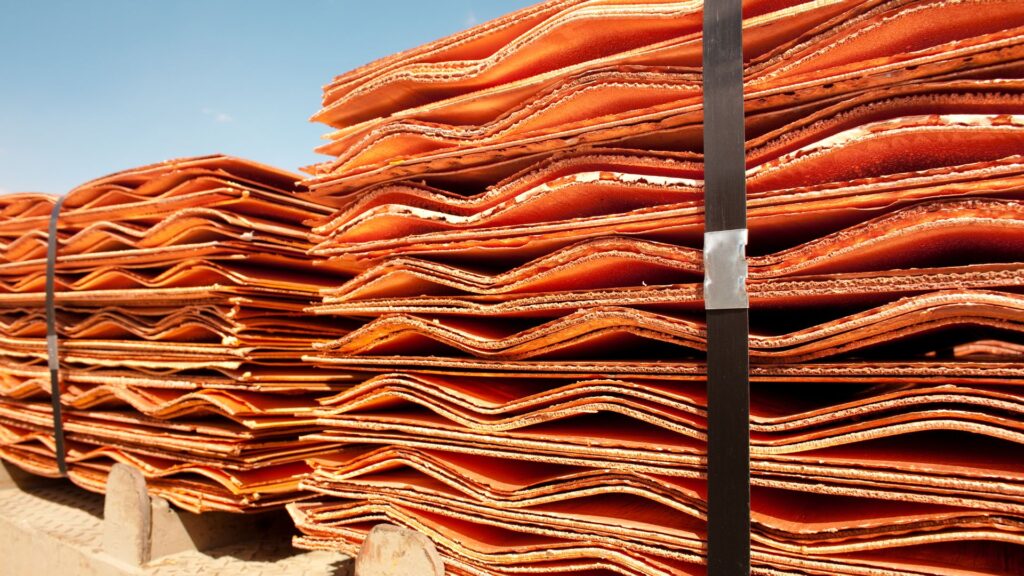
The future of copper recycling looks brighter than ever before. Around the world, industries are searching for smarter ways to reduce waste and protect natural resources. Copper continues leading this movement because it remains valuable after every recycling cycle. As technology grows and demand increases, new opportunities continue appearing across the recycling industry.
You can already see these changes happening in many countries. Manufacturers want reliable recycled materials to lower production costs. Governments encourage recycling through environmental policies and sustainability goals. Investors also recognize the long-term value of recycled metals in a changing global economy.
These developments make copper metal recycling more important than ever. Businesses, scrap owners, recyclers, and international buyers all benefit from a stronger recycling market. As the industry continues evolving, those who stay informed will be better prepared for future opportunities.
Renewable Energy Will Drive Higher Copper Demand
Renewable energy continues expanding across the world. Countries are investing heavily in solar farms, wind power projects, and battery storage systems. Every one of these technologies depends on large amounts of copper.
Solar panels require copper wiring to carry electricity efficiently. Wind turbines use copper inside generators, transformers, and electrical connections. Battery storage facilities also depend on copper components to deliver reliable performance.
As governments work toward cleaner energy, copper demand will continue increasing. Mining alone may not supply enough material to meet future needs. This creates even greater opportunities for recycled copper.
You can expect manufacturers to rely more heavily on recycled materials. They understand that recycled copper offers excellent quality while reducing environmental impact.
This growing demand strengthens the long-term outlook for copper metal recycling. Every recovered cable, motor, and electrical component helps support the clean energy transition.
Electric Vehicles Will Expand Recycling Opportunities
Electric vehicles represent another major force shaping future copper markets. Unlike traditional vehicles, electric models require much larger quantities of copper throughout their systems.
Copper appears inside electric motors, charging systems, batteries, power electronics, and electrical wiring. As more people choose electric transportation, manufacturers will need dependable copper supplies.
Many countries already encourage electric vehicle production through incentives and environmental regulations. Vehicle manufacturers continue expanding factories to meet rising customer demand.
Eventually, older electric vehicles will also become valuable recycling sources. Their electrical systems will contain recoverable copper ready for future manufacturing.
This creates a complete recycling cycle where old vehicles help build new ones. That circular approach supports sustainable production while reducing pressure on natural resources.
For businesses involved in copper metal recycling, electric transportation offers exciting opportunities that could continue growing for decades.
Smart Recycling Technology Is Improving Recovery
Technology continues transforming nearly every industry, including metal recycling. Modern recycling facilities now use advanced equipment to recover more valuable materials with greater accuracy.
Automated sorting systems help separate copper from other recyclable metals. High-speed sensors identify different materials quickly and reduce manual labor.
Artificial intelligence also assists recycling companies by improving material identification. Smart systems analyze scrap more efficiently than many traditional methods.
Robotic equipment makes dismantling safer and faster, especially for complex industrial machinery and electronic waste. Better technology also helps recover smaller copper pieces that were once overlooked.
Digital inventory systems improve tracking throughout the recycling process. Buyers and sellers gain greater confidence because material information becomes easier to verify.
As technology continues improving, copper metal recycling will become even more efficient and profitable for businesses worldwide.
Circular Economy Will Shape Future Markets
The idea of a circular economy continues gaining support across many industries. Instead of throwing materials away, businesses focus on keeping valuable resources in use.
Copper fits perfectly into this approach because it can be recycled repeatedly without losing quality. Every recycling cycle reduces waste while conserving natural resources.
Manufacturers increasingly design products with future recycling in mind. Easier disassembly allows valuable materials to be recovered more efficiently at the end of product life.
Governments also encourage circular economy practices through recycling targets and environmental regulations. These policies help strengthen recycling industries while reducing landfill waste.
Consumers increasingly support companies that demonstrate environmental responsibility. Businesses responding to these expectations often include more recycled materials in their products.
These trends create additional demand for recycled copper while encouraging long-term investment in recycling infrastructure.
Global Trade Will Create New Business Opportunities
Developing countries continue increasing investments in infrastructure, manufacturing, and renewable energy. These industries require reliable copper supplies for continued growth.
Professional scrap connectors help bridge the gap between suppliers and international buyers. Their experience simplifies communication while improving confidence throughout transactions.
Digital marketplaces also allow scrap owners to introduce available materials to global buyers more easily than before. Better communication technologies reduce delays while increasing transparency.
Shipping and logistics continue improving, making international recycling trade more efficient. Although challenges still exist, global cooperation keeps expanding.
These developments create exciting opportunities for companies involved in copper metal recycling, especially those building trusted international partnerships.
Sustainability Will Influence Buying Decisions
Environmental responsibility is becoming an important factor in purchasing decisions. Many manufacturers now evaluate suppliers based on sustainability practices alongside price and quality.
Recycled copper helps companies reduce carbon emissions while conserving valuable natural resources. These environmental advantages improve their reputation among customers and investors.
Many businesses now publish sustainability reports highlighting their use of recycled materials. Customers appreciate companies that actively reduce waste while supporting responsible production.
Large organizations also establish environmental goals requiring greater use of recycled metals. Copper frequently becomes part of these long-term strategies because of its excellent recycling performance.
As sustainability expectations continue growing, responsibly recycled copper will likely become even more desirable across global markets.
Businesses that prioritize responsible recycling practices today may enjoy stronger competitive advantages tomorrow.
The Future Looks Bright for Copper Recycling
The future of copper recycling is filled with exciting possibilities. Growing industries, advancing technology, and stronger environmental awareness continue creating fresh opportunities across global markets.
Renewable energy, electric vehicles, smart recycling equipment, and circular economy practices all support increasing demand for recycled copper. These powerful trends work together to strengthen the industry’s long-term outlook.
You do not need to be a large corporation to benefit from these changes. Scrap owners, recyclers, industrial companies, marine vessel owners, and international buyers all have important roles to play.
By staying informed and building trusted business relationships, you position yourself for future success. Strong communication, quality materials, and transparent transactions will remain valuable advantages.
As global industries continue choosing sustainable solutions, copper metal recycling will remain at the center of that transformation. Every recycled wire, motor, pipe, and electrical component helps create a cleaner environment while supporting modern manufacturing.
The journey is far from over. In fact, the best opportunities may still be ahead. As recycling markets continue growing, copper will remain one of the world’s most valuable materials, helping businesses prosper while building a more sustainable future for everyone.