
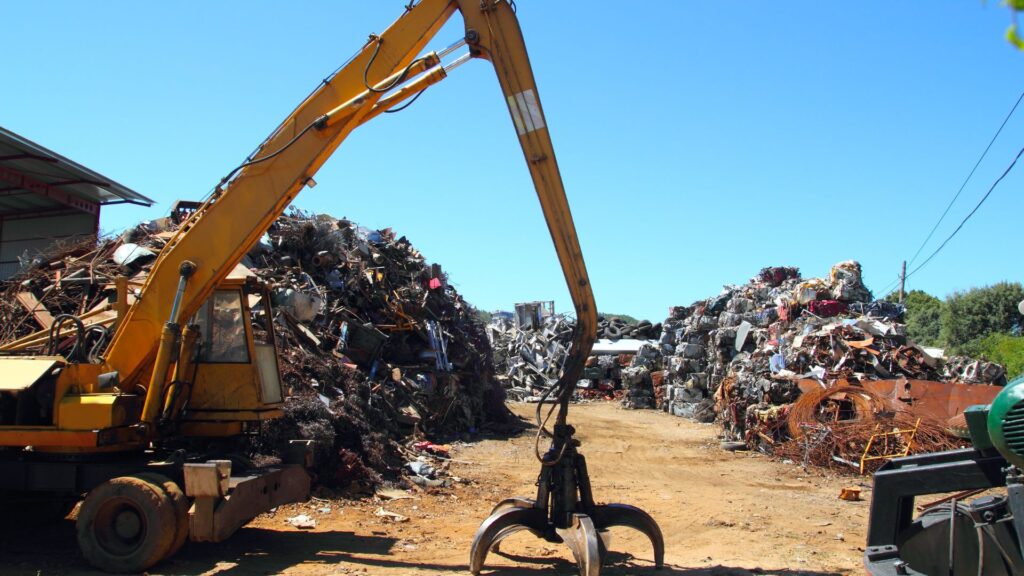
Recovering valuable, and selling of scrap metal are the most rewarding parts of recycling. Steel, copper, and aluminum appear in countless products you use every day. From construction equipment to household appliances, these metals continue serving useful purposes long after their first job is complete. Instead of becoming waste, they can begin a brand-new journey through recycling.
The selling of scrap metal becomes much easier when you understand the value of these materials. Knowing where to find them and how to prepare them helps you recover more value from every project. It also supports cleaner manufacturing by reducing the need for newly mined resources.
Whether you are clearing a factory, dismantling heavy machinery, recycling a marine vessel, or renovating a building, these three metals deserve special attention. They remain among the most sought-after materials in the recycling industry.
Steel Forms the Foundation of Recycling
Steel is everywhere you look.
Buildings, bridges, warehouses, vehicles, ships, cranes, pipelines, and industrial machines all contain large amounts of steel.
Because it is strong and durable, steel often represents the largest share of recyclable materials in major projects.
Although steel usually has a lower price than copper, its high volume creates impressive overall value.
You can easily identify most steel with a magnet.
Separating steel from non-ferrous metals helps improve recycling efficiency.
Large steel beams, pipes, structural frames, and machine parts should be grouped together before collection.
Organized steel is easier to inspect, load, and transport.
Careful preparation also supports smoother selling of scrap metal by helping buyers evaluate your materials more accurately.
Copper Delivers Excellent Value
Copper remains one of the most valuable metals in recycling.
Manufacturers rely on copper because it conducts electricity and heat extremely well.
You can find copper inside electrical wiring, plumbing systems, generators, electric motors, transformers, communication equipment, and industrial machinery.
Old ships and construction equipment also contain significant amounts of copper.
Electric motors deserve special attention because their internal windings often contain high-quality copper.
Removing unnecessary attachments improves recycling efficiency.
Clean copper generally attracts stronger buyer interest than contaminated materials.
Even smaller amounts of copper can contribute meaningful value to your recycling project.
Taking time to recover copper carefully often produces worthwhile financial rewards.
Aluminum Is Lightweight but Valuable
Many people underestimate aluminum because it feels much lighter than steel.
However, aluminum remains highly valuable due to its excellent recycling potential.
Window frames, roofing sheets, ladders, beverage cans, vehicle parts, boats, and industrial equipment often contain aluminum.
Recycling aluminum requires much less energy than producing new aluminum from raw materials.
This makes recycled aluminum highly attractive to manufacturers.
Keep aluminum separate from steel to simplify processing.
Removing screws, rubber, plastic, and glass also improves recycling quality.
Well-prepared aluminum supports faster inspections and smoother transactions.
Sorting Makes Every Load Better
One simple habit improves recycling more than almost anything else.
Sort your metals before collection.
Create separate piles for steel, copper, aluminum, brass, stainless steel, and other recyclable materials.
Clearly organized scrap reduces inspection time.
It also helps buyers determine values more accurately.
Mixed loads usually require additional sorting before processing.
That extra work may reduce efficiency and delay payments.
Good organization benefits both sellers and recycling companies.
Proper sorting creates a more successful selling of scrap metal experience from beginning to end.
Recover Metals from Heavy Equipment
Construction machinery contains far more valuable metal than many people realize.
Excavators, bulldozers, loaders, graders, and cranes include large steel frames supported by copper wiring and aluminum components.
Hydraulic systems, electrical panels, alternators, and cooling systems often contain recoverable materials.
Before dismantling begins, inspect equipment carefully.
Identify reusable components before processing the remaining structure.
Recovering valuable metals separately increases the overall value of each machine.
Professional dismantling also improves safety throughout the recycling process.
Marine Vessels Hold Valuable Resources
Retired ships provide outstanding recycling opportunities.
Steel forms the main structure of most vessels.
Copper wiring extends throughout electrical systems.
Aluminum appears in superstructures, fittings, and lightweight equipment.
Marine engines also contain valuable recyclable metals.
Before dismantling begins, hazardous materials should be removed safely.
Workers then recover reusable equipment before separating valuable metals.
Careful planning protects workers while maximizing recycling value.
Large marine recycling projects demonstrate how much hidden value old vessels still contain.
Clean Scrap Creates Better Results
Clean scrap always performs better during recycling.
Remove plastic, wood, rubber, insulation, fabric, and unnecessary attachments before collection.
Dry storage also helps reduce corrosion on valuable materials.
Clean copper remains easier to identify.
Organized steel loads simplify weighing and inspection.
Prepared aluminum reduces handling time during processing.
Small improvements before collection often create noticeable benefits later.
Simple preparation supports smoother recycling operations while improving buyer confidence.
Environmental Benefits Reach Everyone
Recovering steel, copper, and aluminum does much more than generate income.
Recycling reduces the demand for mining new raw materials.
Steel recycling saves iron ore, coal, and limestone.
Copper recycling lowers energy consumption while reducing mining activity.
Aluminum recycling saves enormous amounts of electricity compared to primary production.
Every recycled metal contributes to lower greenhouse gas emissions.
Responsible recycling also reduces landfill waste.
Choosing recycling supports both economic growth and environmental protection.
Every recovered piece of metal makes a positive difference.
Good Preparation Improves Every Sale
Preparation begins long before collection day.
Inspect your materials carefully.
Separate different metals into organized groups.
Take photographs of larger equipment.
Estimate quantities whenever possible.
Gather ownership documents for industrial machinery or large assets.
Remove hazardous materials safely before transportation.
These simple steps improve communication with buyers.
They also help create a smoother selling of scrap metal process by reducing unnecessary delays and misunderstandings.
Every Recovered Metal Starts a New Journey
Steel, copper, and aluminum continue creating value long after their original purpose ends. Instead of becoming unwanted waste, they become important raw materials for new buildings, vehicles, machinery, electrical systems, and countless everyday products.
Recovering these metals requires careful sorting, responsible handling, and thoughtful preparation. Every step helps improve recycling quality while supporting sustainable manufacturing around the world.
Whether you are recycling construction machinery, factory equipment, marine vessels, demolition materials, or household items, understanding these valuable metals puts you in a stronger position. Good preparation makes the selling of scrap metal easier while helping buyers recognize the true value of your materials.
The next time you begin a recycling project, remember that every steel beam, copper wire, and aluminum panel still has an important future. With careful recovery and responsible recycling, today’s scrap becomes tomorrow’s valuable resource, helping protect the environment while supporting industries for generations to come.
Eco-Friendly Ship Recycling
Every ship has a working life, but every ship also reaches retirement someday. Instead of leaving old vessels abandoned, eco-friendly recycling gives them a fresh purpose. Large ships contain thousands of tons of valuable materials that can return to manufacturing instead of becoming waste. This process protects natural resources while creating new business opportunities.
Eco-friendly ship recycling is much more than cutting steel into smaller pieces. It combines careful planning, safe working practices, environmental responsibility, and efficient material recovery. Every stage helps reduce pollution while maximizing the value of recyclable metals.
If you own a retired vessel, understanding environmentally responsible recycling helps you make better decisions. It also supports the selling of scrap metal by ensuring recovered materials meet buyer expectations and industry standards.
Every Successful Project Starts with Careful Planning
Responsible ship recycling begins long before dismantling starts.
Experts inspect the vessel carefully to understand its condition and identify valuable materials.
The inspection covers the hull, machinery, electrical systems, tanks, engines, and onboard equipment.
Workers also identify hazardous materials requiring special attention.
Creating a recycling plan improves safety while reducing unnecessary delays.
Good planning allows valuable components to be recovered before dismantling begins.
Photographs, equipment lists, and ownership documents also support smoother project management.
Careful preparation helps every later stage operate more efficiently.
Remove Hazardous Materials Safely
Environmental protection begins with removing hazardous substances.
Old ships may contain fuel, engine oil, hydraulic fluids, batteries, asbestos, refrigerants, and chemical residues.
These materials should never remain inside the vessel during dismantling.
Specialists remove them using approved environmental procedures.
Proper disposal protects workers, nearby communities, and marine ecosystems.
Preventing spills also reduces long-term environmental damage.
Responsible handling demonstrates professional recycling standards.
Safe preparation creates cleaner working conditions throughout the project.
Protecting the environment always comes before recovering valuable metals.
Recover Reusable Equipment First
Not every part of an old ship belongs in the recycling pile.
Many components continue working long after the vessel retires.
Generators, engines, pumps, anchors, navigation systems, propellers, electrical panels, and communication equipment often remain valuable.
Some parts can be refurbished for future use.
Others become replacement components for similar vessels.
Recovering reusable equipment reduces waste while creating additional income.
It also decreases the amount of material requiring further processing.
Every reusable part supports a stronger circular economy.
Steel Recovery Makes the Biggest Difference
Steel forms the largest portion of most ships.
Thousands of tons of structural steel remain useful after dismantling.
Workers cut large sections into transportable sizes using specialized equipment.
Magnets help separate steel from non-ferrous metals during processing.
Recovered steel eventually becomes buildings, bridges, vehicles, machinery, and countless manufactured products.
Recycling steel requires far less energy than producing new steel from raw materials.
This creates significant environmental benefits while supporting the selling of scrap metal.
Every recovered steel plate helps reduce demand for new mining activities.
Copper and Aluminum Deserve Special Attention
Steel may dominate the vessel, but other metals also provide impressive value.
Copper appears throughout electrical wiring, generators, motors, and communication systems.
Aluminum often appears in lightweight structures, fittings, ladders, and equipment.
Brass, bronze, and stainless steel also contribute important recycling value.
Separating these metals before processing improves recycling quality.
Organized sorting produces cleaner recycled materials for manufacturers.
Proper separation also speeds up inspections and transportation.
Small details often create significant improvements throughout the recycling process.
Protect Marine Environments
Eco-friendly recycling extends beyond the ship itself.
Protecting surrounding waters remains equally important.
Containment systems prevent fuel, oil, chemicals, and waste from entering the sea.
Wastewater receives proper treatment before disposal.
Dust control measures reduce airborne particles during cutting operations.
Noise management also helps minimize disruption to nearby communities.
Responsible recycling protects coastal ecosystems while supporting sustainable industrial development.
Healthy oceans benefit everyone, including future generations.
Modern Equipment Improves Efficiency
Today’s recycling facilities use advanced technology to improve both safety and productivity.
Hydraulic shears cut thick steel with impressive precision.
Heavy cranes lift oversized ship sections safely.
Forklifts transport processed materials between work areas.
Magnets separate steel automatically during processing.
Modern equipment reduces manual labor while improving material recovery.
Well-maintained machinery also supports safer working conditions.
Technology continues making eco-friendly ship recycling more effective every year.
Responsible Transportation Matters
Recovered materials must reach recycling facilities safely.
Steel sections, copper wiring, aluminum components, and reusable equipment require careful loading.
Proper packaging prevents unnecessary damage during transportation.
Secure loads also improve road and port safety.
Planning transportation routes reduces delays and fuel consumption.
Efficient logistics support environmentally responsible recycling.
Well-organized deliveries help manufacturers receive quality recycled materials faster.
Every transport decision influences the overall success of the recycling project.
Good Documentation Supports Responsible Recycling
Paperwork may seem less exciting than dismantling ships, but it remains essential.
Ownership records, inspection reports, inventories, photographs, and transportation documents all support responsible recycling.
Accurate documentation improves communication between owners, buyers, transport companies, and recycling facilities.
Good records also simplify inspections and regulatory compliance.
Professional documentation builds trust throughout the recycling industry.
Organized information reduces delays while supporting smoother transactions.
Clear records strengthen confidence during the selling of scrap metal.
Eco-Friendly Recycling Creates Lasting Benefits
Eco-friendly ship recycling delivers benefits far beyond recovering valuable metals. It protects natural resources, reduces landfill waste, supports cleaner manufacturing, and creates economic opportunities through responsible material recovery.
Every retired ship contains valuable steel, copper, aluminum, and reusable equipment waiting for a second life. Careful planning, safe dismantling, environmental protection, and proper sorting allow these resources to return to productive use instead of becoming pollution.
Whether you own a cargo vessel, fishing boat, offshore support vessel, or passenger ship, choosing responsible recycling practices helps maximize value while protecting the environment. It also strengthens the selling of scrap metal by providing buyers with cleaner, better-prepared materials that meet modern recycling standards.
The next time you see an aging vessel waiting for retirement, remember that its story is not ending. Through eco-friendly ship recycling, yesterday’s ship becomes tomorrow’s buildings, vehicles, machinery, and infrastructure. Every responsible recycling project helps create a cleaner world where valuable materials continue serving new purposes for many years to come.
Planning Scrap Logistics
Good logistics can make the difference between a smooth recycling project and a stressful one. Whether you are moving construction machinery, factory equipment, marine vessels, or demolition materials, careful planning keeps everything on track. A well-organized transport plan saves time, reduces costs, and protects valuable materials from unnecessary damage.
Many people focus only on collecting scrap. However, transportation, scheduling, loading, and communication are just as important. Every stage works together to ensure your materials arrive safely and on time. Strong logistics also support the selling of scrap metal by helping buyers receive clean, organized, and properly documented shipments.
The good news is that you do not need a complicated system to improve your logistics. A few simple steps can make every recycling project much more efficient.
Start with a Complete Scrap Assessment
Every successful logistics plan begins with knowing exactly what you have.
Walk through your site and inspect every item you plan to recycle.
Identify different types of metals such as steel, copper, aluminum, brass, and stainless steel.
Estimate the size, weight, and condition of each major item.
Separate reusable equipment from materials ready for recycling.
Take photographs from different angles to support future discussions with buyers.
Good information allows transport companies to prepare suitable vehicles and equipment.
A complete assessment prevents unexpected problems on collection day.
Organize Materials Before Collection
Preparation saves valuable time once transport arrives.
Group similar metals together before loading begins.
Keep steel separate from copper, aluminum, and other non-ferrous metals.
Remove unnecessary materials such as plastic, wood, rubber, and glass whenever possible.
Store scrap in safe, clearly marked areas with enough space for loading equipment.
Keep access roads clear for trucks, cranes, and forklifts.
Well-organized scrap allows workers to load materials more efficiently.
Clean and sorted materials also support smoother inspections.
Better organization improves every stage of the recycling process.
Choose the Right Transport Equipment
Every recycling project has different transportation needs.
Small loads may only require standard trucks.
Heavy machinery often needs low-bed trailers.
Large steel structures may require flatbed trailers.
Oversized equipment sometimes needs hydraulic trailers and specialized lifting equipment.
Marine vessels may require towing arrangements before dismantling begins.
Selecting suitable equipment protects valuable materials during transportation.
Proper planning also reduces loading time and improves workplace safety.
Experienced transport companies help match equipment to every project.
Plan Safe Loading Procedures
Loading heavy scrap requires careful attention.
Inspect lifting equipment before every operation.
Use cranes, forklifts, chains, and slings that match the weight of each load.
Balance materials evenly on transport vehicles.
Secure every item with suitable straps and restraints.
Loose materials can shift during transportation and create unnecessary risks.
Good loading procedures protect workers while preventing damage to valuable scrap.
Careful preparation supports safer transportation from beginning to end.
Schedule Collection at the Right Time
Timing plays an important role in recycling logistics.
Choose collection dates that allow enough time for preparation.
Avoid rushing the loading process.
Confirm transport schedules with buyers before collection begins.
Inform everyone involved if project plans change.
Good scheduling prevents unnecessary waiting time.
It also allows transport companies to allocate suitable vehicles and personnel.
Clear planning helps every stage move forward smoothly.
Reliable scheduling strengthens the selling of scrap metal by creating confidence between buyers and sellers.
Keep Accurate Documentation
Paperwork supports successful logistics.
Prepare ownership documents, equipment lists, inspection reports, inventories, and photographs before transportation begins.
Record estimated weights and metal types whenever possible.
Keep copies of transport agreements and delivery schedules.
Accurate documentation simplifies inspections during collection.
It also reduces misunderstandings throughout the project.
Well-organized records help buyers verify shipments more efficiently.
Professional paperwork demonstrates reliability while supporting smoother business relationships.
Communicate with Everyone Involved
Strong communication keeps logistics running smoothly.
Stay in regular contact with buyers, transport companies, loading crews, and recycling facilities.
Share updates whenever schedules or project details change.
Respond to questions promptly.
Confirm loading times and delivery locations before collection day.
Simple communication prevents many avoidable problems.
Everyone performs better when expectations remain clear.
Professional communication creates trust while improving project efficiency.
Working together produces stronger recycling outcomes.
Protect the Environment During Transportation
Responsible logistics also protect the environment.
Drain hazardous fluids before moving machinery.
Remove batteries, chemicals, and other controlled materials safely.
Prevent fuel spills during loading and transportation.
Secure loads properly to avoid debris falling onto roads.
Plan efficient transport routes to reduce unnecessary fuel consumption.
Every environmentally responsible decision supports sustainable recycling.
Protecting natural resources benefits both today’s communities and future generations.
Responsible transportation strengthens the overall recycling process.
Prepare for Efficient Delivery
Planning should continue until the shipment reaches its destination.
Notify the receiving facility before transport arrives.
Prepare unloading areas with enough space for cranes and forklifts.
Verify shipment details upon arrival.
Inspect materials before unloading begins.
Confirm weights and inventories with transport documents.
Efficient delivery reduces waiting time while supporting faster processing.
Well-organized arrivals also help recycling facilities maintain productive operations.
Every successful delivery completes another important step in the recycling journey.
Strong Logistics Build Better Recycling Projects
Planning scrap logistics is about much more than moving materials from one location to another. It connects every stage of the recycling process through preparation, communication, safety, and organization. Good logistics help valuable metals reach recycling facilities quickly while protecting workers and reducing unnecessary costs.
Whether you recycle construction machinery, factory equipment, demolition materials, marine vessels, or industrial scrap, careful planning improves every project. Accurate assessments, proper transportation, organized loading, and clear communication all contribute to better results.
Thoughtful logistics also strengthen the selling of scrap metal by giving buyers greater confidence in your materials and your professionalism. Well-prepared shipments reduce delays, simplify inspections, and create smoother business relationships that often lead to future opportunities.
The next time you prepare a recycling project, remember that logistics deserve as much attention as the scrap itself. Every carefully planned delivery helps valuable metals begin a new life while supporting a cleaner environment and a stronger recycling industry. Good planning today creates better recycling results tomorrow.
Helping Buyers Source Marine Scrap
Finding quality marine scrap can feel challenging when you do not know where to begin. Ships, barges, offshore platforms, tugboats, and marine equipment contain large amounts of valuable recyclable materials. However, locating trustworthy suppliers and reliable opportunities often takes patience and careful planning. The good news is that a structured approach makes the process much easier.
Marine scrap attracts buyers from around the world because retired vessels contain steel, copper, aluminum, brass, stainless steel, bronze, and reusable equipment. These valuable resources support industries ranging from steel manufacturing to heavy engineering. Understanding how to source marine scrap helps you make better purchasing decisions while reducing unnecessary risks.
Whether you buy one retired vessel or several large marine assets, preparation remains the key to success. Careful planning also supports the selling of scrap metal by connecting genuine buyers with owners who have quality materials available.
Know What Type of Marine Scrap You Need
Every successful purchase starts with a clear objective.
Some buyers look for complete ships ready for dismantling.
Others prefer barges, fishing vessels, offshore support vessels, ferries, or marine machinery.
Knowing exactly what you need helps narrow your search.
It also saves valuable time during negotiations.
Think about the materials you want to recover.
Steel usually provides the largest recycling volume.
Copper wiring, aluminum structures, brass valves, stainless steel piping, and bronze propellers also add considerable value.
A clear buying plan helps you focus on the right opportunities instead of chasing every available listing.
Work with Reliable Vessel Owners
Finding trustworthy owners is just as important as finding the right vessel.
Reliable owners provide honest descriptions and accurate photographs.
They also share maintenance histories, ownership records, and inspection reports whenever available.
Clear communication creates confidence throughout the transaction.
Avoid making decisions based only on attractive prices.
Professional sellers usually answer questions openly and provide complete information.
Strong relationships with vessel owners often lead to future buying opportunities.
Trust remains one of the most valuable assets in marine recycling.
Request Detailed Vessel Information
Good information helps buyers make informed decisions.
Ask for photographs showing the vessel from multiple angles.
Request details about the hull, engines, machinery, electrical systems, and onboard equipment.
Learn about the vessel’s age, dimensions, previous use, and current condition.
Ownership documents should also be available for review.
Maintenance records often reveal useful information about major repairs.
The more you know before visiting the vessel, the easier your evaluation becomes.
Complete information also supports smoother negotiations later.
Schedule a Professional Inspection
Inspecting a vessel before purchase protects your investment.
Walk through the ship carefully with experienced inspectors whenever possible.
Examine the hull, engine room, cargo spaces, accommodation areas, tanks, and electrical systems.
Identify valuable metals before dismantling begins.
Look for copper wiring, aluminum structures, stainless steel equipment, brass fittings, and bronze components.
Inspectors should also identify hazardous materials requiring special handling.
Professional inspections reduce unexpected surprises after purchase.
Honest evaluations benefit both buyers and sellers.
Understand the Recycling Value
Every retired vessel contains different recycling opportunities.
Steel usually forms the largest portion of the structure.
Copper appears throughout electrical systems.
Aluminum often exists in lightweight fittings and superstructures.
Bronze propellers and brass valves also contribute valuable materials.
Some onboard equipment remains suitable for refurbishment instead of recycling.
Generators, pumps, navigation systems, anchors, and communication equipment may still have commercial value.
Understanding these opportunities helps buyers estimate overall project returns more accurately.
Plan Transportation Carefully
Marine scrap often requires detailed transportation planning.
Some vessels travel under tow before dismantling.
Others require partial dismantling before movement becomes practical.
Heavy equipment such as cranes, tugboats, forklifts, and transport vehicles may all become necessary.
Planning logistics early reduces unnecessary delays.
Confirm transportation responsibilities before finalizing agreements.
Clear planning improves efficiency while protecting valuable materials.
Strong logistics also support successful selling of scrap metal by helping recovered materials reach recycling facilities safely.
Build Long-Term Business Relationships
The best opportunities often come through trusted relationships.
Treat vessel owners with honesty and professionalism.
Communicate clearly throughout every stage of the transaction.
Respond promptly to messages and honor agreed schedules.
Reliable buyers often receive priority when new recycling opportunities become available.
Likewise, trustworthy sellers appreciate buyers who respect agreements.
Strong relationships reduce future search time.
They also create valuable referrals throughout the marine recycling industry.
Good partnerships benefit everyone involved.
Stay Informed About Global Markets
Marine recycling depends heavily on international demand.
Steel prices, shipping activity, manufacturing growth, and industrial development all influence market conditions.
Following these trends helps buyers make smarter purchasing decisions.
Some regions experience stronger demand during certain periods.
Others offer greater vessel availability throughout the year.
Keeping informed allows you to recognize attractive opportunities more quickly.
Knowledge supports better negotiations and stronger investment decisions.
Market awareness remains one of your greatest competitive advantages.
Prepare Vessels for Recycling
Once purchased, preparation becomes the next priority.
Remove hazardous materials before dismantling begins.
Recover reusable equipment whenever practical.
Separate valuable metals carefully during processing.
Organize recovered materials according to metal type.
Proper preparation improves recycling efficiency.
Clean materials also simplify transportation and inspections.
Responsible recycling protects both workers and the environment.
Well-prepared scrap creates stronger buyer confidence throughout the recycling chain.
Global Connections Create Bigger Opportunities
Marine recycling is truly an international industry.
Retired vessels become available in ports around the world.
Building global connections expands your access to quality opportunities.
Professional brokers, ship owners, recycling companies, and industry contacts all play valuable roles.
Reliable international relationships simplify sourcing while improving communication.
They also help verify ownership and documentation before negotiations begin.
Global networks reduce unnecessary risks while creating exciting business opportunities.
The right connections often open doors that local markets cannot provide.
Smart Sourcing Leads to Better Results
Helping buyers source marine scrap is about much more than finding retired vessels. It requires careful planning, honest communication, professional inspections, and trusted business relationships. Every successful purchase begins with understanding the vessel, evaluating its recycling potential, and preparing for safe transportation.
Whether you are buying cargo ships, barges, offshore support vessels, fishing boats, or marine equipment, careful preparation improves every stage of the process. Accurate information, organized documentation, and responsible recycling practices create stronger business outcomes.
Successful sourcing also strengthens the selling of scrap metal by connecting vessel owners with qualified buyers who understand the true value of marine assets. These partnerships help valuable steel, copper, aluminum, brass, and other metals return to productive use instead of becoming waste.
The next time you begin searching for marine scrap, remember that patience, preparation, and trusted relationships are your greatest advantages. With the right approach, every retired vessel becomes an opportunity to support sustainable recycling while creating lasting value for buyers, sellers, and the global recycling industry.