
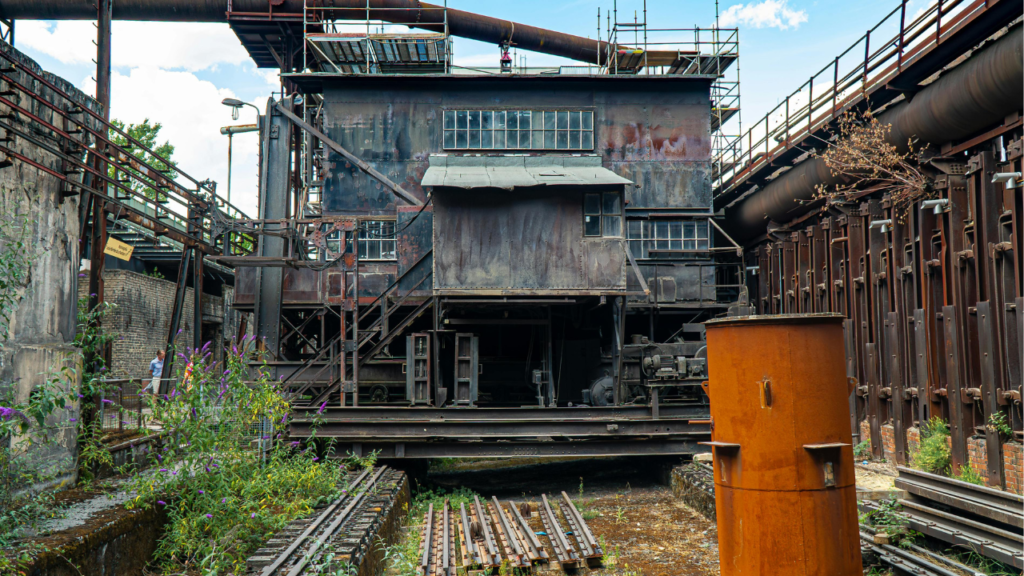
Old machinery often looks worn, outdated, or ready for disposal. However, appearances can be misleading. Many machines contain valuable metals and reusable components that continue holding significant value long after production stops. Instead of treating old equipment as waste, businesses increasingly recognize it as an important source of recyclable materials and additional income.
Factories, warehouses, construction companies, processing plants, and marine facilities replace machinery regularly. Every equipment upgrade creates an opportunity to recover steel, aluminum, copper, brass, stainless steel, and other valuable metals. Some machines can even be refurbished and sold before recycling begins. Understanding which equipment deserves closer attention helps you maximize returns while supporting sustainable manufacturing.
Keeping track of local scrap metal prices helps you estimate the value of recyclable materials. At the same time, knowing which machines contain valuable components allows you to recover much more than simple scrap.
Industrial Production Equipment
Factory machinery is one of the richest sources of recyclable metals.
Production lines often contain large steel frames, heavy-duty motors, conveyors, gear systems, and structural supports.
Industrial presses include thick steel housings designed to withstand years of demanding operation.
Mixers, crushers, packaging systems, and manufacturing equipment also contain valuable recyclable materials.
Electrical panels often include copper wiring, brass connectors, and aluminum components.
Many industrial machines remain suitable for refurbishment before recycling becomes necessary.
Professional inspections help determine whether resale or recycling creates greater value.
Every factory upgrade provides opportunities to recover useful materials while reducing unnecessary waste.
Electric Motors and Generators
Electric motors deserve special attention during every recycling project.
Inside every motor are valuable copper windings protected by durable steel casings.
Large generators also contain copper, aluminum, steel, and electrical components that remain valuable after retirement.
Factories, warehouses, hospitals, and marine facilities often replace generators during modernization projects.
Instead of disposing of these machines, recover them carefully for evaluation.
Some units continue operating after maintenance or repairs.
Others provide excellent recycling opportunities because of their metal content.
Proper dismantling protects valuable materials while improving recovery efficiency.
Motors and generators remain among the most desirable items in many industrial recycling projects.
Pumps, Compressors, and Hydraulic Systems
Industrial facilities rely heavily on pumps and hydraulic equipment.
These systems often contain stainless steel, cast iron, brass, copper, and aluminum.
Water treatment plants, manufacturing facilities, marine vessels, and processing factories regularly replace aging equipment.
Hydraulic pumps include durable steel housings designed for demanding environments.
Compressors also contain valuable motors, piping, and structural components.
Some equipment remains suitable for refurbishment before entering the recycling process.
Professional evaluations help identify reusable assets that may command higher prices than scrap alone.
Recovering these systems carefully increases the total value of every project.
Construction Equipment Offers Hidden Value
Construction machinery contains much more than heavy steel frames.
Excavators, loaders, bulldozers, cranes, forklifts, and lifting equipment all contain recyclable metals.
Hydraulic cylinders include steel rods and specialized components.
Engines contain steel, cast iron, aluminum, copper, and brass.
Electrical systems also include wiring, control panels, and valuable connectors.
When equipment becomes too costly to repair, recycling provides a responsible alternative.
Many construction companies recover valuable materials before replacing aging fleets.
Proper dismantling protects reusable components while maximizing metal recovery.
Heavy equipment continues supporting manufacturing even after its working life ends.
Marine Machinery Creates Excellent Opportunities
Marine equipment remains another valuable recycling source.
Retired barges, cargo ships, fishing vessels, and offshore platforms contain impressive amounts of recyclable machinery.
Main engines include heavy steel structures together with valuable copper and aluminum components.
Generators, pumps, steering systems, cargo handling equipment, cranes, and hydraulic systems all contribute additional value.
Marine machinery is built for durability, making many components suitable for refurbishment.
Professional inspections identify equipment worth reselling before recycling begins.
Responsible dismantling also protects valuable materials from unnecessary damage.
Marine recycling continues supporting industries through reliable material recovery.
Warehouse Equipment Should Not Be Overlooked
Warehouses contain many recyclable machines beyond forklifts.
Conveyor systems, pallet handling equipment, storage lifts, automated sorting systems, and loading platforms all contain valuable metals.
Electric pallet trucks include motors, batteries, wiring, and steel frames.
Packaging equipment often combines stainless steel, aluminum, and electrical components.
Shelving systems also provide recyclable structural steel during warehouse renovations.
Many businesses overlook these opportunities because the equipment appears ordinary.
Careful inspections reveal valuable materials throughout warehouse operations.
Every equipment replacement creates another opportunity for responsible recycling.
Recover Reusable Parts Before Recycling
Not every machine belongs immediately in the scrap pile.
Inspect every piece of equipment before dismantling begins.
Some motors, pumps, gearboxes, valves, compressors, and hydraulic systems continue functioning well.
Reusable parts often provide greater financial returns than recycled metal alone.
Professional technicians help identify components suitable for refurbishment.
After reusable equipment is removed, remaining materials enter the recycling process.
This approach maximizes project value while reducing waste.
Careful planning benefits both buyers and sellers throughout every recycling project.
Recover first, recycle second whenever practical.
Market Knowledge Supports Better Decisions
Understanding market conditions helps you plan machinery recycling more effectively.
Following local scrap metal prices provides useful insight into changing recycling demand.
Different metals experience different market movements throughout the year.
Steel, copper, aluminum, brass, and stainless steel each respond to changing industrial demand.
Market knowledge helps you decide whether immediate recycling or temporary storage makes better business sense.
At the same time, remember that preparation remains just as important as pricing.
Clean, organized machinery consistently attracts stronger buyer interest.
Knowledge and preparation work best when combined together.
Every Machine Holds Valuable Potential
Old machinery represents much more than outdated equipment. Hidden inside every production line, motor, generator, pump, crane, or conveyor are valuable metals and reusable components waiting for a second life. Careful inspections help uncover these opportunities while supporting cleaner manufacturing and stronger financial returns.
Monitoring local scrap metal prices helps you understand market conditions, but identifying valuable machinery often creates even greater advantages. Businesses that recover reusable equipment before recycling usually maximize the overall value of every project.
Whether you manage factories, warehouses, construction companies, processing plants, or marine facilities, machinery recycling offers significant opportunities. Proper inspections, organized dismantling, careful material separation, and professional planning all contribute to successful recovery projects.
As industries continue modernizing equipment, valuable recycling opportunities will only continue growing. Every recovered motor, generator, hydraulic pump, steel frame, and electrical system supports sustainable manufacturing while reducing waste. By recognizing the hidden value inside old machinery today, you prepare your business for stronger profits and lasting success in the expanding recycling industry.
Identifying Non-Ferrous Metals
Non-ferrous metals are some of the most valuable materials in the recycling industry. Unlike iron-based metals, they do not contain significant amounts of iron, making them naturally resistant to rust and corrosion. Because of these qualities, manufacturers continue using them in construction, transportation, electronics, marine equipment, and industrial machinery. Even after years of service, these metals still hold excellent recycling value.
Many people focus only on steel during recycling projects. However, non-ferrous metals often provide some of the highest returns. Copper wiring, aluminum panels, brass fittings, and stainless components may represent a large portion of a project’s value. Learning how to identify these materials helps you recover more valuable resources while reducing waste.
Whether you inspect factories, marine vessels, warehouses, demolition sites, or construction projects, understanding non-ferrous metals gives you a valuable advantage. Watching local scrap metal prices also helps you understand how changing market demand influences different recyclable materials.
Understand What Makes Non-Ferrous Metals Different
The easiest way to understand non-ferrous metals is to compare them with ordinary steel.
Steel contains iron, making it prone to rust when left unprotected.
Non-ferrous metals generally resist corrosion much better, especially in outdoor or marine environments.
This natural resistance makes them popular for demanding industrial applications.
Many non-ferrous metals are also lighter than steel while remaining extremely durable.
Manufacturers choose these materials because they perform well under challenging conditions.
Their excellent recycling value comes from continued industrial demand.
Learning these basic characteristics makes identification much easier during inspections.
Good knowledge creates stronger confidence throughout every recycling project.
Copper Is Easy to Recognize
Copper remains one of the most valuable recyclable metals.
Its reddish-brown color makes it relatively easy to identify.
Freshly exposed copper has a bright metallic appearance, while older copper may develop a green surface coating after long exposure.
Electrical wiring, motors, transformers, generators, plumbing systems, and industrial equipment commonly contain copper.
Marine vessels also include copper within electrical systems and cooling equipment.
Removing insulation from wiring may reveal valuable copper underneath.
Because copper remains in strong demand, careful recovery often increases project value significantly.
Organized collection also simplifies inspections and negotiations.
Aluminum Appears Almost Everywhere
Aluminum is another important non-ferrous metal found throughout many industries.
It is lightweight, corrosion-resistant, and easy to recycle.
Construction projects use aluminum for window frames, roofing systems, doors, and exterior panels.
Factories often include aluminum machinery components and storage systems.
Marine vessels use aluminum in ladders, railings, deck structures, and specialized equipment.
Beverage cans also.
Logistics and Transportation
Moving scrap metal from one location to another is much more than loading materials onto a truck. Good logistics and transportation planning help reduce costs, improve safety, and ensure materials arrive on time. Whether you are transporting factory equipment, demolition materials, marine vessels, or industrial machinery, careful planning makes every stage of the journey much smoother.
Many recycling projects involve large and heavy materials that require specialized handling. Structural steel, machinery, copper wiring, aluminum panels, and industrial equipment all need proper transportation methods. A well-organized logistics plan protects valuable materials while helping buyers and sellers avoid unnecessary delays.
Understanding local scrap metal prices helps you estimate the value of your materials. However, transportation costs can also influence your final profit. Managing logistics wisely helps you maximize returns while keeping projects on schedule.
Plan Transportation Before Dismantling
One of the biggest mistakes in recycling projects is waiting too long to think about transportation.
Instead, include logistics in your planning from the very beginning.
Inspect the project site before dismantling starts.
Check access roads, loading areas, and available working space for trucks and lifting equipment.
Measure large machinery and structural components before moving them.
Some items may require cutting into smaller sections before transportation.
Knowing these details early prevents unexpected delays later.
Good planning also helps you estimate transportation costs more accurately.
A well-prepared project always moves more efficiently.
Choose the Right Transport Equipment
Every recycling project has different transportation needs.
Small quantities of scrap may only require standard trucks or trailers.
Large industrial machinery often needs low-bed trailers designed for heavy loads.
Construction materials may require flatbed trucks with secure tie-down systems.
Marine projects sometimes involve barges, cranes, or specialized port equipment before land transportation begins.
Forklifts, loaders, and mobile cranes also play important roles during loading operations.
Selecting suitable equipment protects both the materials and the people handling them.
The right vehicle improves efficiency while reducing unnecessary risks.
Organize Materials Before Loading
Good organization saves valuable time during transportation.
Separate steel, aluminum, copper, brass, stainless steel, and other recyclable materials whenever possible.
Keep reusable equipment separate from scrap intended for recycling.
Remove unnecessary waste such as wood, plastic, rubber, insulation, and concrete before loading.
Clean materials reduce handling time after delivery.
Prepare inventory lists describing available quantities before transportation begins.
Label different material groups clearly when handling larger projects.
Well-organized loads simplify unloading while helping buyers inspect materials more quickly.
Professional preparation creates smoother operations from beginning to end.
Protect Valuable Materials During Transport
Recyclable metals deserve careful handling throughout transportation.
Secure heavy materials properly using suitable chains, straps, or restraints.
Prevent unnecessary movement that may damage valuable equipment.
Protect electrical components and reusable machinery from excessive weather exposure whenever practical.
Avoid stacking delicate equipment beneath heavy structural steel.
Cover valuable materials if long-distance transportation exposes them to rain or road debris.
Proper load balancing also improves vehicle safety during travel.
Protecting your materials helps preserve their value until they reach the buyer.
Careful handling always supports better business results.
Safety Should Always Come First
Safe transportation protects workers, equipment, and surrounding communities.
Inspect lifting equipment before every loading operation.
Use trained operators for cranes, forklifts, and heavy machinery.
Wear appropriate personal protective equipment throughout loading and unloading.
Never exceed vehicle weight limits.
Secure every load according to transportation regulations.
Check straps and restraints before beginning the journey.
Maintain clear communication between drivers and loading crews.
Safe working practices reduce accidents while protecting valuable materials.
Professional safety procedures also strengthen buyer confidence during large recycling projects.
Digital Tools Improve Logistics
Technology continues making transportation planning much easier.
Digital inventory systems track available materials throughout every project.
GPS tracking helps monitor shipments during transportation.
Cloud-based document sharing allows buyers, transport companies, and suppliers to exchange information quickly.
Electronic shipping records simplify paperwork.
Smartphone applications help drivers navigate efficient transportation routes.
Video calls also support communication when unexpected situations arise.
Digital technology reduces delays while improving project coordination.
Businesses using modern logistics tools often complete projects more efficiently than traditional operations.
International Shipping Requires Extra Planning
Large recycling projects sometimes involve overseas buyers.
International transportation requires additional preparation.
Shipping documents, customs paperwork, inspection reports, and ownership records should be organized before departure.
Marine ports often require advance scheduling for loading operations.
Container shipments need proper packing and weight distribution.
Bulk cargo may require specialized handling depending on material type.
Working with experienced freight companies simplifies international logistics.
Professional planning reduces delays while supporting smoother customs procedures.
Good preparation creates confidence throughout international recycling transactions.
Transportation Costs Affect Project Value
Transportation is one of the largest expenses in many recycling projects.
Fuel prices, travel distance, equipment requirements, and loading complexity all influence total costs.
Heavy machinery often requires specialized vehicles that increase transportation expenses.
Remote project locations may also require additional planning.
Following local scrap metal prices helps you understand current market conditions, but transportation costs should always be included when estimating profits.
Careful planning allows you to compare several transportation options before making decisions.
Reducing unnecessary expenses improves overall project value without lowering material quality.
Smart logistics support stronger financial results.
Strong Logistics Create Successful Projects
Logistics and transportation play a vital role in every successful recycling project. Good planning, suitable equipment, organized materials, safe loading practices, and efficient transportation all contribute to smoother operations and better financial outcomes. Every stage of the journey matters, from the first inspection to the final delivery.
Keeping track of local scrap metal prices provides useful market knowledge, but transportation planning is equally important. Even valuable materials can lose profitability if logistics are poorly managed. Careful preparation helps reduce delays while protecting both your materials and your investment.
Whether you transport factory equipment, marine vessels, demolition materials, warehouses, or industrial machinery, organized logistics create confidence for buyers and sellers alike. Professional handling improves communication, simplifies inspections, and strengthens business relationships throughout the recycling process.
As the recycling industry continues expanding across local and international markets, efficient transportation will remain a key competitive advantage. Every well-planned shipment supports better customer satisfaction, lower operating costs, and more successful recycling projects. By investing time in smart logistics today, you prepare your business for lasting growth and stronger opportunities in the future.
Finding Serious Scrap Buyers
Finding scrap metal is only half of the recycling journey. The real challenge is finding buyers who are serious, reliable, and ready to complete a transaction. Many people advertise themselves as buyers, but not everyone has the experience, financial capacity, or genuine interest needed for large recycling projects. Learning how to identify serious buyers saves you time while helping you build profitable business relationships.
Whether you are selling factory equipment, demolition materials, marine vessels, industrial machinery, or warehouse scrap, working with qualified buyers creates a smoother experience. Serious buyers communicate professionally, ask practical questions, and respect agreed timelines. They understand the value of organized projects and appreciate suppliers who provide accurate information.
Following local scrap metal prices helps you understand market conditions before negotiations begin. However, choosing the right buyer often has an even greater impact on the success of your project.
Know Exactly Who Needs Your Materials
The first step is understanding your ideal buyer.
Different companies purchase different types of recyclable materials.
Some buyers focus mainly on structural steel and heavy industrial scrap.
Others specialize in copper, aluminum, brass, stainless steel, or electrical equipment.
Marine recycling companies may look for retired barges, cargo vessels, and offshore equipment.
Manufacturers often prefer clean industrial scrap ready for processing.
Matching your project with the right buyer improves your chances of receiving serious interest.
Targeted communication usually produces much better results than contacting random businesses.
The right buyer already understands the value of your materials.
Prepare a Professional Project Presentation
Serious buyers expect organized information.
Before making contact, prepare a clear description of your available materials.
Include estimated quantities, material types, project location, and overall condition.
Take high-quality photographs showing wide views together with detailed close-up images.
Videos also help buyers understand the scale of larger projects.
Prepare inventory records whenever practical.
Gather ownership documents, inspection reports, and maintenance records before discussions begin.
Professional preparation demonstrates reliability while reducing unnecessary questions.
Organized presentations encourage buyers to respond more quickly.
Good preparation always creates stronger first impressions.
Research Every Buyer Carefully
Do not accept every inquiry without checking the buyer first.
Visit the company’s website and review its services.
Look for information about recycling experience, project history, and business specialization.
Professional companies usually provide complete contact information and clear descriptions of their operations.
Review online business profiles when available.
Ask questions about previous recycling projects if you need additional confidence.
Reliable buyers generally welcome professional verification because they value trustworthy suppliers as well.
A little research helps prevent unnecessary problems later.
Choosing carefully protects both your business and your valuable materials.
Ask the Right Questions
Conversations with buyers reveal valuable information.
Ask what materials they purchase regularly.
Confirm preferred quantities and quality requirements.
Discuss inspection procedures before negotiations continue.
Ask about transportation responsibilities and loading arrangements.
Understand payment methods and expected timelines.
Professional buyers answer practical questions confidently because they understand the recycling industry.
Clear discussions reduce misunderstandings while helping both parties prepare effectively.
Simple questions often reveal whether a buyer is truly interested.
Good communication supports stronger business relationships.
Build Trust Through Honest Communication
Trust remains one of the strongest foundations of successful recycling transactions.
Provide accurate descriptions instead of exaggerated claims.
Explain the condition of your materials honestly.
If certain equipment has already been removed, communicate this immediately.
Respond to buyer questions promptly.
Keep promises regarding inspections and document sharing.
Professional honesty creates confidence from the beginning.
Reliable buyers appreciate suppliers who communicate openly throughout every stage of the project.
Trust often becomes the reason buyers return for future opportunities.
Long-term relationships always outperform one-time transactions.
Expand Your Buyer Network
Do not rely on only one customer.
Build relationships with buyers across different industries.
Manufacturers, recycling companies, demolition contractors, exporters, foundries, and marine recyclers all purchase different materials.
Professional networking platforms also create valuable opportunities.
Attend industry events whenever possible.
Maintain contact with previous buyers even after projects finish.
Sharing occasional updates keeps your business visible.
A larger network increases your chances of finding serious buyers quickly when new projects become available.
Strong business connections often create valuable referrals.
Use Technology to Reach More Buyers
Modern technology makes buyer searches much easier.
Professional websites showcase your available projects to a wider audience.
Business networking platforms connect suppliers with buyers around the world.
Video conferencing supports virtual inspections before travel becomes necessary.
Cloud storage allows quick sharing of photographs, inspection reports, and inventory records.
Digital communication reduces delays while improving project transparency.
Online marketplaces also provide opportunities to advertise industrial scrap and recyclable equipment.
Technology expands your reach far beyond local markets.
Professional online communication strengthens buyer confidence.
Market Knowledge Supports Better Negotiations
Understanding market conditions improves every buyer discussion.
Following local scrap metal prices helps you estimate current material values.
Steel, copper, aluminum, brass, and stainless steel often experience different market movements.
Knowledge allows you to discuss pricing confidently without relying on guesswork.
At the same time, remember that preparation, quality, and transportation also influence final offers.
Professional buyers appreciate suppliers who understand current market conditions.
Well-informed discussions usually produce more productive negotiations.
Knowledge becomes one of your strongest business advantages.
Preparation and market awareness work best together.
Serious Buyers Create Long-Term Success
Finding serious scrap buyers is about much more than completing a single sale. It is about building relationships with businesses that communicate professionally, respect agreements, and appreciate well-prepared projects. Strong partnerships reduce uncertainty while creating opportunities for future transactions.
Monitoring local scrap metal prices helps you understand changing market conditions, but successful recycling projects depend on careful buyer selection as well. Professional presentations, honest communication, organized documentation, and thoughtful research all help attract reliable buyers who value quality materials.
Whether you are selling factory equipment, marine vessels, demolition materials, warehouses, or industrial machinery, investing time in buyer qualification produces lasting benefits. Every trustworthy buyer strengthens your professional network while opening the door to future opportunities.
As the recycling industry continues growing across local and international markets, businesses that focus on building trusted relationships will remain one step ahead. Every successful conversation, organized presentation, and completed transaction adds to your reputation. Over time, that reputation becomes one of your most valuable assets, helping you find serious buyers faster and grow your recycling business with confidence.