
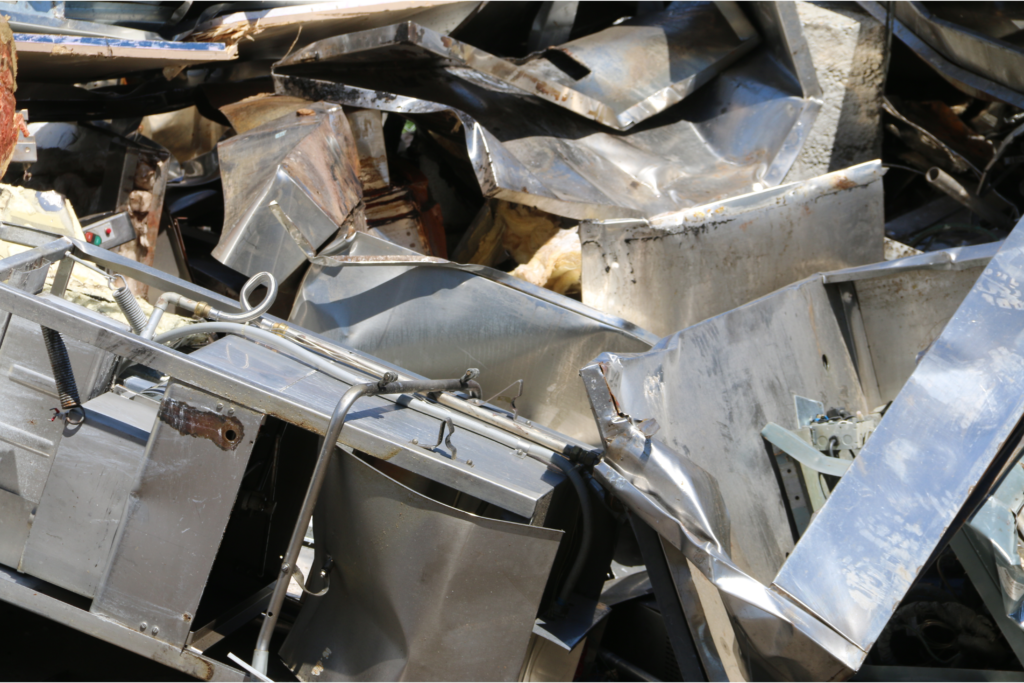
Stainless steel remains one of the most valuable metals in the recycling industry. It appears in factories, ships, kitchens, hospitals, power plants, and construction projects worldwide. Unlike many materials, stainless steel can be recycled repeatedly without losing its important qualities. That is one reason many sellers regularly follow the stainless steel salvage price before preparing shipments.
Recycling stainless steel benefits both businesses and the environment. Manufacturers receive quality raw materials, while recyclers help reduce mining and industrial waste. Understanding why stainless steel remains valuable helps you prepare better materials and build stronger relationships with buyers.
Stainless Steel Lasts for Many Years
One reason stainless steel holds its value is its durability.
It resists rust, corrosion, stains, and extreme temperatures better than many other metals.
These qualities make it suitable for demanding industries.
Food processing plants use stainless steel because it stays clean and hygienic.
Hospitals rely on it for medical equipment and surgical tools.
Chemical factories choose stainless steel because it withstands harsh environments.
Marine vessels also contain large amounts of stainless steel.
Because the material lasts so long, buyers know it remains useful even after recycling.
Its long service life increases recycling demand.
Valuable Alloy Metals Increase Its Worth
Stainless steel is more than ordinary steel.
It contains valuable alloying elements such as chromium, nickel, and sometimes molybdenum.
These metals improve strength and corrosion resistance.
They also contribute to recycling value.
Different stainless steel grades contain different alloy combinations.
Higher nickel content often increases buyer interest.
That is why experienced recyclers separate stainless steel grades carefully.
Proper grading helps buyers evaluate materials more accurately.
Many sellers checking the stainless steel salvage price also pay attention to alloy content.
Understanding the material helps improve selling opportunities.
Recycling Saves Energy and Resources
Producing stainless steel from recycled materials requires fewer natural resources than producing new metal from raw ore.
This helps reduce mining activity and lowers overall energy consumption.
Manufacturers appreciate these environmental benefits.
Governments also encourage recycling because it supports sustainability goals.
Recycled stainless steel performs just as well as newly produced material.
It maintains its strength, appearance, and corrosion resistance.
This allows manufacturers to reuse it repeatedly.
Recycling creates economic and environmental advantages at the same time.
Responsible recycling supports a cleaner future.
Many Industries Need Recycled Stainless Steel
Demand remains strong because stainless steel serves many industries.
Construction companies use it for bridges, buildings, railings, and structural components.
Food manufacturers require stainless steel equipment for hygiene and durability.
Hospitals use it for operating rooms, medical devices, and laboratory equipment.
Marine industries depend on stainless steel for vessels and offshore equipment.
Chemical plants install stainless steel piping and storage tanks.
Renewable energy projects also use stainless steel in specialized applications.
This wide range of industries creates continuous buyer demand.
Strong demand supports healthy recycling markets.
Quality Preparation Improves Value
Buyers appreciate clean and organized materials.
Separate stainless steel from carbon steel, aluminum, copper, brass, and mixed scrap.
Avoid contamination whenever possible.
Store materials in clean, dry areas before shipment.
Remove unnecessary plastic, rubber, insulation, and waste materials.
Good preparation simplifies inspections and processing.
Accurate grading also reduces misunderstandings during negotiations.
Professional presentation creates stronger buyer confidence.
Well-prepared shipments often receive greater buyer attention.
Documentation Builds Trust
Professional paperwork supports successful recycling transactions.
Prepare inventory lists showing estimated quantities and available grades.
Take recent photographs before marketing your materials.
Inspection reports also strengthen buyer confidence.
Commercial invoices and packing lists should describe materials accurately.
Organized documentation speeds up negotiations.
Professional records demonstrate responsible business management.
Reliable paperwork supports smoother international shipments.
Trust begins with accurate information.
Market Trends Influence Buyer Activity
The recycling market changes throughout the year.
Manufacturing activity, construction projects, and industrial investment all influence stainless steel demand.
Global economic conditions also affect buyer purchasing decisions.
Many recyclers regularly monitor the stainless steel salvage price to understand local market activity.
However, buyers also consider quality, grade, alloy content, and shipment size.
Market knowledge helps sellers prepare better strategies.
Understanding buyer priorities improves negotiation confidence.
Preparation supports long-term business success.
The Future Looks Bright
The future of stainless steel recycling remains encouraging.
Industries continue expanding around the world.
Growing infrastructure projects require reliable stainless steel supplies.
Renewable energy investments also increase industrial metal demand.
Manufacturers continue choosing recycled materials because they reduce costs and support sustainability.
Technology improves recycling efficiency every year.
Well-prepared suppliers will remain attractive to international buyers.
Strong relationships and consistent quality will continue creating new opportunities.
Stainless steel holds strong recycling value because of its durability, valuable alloy content, broad industrial use, and excellent recycling properties. Manufacturers continue depending on recycled stainless steel for construction, healthcare, food processing, marine applications, and renewable energy projects. While many suppliers monitor the stainless steel salvage price to understand market trends, successful sellers also focus on quality, accurate grading, organized documentation, and professional communication. By preparing your materials carefully, you can build lasting buyer relationships and succeed in the growing global stainless steel recycling market.
Hidden Stainless Steel in Scrap Marine Vessels
When people think about scrap ships, they often imagine huge piles of steel. While carbon steel makes up most of a vessel, another valuable material hides throughout the ship. Stainless steel appears in many important systems and components. These hidden materials can add significant value to a recycling project. That is why many recyclers closely watch the stainless steel salvage price before evaluating retired vessels.
Finding stainless steel requires careful inspection and experience. It is not always visible from the outside. Many valuable parts remain inside engine rooms, kitchens, piping systems, and machinery spaces. Knowing where to look helps sellers and buyers recover more value from every vessel.
Engine Rooms Hold Valuable Stainless Steel
The engine room is one of the best places to find stainless steel.
Many marine engines use stainless steel parts because they resist heat, pressure, and corrosion.
Exhaust systems often contain stainless steel components designed for long service life.
Cooling systems also include stainless steel pipes, valves, and fittings.
Heat exchangers frequently use stainless steel because it handles seawater better than many other metals.
Pump housings and filtration equipment may also contain valuable stainless steel.
These hidden components increase the recycling value of retired vessels.
Careful dismantling helps recover these materials safely.
Galleys and Living Areas Contain Quality Materials
Ship kitchens contain surprising amounts of stainless steel.
Sinks, worktables, cabinets, shelves, food preparation equipment, and storage units often use stainless steel.
Cooking equipment also includes stainless steel ovens, trays, ventilation systems, and counters.
Crew dining areas sometimes contain stainless steel furniture and serving stations.
Bathrooms may include stainless steel fixtures, handrails, drains, and plumbing fittings.
Laundry rooms also feature stainless steel washing equipment and work surfaces.
Although these items appear smaller than engine components, together they create meaningful recycling value.
Many buyers consider these hidden materials during inspections.
Marine Piping Systems Offer Excellent Recovery
Large vessels contain extensive piping networks.
Some pipes transport fresh water. Others carry seawater, chemicals, fuel, or cooling fluids.
Many of these systems use stainless steel because it resists corrosion in harsh marine environments.
Valves, flanges, elbows, connectors, and supports often contain stainless steel.
Chemical tankers and offshore vessels usually include even more stainless steel piping.
Careful dismantling protects these valuable materials during recovery.
Organized separation improves recycling efficiency.
Many recyclers monitor the stainless steel salvage price because piping systems often contribute considerable value.
Deck Equipment Includes Hidden Stainless Steel
The weather on open seas can be extremely harsh.
Saltwater, rain, sunlight, and changing temperatures constantly challenge vessel equipment.
Many exposed components use stainless steel to resist corrosion.
Handrails, ladders, fasteners, safety barriers, cable supports, and deck fittings frequently contain stainless steel.
Some anchor equipment and mooring hardware also include stainless steel parts.
Navigation equipment brackets sometimes use corrosion-resistant materials.
These components may appear ordinary, but they contribute to overall recycling value.
Every recovered item adds to the final return.
Careful Sorting Increases Buyer Interest
Recovering stainless steel is only the beginning.
Proper sorting creates additional value.
Separate stainless steel from carbon steel, aluminum, brass, copper, and mixed scrap whenever possible.
Different stainless steel grades should also remain separated if practical.
Clean materials simplify recycling after delivery.
Buyers appreciate organized shipments because processing becomes faster and more efficient.
Professional preparation demonstrates attention to quality.
Well-sorted materials often attract stronger buyer interest.
Documentation Supports Better Negotiations
Accurate documentation helps buyers understand the vessel’s recycling potential.
Prepare inventories showing estimated stainless steel components whenever possible.
Include recent photographs of engine rooms, piping systems, kitchens, and equipment.
Inspection reports also improve buyer confidence.
Detailed information reduces uncertainty during negotiations.
Professional documentation supports realistic pricing discussions.
Organized records demonstrate responsible business management.
Preparation strengthens trust throughout the transaction.
Market Demand Remains Strong
Many industries continue needing recycled stainless steel.
Food processing, healthcare, construction, marine engineering, chemical manufacturing, and renewable energy projects all use stainless steel products.
This broad demand supports healthy recycling markets.
Manufacturers appreciate recycled stainless steel because it performs like newly produced material.
Many sellers follow the stainless steel salvage price to understand changing market conditions.
However, buyers also evaluate quality, grade, cleanliness, and quantity before making offers.
Preparation remains just as important as market pricing.
Hidden Value Rewards Careful Inspection
Not every valuable material sits on the ship’s surface.
Some of the best recycling opportunities remain hidden inside equipment and enclosed spaces.
Experienced inspectors know where to search.
They examine machinery, piping, accommodation areas, electrical systems, and maintenance equipment carefully.
Recovering these materials increases total project value.
Good planning allows recyclers to maximize every opportunity.
Attention to detail often separates average projects from exceptional ones.
Hidden stainless steel is one of the most valuable discoveries inside retired marine vessels. Engine rooms, piping systems, kitchens, accommodation spaces, and deck equipment all contain corrosion-resistant materials that remain valuable after recycling. While many recyclers monitor the stainless steel salvage price to understand market trends, successful recovery also depends on careful inspection, proper sorting, accurate documentation, and professional handling. By identifying these hidden stainless steel components, sellers and buyers can recover greater value while supporting the growing global demand for recycled stainless steel.
How Buyers Source Salvage Metals Worldwide
The global recycling industry has become more connected than ever. Buyers no longer depend only on local suppliers to find valuable metals. Instead, they search across countries for factories, demolition projects, retired ships, industrial plants, and recycling yards. While many businesses monitor the stainless steel salvage price, successful buyers also focus on quality, reliable suppliers, and long-term partnerships.
Finding valuable salvage metals requires research, communication, and careful planning. Buyers use several methods to locate suitable materials while reducing business risks. Understanding how buyers work helps you prepare your materials more effectively and attract serious international interest.
Digital Marketplaces Open Global Opportunities
Online trading platforms have transformed the recycling business.
Buyers can search thousands of listings without leaving their offices.
They compare available materials, quantities, photographs, and supplier information within minutes.
Professional listings receive more attention because they answer important buyer questions.
Include clear photographs, accurate material descriptions, estimated quantities, and loading options.
Keep listings updated whenever inventory changes.
Prompt responses also improve buyer confidence.
Many buyers searching the stainless steel salvage price also compare supplier reliability before requesting quotations.
Digital platforms make international business much easier.
Direct Relationships Build Strong Supply Chains
Experienced buyers often prefer long-term relationships.
Reliable suppliers provide consistent quality and dependable communication.
After completing successful transactions, buyers usually stay in contact for future opportunities.
These relationships reduce uncertainty during future purchases.
Regular suppliers also understand buyer quality requirements better over time.
Professional communication strengthens trust throughout every transaction.
Honesty becomes one of the most valuable business assets.
Long-term partnerships often produce greater success than one-time sales.
Strong relationships create stability during changing market conditions.
Marine and Industrial Projects Attract Buyers
Retired ships remain important sources of salvage metals.
Marine vessels contain structural steel, stainless steel, copper, aluminum, brass, bronze, and valuable machinery.
Industrial plants also generate significant quantities of recyclable materials.
Factories replacing equipment often produce large amounts of quality scrap.
Power stations, refineries, warehouses, and manufacturing facilities regularly create recycling opportunities.
Buyers actively monitor these projects because they provide bulk quantities.
Large shipments help support continuous manufacturing production.
Professional project information attracts qualified international buyers.
Trade Shows Create Valuable Connections
Industry exhibitions continue playing an important role.
Trade events allow buyers and suppliers to meet face-to-face.
These meetings help companies discuss future projects, inspection opportunities, and long-term cooperation.
Networking often creates business opportunities that online platforms cannot provide.
Industry conferences also introduce buyers to new suppliers.
Professional conversations build trust before negotiations begin.
Even one successful meeting may lead to years of cooperation.
Personal relationships remain valuable in international recycling.
Buyers Evaluate More Than Price
Price matters, but experienced buyers evaluate several important factors.
Quality always receives close attention.
Buyers inspect material grades, cleanliness, storage conditions, and estimated quantities carefully.
Professional documentation also influences purchasing decisions.
Inspection reports, inventories, and recent photographs improve buyer confidence.
Many buyers monitor the stainless steel salvage price, but quality often determines final purchasing decisions.
Reliable information reduces unnecessary business risks.
Preparation helps suppliers stand out.
Documentation Supports Global Trade
International transactions require organized paperwork.
Commercial invoices, packing lists, inspection reports, and shipping documents should describe materials accurately.
Professional documentation speeds up buyer evaluations.
Clear records also simplify customs procedures and transportation planning.
Digital document sharing improves communication between different countries.
Well-organized paperwork demonstrates responsible business management.
Reliable documentation strengthens confidence before shipments begin.
Preparation supports smoother international transactions.
Sustainability Influences Buying Decisions
Many buyers now consider environmental responsibility during supplier selection.
Recycled metals reduce mining while conserving valuable natural resources.
Manufacturers increasingly choose recycled stainless steel because it supports sustainability goals.
Responsible recycling also reduces waste and energy consumption.
Companies following environmentally friendly practices often strengthen their international reputation.
Buyers appreciate suppliers demonstrating responsible recycling methods.
Sustainability has become an important competitive advantage.
Green business practices continue shaping future markets.
Market Knowledge Helps Buyers Succeed
Successful buyers continuously monitor industry developments.
Construction activity, manufacturing growth, renewable energy projects, and global economic trends all influence recycling demand.
Understanding these changes helps buyers identify promising opportunities.
Many businesses also follow the stainless steel salvage price alongside broader market conditions.
Knowledge improves purchasing decisions while reducing unnecessary risks.
Preparation remains one of the strongest business advantages.
Learning never stops in international recycling.
Global buyers source salvage metals through digital platforms, professional relationships, industrial projects, marine recycling, trade events, and organized international networks. While many businesses monitor the stainless steel salvage price, successful buyers also focus on quality materials, honest communication, accurate documentation, and dependable suppliers. By understanding how buyers search for salvage metals worldwide, you can prepare your materials more professionally, attract qualified international buyers, and build long-term partnerships in the growing global recycling industry.
Future Trends in Stainless Steel Recycling
The future of stainless steel recycling looks brighter than ever. Around the world, industries continue searching for reliable and sustainable metal supplies. Stainless steel remains one of the most recycled materials because it keeps its strength and quality after processing. Many recyclers regularly monitor the stainless steel salvage price, but future opportunities will depend on much more than daily market changes.
Growing industries, better recycling technology, and stronger environmental awareness are creating exciting possibilities. Businesses that prepare early will be ready to benefit from these long-term trends.
Global Demand Will Keep Rising
Stainless steel serves many important industries.
Construction companies use it for buildings, bridges, railings, and structural projects.
Food processing plants depend on stainless steel because it stays clean and resists corrosion.
Hospitals use it for medical equipment, surgical tools, and laboratory furniture.
Chemical factories require stainless steel piping and storage tanks.
Marine industries continue installing stainless steel on ships and offshore platforms.
As these industries grow, demand for recycled stainless steel will also increase.
Many suppliers follow the stainless steel salvage price because rising demand often influences recycling markets.
Long-term demand remains encouraging.
Technology Will Improve Recycling
Modern recycling technology continues advancing every year.
Metal sorting systems now identify stainless steel grades more accurately.
Portable analyzers help workers recognize valuable alloys during inspections.
Automation speeds up material separation while reducing unnecessary waste.
Digital inventory systems improve warehouse organization and stock management.
Artificial intelligence may help estimate material quantities more efficiently.
Technology also improves workplace safety during dismantling operations.
Better equipment increases recovery rates while reducing operating costs.
Innovation will continue transforming stainless steel recycling.
Sustainability Will Shape the Industry
Environmental responsibility continues influencing business decisions worldwide.
Manufacturers increasingly choose recycled stainless steel because it reduces mining activity.
Recycling also conserves valuable natural resources.
Producing recycled stainless steel generally requires less energy than manufacturing new material from raw ore.
Governments continue supporting recycling through environmental programs and regulations.
Customers also appreciate businesses using sustainable materials.
Companies demonstrating responsible recycling often strengthen their reputation.
Green business practices will become even more valuable in future markets.
Environmental responsibility creates lasting commercial advantages.
Marine and Industrial Scrap Will Supply More Material
Large quantities of stainless steel remain hidden inside retired ships and industrial facilities.
Engine rooms, piping systems, food preparation areas, storage tanks, and machinery all contain valuable stainless steel.
Older factories also produce recyclable materials during modernization projects.
Demolition projects continue supplying additional stainless steel to global markets.
Industrial growth today creates tomorrow’s recycling opportunities.
Professional dismantling methods maximize material recovery.
Careful inspections help identify hidden stainless steel before recycling begins.
Future supplies will remain strong as infrastructure continues aging.
Buyers Will Expect Higher Quality
Growing demand also increases buyer expectations.
International buyers want clean, sorted, and accurately graded materials.
Separate stainless steel from carbon steel, aluminum, copper, and brass whenever possible.
Proper storage protects materials before shipment.
Professional documentation also improves buyer confidence.
Detailed inventories simplify inspections and transportation planning.
Reliable suppliers often receive repeat business because buyers value consistency.
Quality preparation remains one of the strongest competitive advantages.
Good organization creates better opportunities.
Digital Trading Will Continue Expanding
Technology has changed international recycling.
Online marketplaces now connect suppliers with buyers across different countries.
Digital communication allows faster negotiations and document sharing.
Video inspections help buyers evaluate materials before traveling.
Electronic records simplify inventory management and shipment planning.
Professional websites improve business visibility.
Digital tools also strengthen customer communication.
Future recycling markets will become even more connected through technology.
Businesses embracing digital platforms will expand their international reach.
Knowledge Will Become More Valuable
Market knowledge helps businesses make smarter decisions.
Understanding stainless steel grades improves pricing discussions.
Following construction, manufacturing, and marine industry trends supports better planning.
Many businesses monitor the stainless steel salvage price to understand local market activity.
However, successful recyclers also study global demand, sustainability policies, and industrial growth.
Continuous learning creates stronger business opportunities.
Well-informed suppliers respond faster when markets change.
Knowledge supports long-term business success.
Strong Partnerships Will Drive Growth
Technology supports business, but relationships remain essential.
Reliable buyers prefer working with dependable suppliers.
Honest communication strengthens trust throughout every transaction.
Professional service encourages repeat business and valuable referrals.
Long-term partnerships reduce uncertainty during changing market conditions.
Mutual respect benefits both buyers and sellers.
Businesses investing in relationships often outperform competitors.
Strong partnerships will continue supporting future recycling growth.
The future of stainless steel recycling remains extremely promising. Growing industrial demand, technological improvements, sustainability goals, and expanding international trade will continue creating new opportunities. While many businesses monitor the stainless steel salvage price to follow market trends, long-term success also depends on quality materials, accurate grading, organized documentation, and trusted business relationships. By embracing innovation and maintaining high professional standards, recyclers can position themselves for lasting success in the growing global stainless steel recycling industry.