
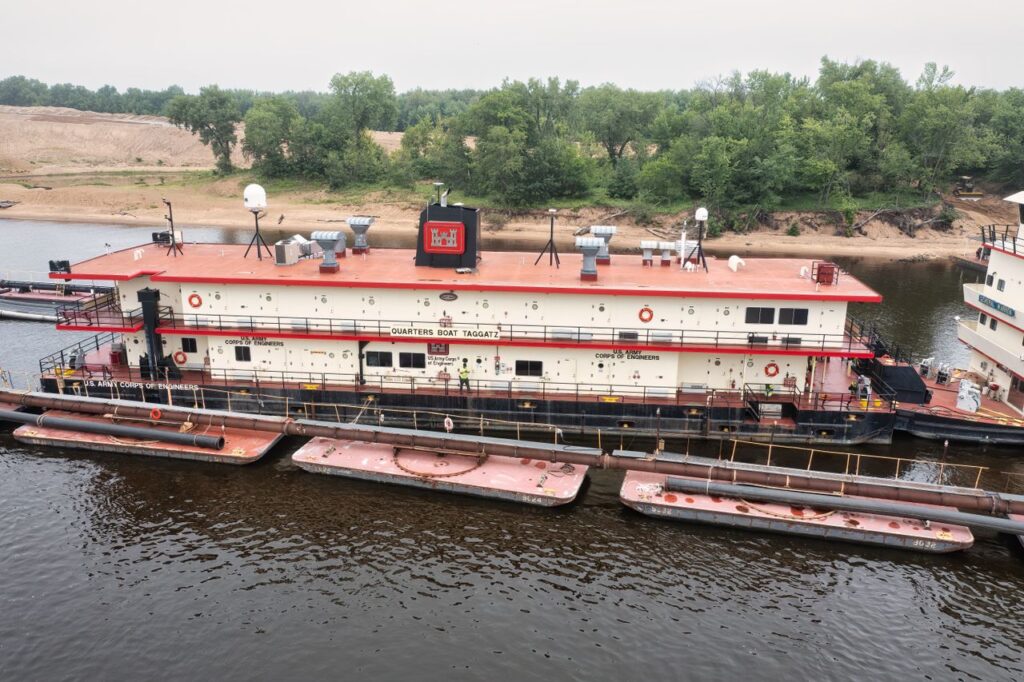
Barges are often seen as simple working vessels, but they hold much more value than many people realize. Whether they transport heavy cargo, support offshore operations, or serve industrial projects, barges are built with strong materials that remain useful for decades. Even when a barge reaches the end of its working life, it can still become an important source of recyclable metals and reusable equipment.
Many buyers look beyond the vessel’s appearance. They evaluate its structure, machinery, maintenance history, and recycling potential before making an offer. Some barges continue operating after repairs, while others provide valuable materials for manufacturing and construction. Understanding these factors helps you make better buying or selling decisions.
If you own an old barge or plan to purchase one for recycling, knowing what creates its value gives you an advantage during negotiations. Watching local scrap metal prices also helps you understand how changing market conditions influence the value of recyclable materials inside the vessel.
Strong Steel Construction Creates Lasting Value
The biggest source of value inside most barges is their steel construction.
Barges are designed to carry extremely heavy loads under demanding conditions. Because of this, they are built using thick structural steel that lasts for many years.
The hull contains large quantities of recyclable steel that manufacturers continue needing for new products.
Deck plates, side walls, cargo compartments, support beams, bulkheads, and reinforcement frames also contribute significant value.
Even after decades of service, much of this steel remains suitable for recycling.
Recovered steel becomes raw material for bridges, warehouses, buildings, machinery, transportation equipment, and industrial products.
Instead of becoming waste, the vessel continues serving important industries through responsible recycling.
The larger the barge, the greater its steel recovery potential.
Onboard Equipment Adds Extra Worth
Steel is only part of the story.
Many barges also contain valuable machinery and equipment that increase their overall worth.
Generators, hydraulic systems, pumps, cranes, anchors, winches, and electrical equipment often remain valuable after the vessel retires.
Electric motors contain copper windings protected by strong steel housings.
Storage tanks, ladders, safety railings, maintenance platforms, and cargo handling systems also contain recyclable metals.
Some equipment may even remain suitable for resale before entering the recycling process.
Professional inspections help identify reusable components that may hold greater value than recycled materials alone.
Careful dismantling protects these items while maximizing financial returns.
Vessel Condition Influences Market Value
No two barges have exactly the same value.
Buyers carefully inspect the vessel’s overall condition before making purchasing decisions.
Surface rust is expected on marine equipment, but severe structural corrosion may reduce the vessel’s value.
Inspectors evaluate the hull, deck, cargo spaces, support structures, and welded joints carefully.
Maintenance history also plays an important role.
A well-maintained barge often attracts stronger buyer interest because it may continue operating after repairs.
Damage caused by accidents or poor maintenance may influence pricing discussions.
Professional marine surveys provide useful information for both buyers and sellers.
Good documentation strengthens confidence throughout the transaction.
Some Barges Can Continue Working
Not every retired barge belongs in a recycling yard.
Many vessels remain structurally sound and require only repairs or equipment upgrades before returning to service.
Construction companies, dredging contractors, marine transport businesses, and offshore operators frequently purchase used barges because they offer cost-effective alternatives to new vessels.
A reusable barge often commands a higher selling price than one purchased only for recycling.
Buyers evaluate structural integrity, carrying capacity, maintenance history, and repair requirements before making decisions.
Understanding whether your vessel qualifies for continued service helps maximize its overall value.
Professional inspections provide valuable guidance during this evaluation.
Marine Recycling Supports Sustainable Growth
When a barge reaches the end of its working life, responsible recycling creates important environmental benefits.
Large quantities of recyclable steel return to manufacturing instead of entering landfills.
Copper, aluminum, brass, stainless steel, and other valuable metals are also recovered during dismantling.
Responsible recycling reduces the need for newly mined raw materials.
Manufacturers benefit because recycled metals often require less energy to process.
Communities also benefit through cleaner waste management and reduced environmental impact.
Every recycled barge supports the growing circular economy by keeping valuable resources in continuous use.
Sustainability continues increasing the importance of marine recycling worldwide.
Market Demand Affects Barge Values
Like every major industrial asset, barge values respond to changing market conditions.
Construction growth increases demand for recycled steel and structural materials.
Manufacturing activity also influences the need for recyclable metals.
Marine transportation industries affect demand for reusable barges.
Infrastructure projects create additional opportunities for recovered steel.
Global trade, shipping activity, fuel prices, and economic conditions all contribute to changing market demand.
Monitoring local scrap metal prices helps you understand regional recycling trends that influence barge values.
Keeping track of market conditions allows you to choose better times for buying or selling.
Knowledge supports stronger negotiations and smarter business planning.
Good Documentation Builds Buyer Confidence
Professional documentation makes every transaction smoother.
Ownership certificates confirm the legal right to sell the vessel.
Registration records provide useful technical information about the barge.
Maintenance records help buyers understand previous repairs and servicing history.
Marine survey reports offer independent evaluations of structural condition.
Photographs and videos allow buyers to inspect important details before visiting the vessel.
Equipment inventories also help buyers estimate overall project value.
Organized documentation demonstrates professionalism while reducing uncertainty during negotiations.
Good records encourage buyer confidence from the beginning.
Careful Preparation Increases Overall Value
Preparation remains one of the easiest ways to improve a barge’s market value.
Inspect the vessel carefully before contacting buyers.
Prepare accurate inventories describing onboard equipment and recyclable materials.
Take clear photographs showing the hull, deck, cargo areas, machinery, and structural condition.
Gather ownership documents and maintenance records before negotiations begin.
Keep the vessel organized during inspections so buyers can evaluate important areas easily.
Compare several offers before making final decisions.
Continue following local scrap metal prices because changing steel values may influence your timing.
Small improvements in preparation often produce much stronger results.
Every Barge Holds Hidden Potential
A barge is much more than an aging marine vessel. It represents a valuable combination of structural steel, industrial equipment, reusable machinery, and recyclable metals that continue supporting industries around the world. Whether the vessel returns to service or enters the recycling process, it still has an important role to play.
Understanding what makes a barge valuable helps you make better decisions throughout the buying or selling process. Steel quality, onboard equipment, vessel condition, documentation, market demand, and careful preparation all contribute to overall value.
Following local scrap metal prices provides useful market insight, but successful transactions also depend on professional planning and strong communication. Buyers appreciate organized sellers who provide accurate information and complete documentation.
As global demand for recycled materials continues growing, barges will remain valuable assets within the marine recycling industry. Every recovered steel plate, machinery component, and structural beam supports cleaner manufacturing while conserving natural resources. By recognizing the hidden potential inside every barge, you position yourself for stronger opportunities and lasting success in the growing recycling market.
Material Recovery Techniques
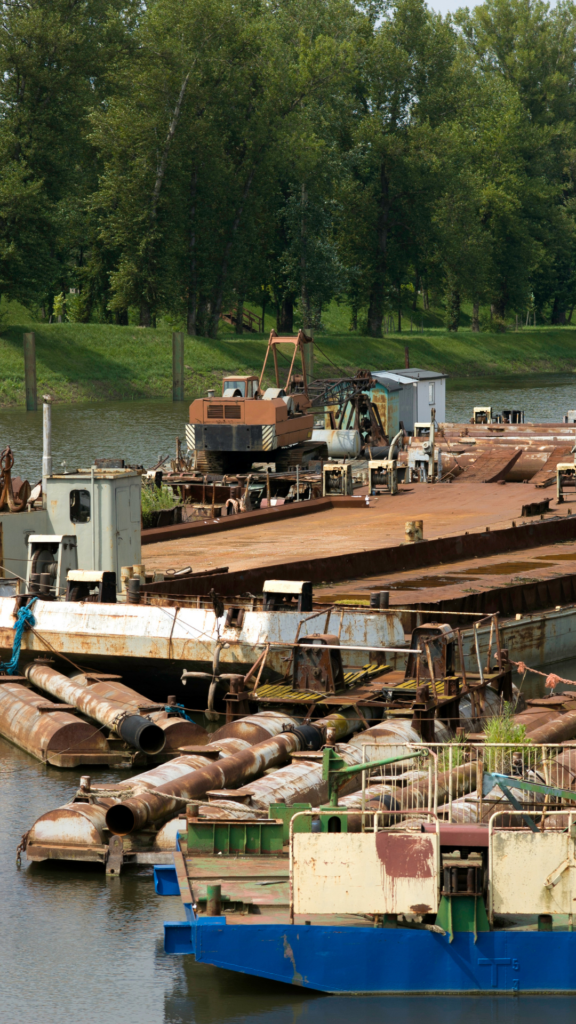
Material recovery is one of the most important parts of the recycling process. It transforms old equipment, retired vessels, factory machinery, and demolition waste into valuable resources for new industries. Instead of sending useful metals to landfills, recovery techniques help separate, clean, and prepare materials for recycling. This process supports both the environment and the growing demand for recycled metals.
Every recycling project offers hidden opportunities. Steel beams, aluminum panels, copper wiring, brass fittings, and stainless steel components all have value when recovered properly. The better the recovery process, the greater the financial return and the lower the amount of waste.
Whether you manage a factory upgrade, a building demolition, or a marine recycling project, understanding recovery techniques helps you maximize results. Keeping an eye on local scrap metal prices also helps you understand how market conditions influence the value of recovered materials.
Start with a Careful Inspection
Every successful recovery project begins with a detailed inspection.
Take time to examine the site before removing any materials.
Identify the different metals available throughout the project. Steel, aluminum, copper, brass, and stainless steel should all be recorded separately.
Inspect machinery, structural supports, storage systems, electrical equipment, and pipelines carefully.
Large industrial projects often contain valuable materials hidden inside equipment or behind protective covers.
Marine vessels also require careful inspections because valuable metals appear throughout engine rooms, decks, pumps, and cargo areas.
Prepare simple notes describing material types and estimated quantities.
Good inspections create a clear recovery plan before dismantling begins.
Separate Materials Early
Sorting materials during recovery saves valuable time later.
Keep different metals separated whenever possible.
Do not mix steel with aluminum, copper, brass, stainless steel, or cast iron.
Separate reusable equipment from materials intended only for recycling.
Removing contamination also improves recovery value.
Plastic, wood, rubber, insulation, glass, and concrete should be separated from recyclable metals.
Clean materials require less processing after collection.
Well-organized recovery areas improve safety while making inspections easier.
Buyers appreciate suppliers who prepare materials carefully because organized scrap reduces handling costs.
Early sorting creates smoother recycling operations from beginning to end.
Recover Reusable Equipment First
Not every item should immediately become scrap.
Many machines, pumps, generators, motors, and industrial systems still hold resale value.
Inspect equipment carefully before dismantling begins.
Some components may only require cleaning or minor repairs before returning to service.
Marine vessels often contain reusable navigation equipment, hydraulic systems, cranes, and cargo handling machinery.
Factories may include conveyors, compressors, storage tanks, and production equipment suitable for resale.
Recovering reusable assets before recycling increases the overall value of the project.
Professional evaluations help identify equipment worth preserving.
Reuse often creates higher financial returns than immediate recycling.
Use Safe Cutting and Dismantling Methods
Proper dismantling protects valuable materials while improving workplace safety.
Develop a recovery plan before cutting structural components.
Remove smaller equipment first before separating larger steel sections.
Use appropriate cutting tools for different materials.
Avoid unnecessary damage during dismantling because bent or contaminated materials may lose value.
Large machinery often requires cranes or lifting equipment before removal.
Follow safe working procedures throughout every stage of the project.
Responsible dismantling also protects nearby structures and equipment.
Careful planning reduces waste while improving recovery efficiency.
Good safety practices always support better recycling results.
Modern Technology Improves Recovery
Technology has transformed material recovery in recent years.
Portable metal analyzers identify different metal grades quickly.
Digital inventory software tracks available materials throughout the project.
Drone inspections help evaluate large industrial sites and marine vessels safely.
Automated sorting systems separate recyclable metals with impressive accuracy.
Cloud-based document sharing allows buyers, inspectors, and suppliers to exchange information efficiently.
Video inspections reduce unnecessary travel during early project evaluations.
Artificial intelligence is beginning to assist with material identification and recovery planning.
Technology increases efficiency while reducing costly mistakes.
Businesses embracing innovation often recover more valuable materials than traditional operations.
Handle Hazardous Materials Carefully
Some recycling projects contain materials requiring special attention.
Industrial facilities and marine vessels may include oils, fuels, insulation, chemicals, batteries, or electrical components.
These materials should be removed safely before metal recovery begins.
Responsible handling protects workers while reducing environmental risks.
Follow local environmental regulations throughout the recovery process.
Professional environmental specialists may assist with larger projects involving hazardous substances.
Separating hazardous materials also improves the quality of recyclable metals.
Clean recovery practices strengthen buyer confidence while supporting responsible recycling.
Environmental protection should always remain part of every recovery plan.
Organize Storage Before Transportation
Recovered materials should remain organized after dismantling.
Store different metals in clearly separated areas.
Protect valuable materials from unnecessary contamination or excessive weather exposure.
Use simple labels identifying steel, aluminum, copper, brass, and stainless steel.
Prepare inventory records describing available quantities.
Take clear photographs before loading materials for transportation.
Organized storage makes buyer inspections much easier.
Transportation planning also improves when materials remain properly arranged.
Professional presentation creates positive first impressions during project evaluations.
Good organization continues adding value throughout the recycling process.
Market Knowledge Improves Recovery Decisions
Recovery techniques become even more effective when combined with market awareness.
Different metals experience changing demand throughout the year.
Monitoring local scrap metal prices helps you understand which materials currently offer stronger opportunities.
Market conditions also influence the timing of large recovery projects.
Some businesses schedule dismantling based on favorable recycling demand.
Understanding market trends supports better planning while improving financial returns.
At the same time, remember that quality preparation remains important regardless of short-term price movements.
Organized materials consistently attract greater buyer interest.
Knowledge and preparation work best when combined together.
Better Recovery Creates Better Results
Material recovery is much more than removing old metal from a worksite. It is a carefully planned process that protects valuable resources while supporting cleaner manufacturing and stronger business opportunities. Careful inspections, early sorting, safe dismantling, responsible environmental practices, and organized storage all contribute to successful recovery projects.
Following local scrap metal prices helps you understand market conditions, but the quality of your recovery process often has an even greater influence on final results. Buyers consistently value clean, organized, and properly identified materials because they require less processing after purchase.
Whether you recover materials from factories, warehouses, marine vessels, demolition sites, or industrial plants, every careful step increases efficiency and reduces waste. Modern technology and professional planning continue making recovery techniques more accurate and productive than ever before.
As demand for recycled metals keeps growing, strong recovery practices will remain essential. Every recovered beam, machine, cable, pipeline, and structural component supports sustainable manufacturing while creating additional value from materials that might otherwise be overlooked. By improving your recovery techniques today, you prepare your business for long-term success in the expanding recycling industry.
Inspection Checklist
Every successful scrap metal project starts with a careful inspection. Whether you are buying, selling, or preparing materials for recycling, a detailed inspection helps you understand exactly what you have. It also reduces surprises during negotiations and allows buyers to make informed decisions. A few extra minutes spent inspecting materials today can save significant time, money, and effort later.
An inspection is much more than taking a quick look at a pile of scrap. It involves checking material quality, identifying valuable metals, reviewing equipment, and confirming documentation. Every part of the process helps you estimate the true value of the project before making important decisions.
Whether you are dealing with factory machinery, demolition materials, marine vessels, warehouses, or industrial equipment, following a simple inspection checklist keeps your project organized. Monitoring local scrap metal prices also helps you understand how market conditions may influence the value of the materials you inspect.
Start with a General Site Walkthrough
Before focusing on individual items, walk around the entire project area.
Observe the overall condition of the materials.
Identify where different types of scrap are located.
Notice whether materials have been organized or mixed together.
Look for easy access routes that will support future loading and transportation.
Pay attention to safety concerns such as unstable structures, exposed wiring, or damaged equipment.
Take notes during your walkthrough instead of relying only on memory.
A complete overview helps you understand the scale of the project before detailed inspections begin.
Good planning starts with seeing the entire picture.
Identify Every Material Type
Knowing what materials are available is one of the most important inspection tasks.
Separate steel, aluminum, copper, brass, stainless steel, cast iron, and other recyclable metals whenever possible.
Look beyond the obvious materials.
Electrical systems often contain valuable copper.
Industrial machinery may include stainless steel, brass fittings, and aluminum components.
Marine vessels frequently hide valuable metals inside pumps, engines, cooling systems, and navigation equipment.
Factories also contain structural steel, storage systems, piping, and production machinery.
Accurate identification helps buyers estimate recycling value more confidently.
Careful material separation also supports smoother negotiations.
Check Material Quality Carefully
Quality influences value just as much as quantity.
Inspect for excessive rust, corrosion, contamination, dents, cracks, or structural damage.
Surface rust is common, especially on outdoor equipment, but severe corrosion deserves closer attention.
Look for attached materials such as wood, rubber, plastic, insulation, or concrete.
Clean materials usually attract greater buyer interest because they require less additional processing.
Inspect welds, joints, support frames, and structural components carefully.
Professional observations help buyers understand the true condition of available materials.
Accurate quality assessments reduce misunderstandings during negotiations.
Estimate Quantities Accurately
Knowing approximately how much material is available helps everyone involved.
Estimate weights whenever practical.
Review available inventory records prepared by the owner.
Measure large structural sections if needed.
Count reusable equipment separately from recyclable materials.
Drone photography may assist with estimating quantities for larger industrial sites.
Photographs also support future reviews after leaving the inspection site.
Accurate quantity estimates improve transportation planning while supporting stronger pricing discussions.
Organized records benefit both buyers and sellers.
Inspect Reusable Equipment
Not every item should immediately enter the recycling process.
Inspect machinery carefully before classifying it as scrap.
Generators, pumps, compressors, conveyors, hydraulic systems, cranes, and electric motors may still have resale value.
Marine vessels often contain reusable navigation equipment, anchors, winches, and cargo handling systems.
Factories may include valuable production equipment suitable for refurbishment.
Professional evaluations help identify assets worth preserving.
Recovering reusable equipment before recycling often increases overall project value.
Always consider both resale potential and recycling value during inspections.
Review Documentation
Good documentation supports every successful recycling project.
Request ownership certificates before negotiations continue.
Review maintenance records whenever available.
Inspection reports prepared by independent professionals provide valuable information.
Marine vessels may require registration documents and technical records.
Factories often maintain equipment inventories and purchase histories.
Take photographs of important documents if permitted.
Well-organized paperwork strengthens buyer confidence while reducing uncertainty.
Professional documentation creates smoother transactions from beginning to end.
Take High-Quality Photos
Photographs remain one of the most valuable inspection tools.
Capture wide images showing the entire project.
Take close-up photographs of important machinery, structural components, and valuable materials.
Document areas showing damage as well as sections in excellent condition.
Photograph equipment identification plates whenever possible.
Good lighting improves image quality significantly.
Videos also provide additional information during larger inspections.
Visual records support pricing discussions while helping buyers review projects after inspections end.
Professional photographs create stronger presentations.
Consider Transportation and Access
A valuable project still requires practical transportation planning.
Inspect loading areas carefully.
Check whether heavy machinery or cranes will be required.
Observe road conditions leading to the project site.
Marine projects may require nearby port facilities or specialized lifting equipment.
Large structural sections sometimes need cutting before transportation.
Understanding these challenges helps estimate total project costs more accurately.
Transportation planning should always be included in your inspection checklist.
Good logistics improve project efficiency from the beginning.
Use Market Knowledge During Evaluation
Market awareness helps place inspection results into context.
Following local scrap metal prices gives you a better understanding of current recycling demand.
Different metals may experience changing market conditions throughout the year.
Steel, aluminum, copper, brass, and stainless steel often move independently.
Current prices help guide negotiations, but they should never replace careful inspections.
Material quality, organization, documentation, and transportation all influence final value.
Combining thorough inspections with market knowledge produces stronger business decisions.
Preparation remains one of your greatest competitive advantages.
A Good Inspection Leads to Better Decisions
A detailed inspection checklist is one of the most valuable tools in the recycling industry. It helps you understand material quality, identify valuable metals, estimate quantities, review equipment, organize documentation, and prepare for transportation. Every careful observation strengthens your confidence before negotiations begin.
Monitoring local scrap metal prices provides useful market insight, but successful recycling projects depend on much more than pricing alone. Careful inspections reveal hidden value, reduce uncertainty, and improve communication between buyers and sellers.
Whether you inspect factory equipment, marine vessels, demolition materials, warehouses, or industrial plants, following a consistent checklist creates better results. Organized inspections support smoother transactions while reducing unnecessary risks throughout the recycling process.
As the recycling industry continues expanding, businesses that invest time in thorough inspections will remain well positioned for long-term success. Every accurate note, clear photograph, organized document, and careful observation contributes to stronger negotiations, better partnerships, and more profitable recycling opportunities.
Buyer Outreach Strategies
Finding quality scrap is only part of the recycling business. The next challenge is finding the right buyers who appreciate the true value of your materials. A well-planned outreach strategy helps you connect with serious buyers, build lasting relationships, and increase your chances of completing successful transactions. Instead of waiting for buyers to find you, proactive communication opens the door to better opportunities.
Whether you are selling factory equipment, retired barges, marine vessels, demolition materials, or industrial scrap, your outreach efforts play an important role in business success. Buyers receive many offers every week, so presenting your materials professionally helps your project stand out. Small improvements in communication can make a big difference during negotiations.
Keeping track of local scrap metal prices gives you confidence when discussing market value. However, successful outreach depends just as much on preparation, trust, and professional communication.
Identify the Right Buyers First
The best outreach begins by targeting buyers who actually need your materials.
Not every recycling company purchases the same types of scrap.
Some buyers focus on steel, while others specialize in aluminum, copper, brass, stainless steel, or industrial equipment.
Marine recycling companies may prefer retired vessels, while manufacturers often seek clean industrial scrap.
Research buyers before making contact.
Visit company websites to understand their services, purchasing requirements, and areas of expertise.
Learning about potential buyers helps you send more relevant information.
Targeted outreach usually produces better results than sending the same message to everyone.
Quality connections always outperform large contact lists.
Prepare a Professional Presentation
Before contacting buyers, organize your project carefully.
Prepare a clear description explaining what materials are available.
Include estimated quantities, material types, location, and overall condition.
Take high-quality photographs showing the entire project together with important details.
Videos also help buyers understand the scale of larger recycling opportunities.
Prepare inventory lists whenever possible.
Gather ownership documents and inspection reports before discussions begin.
Professional presentations immediately create confidence.
Buyers appreciate suppliers who provide organized information because it simplifies project evaluations.
Good preparation often leads to faster responses.
Personalize Every Message
Buyers receive many emails and messages every day.
Generic introductions often receive little attention.
Instead, personalize each message before sending it.
Mention why you believe your project matches the buyer’s interests.
Keep your introduction friendly, professional, and direct.
Explain the main opportunity without overwhelming the reader with unnecessary details.
Invite the buyer to request additional information instead of sending everything immediately.
Personalized communication demonstrates genuine interest in building a business relationship.
People naturally respond better to messages written specifically for them.
Small efforts often create stronger first impressions.
Use Multiple Communication Channels
Do not depend on only one method of communication.
Email remains one of the most effective ways to introduce large recycling projects.
Business networking platforms also provide valuable opportunities to connect with industry professionals.
Phone calls help answer questions more quickly after initial introductions.
Video meetings strengthen relationships before physical inspections become necessary.
Professional websites allow buyers to learn more about your business independently.
Messaging applications also support faster communication during active negotiations.
Using several communication channels increases your chances of reaching serious buyers.
Flexibility improves both convenience and response rates.
Share Valuable Information
Successful outreach focuses on providing useful information instead of simply asking buyers to purchase materials.
Explain what makes your project valuable.
Describe the quality of available metals, equipment, or structures.
Mention recent inspections, organized inventories, or supporting documentation.
If applicable, explain transportation access or loading arrangements.
Honest information helps buyers evaluate opportunities with greater confidence.
Avoid exaggerated claims because experienced buyers verify important details during inspections.
Professional communication builds trust through transparency.
Reliable information creates stronger business relationships from the very beginning.
Build Relationships Before You Need Them
Many businesses contact buyers only when materials become available.
A smarter strategy involves building relationships long before projects begin.
Introduce yourself to buyers even if you currently have no active listings.
Share occasional industry updates or useful information.
Congratulate partners on business achievements when appropriate.
Stay connected through professional networking platforms.
Maintaining regular contact keeps your business visible.
When future projects become available, established relationships often lead to faster discussions.
Long-term partnerships usually produce greater opportunities than constantly searching for new contacts.
Business relationships grow through consistent communication.
Follow Up Professionally
Not every buyer responds immediately.
Busy schedules often delay replies.
A polite follow-up message after several days shows professionalism without creating pressure.
Keep follow-up communication short and friendly.
Ask whether additional information would be helpful.
Avoid sending repeated daily messages because this may discourage potential buyers.
Professional persistence demonstrates genuine interest while respecting the buyer’s time.
Many successful transactions begin after thoughtful follow-up communication.
Patience often becomes an important part of effective outreach.
Use Market Knowledge During Discussions
Market awareness strengthens buyer conversations.
Following local scrap metal prices helps you discuss current market conditions with confidence.
Explain how quality, quantity, preparation, and transportation influence overall project value.
Well-informed discussions create more productive negotiations.
At the same time, remain flexible because every recycling project has unique characteristics.
Buyers appreciate suppliers who understand the market while remaining open to reasonable discussions.
Knowledge builds credibility during every stage of the sales process.
Professional preparation supports stronger agreements.
Strong Outreach Builds Strong Business
Buyer outreach is much more than sending emails or making phone calls. It is about building trust, presenting projects professionally, and creating long-term business relationships. The most successful suppliers understand that every conversation contributes to their professional reputation.
Keeping up with local scrap metal prices helps you understand market trends, but lasting success comes from combining market knowledge with organized communication. Buyers consistently appreciate clear information, quality photographs, honest descriptions, and timely responses.
Whether you are selling factory machinery, marine vessels, demolition materials, warehouses, or industrial equipment, effective outreach helps your opportunities reach the right audience. Careful preparation makes it easier for buyers to evaluate projects while increasing confidence throughout the negotiation process.
As the recycling industry continues growing across international markets, professional outreach will remain one of your strongest competitive advantages. Every personalized message, organized presentation, thoughtful follow-up, and honest conversation strengthens your business network. Those connections often become the foundation for future partnerships, repeat business, and long-term success in the ever-expanding recycling industry.